Aging often brings sharper focus on health—especially the fear of serious illnesses that seem more common later in life. At the same time, sensational headlines about “miracle foods” can leave many older adults feeling confused, pressured, and unsure what to believe. One tropical fruit, however, has been steadily drawing attention for its distinctive plant compounds—and what science is exploring about it may be more interesting than the hype suggests.
What Is Soursop (Graviola), and Why Is It Trending Among Seniors?
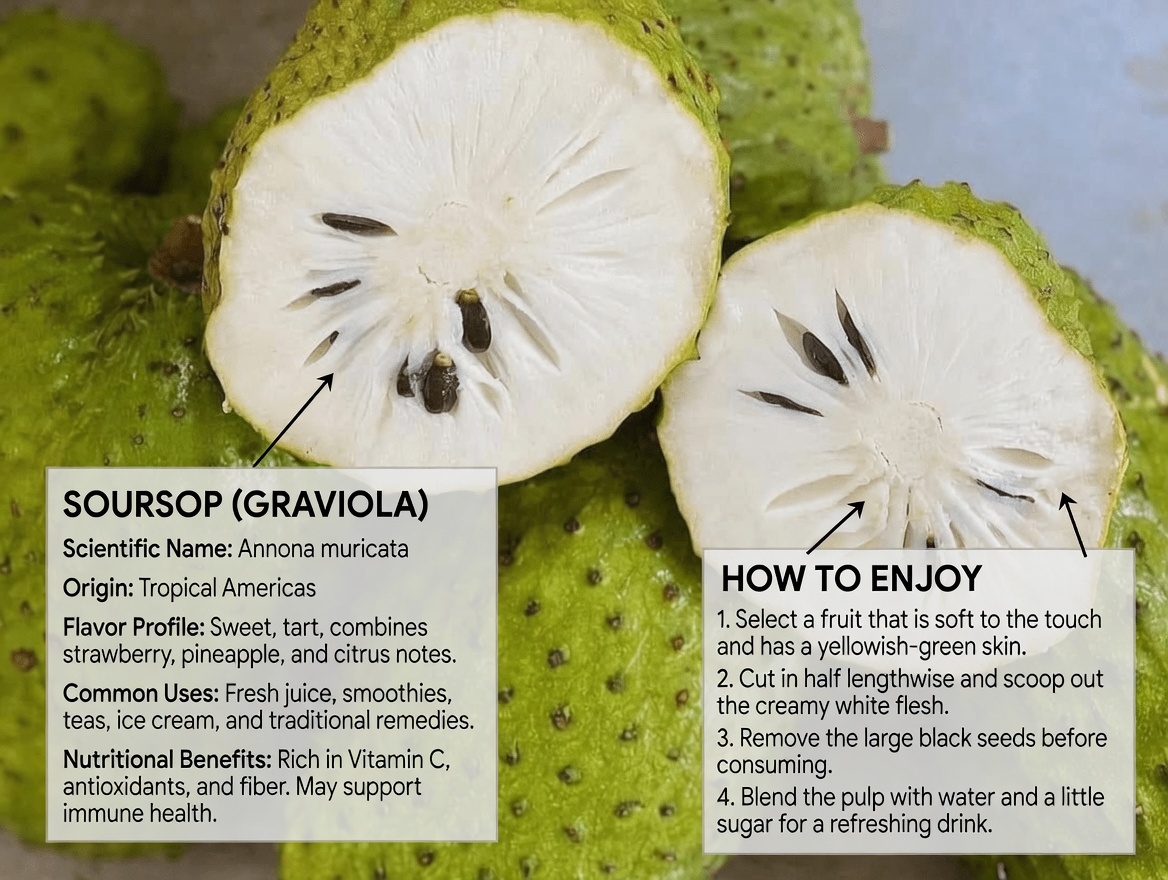
Soursop—also called graviola—is a tropical fruit with a green, spiky skin, grown in parts of Central and South America, Southeast Asia, and Africa. Inside, it has a soft white pulp with a sweet-tart taste often described as a mix of pineapple and strawberry.
But the growing interest isn’t only about flavor.
Soursop contains naturally occurring plant chemicals known as acetogenins, along with vitamin C and other phytonutrients. Researchers are investigating how these compounds may relate to overall cellular wellness, which is why many seniors and nutrition-minded readers have started paying attention.
Still, it’s important to separate curiosity-driven science from exaggerated claims—and to keep expectations realistic.
The Truth Behind the “Cellular Health” Buzz
If you’ve seen posts suggesting soursop can “cure” or “eliminate” major diseases, the reality is more complicated.
Most research to date has been conducted in laboratory settings and in animal studies. In these controlled environments, scientists have observed that some soursop compounds show notable biological activity. However, this does not automatically mean that eating the fruit produces the same outcomes in the human body.
What current evidence more reliably supports is that soursop offers general nutrition benefits, such as:
- Antioxidants that help defend against oxidative stress
- Vitamin C to support immune function
- Dietary fiber to promote digestive health
- Plant compounds that are still being explored in early-stage studies
Peer-reviewed nutrition research widely supports the role of antioxidants in helping neutralize free radicals—unstable molecules associated with cellular damage. Oxidative stress has been linked with aging and several chronic conditions, which is why global health guidance consistently encourages eating a variety of fruits and vegetables.
But one key point often gets missed:
Your overall eating pattern matters much more than any single food.
Why Antioxidants Become More Important With Age
As we get older, the body’s natural protective systems may not work as efficiently as they once did. This can increase susceptibility to inflammation and cellular stress over time.
That’s why diets rich in antioxidant-containing foods are frequently recommended for older adults. Soursop can be part of that group, alongside fruits commonly suggested for healthy aging.
Here’s a simple, senior-friendly comparison:
- Soursop: vitamin C, acetogenins — supports immune function and general cellular support
- Blueberries: anthocyanins — supports brain and heart health
- Oranges: vitamin C, fiber — supports immunity and digestion
- Pomegranate: polyphenols — supports cardiovascular health
Soursop can be a nutritious option—but it’s not a stand-alone solution. Health outcomes are shaped by consistency, variety, and long-term habits, not a single “superfood.”
Soursop Nutrition: What You Actually Get
To understand the value of soursop, it helps to focus on what it provides nutritionally. A typical serving of fresh soursop includes:
- Vitamin C
- Potassium
- Magnesium
- Dietary fiber
- Small amounts of B vitamins
These nutrients matter for seniors:
- Vitamin C contributes to immune support and collagen production
- Potassium supports heart function and healthy blood pressure
- Fiber helps digestion and supports gut health—often a growing concern with age
The main takeaway: soursop is nourishing, but it works best as part of a broader fruit-and-vegetable routine, not as a replacement for other nutrient-rich foods.
What Research Really Says About Soursop (Without the Hype)
This is where clear thinking is essential.
Some laboratory research has tested how certain soursop compounds behave in isolated cell environments. While some early findings have been scientifically interesting, human clinical trials are still limited.
Medical and nutrition experts repeatedly stress that lab results do not automatically become real-world outcomes in people. Larger, high-quality human studies are needed before strong conclusions can be made about disease-related claims.
Most reputable health guidance for seniors continues to emphasize:
- A varied diet rich in fruits and vegetables
- Regular physical activity
- Routine medical checkups
- Evidence-based screenings appropriate for age and risk profile
Soursop can be included in a healthy lifestyle—but it should never substitute medical care, prescribed treatments, or proven prevention strategies.
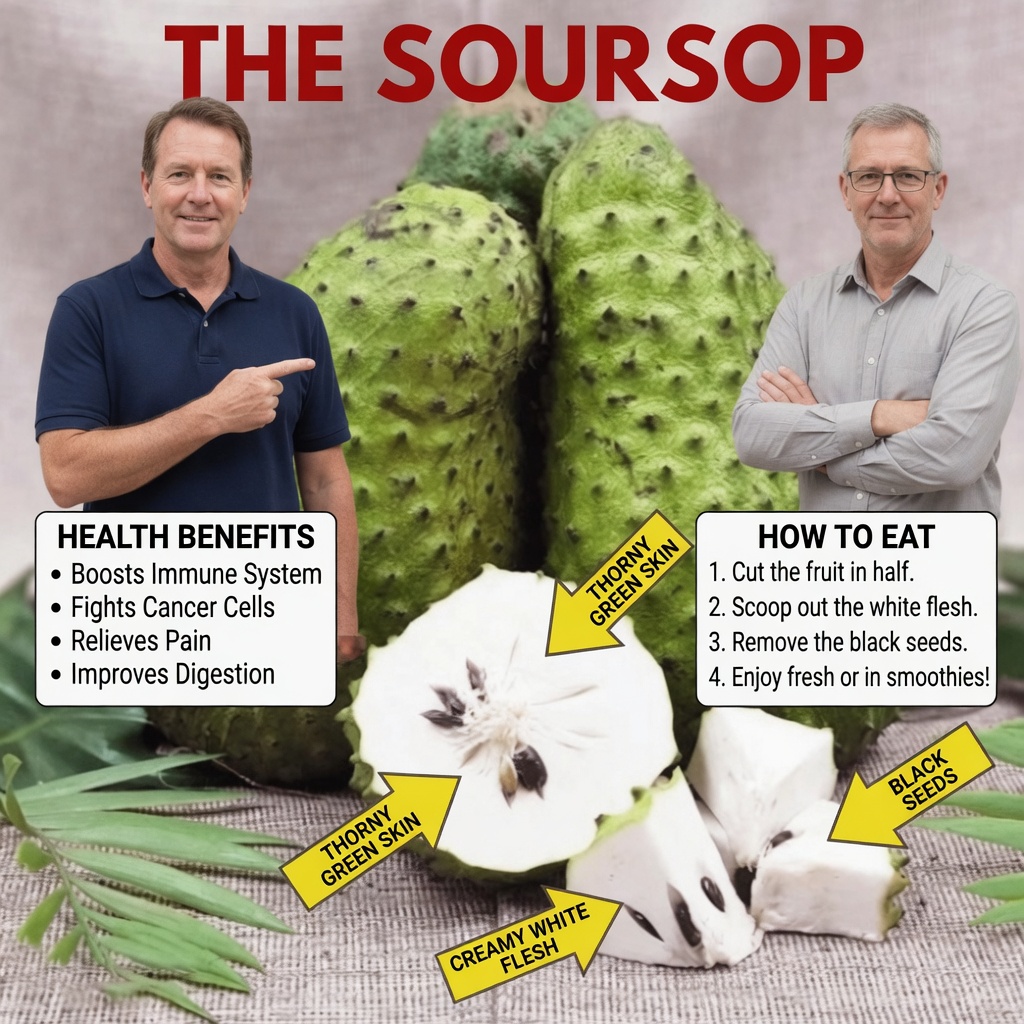
How Seniors Can Enjoy Soursop Safely
Interested in trying soursop? These practical steps help keep it safe and beneficial.
-
Choose fresh when possible
Look for fresh fruit at international markets or specialty stores. Limit highly processed options that may contain added sugars. -
Start with a small serving
Introduce it gradually and observe how your digestion and body respond. Moderation still matters—even with fruit. -
Combine it with other nutrient-dense foods
- Blend into a smoothie with spinach and berries
- Add to yogurt for a fiber-supporting breakfast
- Mix with other fruits to increase nutrient diversity
-
Ask your healthcare provider if needed
If you take medications or manage chronic conditions, consult a clinician before using supplements or concentrated extracts. In general, whole fruit is considered a safer choice than high-dose products.
An important note: some reports raise concerns that excessive intake of certain plant compounds from concentrated forms may not be advisable. This is another reason to prioritize moderate whole-food consumption.
Common Soursop Myths (And What’s True)
-
Myth: Soursop can replace medical treatment
Reality: No food should replace professional care, prescribed therapies, or clinical guidance. -
Myth: If a little is good, more is better
Reality: Overdoing any single food can throw off dietary balance. -
Myth: “Natural” means completely risk-free
Reality: Natural foods are generally safe in normal portions, but interactions and individual health factors still matter.
Accurate information leads to better decisions—especially when health is on the line.
The Bigger Picture: Senior Nutrition That Supports Healthy Aging
Soursop is just one part of a much larger wellness strategy.
Research consistently links healthy aging to overall dietary patterns—such as a Mediterranean-style diet, which emphasizes fruits, vegetables, whole grains, healthy fats, and lean proteins.
Core habits that support long-term wellness include:
- Eating a wide variety of colorful fruits and vegetables
- Staying physically active
- Managing stress consistently
- Getting enough sleep
- Maintaining strong social connections
When these habits come together, their benefits add up over time.
And that’s the real “surprise”: the value of soursop isn’t in dramatic promises—it’s in how easily it can fit into a sustainable lifestyle that supports your body day after day.
Conclusion
Soursop (graviola) is a tropical fruit rich in antioxidants, vitamin C, and fiber, making it a potentially helpful addition to a senior-friendly diet. Although early laboratory research on its plant compounds has generated interest, human evidence remains limited, and the fruit should not be treated as a cure or a replacement for medical care. Enjoyed in moderation as part of a balanced eating pattern, soursop can support overall wellness while keeping expectations grounded in science.