
Waking up multiple times at night to urinate can leave you drained, irritated, and concerned about what’s going on in your body. That persistent “need to go”—even when your bladder doesn’t feel very full—can interrupt deep sleep, worsen daytime focus, and make life feel harder than it should. Many people put up with it in silence, assuming it’s simply stress or “normal aging.” In reality, targeted diet adjustments may help—and one commonly overlooked factor near the end of this guide might be the missing piece.

Why Nighttime Urination and Urinary Urgency Happen
Frequent nighttime urination (often called nocturia) and urinary urgency don’t come from one single cause. Common contributors include:
- When and how much you drink
- Bladder sensitivity or irritation
- Age-related hormonal shifts
- Everyday lifestyle patterns (sleep, stress, diet, and activity)
Importantly, the bladder responds to more than fluid volume alone. Scientific findings suggest that what you eat and drink can influence bladder comfort—some items may irritate the bladder lining, while others support muscle function, nerve signaling, and fluid balance.
The best approach isn’t a “magic food.” Long-term results come from building an overall eating pattern that supports hydration, digestion, and bladder calm—especially in the evening.
1. Pumpkin Seeds
Pumpkin seeds may be small, but they deliver a concentrated mix of nutrients—especially magnesium and zinc, along with plant compounds that support normal muscle and nerve function.
Some research indicates that pumpkin seed extract may support bladder comfort and typical urinary patterns, particularly for adults experiencing age-related changes. Magnesium is especially relevant because it plays a role in muscle relaxation, including muscles involved in bladder control.
Ways to add pumpkin seeds:
- Sprinkle 1 tablespoon on oatmeal or yogurt
- Toss into salads for crunch
- Blend into smoothies
A small daily handful is usually enough to gain benefits without turning it into a high-calorie habit.
2. Bananas
Bananas are a well-known source of potassium, a mineral involved in fluid balance. When your body regulates fluids effectively, it may reduce unnecessary “empty now” signals from the urinary system.
They’re also relatively low-acid, which makes them gentler for many people than citrus fruits.
Another advantage: bananas contain soluble fiber, which helps support regular digestion. Constipation can increase pressure in the pelvic area and worsen urgency, so improving bowel regularity may indirectly ease bladder discomfort.
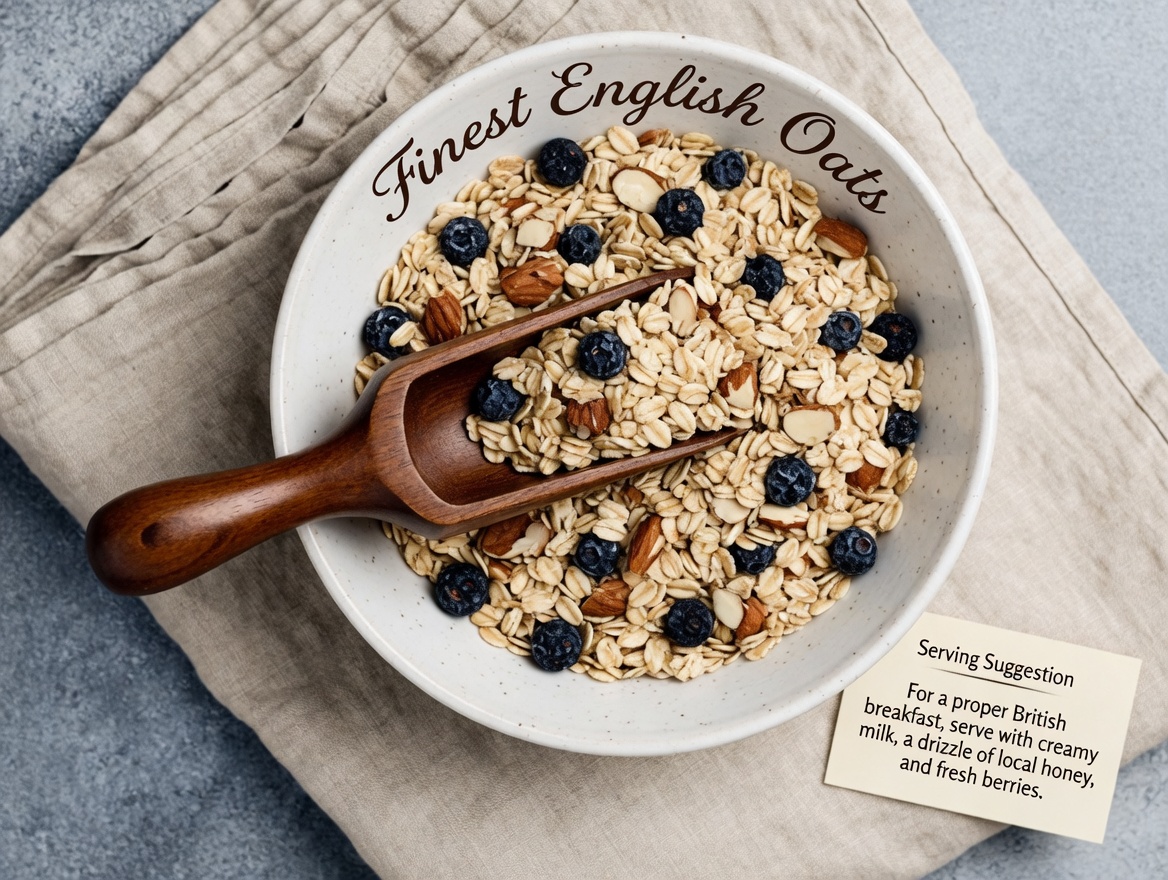
3. Oats
Oats are a fiber-rich whole grain that supports stable digestion and steadier blood sugar levels.
Why it matters: blood sugar spikes can increase urine production in some individuals. Oats digest slowly, helping promote steadier energy and more consistent fluid regulation. The fiber in oats can also help prevent constipation—one of the most underestimated drivers of urinary urgency.
Easy oat ideas:
- Warm oatmeal topped with fruit
- Overnight oats with milk or plant milk
- Oats blended into smoothies
Choose plain oats over heavily sweetened packets to avoid extra sugar.
4. Yogurt With Live Cultures
Unsweetened yogurt with live and active cultures supports a healthier gut microbiome. Growing evidence suggests gut health and urinary health are more connected than previously believed.
While yogurt won’t “cure” urgency on its own, probiotics may help maintain a healthier balance in the digestive and urinary environment—making it a useful part of an overall supportive routine.
What to look for:
- “Live and active cultures” on the label
- Plain or unsweetened varieties (added sugars may work against your goals)
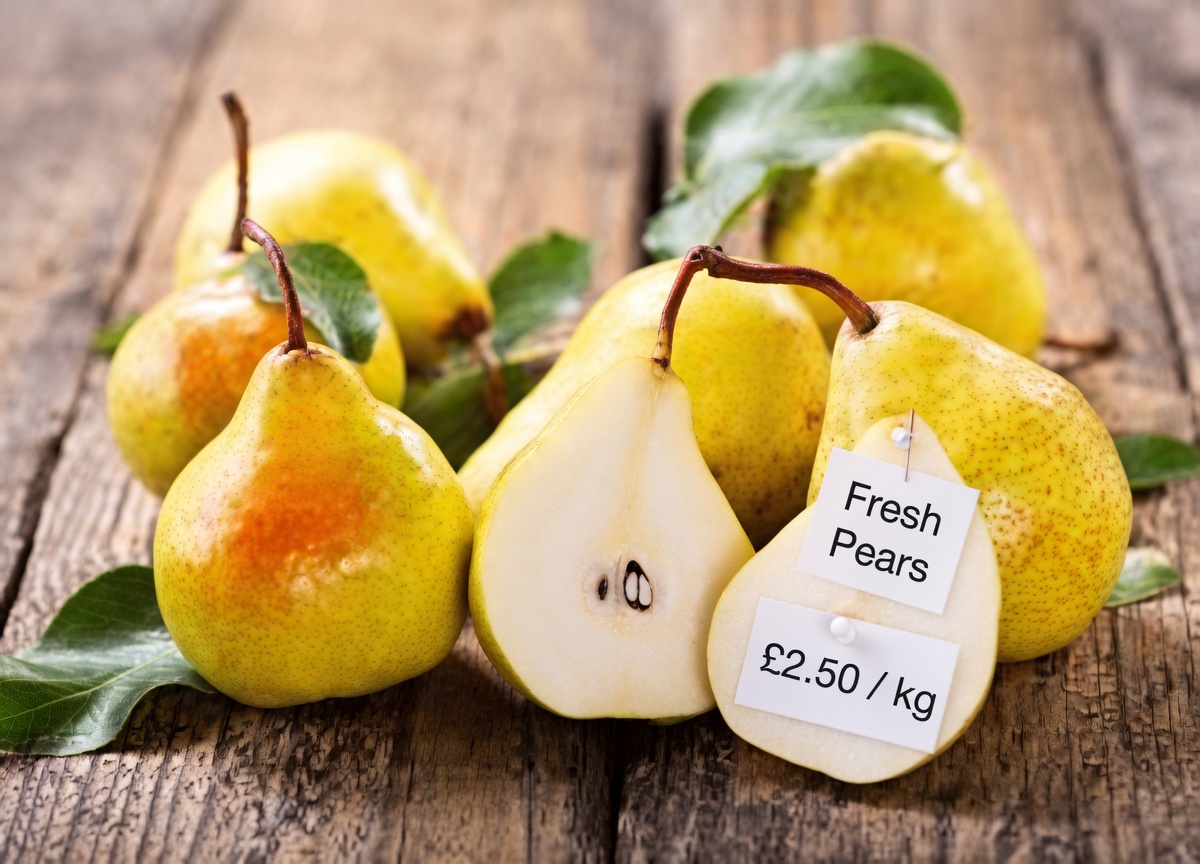
5. Pears
Pears are hydrating, naturally sweet, and typically mild on the bladder. They offer fiber and antioxidants without the high acidity that can bother sensitive individuals.
Acidic fruits such as oranges or grapefruit can trigger symptoms for some people. Pears can be a bladder-friendlier alternative that still satisfies sweet cravings.
Try pears:
- Sliced with nut butter
- Mixed into salads
- Baked with cinnamon
If you notice fruit-related flare-ups, switching to lower-acid fruits (like pears) may be a practical experiment.
6. Leafy Greens
Leafy greens such as spinach and kale provide key nutrients—including magnesium, calcium, and antioxidants—that support muscle and nerve health.
Because the bladder is a muscular organ, nutrient intake that supports healthy muscle function may help maintain more comfortable urinary patterns. Leafy greens also contribute water and fiber, supporting both hydration balance and digestive regularity.
Aim for at least one serving per day in:
- Salads
- Soups
- Smoothies
7. Almonds
Almonds deliver magnesium, plant protein, and healthy fats. They’re filling and low in sugar, which makes them a useful snack for people trying to avoid evening blood sugar swings or overly salty foods.
Magnesium is often studied for its relationship to muscle relaxation and unwanted contractions. While more research is still needed, adding magnesium-rich foods like almonds can be a sensible step within a broader plan.
Portion tip:
- Stick to a small handful to avoid excess calories.
8. Water-Rich Vegetables
Vegetables like cucumber, zucchini, and lettuce have high water content yet are usually mild and non-irritating.
This can feel counterintuitive: if you’re urinating too often, why eat foods with lots of water?
Because daytime hydration can reduce highly concentrated urine, which may irritate the bladder lining and intensify urgency. Instead of severely restricting fluids, the goal is often:
- Steady hydration earlier in the day
- Lighter drinking in the evening, especially close to bedtime
Foods and Drinks That May Worsen Urgency
To understand what helps, it’s useful to know common bladder irritants. Many people report increased urgency with:
- Caffeinated drinks
- Alcohol
- Carbonated beverages
- Spicy foods
- Artificial sweeteners
- Highly acidic fruits and juices
Responses vary. A simple food-and-symptom journal for 1–2 weeks can help you identify your personal triggers.
Practical Steps You Can Start Today
Information helps—but results come from consistent action. Try these realistic changes:
- Make one evening swap: replace sugary desserts with plain yogurt plus pumpkin seeds.
- Shift fluids earlier: drink more during the day, and reduce large beverages 2 hours before bed.
- Add one fiber-rich food daily: oats, pears, leafy greens, or seeds.
- Limit caffeine after early afternoon: even small amounts can disrupt sensitive bladders.
- Track for 7 days: record meals, drink timing, and how often you wake to urinate.
Progress doesn’t require perfection. Small, repeated improvements are often what change nighttime patterns.
Lifestyle Habits That Complement These Foods
Diet is powerful, but it works best when paired with supportive habits:
- Keep a consistent sleep schedule
- Consider gentle pelvic floor exercises (when recommended by a qualified professional)
- Lower stress with breathing practices or light movement
- Maintain a healthy body weight
Research links lifestyle factors—especially weight and physical activity—to urinary patterns in adults.
The overlooked habit that can make a real difference: constipation
Here’s the “surprising” factor many people miss: constipation can worsen nocturia and urgency by increasing pressure on the bladder. Boosting fiber through oats, pears, leafy greens, and seeds may reduce that pressure. Many people notice meaningful improvement once digestion becomes more regular.
When to Seek Medical Guidance
Diet changes can be helpful, but frequent nighttime urination may sometimes signal an underlying issue (for example, hormonal changes, sleep disorders, or metabolic concerns).
Seek professional evaluation if you have:
- Pain or burning during urination
- Blood in the urine
- Sudden, severe symptoms