Americans spend billions of dollars every year on pest control sprays, baits, and professional exterminators. Yet ants, cockroaches, and mice still show up in more than 80% of homes, leaving many people stuck in an exhausting loop: ant trails on counters, droppings in the pantry, and scratching sounds at night that trigger real fears about contamination and property damage.
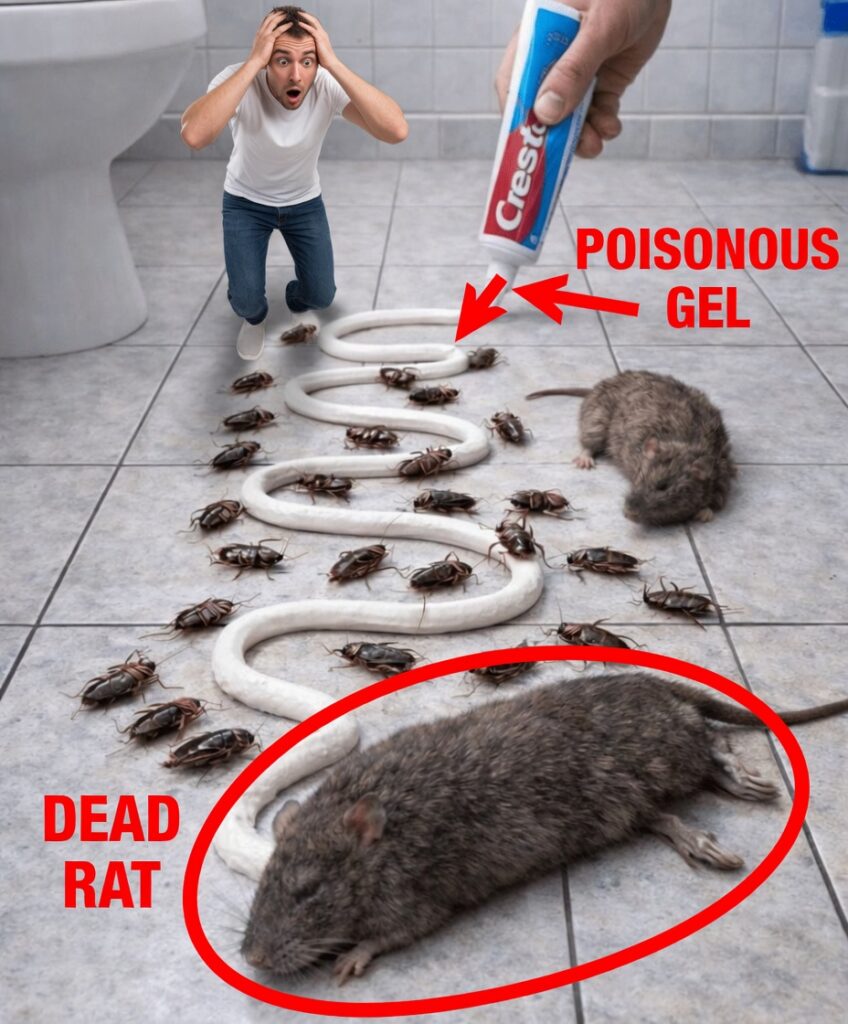
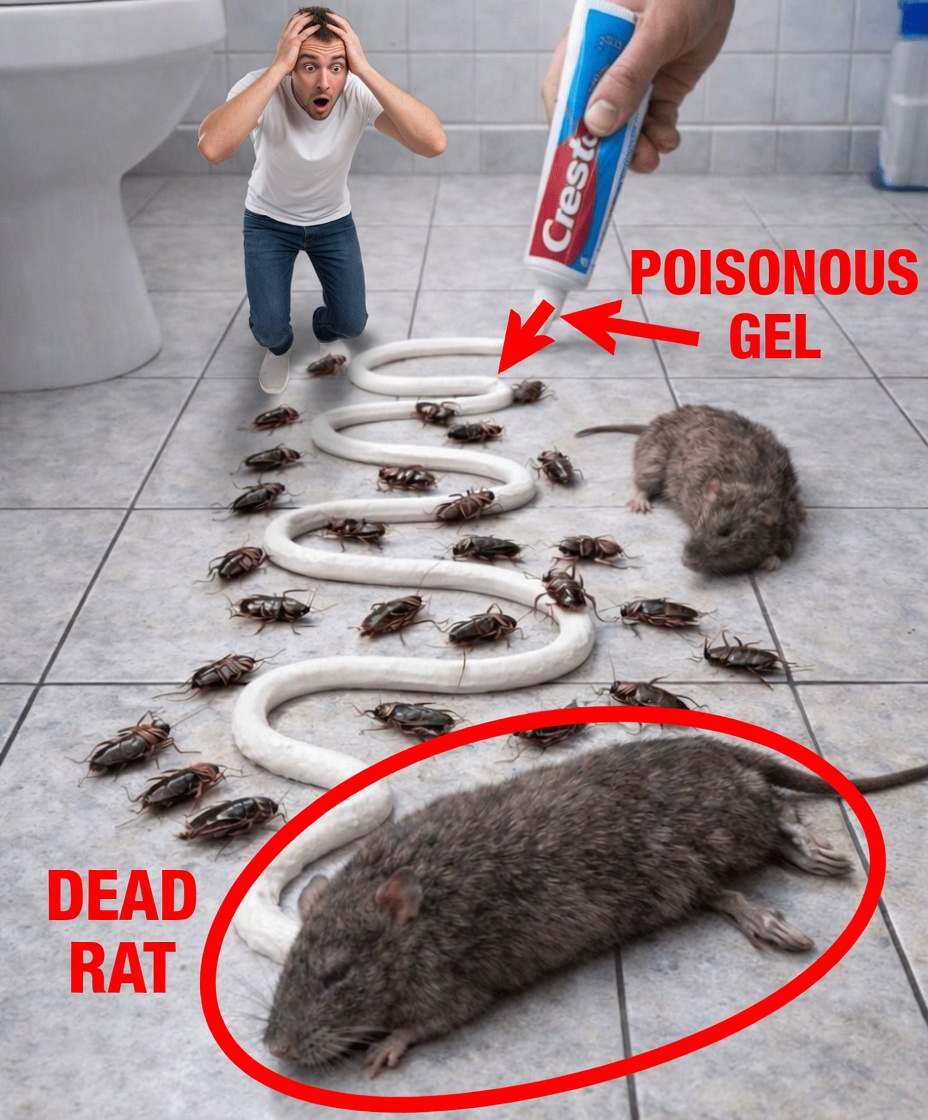
Beyond the frustration, the ongoing battle can add up to stress, repeat infestations, chemical exposure concerns, and never-ending costs. That’s why some homeowners experiment with surprisingly simple, low-cost ideas—like using mint toothpaste to create scented “barriers” pests may avoid. The strong mint aroma in many toothpastes may help disrupt pest movement in a straightforward, DIY way.
The Never-Ending Fight Against Household Pests
For millions of households, pests aren’t a one-time event—they’re a recurring problem. Surveys frequently show that most U.S. homes deal with some form of pest activity each year, and many families spend hundreds of dollars on products that only deliver short-term relief.
The mental load is real. Worries about food contamination, allergies, bites, and damage to wiring or insulation can make everyday routines—cooking, relaxing, even sleeping—feel interrupted. Many people try sprays, traps, or hiring help, only to see the same pests return. At the same time, there’s growing hesitation about harsh chemicals, especially in homes with children or pets.
That’s where toothpaste comes in: it’s inexpensive, widely available, and its minty scent is what makes it interesting as a potential deterrent.
Why the Peppermint Scent in Toothpaste May Deter Pests
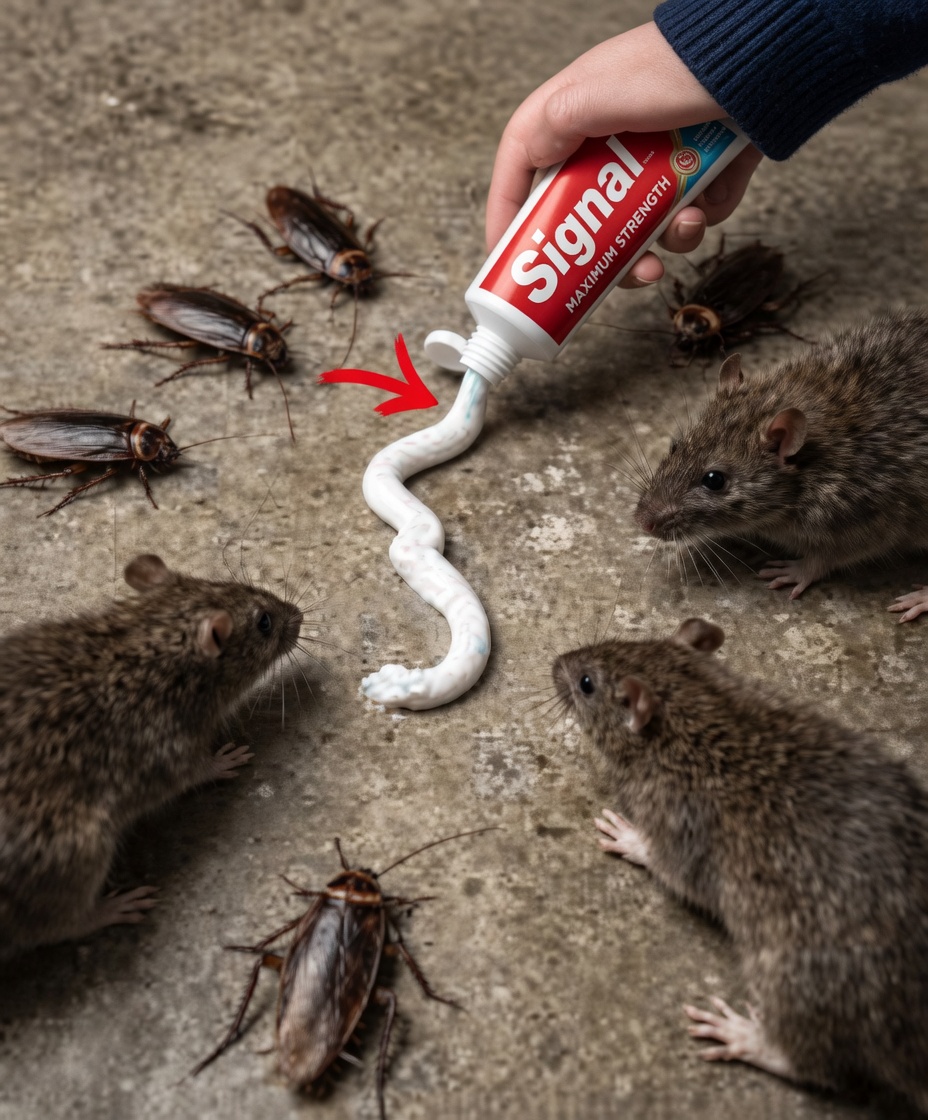
Peppermint contains menthol, a strong compound that can overwhelm the sensitive sensory systems many pests rely on. In theory, that scent may:
- Confuse ant trails by interfering with pheromone-based navigation
- Make areas feel “unsafe” or unpleasant for cockroaches
- Discourage mice that use smell to explore and identify routes
There is research suggesting peppermint oil can have repellent effects on certain insects, including impacts on ant behavior. However, results can vary widely and are often temporary—especially outside controlled settings.
Toothpaste is not peppermint oil, but it does have one practical advantage: it’s thick and easy to apply, and the scent can linger longer than many quick-drying sprays. Homeowners commonly describe reduced activity in specific spots—though it’s not a guaranteed fix. Its appeal is that it’s low-cost, low-effort, and low-risk as an experiment when paired with good prevention habits.
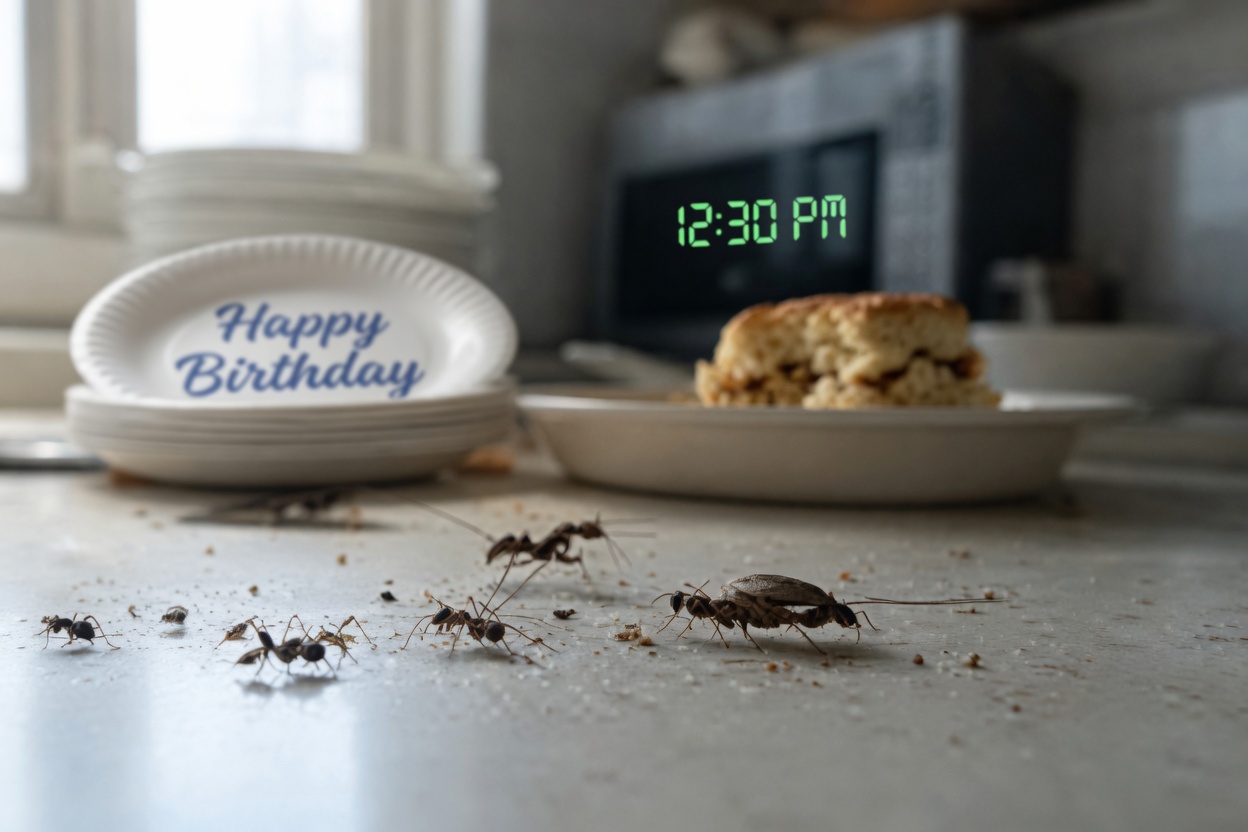
10 Practical Ways People Use Toothpaste to Deter Pests
Below are common methods shared by homeowners who test toothpaste as a DIY deterrent. Start with small areas first, observe results, and adjust as needed.
1) Create a Mint Barrier Along Baseboards and Entry Points
Pests often enter through tiny gaps around baseboards, door frames, and window edges. Some people apply thin lines or small dots of toothpaste along these areas to create a scented boundary.
A typical report: fewer visible ant trails within a few days in high-traffic areas like the kitchen.
2) Place Dots on Counter Edges and Inside Cabinets
When ants repeatedly cross counters or cabinet interiors, some homeowners use pea-sized dots along corners and edges where trails are common. The goal is to keep a lingering mint aroma in the places pests tend to travel.
One common outcome people describe: clearer counters for longer stretches between cleanups.
Quick reference:
- Baseboards/cracks: thin lines or dots → may interrupt entry routes
- Counters/cabinets: pea-sized dots → may disrupt trail movement
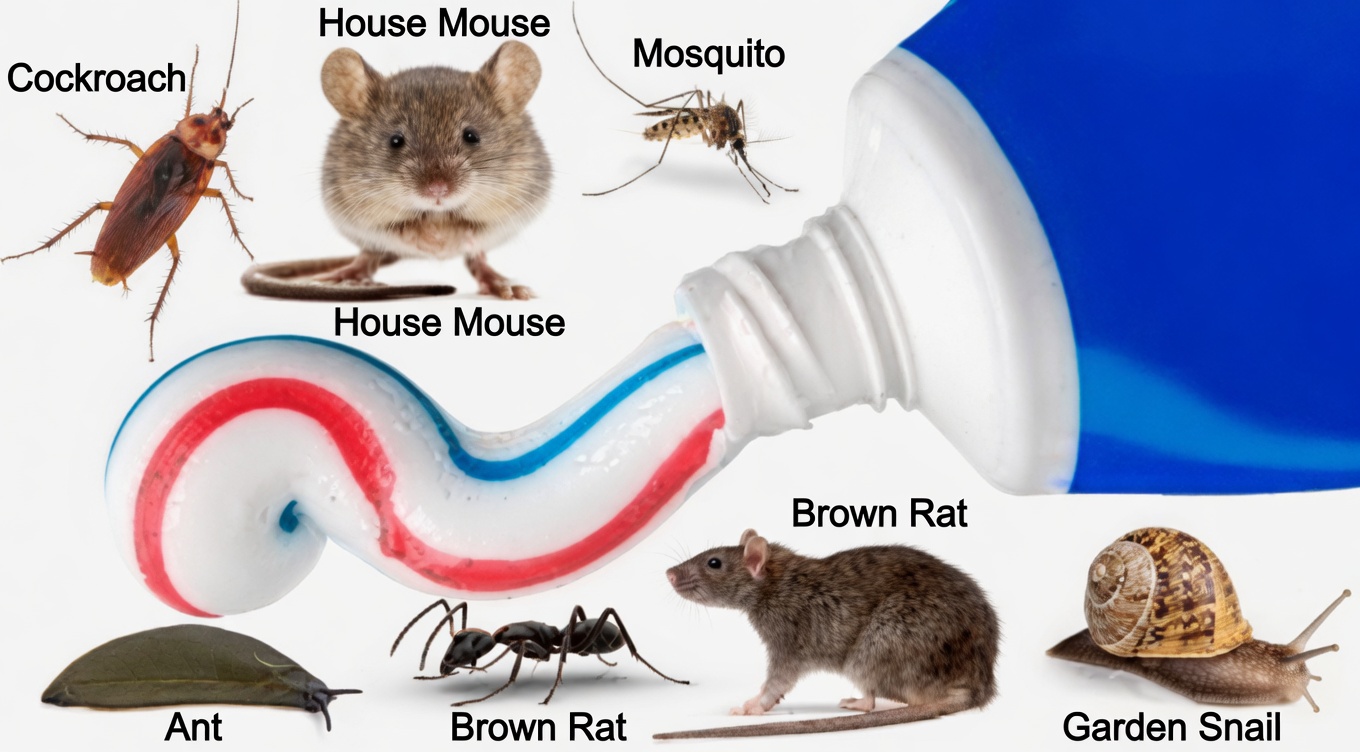
3) Add Light Protection in Pantry and Food Storage Areas
Finding pests around cereal, flour, or snacks can make the pantry feel unusable. Some people apply small toothpaste dots at shelf corners and along edges (away from food contact) to reduce activity.
Many reapply about once per week or whenever the scent fades.
4) Temporarily Fill Small Gaps Around Doors and Windows
Drafty gaps can be pest pathways. Some homeowners use toothpaste as a temporary scented filler for very small cracks. Once it dries, it can act like a short-term seal while also leaving a strong odor behind.
Important note: toothpaste is not a permanent sealant—many people combine this approach with proper caulk or weatherstripping.
5) Target Damp Bathroom Areas
Cockroaches often thrive around moisture—near sinks, tubs, and toilets. A common experiment is placing toothpaste dots near pipe entry points, base edges, and corners where humidity and hiding spots overlap.
People also like the “fresh” smell benefit in bathrooms.
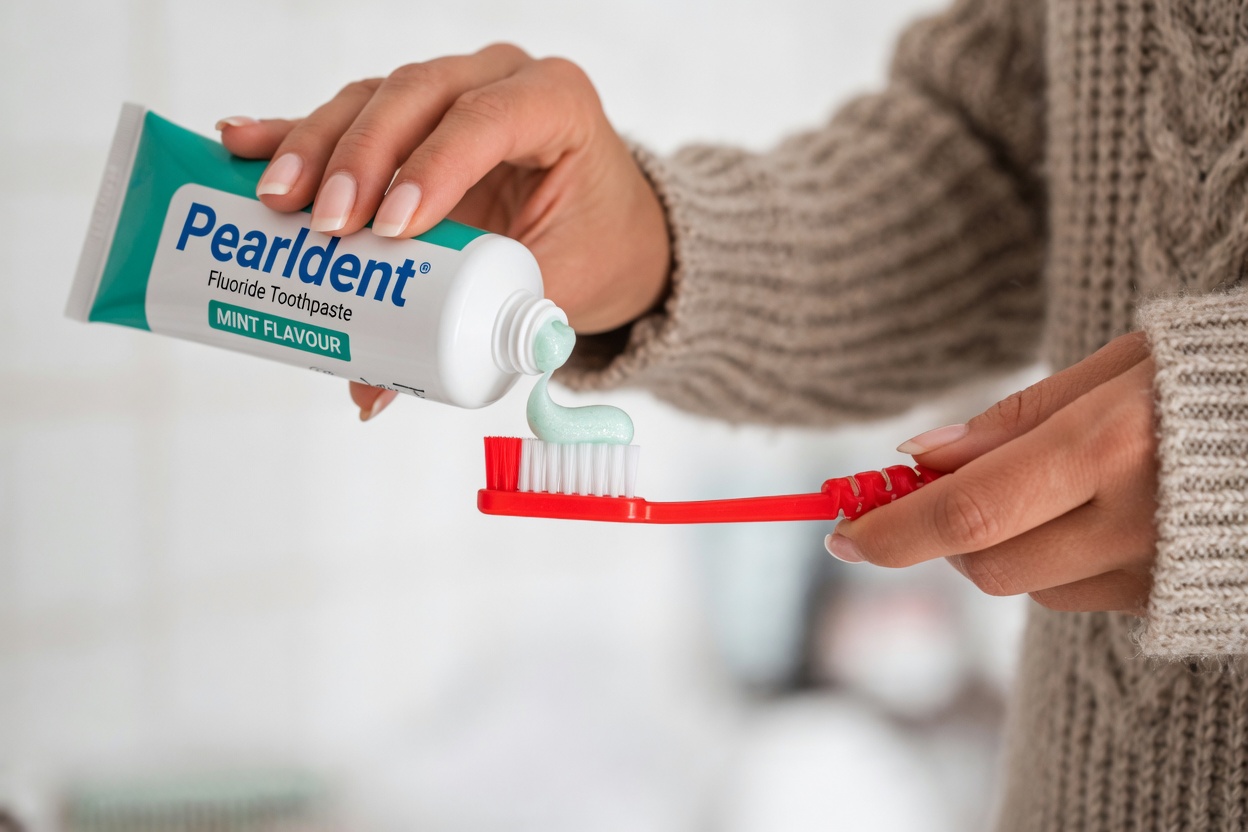
6) Use Along Garage and Basement Edges
Basements and garages can attract pests looking for warmth, storage clutter, or quiet nesting areas. Some homeowners apply toothpaste along:
- Floor-wall edges
- Storage shelf corners
- Areas where pests are frequently spotted
Reports often focus on fewer sightings near stored items and corners.
7) Treat Outdoor Thresholds and Foundation Cracks
Since many pests migrate indoors from outside, some people place toothpaste near:
- Door thresholds
- Visible foundation cracks
- Utility entry points (where safe and dry)
If trying this outdoors, many homeowners choose toothpaste types that hold up better in changing weather, though results vary.
8) Choose It as a Gentler Option in Homes With Kids or Pets
A major reason people try toothpaste is peace of mind. Compared with many chemical sprays, toothpaste typically doesn’t create harsh fumes or require specialized handling. For families seeking a softer first step, it can feel like a more comfortable experiment.
9) Combine Toothpaste With Other Natural Deterrents
Some homeowners claim better results when pairing toothpaste with other “natural helper” habits, such as:
- Wiping surfaces with vinegar
- Placing bay leaves in certain cabinets
- Improving airflow and reducing moisture
The idea is to make the environment less attractive while also adding scent-based disruption.
10) Make It a Routine, Not a One-Time Trick
Consistency is what many people say makes the biggest difference. Toothpaste scent fades, gets cleaned away, or dries out—so those who stick with it often refresh applications:
- Weekly in high-activity areas
- Bi-weekly or monthly in lower-risk zones
Turning it into a quick routine can reduce the “surprise infestation” feeling over time.
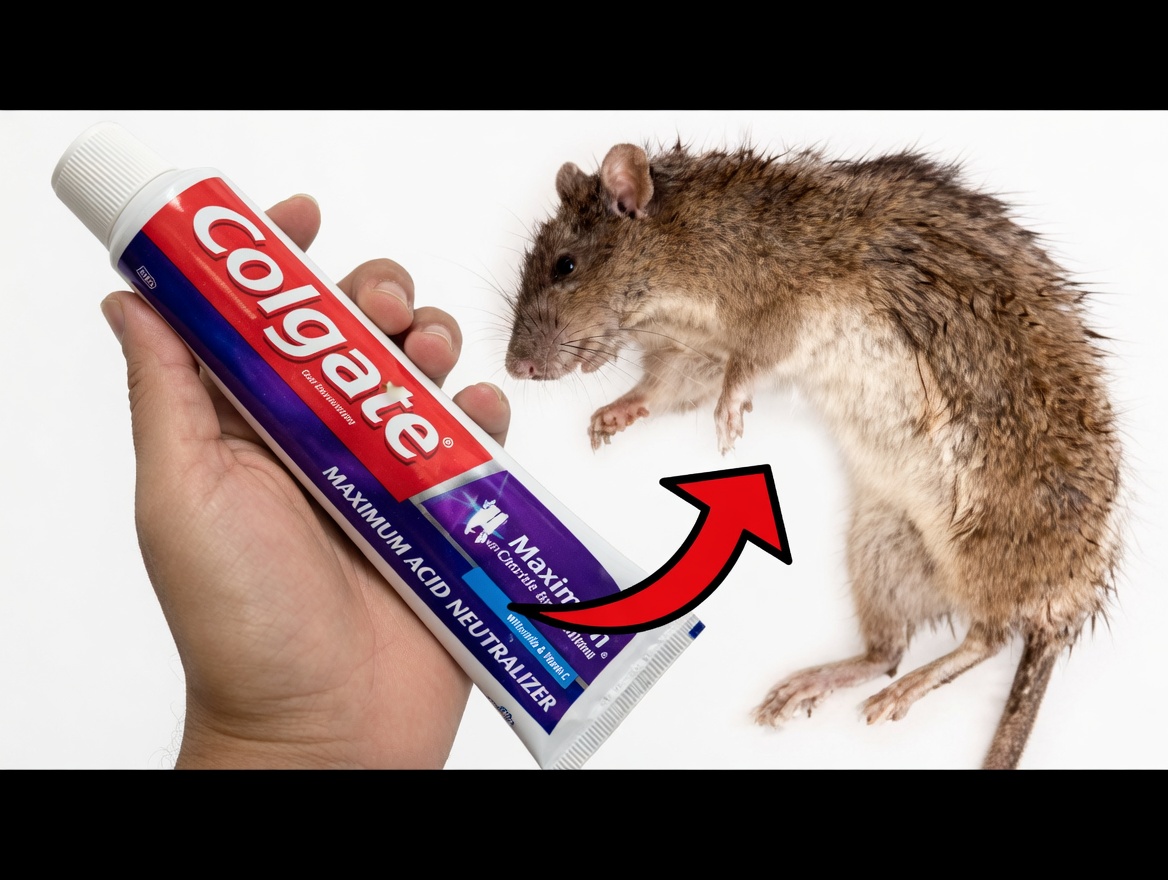
Toothpaste vs. Traditional Pest Control: A Simple Comparison
-
Cost
- Chemical products/exterminators: often ongoing, frequently $50+ over time
- Toothpaste approach: low-cost, pennies per use
-
Safety
- Chemical poisons: possible residue and exposure concerns
- Toothpaste approach: generally familiar household product (still keep out of reach)
-
Ease of use
- Chemical methods: may require careful handling or professional support
- Toothpaste approach: straightforward DIY application
-
Longevity
- Traditional options: can be temporary if root causes remain
- Toothpaste approach: also temporary and needs reapplication
The Habit That Can Actually Change the Outcome
A calmer home—fewer trails, fewer surprise sightings, fewer nighttime worries—usually comes from small actions done consistently, not one dramatic product purchase.
If you do nothing, the cycle often continues: recurring pests, repeated spending, and rising stress. If you experiment with a gentle barrier like mint toothpaste, your odds improve most when you pair it with prevention basics:
- Seal cracks properly (caulk, weatherstripping)
- Store food in tight containers
- Clean crumbs and grease routinely
- Reduce moisture and fix leaks
The real game-changer isn’t toothpaste alone—it’s consistency plus prevention that turns a simple idea into a practical routine.
Frequently Asked Questions
Does toothpaste really deter ants, cockroaches, or mice?
Many homeowners say the mint scent helps disrupt ant trails or makes certain areas less attractive to pests. Results vary based on the pest type, entry points, and overall cleanliness. It’s best viewed as a low-risk experiment, not a guaranteed solution.
Is toothpaste safe around children and pets?
In small applied amounts, toothpaste is generally considered low-risk, but it should still be kept out of reach to prevent swallowing. Avoid toothpaste containing xylitol, which can be dangerous to pets.
How often should you reapply toothpaste?
Common schedules are weekly or bi-weekly, or whenever the mint smell noticeably fades—especially in humid or high-traffic areas.
This article is for informational purposes only and is not a substitute for professional pest control advice. For severe or persistent infestations, consult a licensed exterminator.