
Coffee + Smart Add-Ins: A Simple Upgrade for Daily Vitality (Especially as You Age)
Coffee is a daily ritual for millions of people, and observational studies often link moderate coffee intake with a range of health-related associations. As we get older, however, the body can change in ways that affect nutrient absorption, inflammation signaling, circulation, and stress response—which is why small, gentle “upgrades” to your usual cup can be worth considering.
Certain evidence-backed compounds may work alongside caffeine by supporting things like blood vessel function, cellular energy production, gut balance, and antioxidant defenses. The most important approach: keep it simple, stay consistent, and start with small doses to gauge tolerance.

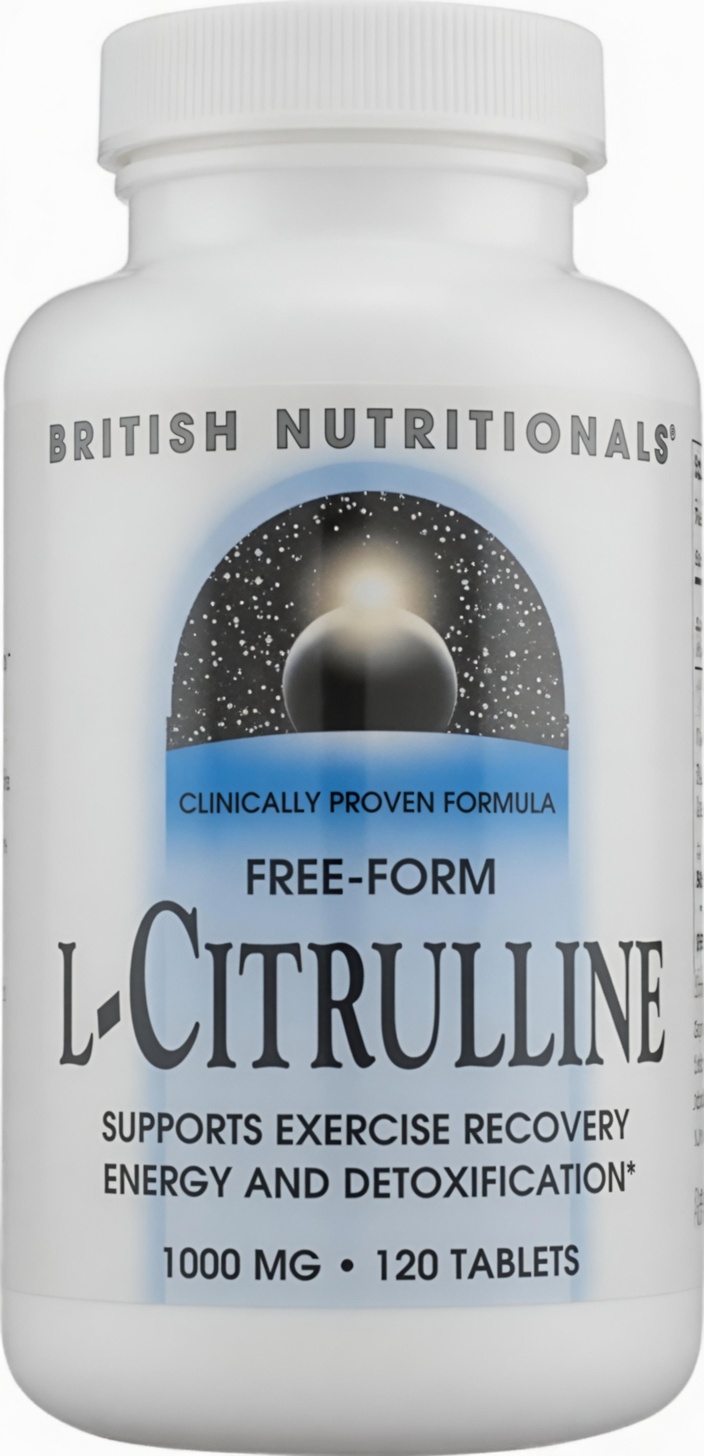
1) L-Citrulline: Circulation Support for Smoother, Steadier Energy
L-citrulline is an amino acid your body converts into L-arginine, a precursor for nitric oxide—a molecule involved in relaxing blood vessels and supporting healthy blood flow.
Research involving older adults suggests it may offer modest benefits for vascular function and exercise-related circulation. Some studies also explore potential improvements in endothelial function and blood pressure markers in specific populations (including postmenopausal women or active men).
- How to use it in coffee: Often nearly flavorless
- Typical amount: 3 g (about 1 teaspoon) mixed into black coffee
- Best practice: Start lower, then gradually increase to assess tolerance
2) Creatine Monohydrate: Muscle Maintenance + Cellular Energy (and Possible Cognitive Perks)
Although creatine is well known in sports nutrition, it also has strong relevance for aging. Creatine monohydrate supports energy availability by helping the body regenerate ATP, and research in older adults links it to better strength outcomes and potential support against age-related muscle loss (sarcopenia).
Some studies also examine creatine’s relationship to aspects of cognition, including short-term memory and processing speed, especially during periods of higher demand.
- Typical amount: 5 g daily (about 1 teaspoon)
- Mixing tip: Stir vigorously or use a frother for smoother texture
- What people often report: Daily tasks may feel easier after consistent use for weeks to months
3) Lion’s Mane Mushroom: A Popular Option for Focus and Memory Support
Lion’s mane is an edible mushroom containing compounds studied for their potential to influence nerve growth factor (NGF), which is involved in neuron health. Lab findings and early human research have led to interest in lion’s mane for focus, recall, and mood balance, particularly in older adults.
- Typical amount: 1–2 g
- Flavor profile: Earthy; pairs well with coffee
- Taste upgrade: Combine with cinnamon or cacao
4) Collagen Peptides: Joint, Connective Tissue, and Skin Support
Natural collagen production tends to decline over time, which can affect joint comfort, connective tissue resilience, and skin appearance. Hydrolyzed collagen peptides provide easily absorbed amino acids, and research suggests potential improvements in joint comfort, mobility, and skin elasticity over about 8–12 weeks.
- Typical amount: 10–15 g
- Why it’s coffee-friendly: Generally odorless and neutral tasting; dissolves well in hot liquid
5) Ceylon Cinnamon: A Gentle Tool for Blood Sugar Stability
Compared with the more common cassia cinnamon, Ceylon cinnamon is lower in coumarin and tends to taste naturally sweeter. Research suggests cinnamon may support glucose metabolism and help encourage a steadier post-meal energy curve.
- Typical amount: ½–1 teaspoon
- How to add: Stir directly into coffee or sprinkle into grounds before brewing
6) Inulin (Prebiotic Fiber): Supporting the Gut Microbiome
Inulin is a prebiotic fiber that feeds beneficial gut bacteria—important because gut microbial diversity can decline with age. Supporting the microbiome may help indirectly with digestion, immune function, and inflammation balance.
- Starter amount: 1 teaspoon (mildly sweet)
- Tolerance tip: Begin small to reduce the chance of early bloating
7) Moringa Powder: Nutrient-Dense Greens for an Antioxidant Lift
Moringa leaf powder contains antioxidants and key micronutrients, including vitamins A and C, plus minerals such as potassium and iron. Many people use it as a simple way to add a nutrient boost and help counter oxidative stress.
- Typical amount: ½–1 teaspoon
- Taste note: Grassy/green; easier with milk or cacao
8) Raw Cacao Powder: Magnesium + Mood-Friendly Compounds
Raw cacao provides magnesium (important for muscle and heart function) and naturally occurring compounds such as theobromine, which may feel smoother than caffeine for some people. It’s also widely used for its association with relaxation and mood support.
- Typical amount: 1 tablespoon
- Bonus: Creates a naturally mocha-like coffee flavor
9) Ashwagandha: An Adaptogen for Calm and Stress Resilience
Ashwagandha is often used for supporting the body’s stress response. Research explores its potential role in moderating cortisol patterns and promoting a steadier sense of balance.
- Typical amount: ½ teaspoon
- Taste tip: Can be bitter—blend with milk or a small amount of honey
10) Turmeric + Black Pepper: A Classic Pair for Inflammation Support
Turmeric contains curcumin, a compound studied for inflammation-related pathways. Pairing turmeric with black pepper (piperine) can significantly improve absorption—some studies cite increases up to 2000%. Adding a source of fat (like milk) may further support use.
- Typical amount: ½–1 teaspoon turmeric + a pinch of black pepper
- Flavor: Warm, slightly savory-spiced

Quick Comparison Table: Which Powder Fits Which Goal?
| Primary Concern | Recommended Powder(s) | Key Potential Support | Typical Timeline to Notice |
|---|---|---|---|
| Energy dips / fatigue | L-Citrulline + Ceylon Cinnamon | Circulation + glucose stability | 1–3 weeks |
| Mental fog / focus | Lion’s Mane + Raw Cacao | NGF support + magnesium/mood | 2–6 weeks |
| Joint stiffness | Collagen + Turmeric + Black Pepper | Connective tissue + inflammation support | 3–8 weeks |
| Muscle maintenance | Creatine + Collagen | ATP energy + structural support | 4–12 weeks |
| Daily stress | Ashwagandha + Raw Cacao | Cortisol balance + mood support | 2–4 weeks |
Simple Starter Blends (Easy and Consistent)
- Focus Blend: Lion’s Mane (1–2 g) + Ceylon Cinnamon (½ tsp)
- Joint & Muscle Blend: Collagen (10 g) + Creatine (5 g) + Turmeric (½ tsp) + pinch of black pepper
- Calm Energy Blend: Ashwagandha (½ tsp) + Raw Cacao (1 Tbsp)
- Circulation Blend: L-Citrulline (3 g) + Inulin (1 tsp)
Mixing + Taste Tips (So It Actually Feels Like Coffee)
- Neutral powders like L-citrulline, creatine, and collagen usually dissolve best with a quick stir or frother.
- Earthier options (like lion’s mane and turmeric) tend to blend better with cacao or milk.
- Choose one powder based on your top priority—consistency matters more than stacking.
- A handheld frother for 10–15 seconds can create a smoother, café-style texture.
Takeaway
You don’t need to overhaul your routine to get more out of your daily coffee. A small, targeted add-in—chosen for your most relevant goal—can make your cup feel more supportive over time. Many people notice gradual improvements with steady use in about 4–8 weeks.
FAQ
Can I use these powders in any kind of coffee?
Yes. Most work well in black coffee, drip coffee, and instant coffee. Hot liquid helps dissolve powders, and frothing improves texture.
How quickly will I feel a difference?
It varies by person and ingredient. Some notice subtle changes in 1–3 weeks, while others report clearer effects after 4–12 weeks of consistent use.
Is it safe to combine multiple powders?
It’s smarter to begin with one to assess tolerance. If you plan to stack several—especially with health conditions or medications—check with a healthcare professional first.
Medical Disclaimer
This article is for informational purposes only and is not medical advice. Speak with your healthcare provider before adding supplements, particularly if you have medical conditions, take medications, or have concerns involving kidney function or blood pressure.