
Digestive discomfort—such as bloating, occasional constipation, excess gas, or a heavy feeling after meals—can quietly drain your energy and disrupt daily life. In many cases, these symptoms are linked to slow intestinal transit or an imbalanced gut environment. If you’re looking for gentle, everyday strategies to support regularity, oregano is a simple kitchen herb that may be worth considering as part of a broader digestive wellness routine.
In this guide, you’ll explore oregano’s traditional role in digestive support, a practical herbal drink that pairs it with complementary ingredients, and easy ways to use it mindfully—along with what early research suggests about these natural helpers.

Oregano: A Supportive Herb for Digestive Comfort
Oregano (Origanum vulgare) is widely known as a culinary staple, but it also contains naturally occurring essential oil compounds—especially carvacrol and thymol—that have attracted interest for their potential role in maintaining a healthier intestinal environment.
Across traditional herbal practices, oregano has been used to:
- Ease occasional digestive sluggishness
- Reduce uncomfortable gas and bloating
- Encourage more comfortable, regular bowel movements
Rather than acting like harsh stimulant laxatives, oregano is often described as milder and more regulating, making it appealing for people who want gradual support instead of an aggressive effect.
Some animal-based research suggests oregano essential oil may help support gut barrier integrity and influence the microbial balance in the digestive tract (for example, studies in pigs and other models report changes in intestinal structure and reductions in certain bacteria). In addition, oregano’s antioxidant activity may provide broader wellness support.
Key Oregano Compounds That May Support Colon Function
Oregano’s digestive reputation is largely tied to its plant compounds, which align with common gut-health goals:
- Carvacrol and thymol for antimicrobial-type support
- Potential support for bile flow and digestive processes
- Mild encouragement of intestinal motility
- Phenolic antioxidants that help counter oxidative stress
- Possible help reducing excess fermentation that contributes to gas
While much of the detailed data comes from lab and animal studies, these findings help explain why oregano is traditionally viewed as a gentle option for digestive comfort.
How Oregano May Help When Digestion Feels “Stuck”
When intestinal transit slows, food residue can linger longer than ideal. This may lead to increased fermentation and symptoms like:
- Gas and bloating
- Abdominal heaviness
- Irregular bowel movements
Oregano’s active compounds may support the gut by:
- Encouraging natural peristalsis (wave-like movement of the intestines)
- Helping manage overgrowth of less-desirable microbes
- Supporting a steadier internal environment
Animal research also suggests oregano may help reduce certain inflammatory markers while supporting the gut barrier—factors that can contribute to improved comfort and regularity. For most people, it’s best seen as periodic support, not something to depend on daily long term.
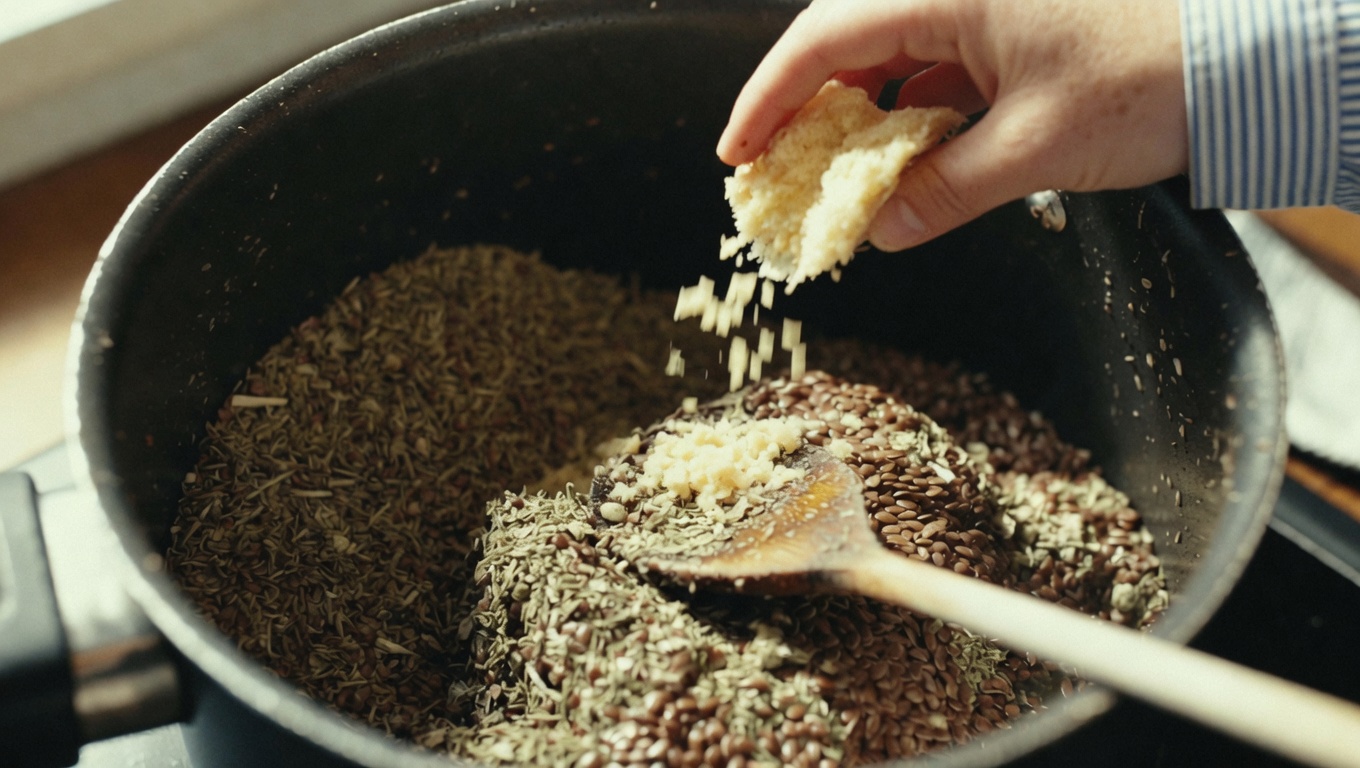
A Simple Oregano-Based Drink for Gentle Colon Support
This straightforward herbal infusion uses oregano as the base and combines it with ingredients often associated with soothing, fiber-forward digestive support.
Ingredients (1 serving)
- 1 tablespoon dried oregano (whole leaves or lightly crushed)
- 1 tablespoon whole flaxseeds
- 1 teaspoon fresh ginger, grated
- 250 ml (about 1 cup) water
- Juice of ½ fresh lemon
- 1 teaspoon honey (optional)
How to Prepare (Step by Step)
- Heat the water in a small pot until it reaches a gentle boil.
- Add the dried oregano and flaxseeds.
- Lower the heat and simmer for about 5 minutes.
- Turn off the heat and mix in the grated ginger.
- Cover and let it steep for 10 minutes.
- Strain using a fine mesh strainer or cheesecloth.
- Stir in lemon juice and honey (if using).
- Drink warm, ideally on an empty stomach.
How to Use It in a Routine
- Use for 5 consecutive days, then take a 7-day break
- Repeat only if it feels supportive for your body
- Drink plenty of water daily (many people aim for around 2 liters, adjusted for individual needs)
This approach keeps things simple and accessible, using everyday ingredients and minimal tools.
Why Oregano, Flaxseed, Ginger, and Lemon Pair Well
Flaxseed
Flaxseeds contain soluble fiber that absorbs water and forms a gel-like texture, which may help:
- Soften stool
- Increase stool bulk
- Encourage smoother elimination
Research suggests consistent fiber intake from sources like flaxseed can support occasional constipation and improve regularity.
Ginger
Ginger is often used to support digestion by helping:
- Stimulate digestive activity
- Promote stomach emptying
- Reduce feelings of fullness or mild discomfort
It also has a long history of use for calming mild nausea and supporting overall gut motility.
Lemon
Fresh lemon juice contributes flavor plus vitamin C and antioxidants. It may also support digestive signaling and make the drink more enjoyable and refreshing.
Together, this combination emphasizes gentle movement + hydration support + plant compounds, rather than harsh “cleansing.”

Potential Benefits of This Herbal Infusion
Based on traditional use and emerging research around the individual ingredients, this blend may help support digestive wellness in several ways:
- Encouraging more regular bowel movements
- Reducing occasional bloating
- Minimizing excess gas
- Supporting comfort after heavier meals
- Promoting a more balanced gut environment
- Supporting natural bile activity
- Helping reduce excessive fermentation
- Supporting nutrient breakdown and digestion
- Encouraging the body’s natural waste elimination
- Reducing the “heavy” or sluggish feeling
- Supporting overall wellness through antioxidants
- Improving day-to-day comfort tied to digestion
- Helping calm mild digestive irritation
- Supporting periodic “reset” routines gently
- Offering a comfortable option for slow transit
- Providing plant-based protective compounds
- Easing occasional digestive discomfort
- Encouraging more mindful eating patterns (by improving comfort)
- Supporting connected digestive organs as part of a healthy routine
- Promoting an overall sense of lightness and well-being
Individual responses differ, and these effects are supportive rather than curative.
Signs You May Need Extra Digestive Support
Consider paying closer attention to your habits if you often experience:
- Occasional constipation or irregular stool patterns
- A feeling of incomplete elimination
- Frequent bloating or visible distension
- Ongoing mild gas
- Persistent bad breath with no clear cause
- Low energy that seems linked to meals
- Slow, heavy digestion after eating
Hydration, fiber, and daily movement can make a major difference, and gentle herbal options may complement those foundations.
Practical Tips to Improve Results
- Prioritize hydration: Fiber works best with enough fluids.
- Choose whole foods: Vegetables, fruit, legumes, and whole grains provide natural fiber.
- Cut back on ultra-processed foods: High-sugar and refined foods may worsen sluggishness.
- Move every day: Even a 30-minute walk can stimulate gut motility.
- Adjust based on feedback: Reduce frequency or portion size if your stomach feels sensitive.
Long-term digestive comfort usually comes from consistent lifestyle basics, with herbs acting as supportive tools.
Precautions and Safety Notes
- Speak with a healthcare professional before trying this if you are pregnant, breastfeeding, or managing digestive conditions (such as severe inflammation).
- Stop use and seek medical advice if you develop strong abdominal pain, severe symptoms, or worsening discomfort.
- This drink is not a substitute for medical diagnosis or prescribed treatment.
- Start with a smaller amount if you’re sensitive or trying it for the first time.
Natural approaches are most helpful when used responsibly and in context.
Conclusion
Oregano is more than a seasoning—it’s a traditional herb rich in compounds that may gently support digestive comfort and regularity when used thoughtfully. Combined with flaxseed, ginger, and lemon in a simple warm infusion, it can be an easy-to-prepare option for periodic gut support within a balanced lifestyle.
For lasting results, focus on sustainable habits: hydrate consistently, eat fiber-rich whole foods, and stay physically active. Small daily choices often create the biggest improvements over time.
Disclaimer: This content is for informational purposes only and does not provide medical advice. Consult a qualified healthcare professional before trying new remedies, particularly if you have health conditions or take medications.
Frequently Asked Questions (FAQ)
Can I drink this oregano preparation every day?
It’s generally better to use it periodically (for example, 5 days on, 7 days off) to avoid over-reliance and to monitor how your body responds.