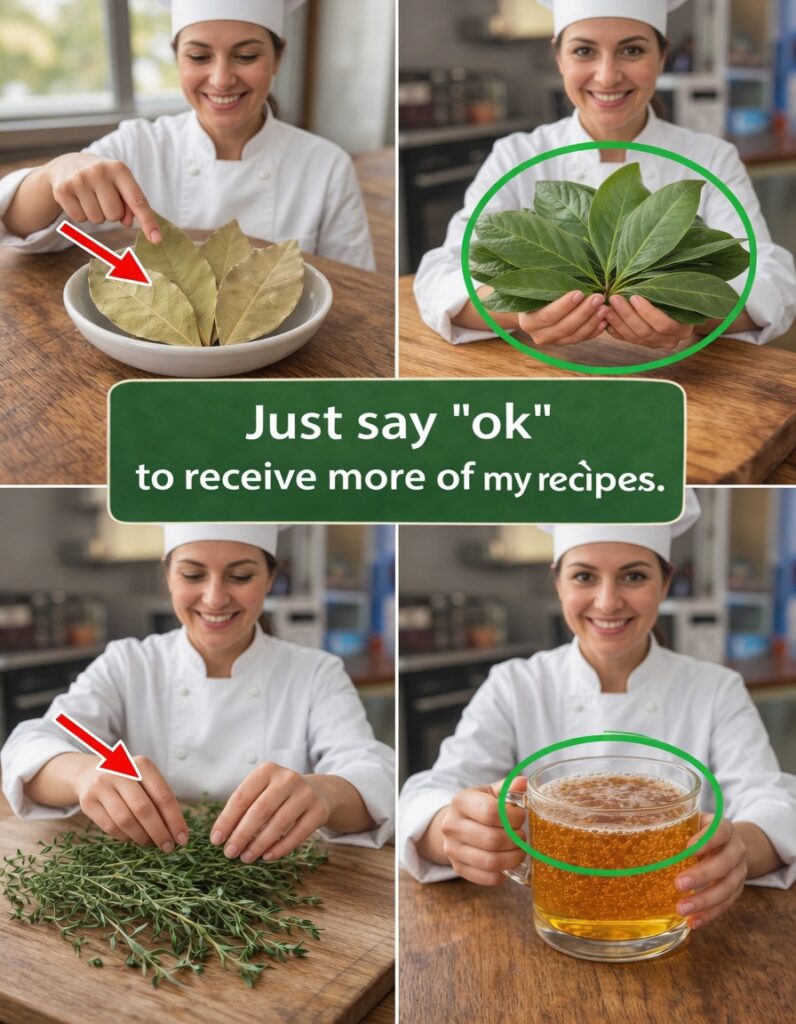
A Gentle Herbal Tea Ritual for Calm and Digestive Comfort
Modern life moves quickly, and many of us look for simple, natural ways to support everyday wellness—especially when we feel a bit uneasy after meals, experience occasional bloating, or just want a calming evening routine. Across many cultures, traditional herbal tea blends have remained popular because they’re easy, comforting, and built around everyday plants.
One warm, caffeine-free option that continues to earn appreciation is a fragrant infusion made from oregano poleo, bay leaves, and guava leaves. It’s not a “miracle cure,” but a soothing drink that fits beautifully into a balanced lifestyle—particularly as a post-meal companion or a gentle wind-down at night.
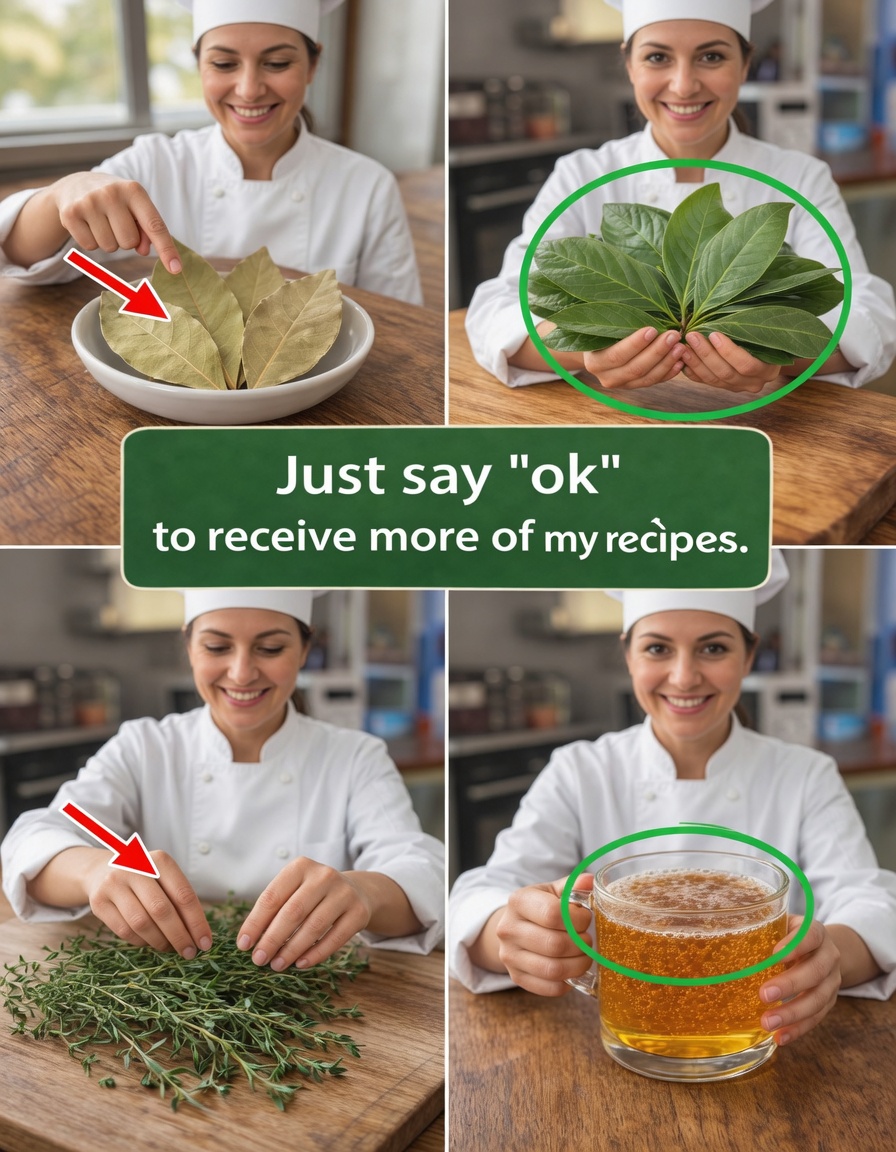
Why This Oregano Poleo, Bay Leaf, and Guava Leaf Infusion Stands Out
What makes this herbal infusion special is its simplicity and the way three familiar leaves come together into one aromatic cup:
- Oregano poleo (Lippia graveolens)—sometimes called Mexican oregano—has a brighter, more citrus-forward aroma than Mediterranean oregano. In Latin American folk traditions, it’s often associated with warming, comforting qualities.
- Bay (laurel) leaves add a deep, savory fragrance and have long been used in kitchens and home remedies connected with digestive ease.
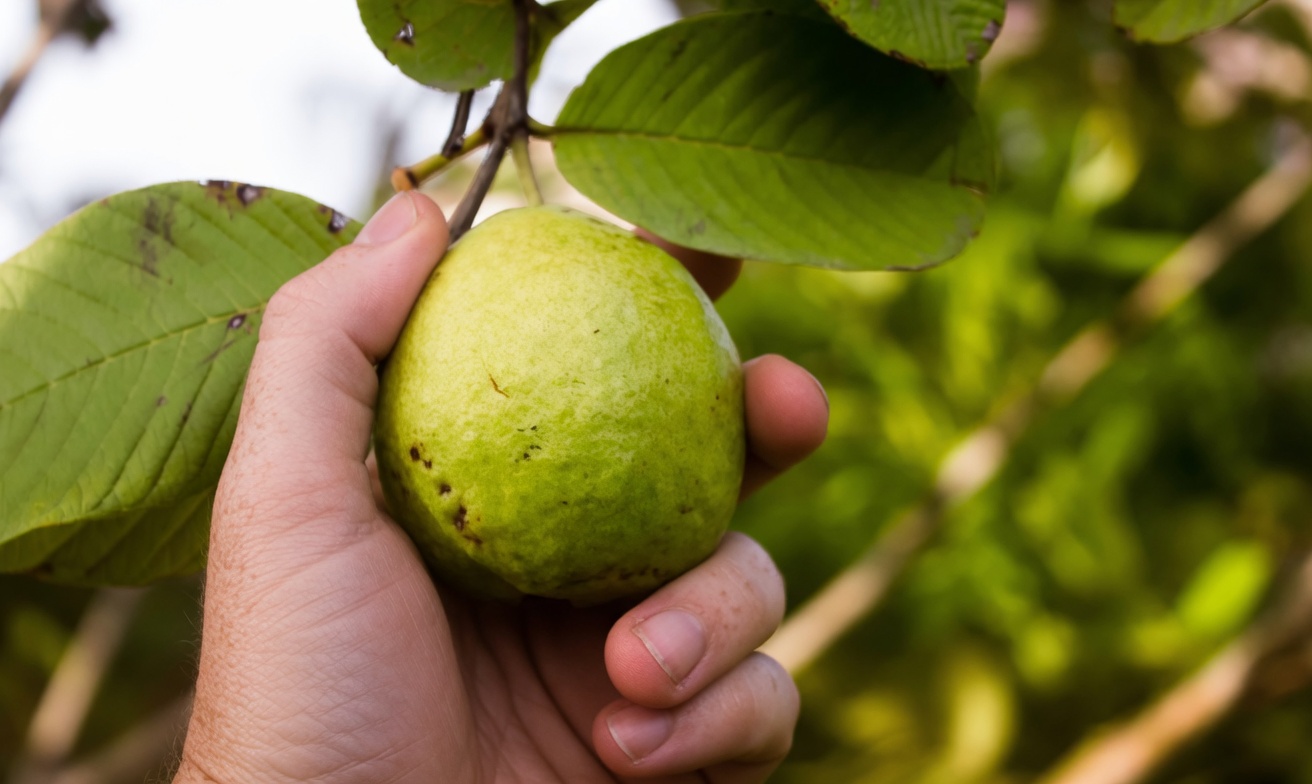
- Guava leaves bring a mild, earthy note and are widely valued in traditional practices for their naturally occurring compounds, including antioxidants.
Steeped together, these leaves create an easy, home-friendly herbal tea that encourages hydration, mindfulness, and a calm pause—much like other well-known herbal infusions such as chamomile or peppermint.
Traditional Uses and Why People Enjoy Drinking It
Scientific research on this exact three-leaf combination is still limited. However, each ingredient has a long history in traditional use, and some preliminary research has explored individual plants. Here are the most common reasons people enjoy this blend:
- Digestive comfort (traditional association): Bay leaf is frequently mentioned in folk practices for supporting a more comfortable feeling after eating, especially when meals feel heavy.
- Antioxidant support: Guava leaves are known for containing polyphenols and flavonoids, which contribute to their reputation for supporting overall balance against everyday oxidative stress.
- Soothing aroma and seasonal comfort: Oregano poleo is prized for its warming, herbal scent and is traditionally linked with relaxation and gentle respiratory comfort during seasonal shifts.
- A calming hydration ritual: Beyond the plants themselves, the simple act of slowly sipping a warm tea can help many people feel more grounded and relaxed.
These are traditional associations, not guaranteed medical outcomes—but they help explain why this infusion remains a favorite among those who prefer plant-based routines.
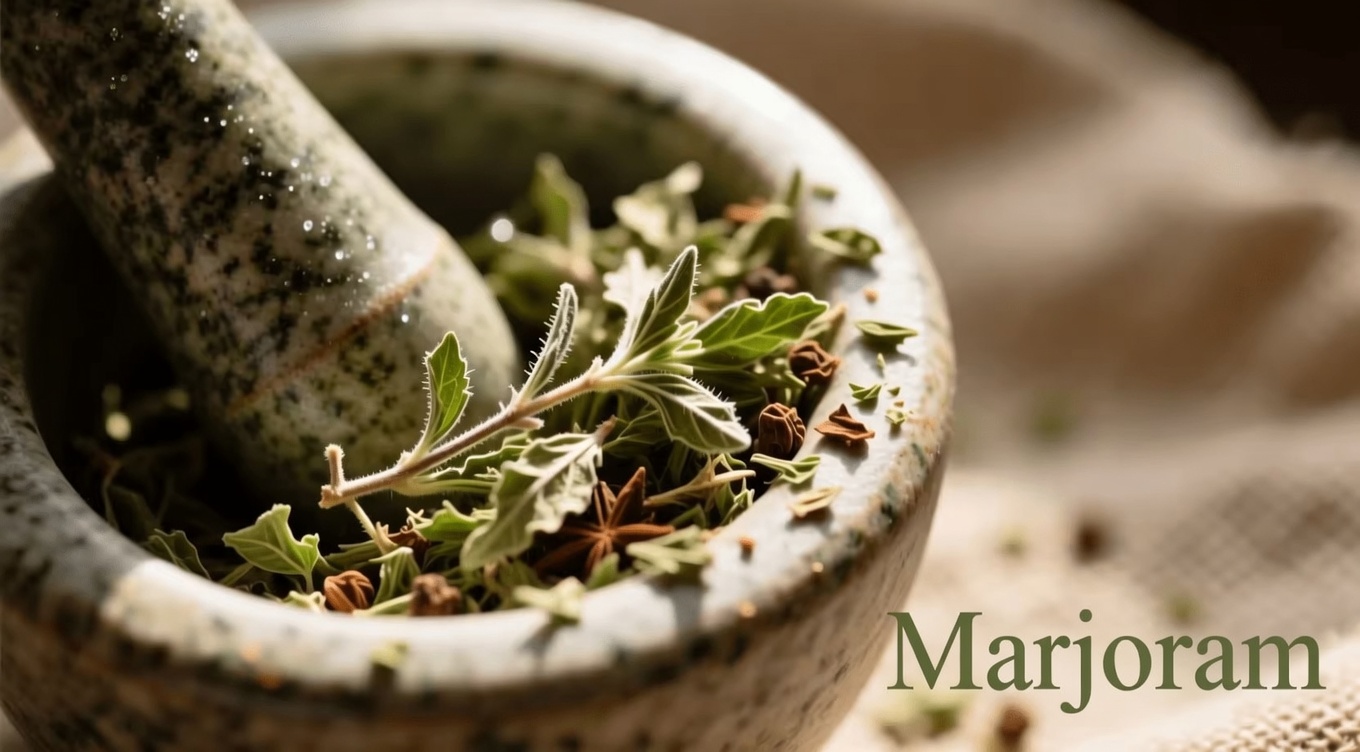
The 3 Key Ingredients (and Their Traditional Roles)
This blend is budget-friendly and easy to source because it relies on widely available leaves:
- Oregano poleo leaves: Bright, lemony-herbal flavor; traditionally appreciated for warmth and general comfort.
- Bay (laurel) leaves: Common cooking herb; often used in home traditions connected with post-meal support.
- Guava leaves: Naturally rich in tannins and antioxidants; frequently brewed as tea in tropical regions.
How to Make the Herbal Infusion (Step-by-Step)
This oregano poleo, bay leaf, and guava leaf tea is quick to prepare and doesn’t require special equipment.
Ingredients (Makes about 4 cups)
- 4 fresh or dried oregano poleo leaves
- 4 bay (laurel) leaves
- 6 guava leaves (fresh is often preferred for flavor)
- 4 cups (1 liter) filtered water
- Optional: 1 teaspoon honey (add after the tea cools slightly)
Instructions
- Rinse the leaves well under cool running water to remove dust or residue.
- Bring the water to a gentle boil in a pot.
- Add oregano poleo, bay leaves, and guava leaves.
- Lower the heat and simmer for 8–10 minutes.
- Remove from heat, strain, and pour into mugs or a teapot.
- Drink warm, slowly, and mindfully.
If you want to fine-tune the flavor, adjust the simmer time:
- Shorter simmer = lighter, milder taste
- Longer simmer = stronger aroma and deeper herbal notes
How to Make This Tea a Consistent Wellness Habit
If you’d like to turn this infusion into a steady routine, keep it simple:
- Begin with one cup per day (many people prefer after dinner).
- Store dried leaves correctly in an airtight container away from heat and light.
- Pair with healthy basics like balanced meals, daily movement, and adequate water intake.
- Pay attention to your body—if anything feels uncomfortable, reduce the amount or stop.
For many people, the biggest benefit is the ritual itself: boiling water, steeping herbs, and taking a quiet break from the day.
Easy Variations (Without Losing the Traditional Feel)
To keep the practice interesting, you can personalize it in small ways:
- Add fresh ginger for extra warmth in cooler seasons.
- Include one cinnamon stick for a gently sweet aroma.
- Chill the strained tea for a refreshing iced herbal infusion in warm weather.
Final Thoughts: Simple Traditions, Everyday Support
This oregano poleo, bay leaf, and guava leaf infusion reflects what many people love about traditional herbal tea routines: accessible ingredients, easy preparation, and a gentle focus on daily balance. Whether you’re drawn to its comforting fragrance or the calming act of brewing it, this tea offers a practical way to add a soothing moment to a busy schedule.
Frequently Asked Questions
Can I use dried leaves instead of fresh?
Yes. Dried leaves work well and can taste more concentrated. If the dried herbs are especially potent, start with about half the amount and adjust to your preference.
How often can I drink this herbal infusion?
Many people enjoy 1–2 cups per day as part of a routine. Start with one cup and see how you feel before increasing.
Is this herbal tea safe for everyone?
Herbal infusions are often well-tolerated, but individual responses differ. If you are pregnant, nursing, taking medications, managing a health condition, or have plant allergies, consult a qualified healthcare professional before use.
Disclaimer: This article is for informational purposes only, based on traditional practices and general herbal knowledge. It is not intended to diagnose, treat, cure, or prevent any disease. Herbal teas should complement—not replace—a healthy lifestyle and professional medical care. Always consult a qualified healthcare provider before starting any new herbal regimen, especially if you have existing conditions or take medications.