Joint stiffness that lasts for hours, fingers that feel puffy before the day even starts, and exhaustion that sleep can’t solve can gradually drain both your body and your resilience. Rheumatoid arthritis (RA) isn’t only about painful joints—it can spill into your career, family responsibilities, social life, and emotional health. With constantly evolving research and an expanding list of treatment choices, it’s easy to feel behind or unsure.
The encouraging reality is that RA treatment is advancing fast—and by the end of this article, you’ll learn a practical approach many people overlook when discussing new medications with their clinician.
Rheumatoid Arthritis, Explained Simply
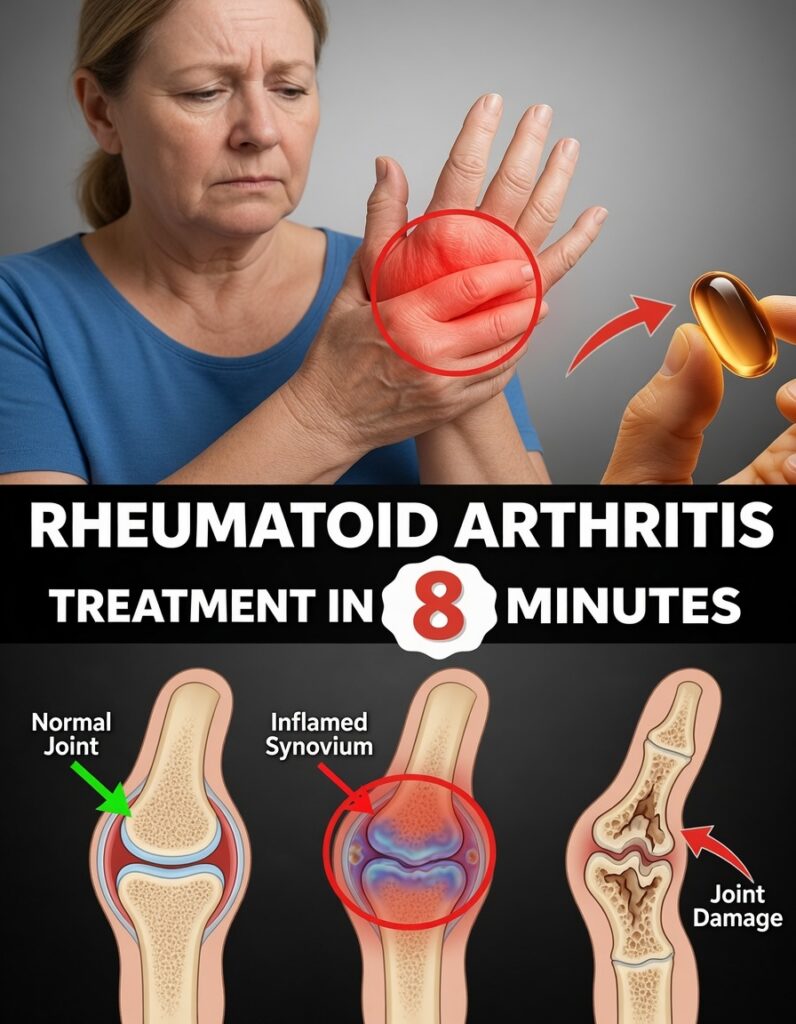
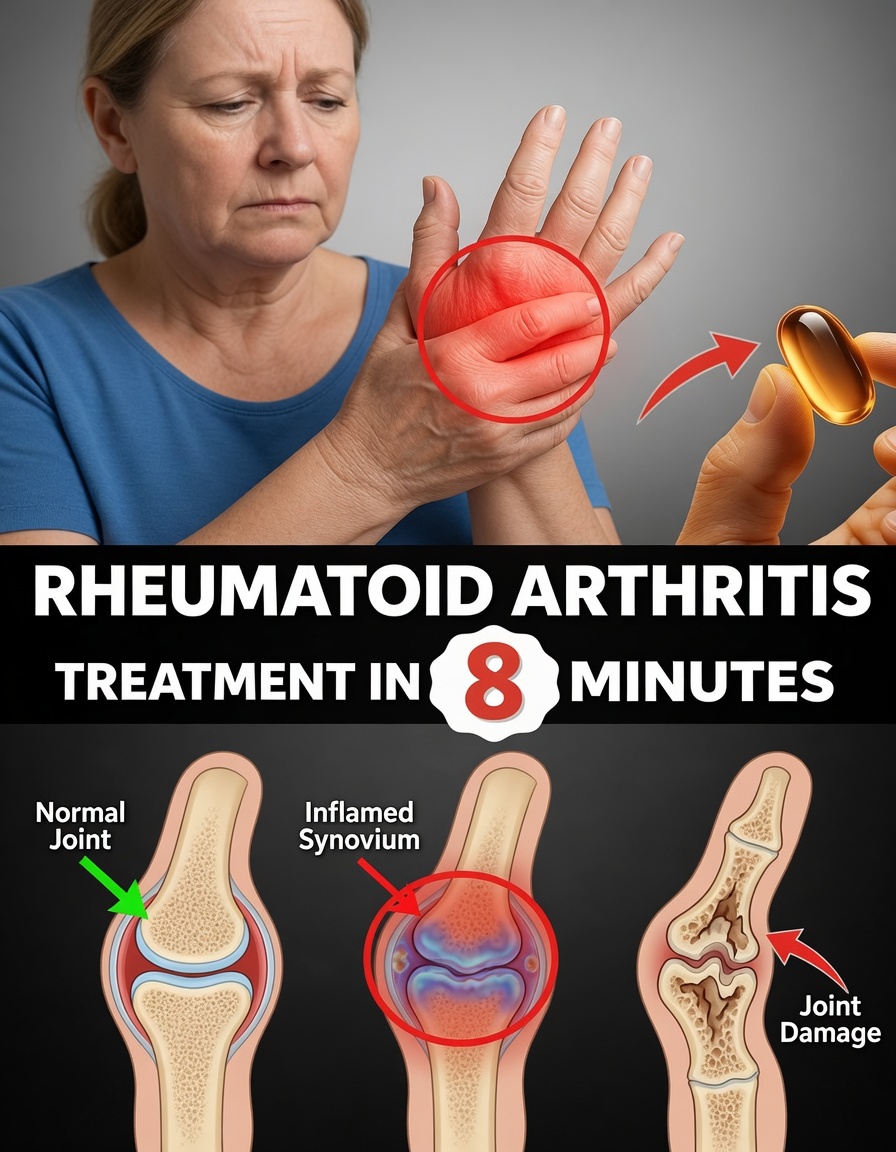
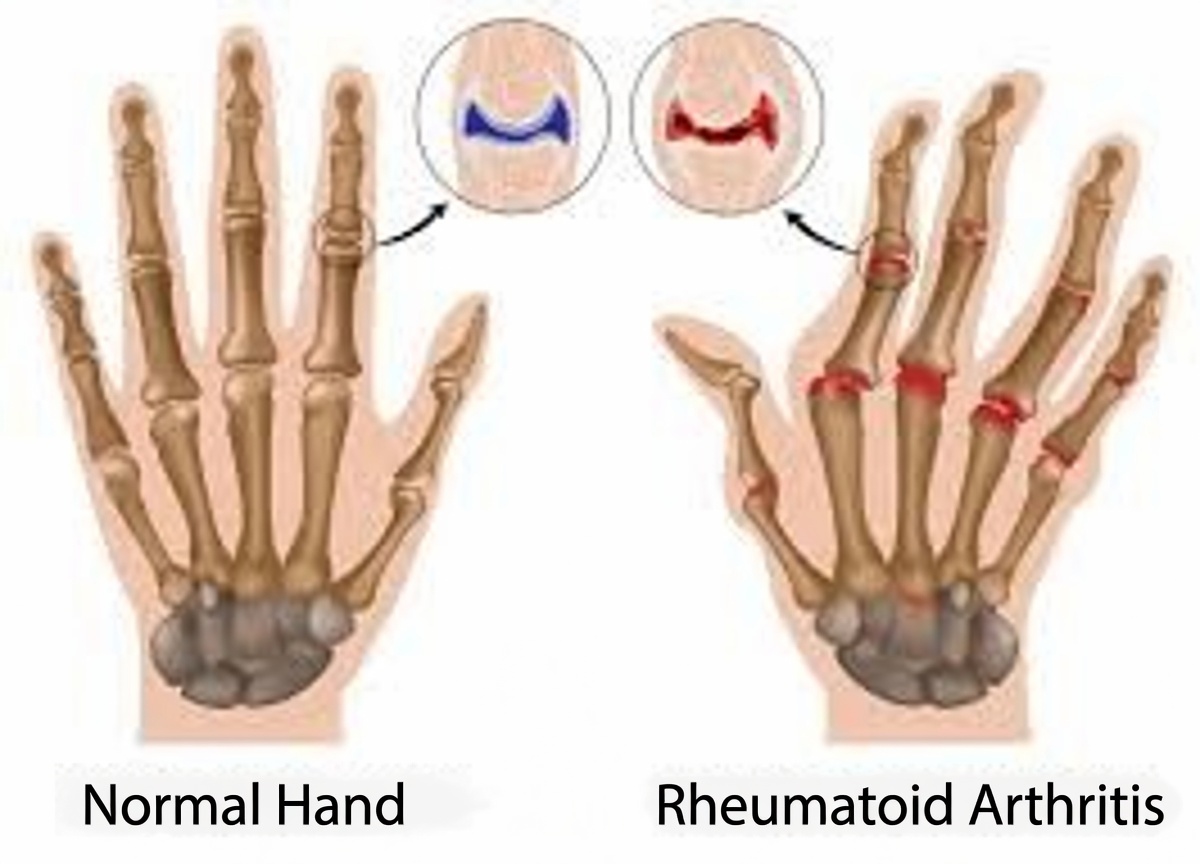
Rheumatoid arthritis is an autoimmune disease. In everyday terms, that means your immune system—built to defend you from infections—becomes misdirected and attacks the joint lining (synovium).
As inflammation persists, it can cause:
- Joint pain and tenderness
- Swelling and warmth
- Stiffness (especially in the morning)
- Reduced range of motion and daily function
- Ongoing fatigue, and sometimes effects beyond the joints
What has changed dramatically over the last 20 years is scientific understanding. Researchers have identified many of the immune pathways that drive RA, leading to more targeted therapies rather than broad immune suppression.
But progress isn’t only about new drugs—it’s also about treating earlier and with more precision.
How Rheumatoid Arthritis Care Has Changed Over Time
In the past, RA care often centered on symptom relief and slowing visible joint damage. Today’s approach is much more proactive and goal-driven.
Modern RA management commonly includes:
- Detecting inflammation early
- Tracking symptoms and lab markers regularly
- Adjusting treatment based on response (not “waiting it out”)
- Prioritizing long-term mobility, independence, and quality of life
Multiple studies in leading rheumatology publications link early, consistent inflammation control to better long-term joint outcomes. Put simply: timing is a major factor.
This is where updated guidelines and newer medication options become especially relevant.
New Rheumatoid Arthritis Medicines Reshaping Treatment
In recent years, several newer medication classes have gained momentum because they act on specific immune targets, rather than suppressing the immune system broadly.
Below is a clear breakdown of the most discussed categories.
1) Biologic Therapies
Biologics are engineered proteins designed to block specific inflammatory messengers involved in RA. They’re often considered when traditional medications do not provide enough control.
Biologics may target:
- Tumor necrosis factor (TNF)
- Interleukin-6 (IL-6)
- B cells and other immune components involved in activation
For many patients, research shows biologics can:
- Decrease swelling and pain
- Improve physical function
- Help prevent progression when used appropriately
Because they affect immune activity, they typically require ongoing monitoring and careful discussion of potential side effects with a qualified clinician.
2) Targeted Synthetic Medications (Including JAK Inhibitors)
A newer wave of oral drugs—often referred to as targeted synthetic DMARDs, including JAK inhibitors—works by blocking internal signaling pathways that amplify inflammation.
Why many patients pay attention to these options:
- They are typically taken by mouth, not infusion or injection
- Some patients experience a faster onset of symptom relief compared with older approaches
Clinical trials have reported meaningful improvements in swelling and daily function for selected patients. However, most guidelines stress the importance of:
- Careful risk assessment
- Appropriate patient selection
- Continued follow-up and evaluation over time
What this means in real life: treatment choices are expanding, but the “best” option depends on factors like your age, overall health, other medical conditions, and past medication response.
Traditional vs Newer Options: A Clear Comparison
Here’s a simplified way to understand how these categories differ.
-
Traditional disease-modifying drugs (DMARDs)
- Often the first-line approach
- Usually oral
- More broad immune modulation
- Backed by decades of real-world data
-
Biologic therapies
- Typically injected or infused
- Target specific inflammatory proteins
- Often used if traditional DMARDs aren’t sufficient
- Require consistent monitoring
-
Targeted synthetic medications (e.g., JAK inhibitors)
- Generally oral
- Block specific immune signaling pathways
- Can act relatively quickly for some individuals
- Require careful risk review and ongoing evaluation
No single category is universally “better.” The strongest RA plan is individualized, and many people do well with combination strategies guided by continuous assessment.
Why Acting Early Can Protect Long-Term Joint Function
Across RA research, one message stays consistent: earlier control of inflammation improves long-term outcomes. When evaluation is delayed, inflammation can continue quietly and cause cumulative damage.
Consider speaking with a healthcare professional if you notice:
- Morning stiffness lasting longer than 30 minutes
- Swelling on both sides (for example, both hands or both feet)
- Persistent fatigue alongside joint discomfort
- Decreasing grip strength or trouble with everyday tasks
But there’s another key point many people miss: medication is only part of effective RA care.

The Often-Overlooked Power of Lifestyle Support
New RA medicines can be life-changing, but they tend to work best when paired with supportive daily habits. These steps are practical, realistic, and immediately useful.
Step 1: Track Your Symptoms Consistently
Use a notebook or app to record:
- How long morning stiffness lasts
- Pain level (1–10 scale)
- Which joints are swollen or tender
- Energy level and fatigue patterns
This simple log gives your clinician actionable information to guide medication adjustments and evaluate whether inflammation is truly controlled.
Step 2: Commit to Gentle, Joint-Friendly Movement
Low-impact activity can help maintain flexibility and function, such as:
- Walking
- Swimming or water exercise
- Light stretching or guided mobility work
Research suggests regular moderate exercise may reduce stiffness and support mood. Start small—even 10 minutes per day can be meaningful.
Step 3: Build a Balanced, Anti-Inflammation-Friendly Eating Pattern
There is no single universal “RA diet,” but many experts recommend emphasizing:
- Omega-3 sources (such as fatty fish)
- Vegetables and fruits
- Whole grains
- Less ultra-processed food
Some studies associate anti-inflammatory eating patterns with improved overall comfort and wellbeing.
Step 4: Reduce Strain With Joint Protection Strategies
Small tools and changes can prevent unnecessary stress on inflamed joints, for example:
- Jar openers
- Ergonomic kitchen and work tools
- Supportive footwear
These adjustments may feel minor, but they can reduce repetitive strain throughout the day.
Mental Health Is a Core Part of Rheumatoid Arthritis Care
Living with chronic inflammation can affect sleep, confidence, and relationships. Fatigue and discomfort often contribute to irritability, low mood, or isolation—and research shows meaningful overlap between inflammatory conditions and changes in mental wellbeing.
Helpful options include:
- Explaining your limits clearly to family and colleagues
- Relaxation practices (breathing, mindfulness, gentle yoga)
- Support groups for chronic illness
- Professional counseling when stress or sadness feels unmanageable
Stress management is not a replacement for RA medication, but lowering chronic stress may support overall health and indirectly influence immune regulation.
What to Ask Your Doctor About New RA Medicines
Appointments can feel short, so arriving prepared makes a measurable difference. Consider questions such as:
- What do my current inflammation markers and symptoms suggest?
- Are my symptoms truly under control, or are we accepting “too much” disease activity?
- Would a biologic or targeted oral medication be appropriate for me?
- What are the key benefits, and what risks should I understand?
- How will we monitor progress and safety over time?
This approach fits modern RA care models focused on shared decision-making.
And here is the practical strategy many patients miss:
Track symptoms consistently and bring focused, specific questions to your visit. People who do this often have clearer discussions, more precise treatment changes, and a more understandable care plan.
Emerging Research: What May Be Next
RA research continues to move toward more personalized and predictive care, including:
- Personalized treatment selection using genetic and immune markers
- Biomarkers that help predict which medication may work best
- New immune targets designed to reduce inflammation with fewer tradeoffs
While not every innovation will apply to every patient, the overall direction is clear: more targeted options, earlier intervention, and smarter monitoring—all aimed at protecting long-term function and quality of life.