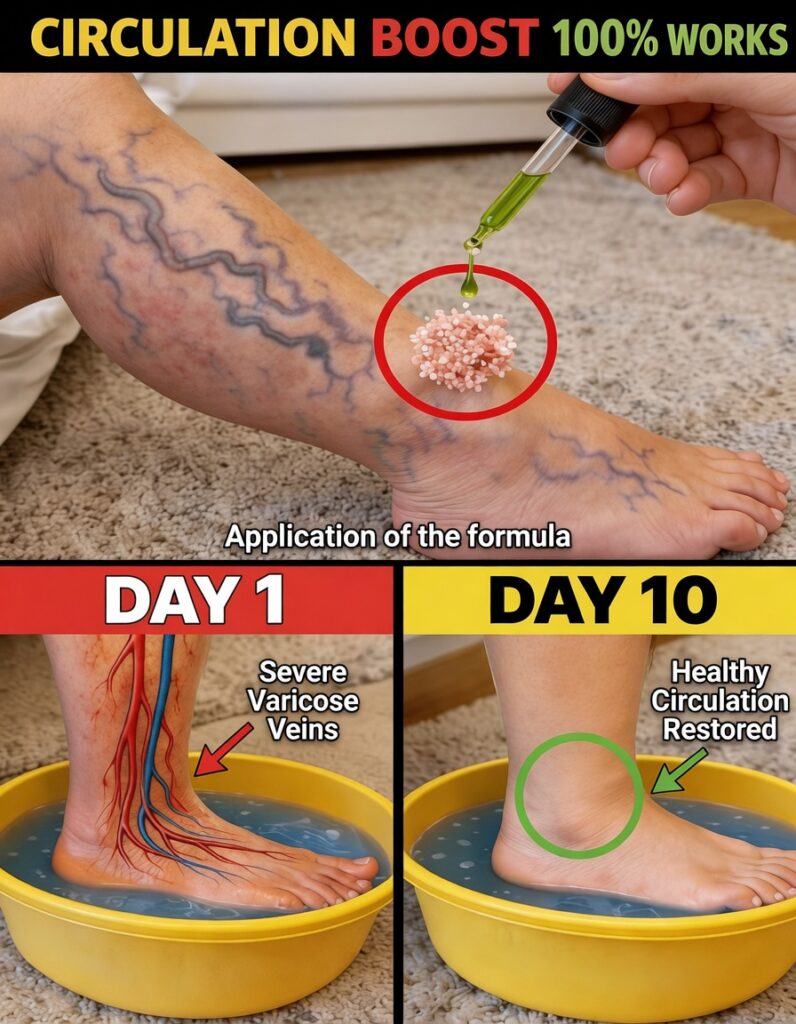
Tired legs, chilly toes, and that end-of-day “heavy” feeling can quietly drain your comfort and confidence. Many older adults notice their feet become stiff, puffy, or simply less responsive—especially after hours of sitting or standing. Over time, this kind of discomfort may interfere with sleep, mobility, and even your mood.
The encouraging news: a simple, calming foot soak routine can support relaxation and help promote a sense of healthier circulation. There’s also one small step many people skip—yet it can make a noticeable difference—and you’ll find it revealed later in this guide.
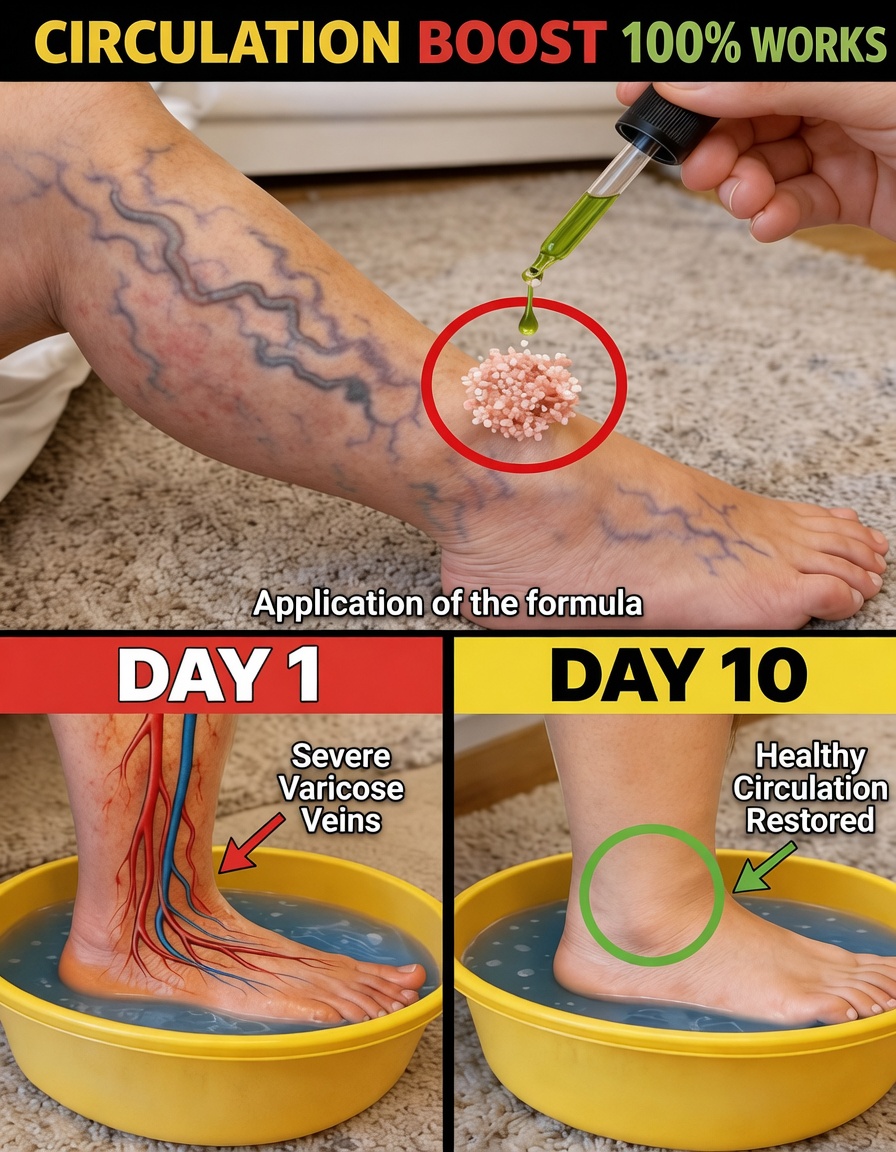
Why Circulation Support Matters as You Get Older
With age, blood vessels and daily activity patterns naturally change. These shifts can affect how efficiently blood moves—especially to the feet and lower legs, where circulation often feels slowest. Good circulation helps deliver oxygen and nutrients to tissues, supporting comfort and everyday function.
When circulation feels “sluggish,” you may notice:
- Feet that feel cold even in a warm room
- Mild ankle puffiness or swelling
- Tingling or a “pins and needles” feeling
- Lower-leg fatigue or heaviness
These signs can be common, but they shouldn’t be brushed off. Research in cardiovascular and aging-related health literature consistently highlights that gentle movement, warmth, and relaxation practices can support vascular comfort and overall wellbeing.
Warm water immersion—like a foot soak—may temporarily encourage vasodilation (the widening of blood vessels). This can promote better local blood flow during and shortly after the soak, which is why many people describe feeling lighter and more at ease afterward.
Can a Foot Soak Improve Circulation?
Let’s set expectations clearly.
A foot soak is not a medical treatment and it cannot replace professional care. Still, it can be a helpful part of a broader wellness routine, especially for comfort and relaxation.
A warm soak may help you:
- Loosen tight muscles in the feet and calves
- Reduce stress-related tension through calming downtime
- Encourage short-term increases in local blood flow
- Soften skin and improve overall foot comfort
Relaxation matters more than many people realize. Chronic stress can influence how blood vessels function. When your body shifts into a calmer state, circulation patterns often improve naturally.
And there’s another factor that shapes the experience: what you add to the water.
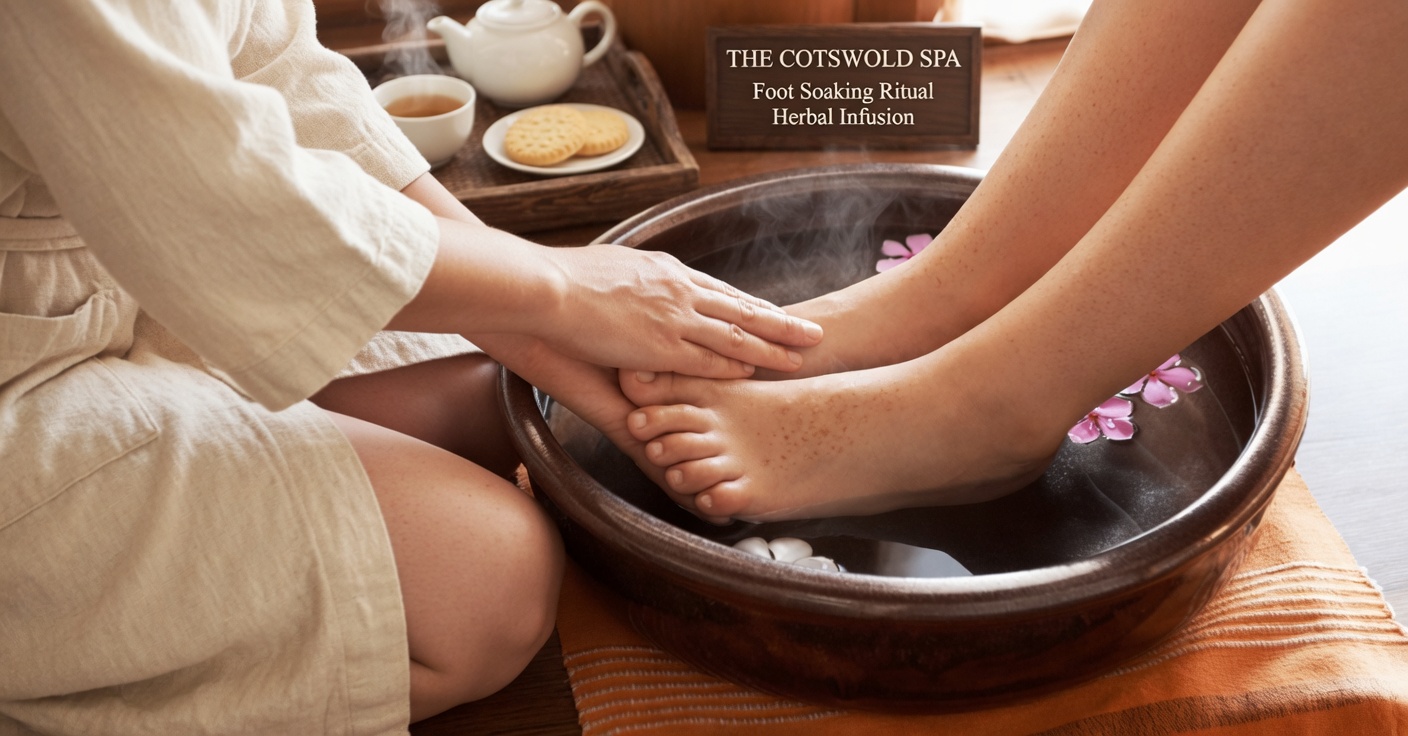
Best Ingredients for a Gentle, Soothing Foot Soak
You don’t need a complicated or expensive setup. In many cases, the simplest approach is the most comfortable and consistent.
Here are popular, commonly used options:
-
Warm Water (Base of Every Soak)
Use water that feels comfortably warm—never scalding. It should feel soothing without causing redness or irritation. -
Epsom Salt
Epsom salt contains magnesium sulfate. While research continues on how much magnesium is absorbed through the skin, many people find Epsom salt soaks feel relaxing and refreshing. -
Ginger or Mustard Powder (Optional Warming Add-In)
Traditional wellness routines sometimes include a small amount of ginger or mustard powder to create a warming sensation that can make the feet feel toastier. -
Essential Oils (For Aromatherapy)
Lavender (calming) or peppermint (cooling and invigorating) can enhance relaxation. Use only a few drops and dilute appropriately.
Ingredients help—but how you soak can matter just as much.
Simple At-Home Foot Soak Routine (Step by Step)
Use this practical, senior-friendly approach:
-
Set Up Your Space
Choose a sturdy basin that fits both feet comfortably. Place it on a non-slip surface and keep a towel within reach. -
Add Comfortably Warm Water
Test the temperature with your hand or elbow. If you have reduced sensation in your feet, ask someone to confirm it’s not too hot. -
Include Optional Add-Ins
Add either:- About 1/2 cup of Epsom salt, or
- A small spoon of ginger powder (if desired)
Stir gently.
-
Soak for 15–20 Minutes
Sit comfortably, feet immersed. Breathe slowly and let this be your “reset” moment. -
Add Gentle Movement While Soaking
Try slow ankle circles or flex-and-point motions. These movements engage the calf muscles, which help support blood flow from the legs back toward the heart. -
Dry Thoroughly and Moisturize
Pat feet completely dry—especially between toes—then apply a light moisturizer to support skin comfort.
The Overlooked Step That Makes a Big Difference
After drying your feet, elevate your legs slightly for 5–10 minutes. This simple add-on can support venous return and often helps extend that “lighter legs” feeling after the soak.

Foot Soaks vs. Other Circulation-Friendly Habits
A foot soak is helpful—but it works best as part of a bigger comfort plan.
- Warm foot soak: supports warmth and relaxation (very easy)
- Daily walking: activates calf muscles and supports blood flow (moderate)
- Leg elevation: may reduce mild swelling (very easy)
- Compression socks: provide gentle pressure support (easy with guidance)
No single strategy does everything. Combining light movement, hydration, balanced nutrition, and relaxation creates a stronger foundation for healthy aging.
Common Foot Soak Mistakes to Avoid
Even a basic soak can backfire if done carelessly. Avoid:
- Water that’s too hot (can irritate skin)
- Soaking too long (may cause dryness)
- Skipping foot checks if your feet are sensitive
- Ignoring ongoing swelling or pain
If you have diabetes, peripheral artery disease concerns, or reduced nerve sensation, talk with a healthcare professional before starting a new foot-care routine. Safety comes first.
Boost Circulation Beyond the Soak
A foot soak feels great, but pairing it with simple daily habits can amplify results. Consider:
- Short walks after meals
- Gentle calf raises while holding a chair
- Drinking water consistently throughout the day
- Breaking up long sitting periods by standing at least once per hour
Geriatric health research often emphasizes that even light, regular activity can support vascular function in older adults. Your muscles—especially the calves—act like a natural pump for the lower body.
Consistency beats intensity: small steps done often usually matter more than big efforts done rarely.
The Emotional Benefit of Feeling Better in Your Feet
Comfort isn’t just physical.
When your feet feel lighter and more supported, it’s easier to go out, see friends, and enjoy hobbies. That sense of independence improves emotional wellbeing—and lower stress can indirectly support heart and vascular health.
A nightly foot soak can also become a calming ritual. Over time, rituals send a “safe, relax” signal to the brain, helping the body unwind more easily.
How Soon Will You Notice Results?
Responses vary.
- Some people feel immediate relaxation after the first soak.
- Others notice gradual improvements after several consistent sessions.
For a practical trial, aim for 3–4 foot soaks per week for about 10 days. Track how your feet feel, whether sleep improves, and how relaxed your body feels afterward.
Supportive wellness habits aren’t about overnight change. They’re about steady, gentle improvements that add up.
When to Get Medical Advice
Mild discomfort can be common, but certain symptoms should be evaluated promptly. Contact a healthcare professional if you notice:
- Swelling that persists in one leg
- Sudden calf pain
- Skin color changes
- Open sores that don’t heal
These signs may point to issues that require proper medical assessment.
Conclusion
A warm foot soak isn’t a miracle cure, but it can be a soothing, practical way to support comfort, relaxation, and a healthier circulation routine—especially when paired with gentle movement and the often-missed step of brief leg elevation after drying. Over time, this small ritual can help you feel lighter, calmer, and more confident in your daily life.