
Feeling run-down, dealing with persistent inflammation, or noticing that your body doesn’t bounce back like it used to can be discouraging—especially when you’re genuinely trying to build healthier habits. Online, it’s easy to get pulled into bold promises about “miracle” drinks and instant results, only to end up confused or let down. What most people are really looking for is something practical, sustainable, and grounded in science. One simple daily routine has been repeatedly discussed in research circles for its connection to cellular maintenance and healthy aging—and its real value may come less from hype and more from consistency.

Why Everyday Longevity Habits Are Getting So Much Attention
Healthy aging isn’t only about living longer. For many people, it’s about protecting energy levels, mental sharpness, and metabolic stability as time passes.
Over the last few decades, researchers have studied how daily lifestyle choices influence cellular function. One concept that has become widely known is autophagy—a natural “cellular cleanup” system where the body breaks down and reuses damaged or unnecessary cell parts to support internal balance.
In 2016, Japanese cell biologist Yoshinori Ohsumi received the Nobel Prize in Physiology or Medicine for discoveries that clarified how autophagy works. His work helped explain how cells recycle components as part of normal maintenance, with relevance to overall health.
That’s where the conversation gets interesting.
Scientists have also investigated how certain eating patterns and plant-based compounds interact with pathways involved in inflammation regulation and cellular maintenance. Two ingredients that appear frequently in these discussions are green tea and turmeric.
Green Tea: Why Researchers Keep Studying It
Green tea contains powerful plant compounds known as catechins, with EGCG (epigallocatechin gallate) being the most well-known. These antioxidants have been studied for their potential role in protecting cells from damage and supporting long-term wellness.
Research suggests green tea consumption may be associated with support for:
- Defense against oxidative stress
- Metabolic balance
- Cardiovascular health
- Long-term brain health
Oxidative stress happens when the body has more free radicals than available antioxidants to neutralize them. Over time, this imbalance is often discussed in connection with cellular wear and age-related decline.
Multiple observational studies have found that communities with regular green tea intake often show indicators associated with healthier aging. While observational data does not prove direct cause and effect, it does point to a meaningful relationship worth noting.
And that naturally brings us to turmeric.
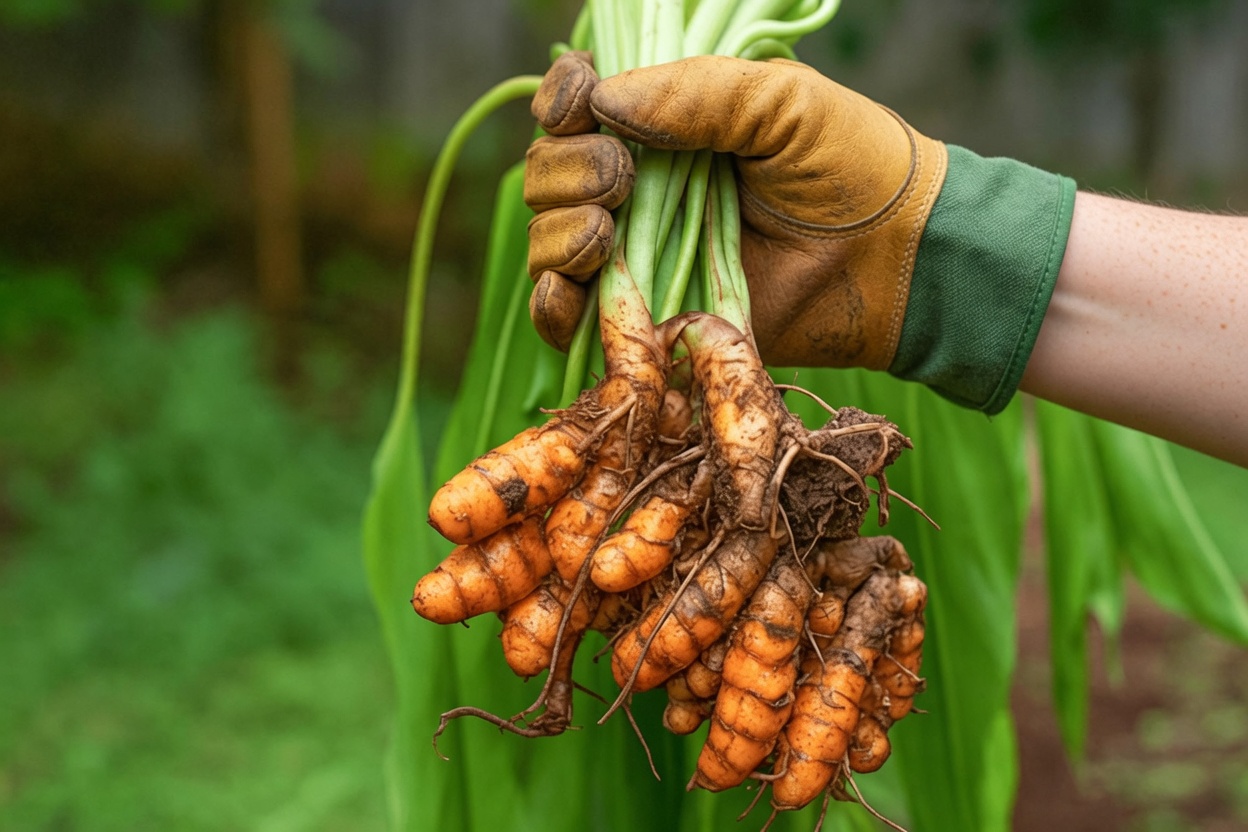
Turmeric and Curcumin: What the Evidence Points To
Turmeric is a vibrant yellow spice used widely in Asian cooking. Its best-known active component is curcumin, which has been widely researched for how it may interact with inflammation and cellular signaling.
Studies have explored curcumin for potential support related to:
- A healthy inflammatory response
- Joint comfort and mobility
- Digestive well-being
- Cellular communication pathways
Inflammation is not inherently “bad”—it’s a normal immune function. However, research often links long-term, low-grade inflammation with metabolic imbalance and age-related challenges.
Some lab-based findings suggest curcumin may influence pathways connected to oxidative stress and inflammation. Researchers continue to examine how this translates into real-world human health outcomes, which can vary significantly based on the individual and overall lifestyle context.
The central takeaway is simple: no single drink or ingredient works like a standalone solution. Results come from consistent habits that fit into a balanced lifestyle.
Green Tea + Turmeric: A Simple Daily Wellness Ritual
Mixing green tea with turmeric into a warm drink has become a popular daily practice. It’s not a “magic formula,” but the combination of plant compounds may offer complementary wellness support.
People often adopt this routine because it is:
- Quick and easy
- A form of mindful hydration
- A healthier alternative to sugary drinks
- Easy to add to morning or evening habits
Consistency usually matters far more than intensity. In the long run, small daily practices tend to outlast extreme short-term efforts.
Autophagy Without the Internet Myths
Online discussions often oversimplify autophagy, as if a single drink can “switch it on.” In reality, autophagy is a built-in cellular process influenced by many factors, including:
- Sleep quality
- Exercise and movement
- Overall energy (calorie) balance
- Diet quality and nutrient intake
Some early-stage research indicates certain plant compounds may interact with autophagy-related pathways in laboratory models. But human biology is complex, and real-life outcomes depend on the full picture—habits, environment, genetics, and consistency.
So rather than treating green tea or turmeric as a shortcut, it’s more accurate to view them as part of a supportive lifestyle pattern for cellular health.
The Overlooked Benefit: Ritual and Psychology
A point that rarely gets enough attention is the behavioral side.
Preparing and drinking a daily wellness beverage can become a psychological anchor—a small, repeatable action that signals intention and self-care. Behavioral research shows that simple routines can reinforce identity-based habits. When you start seeing yourself as someone who takes daily steps toward health, you become more likely to:
- Choose more nourishing foods
- Move your body consistently
- Protect your sleep schedule
- Handle stress with better tools
In this sense, the drink matters not only for what’s in it, but also for what it triggers—a broader set of healthier choices.
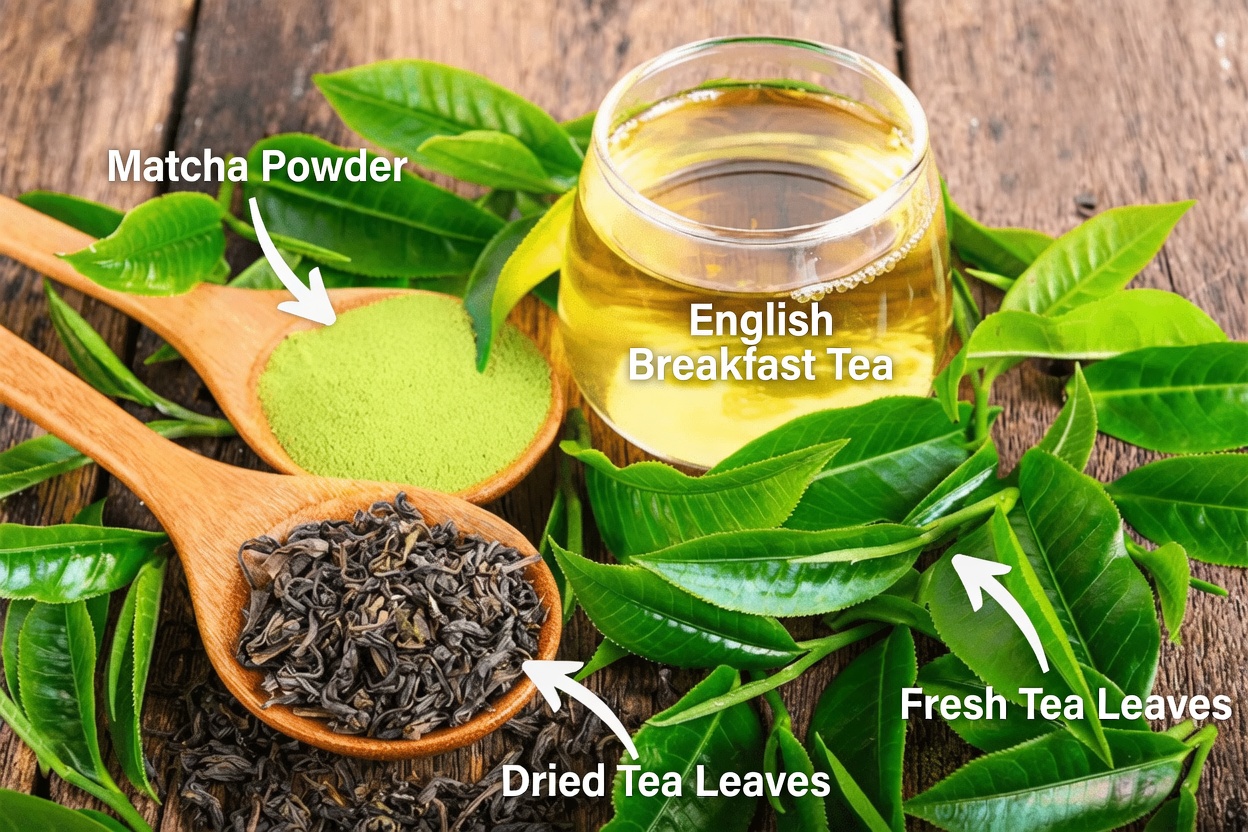
How to Make Turmeric Green Tea (Balanced and Simple)
If you want to try this daily routine, here’s a straightforward approach.
Ingredients
- 1 cup hot water
- 1 green tea bag or 1 teaspoon loose-leaf green tea
- 1/4 teaspoon turmeric powder
- A small pinch of black pepper
- Optional: lemon or a small amount of honey
Black pepper contains piperine, which may help improve curcumin absorption. You only need a small pinch.
Step-by-step
- Warm water until hot (avoid aggressively boiling water).
- Steep green tea for 2–3 minutes.
- Stir in turmeric and black pepper.
- Add lemon or honey if you like.
- Sip slowly—treat it as a mindful pause, not a rushed task.
Start with one cup per day and pay attention to how you feel. With any dietary shift, moderation is a smart baseline.
What Longevity Research Patterns Suggest (Including Blue Zones)
Studies of long-living communities—often referred to as Blue Zones—tend to highlight consistent lifestyle themes rather than single “superfoods.”
Common patterns include:
- Predominantly plant-forward diets
- Frequent, natural daily movement
- Strong social connection
- Regular stress-reduction practices
- Moderate overall calorie intake
What stands out is that there’s no universal miracle ingredient. Longevity appears to come from a pattern of balanced living over time.
In some of these regions, tea is a daily staple, and plant-rich spices are common. But they work as part of a wider lifestyle context—and that context is what makes the difference.
Safety Notes and Practical Considerations
For most healthy adults, green tea and turmeric in food-level amounts are well tolerated. Still, a few considerations matter:
- Too much green tea may lead to caffeine-related effects for sensitive individuals.
- High-dose turmeric supplements aren’t appropriate for everyone.
- If you take medications or manage a medical condition, speak with a qualified health professional before making major dietary changes.
Using culinary amounts in a drink is typically moderate, but informed choices are always best.
How to Turn This Into a Habit That Actually Sticks
To make this ritual sustainable, keep it simple and repeatable.
Pair it with an existing routine
Have it after brushing your teeth in the morning or after dinner at night. Connecting a new habit to an established one improves consistency.
Keep ingredients visible
Place the tea and turmeric where you’ll see them daily. Convenience beats motivation.
Make the experience enjoyable
Notice the warmth, aroma, and taste. Positive sensory cues help repetition feel effortless.
Track how you feel for two weeks
Write down energy, digestion, mood, or sleep patterns. Awareness often increases follow-through.
Perfection isn’t the goal. Steady progress is.
The Bigger Picture of Cellular Health
Cellular health and healthy aging don’t come from one drink, one supplement, or one “hack.” They’re built through a set of consistent choices—sleep, movement, nutrition, stress management, and supportive daily rituals.
A turmeric green tea routine can be a practical, research-aligned addition to that bigger strategy. Not because it’s a miracle—but because it’s simple enough to repeat, and repetition is where long-term change begins.