Many older adults reach for omega-3 supplements assuming they’re automatically safe and beneficial. Yet dosage, product quality, and personal health conditions can change the outcome dramatically. Online, fish oil is often portrayed as either a miracle cure or a hidden threat—creating confusion that can lead to side effects or wasted money.
The reality is more balanced. Once you understand one commonly overlooked habit, you can use omega-3 supplements more confidently and safely.
Why Omega-3 Supplements Are So Popular for Seniors
Omega-3 fatty acids are essential fats, meaning the body cannot produce them on its own. You have to get them through diet or supplementation.
Common sources include:
- Fatty fish (salmon, sardines, mackerel)
- Flaxseed and chia seeds
- Fish oil or algae oil capsules
Research links omega-3 intake—especially EPA and DHA—to areas many seniors care about, such as heart support, cognitive health, joint comfort, and overall wellness. That’s why omega-3 supplements remain a top choice in healthy aging routines.
But there’s an important catch: not everyone responds the same way, and not every supplement is made to the same standard.
The Most Common Omega-3 Mistake Seniors Make
The biggest misstep is simple: assuming “more” automatically means “better.”
It’s easy to believe that if a small amount is helpful, a high dose must be even more effective. However, medical research shows that very high omega-3 intake may raise certain risks for some people, particularly those who:
- Use blood thinners or anticoagulant medications
- Have bleeding disorders
- Are scheduled for surgery
- Live with certain heart rhythm conditions
This doesn’t mean omega-3 supplements are inherently dangerous. It means they’re biologically active enough that they should be used with care—especially in older adults.
How to Understand a Safe Omega-3 Dosage (Without Guessing)
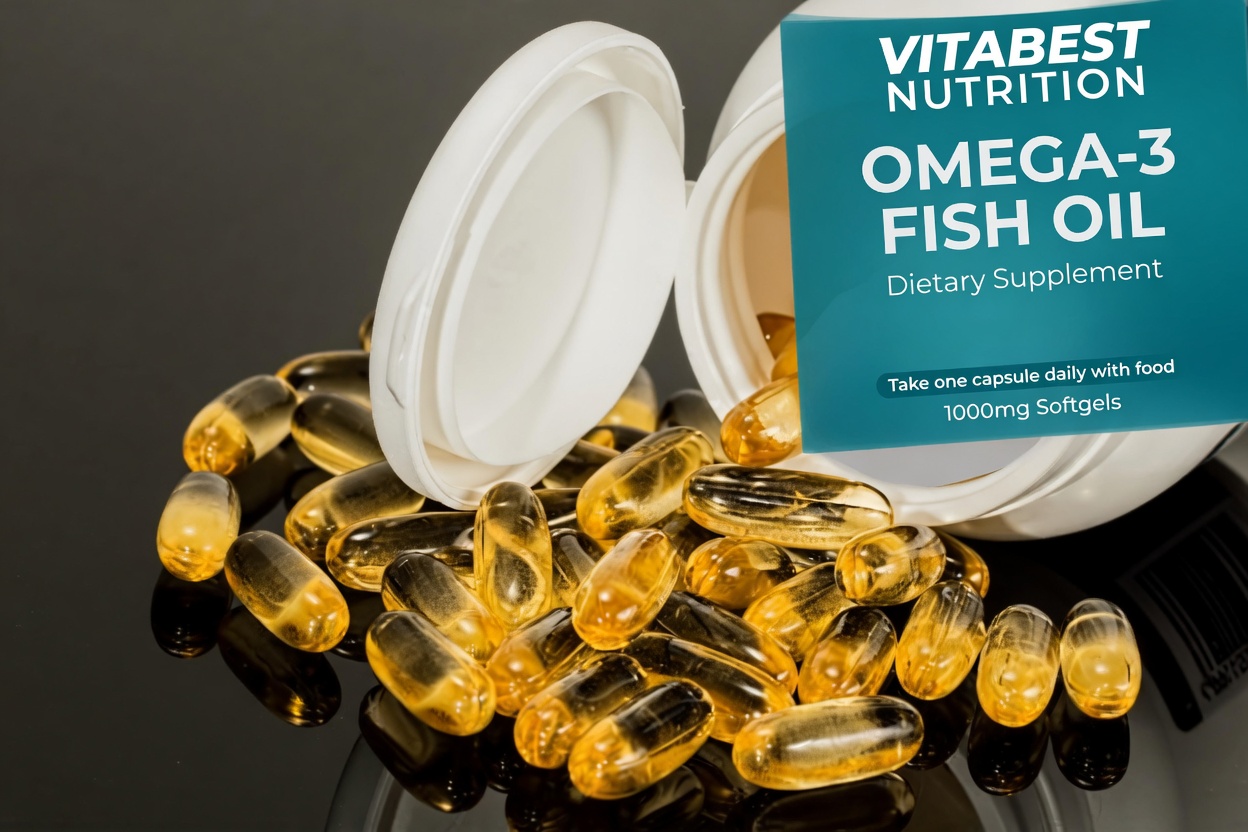
Most mainstream health organizations support moderate daily intake of EPA + DHA (the primary omega-3s found in fish oil). For general wellness, many experts commonly cite about 250–500 mg per day of combined EPA and DHA.
The key detail many people miss: supplement labels can be misleading at a glance.
Some products contain far more than you expect per serving, while others require multiple capsules just to reach a basic level.
Before you buy—or increase your dose—check the label for:
- EPA amount (mg)
- DHA amount (mg)
- Total omega-3 per serving (not just “fish oil” amount)
- Serving size, including how many capsules equal one serving
This one habit—careful label reading—can prevent accidental overuse.
Omega-3 Quality Matters More Than Most People Realize
Another overlooked issue is quality and freshness.
Omega-3 oils can oxidize over time. Oxidized oils may taste “off,” lose potency, and may contribute to digestive discomfort for some users.
Look for omega-3 supplements that:
- Are third-party tested
- Clearly identify the fish source (or specify algae source)
- Include antioxidants such as vitamin E
- Provide a freshness or purity guarantee
Because purity and potency can vary significantly between brands, choosing reputable manufacturers helps reduce exposure to contaminants and improves the odds that the product matches the label.
When Getting Omega-3 From Food May Be the Smarter Choice
For many seniors, food-based omega-3 intake can be a more balanced approach.
Eating fatty fish twice per week provides omega-3s plus valuable nutrients like protein and vitamin D—a nutritional bundle supplements can’t fully replicate.
Food Sources vs. Supplements: A Quick Comparison
Food-based omega-3
- Comes with additional nutrients
- Lower risk of excessive intake
- More filling and satisfying
- Requires meal planning
Supplement-based omega-3
- Convenient and fast
- Allows more precise dosing
- Helpful for people who don’t eat fish
- Requires careful label reading and quality checks
Neither method is automatically “best.” Your ideal approach depends on your diet, preferences, and health status.
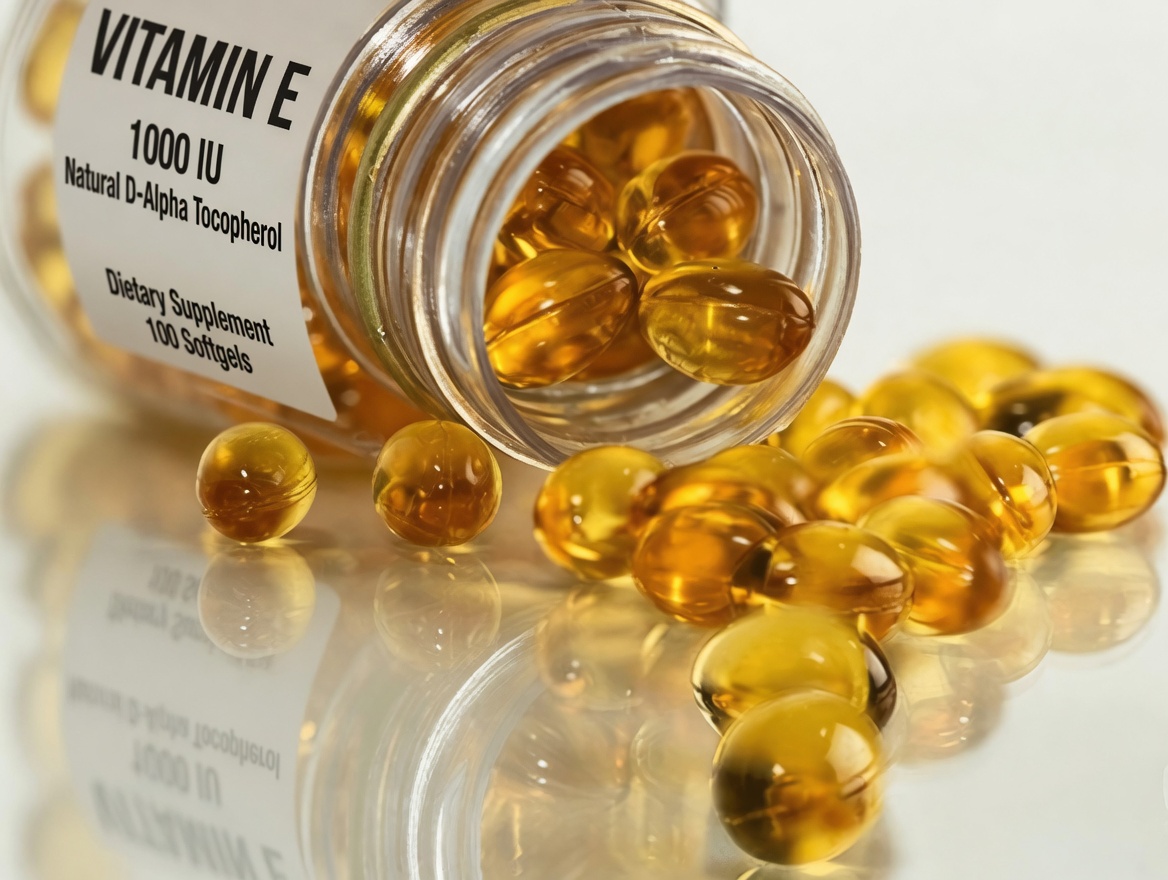
Omega-3 Side Effects Seniors Should Pay Attention To
Most people tolerate omega-3 supplements well, but some may experience:
- Upset stomach
- Fishy burps or aftertaste
- Mild nausea
- Loose stools
At higher doses, omega-3s may affect blood clotting, which is why seniors taking certain medications should be cautious. As medication use often increases with age, the risk of supplement-drug interactions rises too.
A crucial reminder: “Natural” does not automatically mean “interaction-free.”
The One Overlooked Habit That Makes Omega-3 Use Safer
Before starting omega-3 supplements, review your full medication and supplement list with a healthcare provider or pharmacist.
This single step can significantly reduce the chance of unwanted interactions and helps ensure the dose fits your overall health plan.
Bring a list of:
- Prescription medications
- Over-the-counter drugs (including aspirin or NSAIDs)
- Any vitamins, herbs, and supplements you already use
Sometimes the recommendation will be a lower dose. In other cases, the best plan may be to prioritize omega-3s from food instead of capsules. Either way, you gain clarity and confidence rather than guessing.
Practical Steps to Use Omega-3 Supplements Wisely
-
Evaluate your diet
- Track how often you eat fatty fish weekly.
- If you already eat fish twice per week, you may not need supplements.
-
Consider your health conditions
- Be extra cautious if you have heart rhythm issues, bleeding tendencies, easy bruising, or upcoming surgery.
-
Choose a moderate dose
- Avoid high-dose products unless a clinician specifically recommends them.
-
Pick high-quality brands
- Prioritize third-party testing, clear sourcing, and transparent labeling.
-
Monitor how you feel
- Watch for digestive issues, unusual bruising, or any new symptoms.
- If something feels wrong, stop and seek medical guidance.
What the Research Actually Shows
Scientific findings on omega-3s are best described as mixed but informative. Some large trials show modest cardiovascular benefits, particularly for people who consume little omega-3 to begin with. Other studies find minimal effects in well-nourished groups.
The takeaway: omega-3 is not a magic fix. It works best as one piece of a larger lifestyle that includes:
- Balanced nutrition
- Regular movement
- Adequate sleep
- Stress management
This perspective helps prevent unrealistic expectations—and disappointment.
Peace of Mind Matters, Too
Health headlines often swing to extremes. One day omega-3 supplements are portrayed as lifesaving; the next day they’re painted as harmful.
Most of the time, the truth sits in the middle: omega-3 supplements can support healthy aging for many seniors when used thoughtfully, with appropriate dosing and professional guidance.
Conclusion
Omega-3 supplements are popular among seniors for good reason: they may support heart health, brain function, and overall wellness, and they’re generally well tolerated. The problem usually isn’t omega-3 itself—it’s the assumption that higher doses are always better and the tendency to skip professional input.
The most important habit is straightforward: review your health history and medication list before starting omega-3 supplements. Combine that with moderate dosing and careful product selection, and you move from uncertainty to informed decision-making—protecting your health over the long term.
Frequently Asked Questions
-
Should seniors take omega-3 supplements every day?
Many seniors can use moderate daily omega-3 doses safely, but needs vary. Daily use is best decided with a healthcare professional, especially if you take medications. -
Can omega-3 supplements thin the blood?
Omega-3 fatty acids may influence blood clotting, particularly at higher doses. If you take blood-thinning medication, have a bleeding condition, or are preparing for surgery, consult your clinician before supplementing.