Many women over 40 start to see more shedding and a gradual drop in hair density. Hormonal changes, natural aging, and ongoing stress can all contribute—often showing up as a wider part, reduced volume, or more breakage, which can affect how you feel day to day.
When thinning becomes noticeable, even basic styling or stepping outside can feel uncomfortable. That’s why traditional, kitchen-based approaches—especially those popular in Indian home care—have become increasingly interesting for people looking to support scalp health with simple, familiar ingredients.
This guide walks you through a gentle homemade hair tonic made with aloe vera, red onion, and coconut oil. It’s not a guaranteed solution or a replacement for medical care, but many people consider it a worthwhile, low-cost addition to a consistent routine. Below you’ll learn what may cause midlife thinning, why these ingredients are used, how to make the tonic safely, and how to apply it for the best experience.
Hair Thinning in Women Over 40: What’s Happening?
Hair density typically shifts with age, and many women notice more visible thinning during perimenopause and beyond. Hormonal fluctuations are often involved, and the changes can be gradual—making them easy to dismiss until the difference becomes obvious.
One common presentation is female pattern hair loss, where the part line slowly widens and overall fullness declines. Genetics can play a role, and factors such as stress, nutrition, and lifestyle may influence how quickly thinning appears or how noticeable it becomes.
Beyond aesthetics, hair loss can affect confidence and comfort. Many women describe avoiding certain hairstyles, bright lighting, or social situations. The encouraging part is that supportive habits—especially gentle scalp care—may help hair look and feel healthier over time.
Why Aloe Vera, Red Onion, and Coconut Oil Are Used
This three-ingredient blend is inspired by traditional natural hair care methods that focus on nourishing the scalp and improving the feel of hair.
- Aloe vera gel is widely used for its soothing, hydrating qualities. It contains natural compounds (including vitamins, enzymes, and moisture-supporting elements) that may help calm dryness and irritation on the scalp.
- Red onion juice is rich in sulfur-containing compounds, which are often discussed in relation to hair structure and follicle support. A small study involving patchy hair loss (alopecia areata) reported better regrowth outcomes with topical onion juice compared with a control group.
- Coconut oil is valued because its fatty acid profile allows it to penetrate the hair shaft more effectively than some other oils. Research suggests it may help reduce protein loss in hair, supporting strength and a smoother appearance.
Together, these ingredients create a moisturizing, nutrient-focused scalp tonic. Evidence is still limited and results can vary, but many people report that their scalp feels better and their hair texture improves with consistent use.
Homemade Aloe, Onion, and Coconut Oil Hair Tonic (2-Week Batch)
This recipe yields roughly enough for about two weeks, depending on how much you apply. For the best quality, use fresh ingredients and clean tools.
Ingredients
- 3 medium fresh aloe vera leaves
- 1 medium red onion
- 2 tablespoons virgin coconut oil
Alternative: cold-pressed olive oil
Step-by-Step Preparation
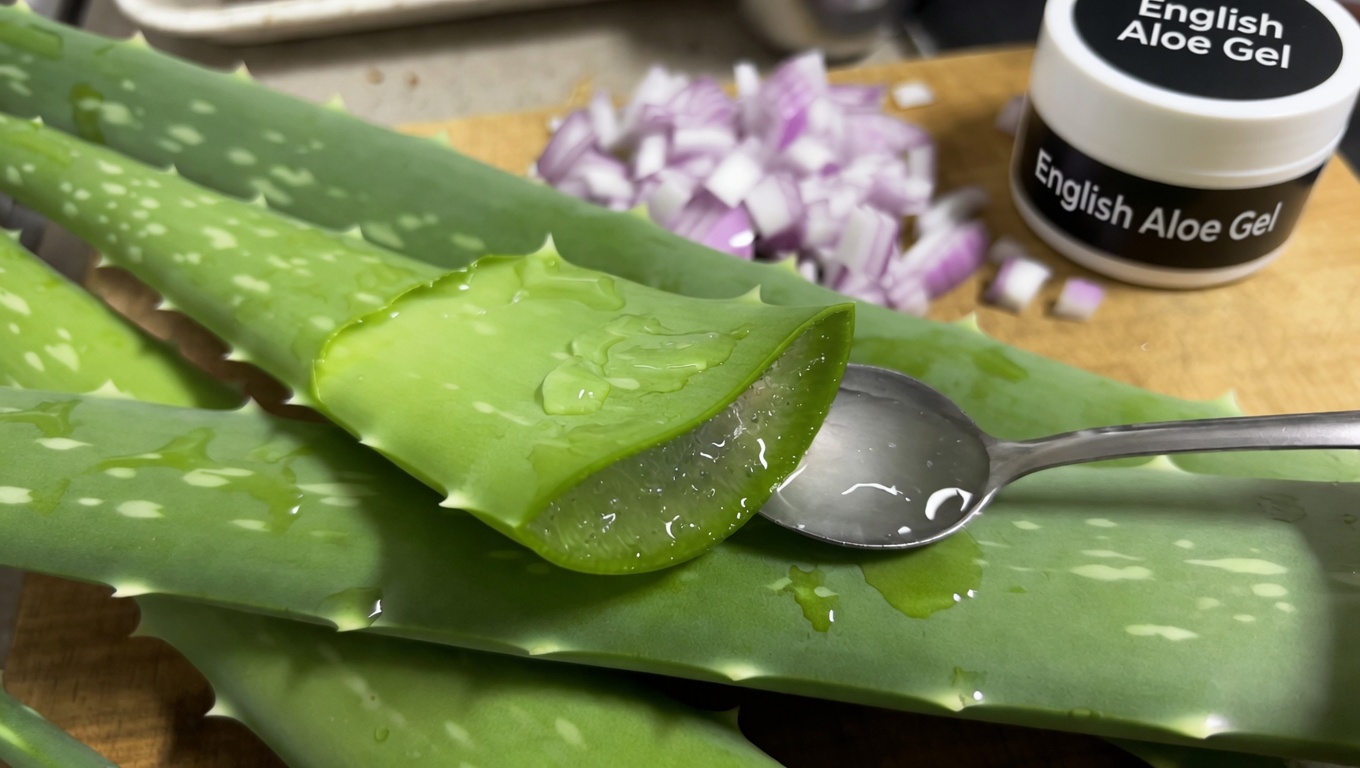
- Stand the aloe vera leaves upright in water for 15 minutes to help drain the yellow latex.
Important: This sap can be irritating—discard it. - Peel and roughly chop the red onion.
- Slice open the aloe leaves and scoop out only the clear gel, avoiding the green outer skin.
- Blend the aloe gel and onion pieces until you get a juicy mixture.
- Strain through a cheesecloth or fine mesh strainer, pressing well to extract as much liquid as possible.
- Stir the strained liquid together with the coconut oil until evenly combined.
- Transfer into a clean glass jar or glass spray bottle and refrigerate. Use within 14 days for freshness.
The onion smell usually fades quickly after rinsing, but always do a patch test (inner arm or behind the ear) before applying to your scalp.
How to Apply the Tonic for Best Results
For most people, 2–3 applications per week is a practical starting point.
- Gently warm the tonic by placing the container in warm water for a few minutes (do not microwave).
- Part your hair into sections and apply directly to the scalp.
- Massage with fingertips using small circular motions for 3–5 minutes to support circulation and spread the mixture evenly.
- Leave it on for 30–60 minutes (or overnight if your scalp tolerates it and you’re comfortable).
- Shampoo and rinse as usual.
- Optional: wrap hair in a warm towel after application for a more spa-like treatment.
Natural routines tend to work slowly. Many people notice changes in scalp comfort first, followed by improvements in hair feel over the next several weeks.
Commonly Reported Benefits (Anecdotal)
This tonic is not a medical treatment, and experiences differ, but women often report:
- Less shedding after consistent use
- Softer, shinier hair texture
- Reduced scalp dryness or itching
- Easier styling and improved manageability
- Small “baby hairs” near the hairline in some cases
For better overall results, pair topical care with supportive basics: balanced nutrition, gentle detangling, heat moderation, and avoiding tight hairstyles.
Tips to Strengthen Your Hair Care Routine
- Rotate applications if the scent bothers you (for example, use plain aloe on alternate days).
- Add a few drops of rosemary essential oil only if you tolerate it well, and ensure proper dilution.
- Store in a dark glass bottle to help preserve quality longer.
- Combine with regular scalp massage using fingertips or a soft scalp tool.
- Track progress with photos every 4 weeks, using similar lighting and angles.
What Results to Expect (Realistic Timeline)
In the first few weeks, many people primarily notice less dryness, reduced itchiness, and slightly less breakage. With steady use over 2–3 months, some report hair that feels fuller and looks healthier.
Keep expectations realistic: hair growth cycles are slow, and meaningful changes often require patience, consistency, and gentle handling.
FAQ
How often should I use this homemade hair tonic?
Begin with 2–3 times per week, then adjust based on your scalp’s response. Daily use may be too frequent for sensitive skin.
Can I replace fresh aloe with bottled aloe vera gel?
Fresh aloe is typically preferred, but you can use a pure, additive-free bottled gel if needed. Avoid products containing alcohol, heavy fragrance, or unnecessary additives.
What if I have allergies or a sensitive scalp?
Always do a patch test first. Onion juice can irritate some people—stop immediately if you notice burning, redness, rash, or discomfort.
Medical Disclaimer
This article is for informational purposes only and does not provide medical advice. It is not intended to diagnose, treat, cure, or prevent any condition. Consult a dermatologist or qualified healthcare professional before trying new remedies—especially if you have scalp conditions, allergies, or underlying health concerns. Results vary between individuals. Always patch test first and discontinue use if irritation occurs.