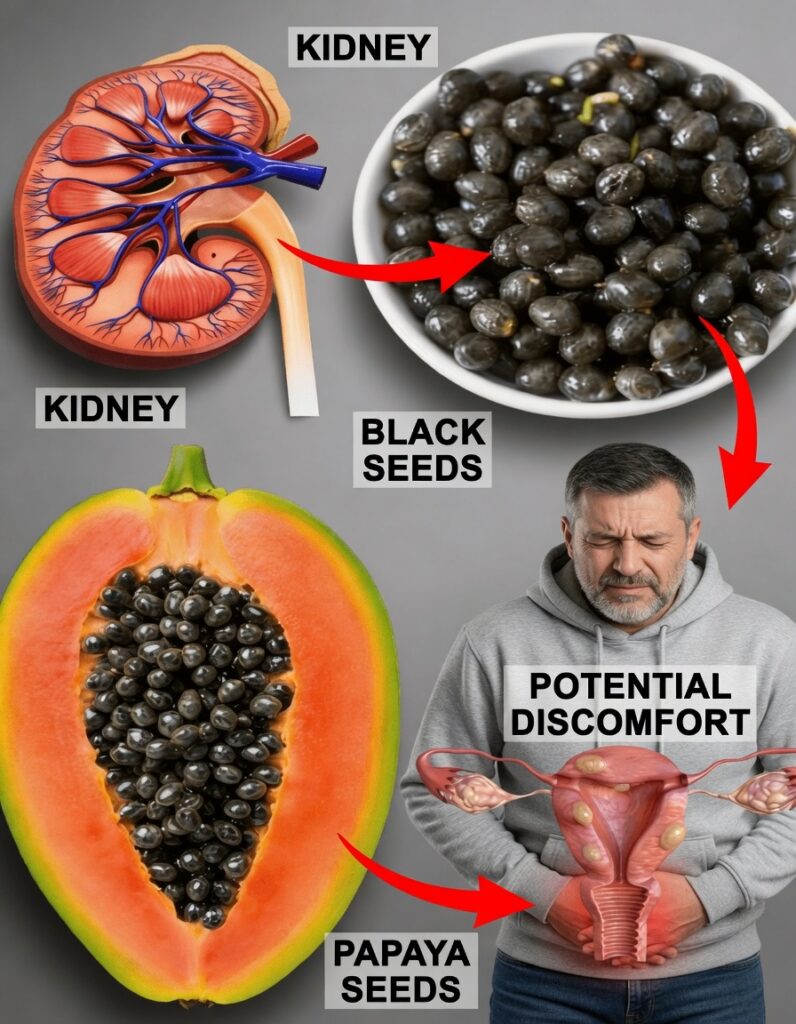
Papaya Seeds: The Overlooked Part of the Fruit You Might Want to Use
Papaya is naturally sweet, hydrating, and easy to enjoy—but most people scoop out the seeds and discard them automatically. If you sometimes experience bloating, slow digestion, or simply want to get more value from whole foods, you may be tossing away a surprisingly useful ingredient. Those small black papaya seeds may seem unimportant, yet they contain plant-based compounds that have attracted scientific interest for years. By the end of this article, you may think twice before throwing them out.
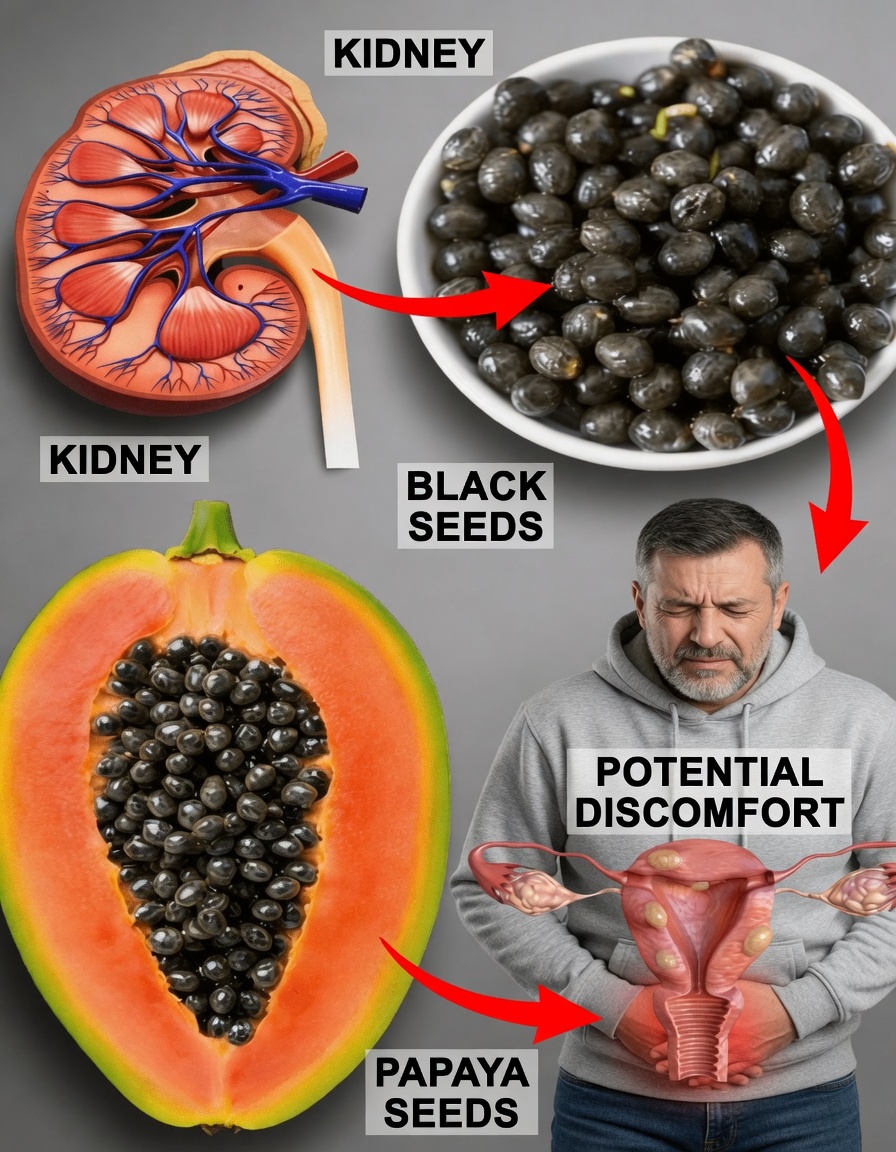
Why Papaya Seeds Are Worth Paying Attention To
When you cut open a papaya, the vibrant orange flesh steals the spotlight. The glossy, peppery seeds typically go straight into the trash.
Here’s what many people miss: papaya seeds contain fiber, beneficial fats, and bioactive plant compounds—including polyphenols and flavonoids. Nutrition research links these compounds with antioxidant activity, meaning they help the body defend cells against everyday oxidative stress.
In other words, papaya seeds aren’t “waste.” They’re part of the fruit’s built-in protective system—and when used sensibly, they may offer gentle wellness support.
Nutritional Overview of Papaya Seeds
Despite their small size, papaya seeds are relatively nutrient-dense. Exact amounts vary by fruit and growing conditions, but studies suggest papaya seeds can provide:
- Dietary fiber
- Healthy monounsaturated fats
- Small amounts of protein
- Plant antioxidants (including phenolic compounds)
- Trace minerals
Fiber is widely known for supporting regular digestion and contributing to a balanced gut environment. Antioxidants, meanwhile, help neutralize free radicals that can increase through daily stress, pollution exposure, and normal metabolism.
Potential Benefits of Papaya Seeds (What Research and Tradition Suggest)
It’s important to keep expectations realistic. Papaya seeds are not a cure, and they don’t replace medical advice or treatment. Still, both traditional use and early research point to several ways they may support general wellness.
1. Digestive Comfort and Gut Support
Papaya is well known for containing papain, an enzyme associated with digestion. While the flesh contains the most, the seeds also include compounds that may support digestive balance.
Thanks largely to their fiber content, small amounts of papaya seeds may help:
- Support regular bowel movements
- Encourage a balanced gut microbiome
- Promote satiety (feeling comfortably full)
If you occasionally feel heavy or sluggish after meals, a modest amount of papaya seeds may offer mild digestive support.
2. Antioxidant Activity
Food science research indicates papaya seeds contain phenolic compounds with antioxidant properties.
Why it matters: oxidative stress is a normal part of life, but it can increase with poor sleep, chronic stress, and environmental exposures. Antioxidant-rich foods help support the body’s natural defenses.
This does not mean papaya seeds prevent disease. It means they can be one more plant-based addition within a balanced, whole-food diet.
3. Metabolic and Liver-Related Support (Early Findings)
Some animal studies have explored papaya seed extracts and their relationship with liver health markers. Human research is still limited, but early results suggest papaya seeds may contain compounds worth further study for supporting normal liver function.
The key point: these findings are preliminary, not conclusive—yet they reinforce that papaya seeds are biologically active and not nutritionally “empty.”
4. Natural Antimicrobial Potential
Laboratory research has investigated papaya seed extracts and their interaction with certain microorganisms. Some results suggest the seeds include compounds that may help support microbial balance.
This is not the same as replacing medication. However, it helps explain why papaya seeds have appeared in traditional practices over time.
Papaya Seeds vs. Papaya Flesh: What’s the Difference?
Most people only eat the fruit and ignore the seeds. Here’s a practical comparison:
- Taste
- Papaya flesh: sweet, mild
- Papaya seeds: peppery, slightly bitter
- Key nutrients
- Papaya flesh: vitamin C, vitamin A, fiber
- Papaya seeds: fiber, healthy fats, antioxidant compounds
- How they’re used
- Papaya flesh: fresh eating, smoothies
- Papaya seeds: often discarded, sometimes crushed or ground
- Texture
- Papaya flesh: soft and juicy
- Papaya seeds: crunchy
Both parts have their own strengths. Instead of choosing one, consider using both in moderation.
How to Eat Papaya Seeds Safely (And Actually Enjoy Them)
Before you start eating them by the spoonful, pause. Papaya seeds have a strong flavor and are best used in small amounts.
Step 1: Begin With a Tiny Serving
Start with ½ teaspoon of fresh seeds. Pay attention to how you feel, especially if you’re not used to high-fiber foods.
Step 2: Chew or Crush First
You can chew them whole, but many people prefer to crush them to release flavor and make them easier to mix into meals.
Step 3: Mix Them Into Simple Foods
Easy, practical ideas:
- Blend into a smoothie with banana and yogurt
- Sprinkle crushed seeds over salads
- Stir into honey for a bold, spicy spread
- Whisk into homemade salad dressings as a pepper-like accent
Their taste is similar to black pepper, which makes them surprisingly compatible with savory dishes.
Step 4: Dry and Grind Them Into a “Pepper” Substitute
Dry the seeds (sun-dry or use a dehydrator), then grind into a powder. Use the powder like black pepper in cooking.
This turns something commonly thrown away into a functional pantry ingredient.
Who Should Avoid or Limit Papaya Seeds?
Even natural foods aren’t ideal for everyone.
- Pregnancy: Many sources advise avoiding large amounts of papaya seeds due to limited safety data.
- Sensitive digestion: Introduce slowly to reduce the chance of stomach upset.
- Medical conditions or medications: If you have a health condition or take regular medication, consult a qualified healthcare professional before making major dietary changes.
Common Misunderstandings About Papaya Seeds
Myth 1: “Papaya Seeds Are Poisonous”
In excessive quantities, many foods can cause discomfort. In small culinary amounts, papaya seeds are generally considered safe for most healthy adults. The key is moderation.
Myth 2: “They Fix Digestive Problems Overnight”
There’s no instant solution for digestive issues. Papaya seeds may support gut health, but they work best alongside hydration, fiber-rich meals, good sleep, and movement.
Myth 3: “If Some Is Good, More Is Better”
This is a common mistake. Because papaya seeds are intense in both flavor and compounds, too much may cause digestive upset. Keep servings small.
How to Make Papaya Seeds Part of Your Routine
Long-term consistency matters more than doing a lot at once. Try these habits:
- Keep a small jar of ground dried papaya seeds near your spices
- Add a pinch to one meal a day
- Pair them with probiotic-friendly foods like yogurt
- Rotate with other seeds such as chia or flax for variety
Small, steady use is easier to maintain—and often more beneficial.
Conclusion
Papaya seeds may be tiny, but they offer fiber, healthy fats, and antioxidant plant compounds that can complement a balanced diet. While research is still developing, early studies and traditional use suggest they may support digestive comfort and overall wellness when consumed responsibly. Focus on moderation, consistency, and realistic expectations—and you may discover that the most valuable nutrition upgrades come from the parts you used to throw away.