
Many women deal with recurring vaginal discomfort—mild irritation, occasional itching, or an unexpected odor—especially after age 30 or after giving birth. In many cases, these changes trace back to shifts in the vaginal microbiome, pH fluctuations, hormones, stress, diet, or even everyday hygiene habits. While these issues are common, they can still affect comfort, confidence, and daily quality of life.
Some people try intimate washes, fragranced products, or other quick fixes, only to find they don’t help much—or they trigger more sensitivity. This has led many women to look for gentler, more natural options that support freshness without harsh ingredients. One traditional approach gaining renewed attention is the clove water sitz bath, a simple soak made from a familiar kitchen spice.

Why Vaginal Discomfort Becomes More Common After 30 or Childbirth
As the body moves through its 30s, 40s, and beyond—or during postpartum recovery—the vaginal environment can become easier to “throw off balance.” Common contributors include:
- Hormonal shifts (including postpartum changes)
- Menstrual cycle fluctuations
- Stress and sleep disruption
- Dietary changes
- Antibiotic use or new hygiene routines
Health organizations note that bacterial vaginosis (BV) is among the most frequent vaginal conditions in reproductive-age women, and it’s often associated with changes in the normal bacterial balance.
Because many women want a routine that feels supportive rather than aggressive, herbal and home-care traditions have become popular again. Clove-infused water has a long history in traditional women’s care, often used by midwives and in home remedies for soothing, comfort-focused hygiene.
What Makes Cloves Interesting for Intimate Care?
Cloves contain eugenol, a natural compound studied for antimicrobial and anti-inflammatory activity in various research settings. Laboratory studies (including work evaluating clove extracts against microbes such as Candida albicans and certain bacteria) suggest cloves may help discourage unwanted microbial overgrowth.
Importantly, some controlled research models indicate clove-related compounds may show more selective effects, potentially being less disruptive to beneficial flora compared with harsher approaches—though human-specific research is still limited, and results vary.
What Is a Clove Water Sitz Bath?
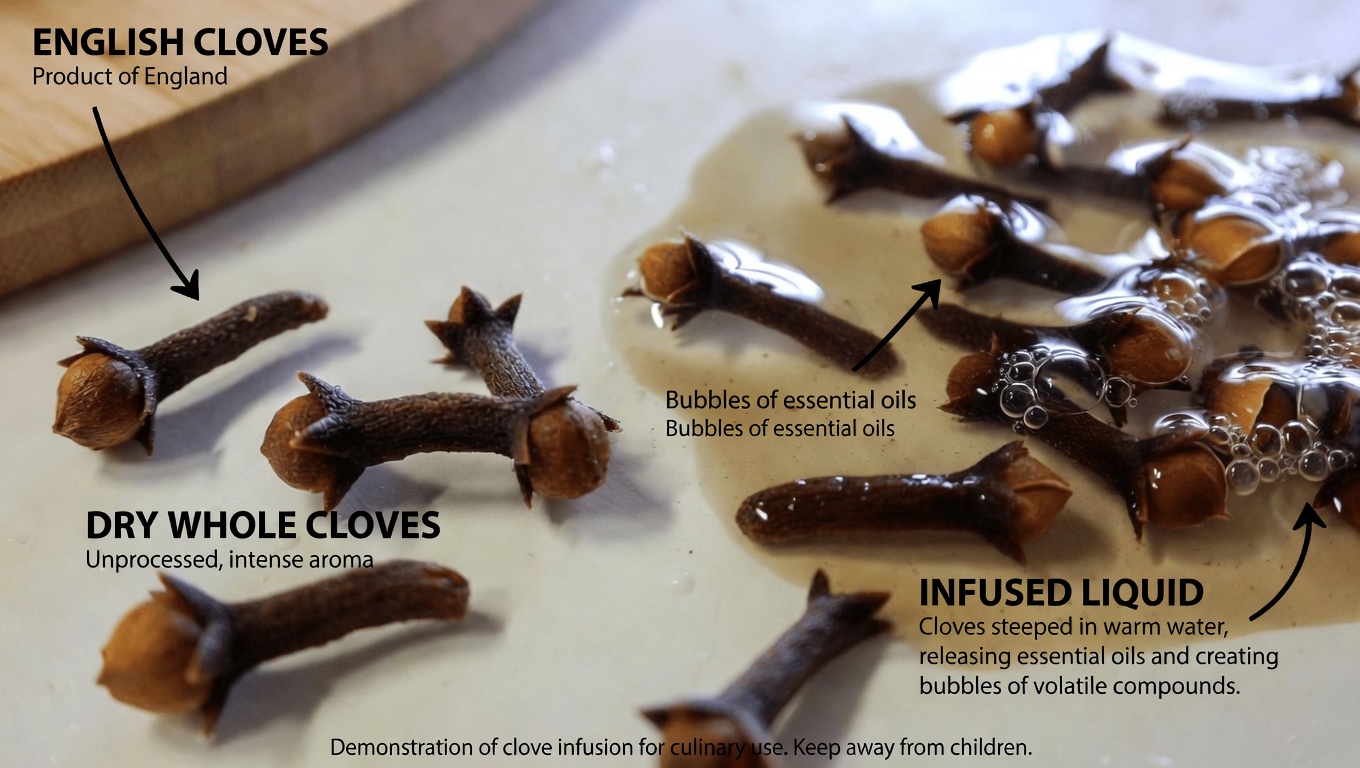
A clove water sitz bath is a shallow soak using warm water that has been infused with whole cloves. You sit in the basin (or a shallow tub) so the perineal and external vulvar area can benefit from gentle warmth and the aromatic infusion.
Even without herbs, warm sitz baths are commonly recommended postpartum because heat can:
- Encourage circulation
- Ease minor swelling or soreness
- Support comfort during healing
Adding cloves introduces eugenol and related plant compounds that are being explored for their ability to calm irritation and limit certain microbes in lab settings.
Why Many Women Choose This Option
- Affordable and accessible (whole cloves are easy to find)
- Simple to prepare at home
- Minimal ingredients, with no synthetic fragrance
- Feels like a relaxing self-care ritual, not a harsh “treatment”
Potential Benefits of Clove Water Sitz Baths (What Research Suggests)
While more clinical studies are needed, research insights into cloves and eugenol point to several possible advantages for intimate comfort and freshness:
- Mild antimicrobial support: Lab research indicates clove extracts can inhibit certain bacteria and fungi often associated with imbalance (including Candida albicans and Staphylococcus aureus). Some models suggest beneficial strains like Lactobacillus may be less affected under controlled conditions.
- Soothing warmth for postpartum or minor irritation: Sitz bath heat alone is known to support perineal comfort by improving blood flow and reducing swelling. Traditional clove use adds a potential anti-inflammatory element.
- Odor and “freshness” support: By potentially reducing microbial byproducts in some research contexts, clove water may help with mild odor concerns without masking them with fragrance.
- Comfort for itch-prone skin: Eugenol has been evaluated for calming irritation when used topically in diluted preparations.
- Balance and pH considerations: Ethnobotanical and pharmacological discussions suggest eugenol may influence microbial environments in a gentler way, but human evidence is still developing.
Anecdotally, some women also report fewer flare-ups, better comfort around menstruation or intimacy, and a general sense of pelvic ease—partly due to the circulation benefits of warm water.
Step-by-Step: How to Do a Clove Water Sitz Bath Safely
Adjust based on your comfort level, and check with a clinician first if you have medical concerns.
1) What You’ll Need
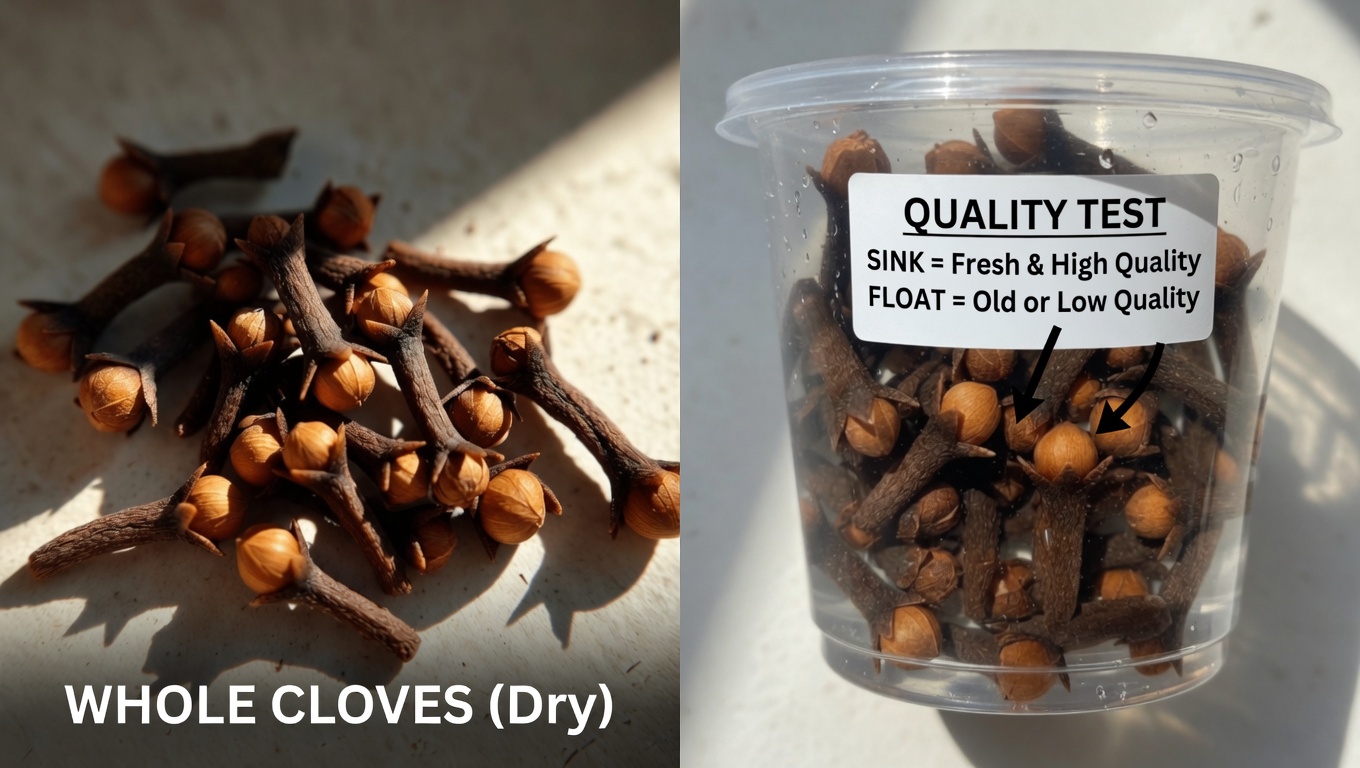
- 15–25 whole cloves (organic if available)
- 2 quarts / ~2 liters of clean water
- A clean sitz bath basin (fits on a toilet) or a shallow tub
2) Prepare the Infusion
- Bring the water to a boil.
- Add the cloves.
- Reduce heat and let it steep for 10–15 minutes.
- Cool to a comfortably warm temperature: 100–104°F (38–40°C). Test with your wrist—warm, not hot.
3) Set Up and Soak
- Pour the infusion into your sitz basin or shallow tub (strain cloves out if you prefer).
- Sit and soak for 10–15 minutes.
- Pat dry gently afterward. Rinsing isn’t required unless you’re sensitive.
Beginner-Friendly Schedule
- Week 1: Every other day to evaluate freshness and comfort
- Week 2 and beyond: 2–3 times per week, or as needed
- Maintenance: 1–2 times weekly once you reach your desired comfort level
Practical Tips Women Commonly Use
- Reuse the cloves up to 2–3 times (store the infusion refrigerated between uses).
- If you’re not sensitive, add Epsom salt (1–2 tablespoons) for extra soothing.
- Some women prefer using it during menstruation for comfort (use a dark towel to protect surfaces).
- If you notice tingling, rinse with plain water and reduce clove concentration next time.
Clove Sitz Bath vs. Common Alternatives (Quick Comparison)
-
Scented wipes
- Comfort: immediate
- Effect: short (hours)
- Cost: higher
- Balance risk: often higher due to fragrance/chemicals
-
Boric acid suppositories
- Comfort: hours to days
- Effect: days
- Cost: moderate
- Balance risk: sometimes (not for everyone; needs caution)
-
Tea tree-based products
- Comfort: hours
- Effect: days
- Cost: higher
- Balance risk: frequently irritating for sensitive skin
-
Clove water sitz bath
- Comfort: minutes to hours
- Effect: often 24+ hours (varies)
- Cost: very low (often pennies per use)
- Balance risk: typically lower when properly diluted
What Results Might Feel Like Over 30 Days
Many women describe feeling less “on alert” about odor or irritation and more able to focus on life—getting dressed without second-guessing, feeling comfortable during normal routines, and shifting from reactive fixes to a calmer self-care rhythm.
If you want to try it, start with a mild infusion, pay attention to how your body responds, and adjust gradually.
Frequently Asked Questions
Is a clove water sitz bath safe for everyone?
Many women find it gentle, but it’s best to speak with a healthcare professional first—especially if you are pregnant, recently postpartum with stitches, or dealing with active symptoms.
How often should I do a clove sitz bath?
A common starting point is 2–3 times per week. If you experience dryness, tingling, or increased irritation, reduce frequency or concentration.
Can this replace medical treatment for BV or yeast infections?
No. A clove water sitz bath is a supportive hygiene and comfort practice, not a replacement for diagnosis or evidence-based treatment. If symptoms persist, return frequently, or worsen, seek medical care.
Disclaimer
This article is for informational purposes only and does not provide medical advice. Consult a qualified healthcare professional before trying new remedies, especially if you are pregnant, postpartum, have underlying health conditions, or have persistent symptoms. Individual results vary, and natural approaches should complement—not replace—appropriate medical care.