High Blood Pressure Can Be Silent — Until It Isn’t
High blood pressure often builds gradually with little to no obvious warning. Many people assume they would notice if something was wrong, yet small shifts in the body are easy to dismiss—until they begin affecting comfort, stamina, and everyday life. Over time, this quiet pressure can place extra stress on the heart and blood vessels.
What many people don’t realize is how easily early clues can hide in plain sight. Below, you’ll learn what to watch for and what you can do.
Why High Blood Pressure Is Commonly Missed
High blood pressure—also known as hypertension—occurs when the force of blood against artery walls stays elevated over time. Major health organizations, including the American Heart Association, report that millions of adults live with hypertension without knowing it.
The reason is simple: early symptoms are often mild, inconsistent, or mistaken for everyday issues like stress, lack of sleep, dehydration, or aging.
Long-term uncontrolled blood pressure can raise the risk of heart disease and other serious complications. Recognizing potential warning signs early can help you speak with a healthcare professional sooner and make supportive lifestyle adjustments before problems escalate.
10 Early Signs of High Blood Pressure to Take Seriously
1. Morning Headaches That Keep Returning
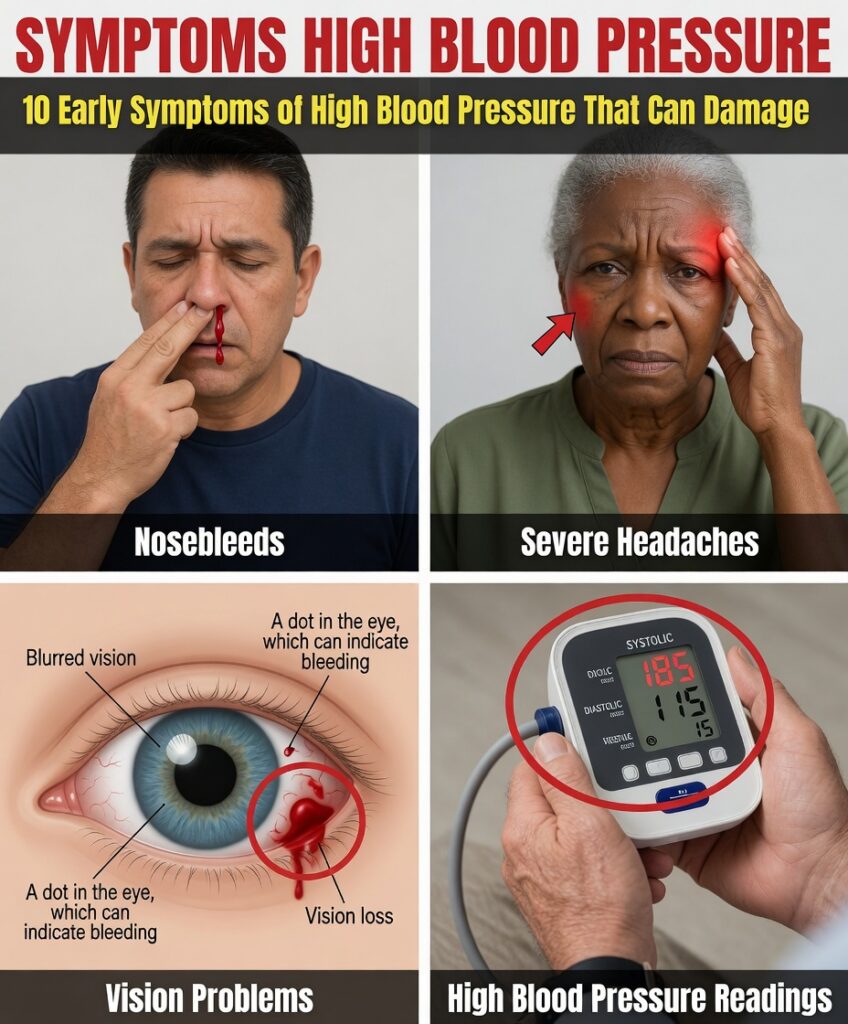
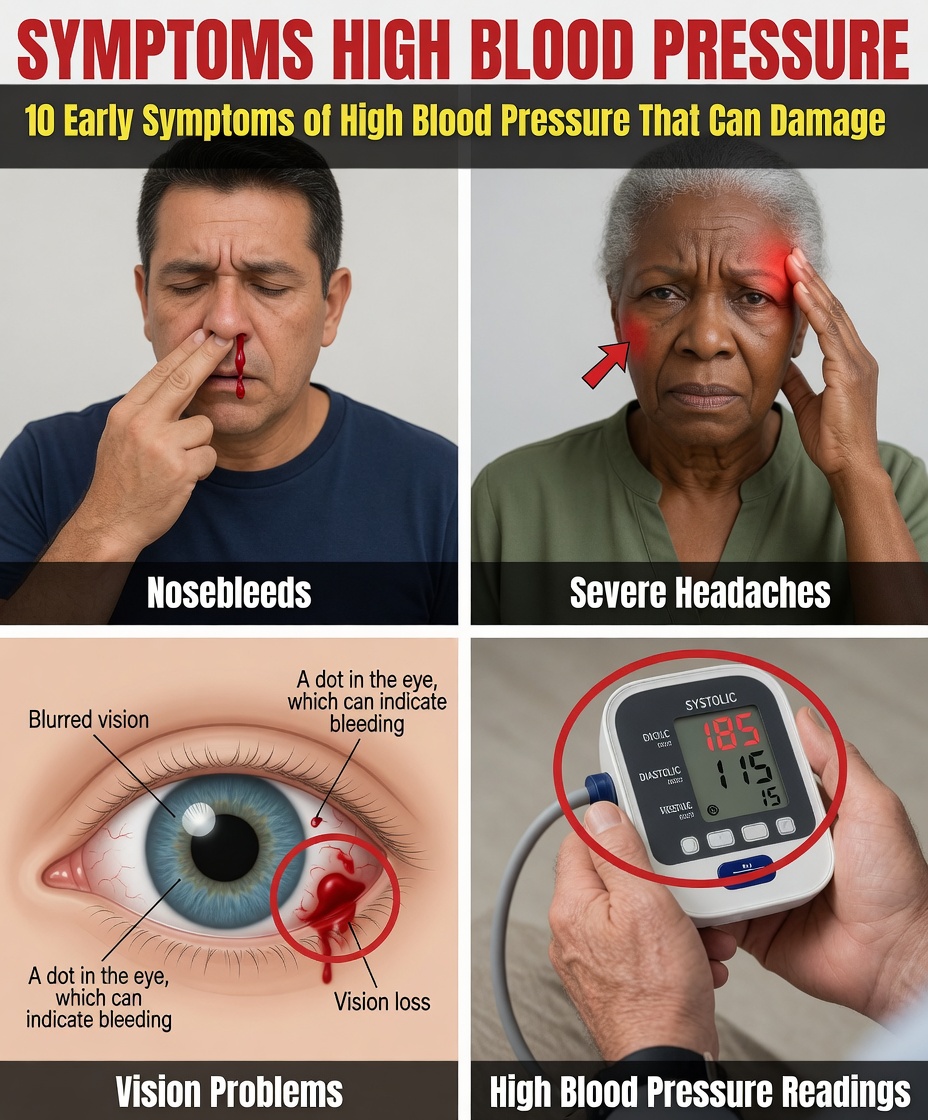
Some people experience a dull headache soon after waking, often described as pressure toward the back of the head. Because headaches have many possible causes, this symptom alone is not proof of hypertension—but frequent morning headaches are worth discussing with a professional, especially when combined with other signs.
2. Repeated or Unexplained Nosebleeds
Occasional nosebleeds are common and usually harmless. However, recurring nosebleeds without a clear trigger may sometimes appear alongside elevated blood pressure. Think of this as a possible piece of a larger puzzle, not a standalone diagnosis.
3. Getting Winded From Light Activity
If climbing stairs or doing gentle tasks suddenly leaves you unusually short of breath, your cardiovascular system may be working harder than usual. Over time, higher blood pressure can increase resistance against which the heart must pump, potentially reducing endurance.
If your breathing capacity changes without a clear explanation, don’t brush it off.
4. Facial Flushing Episodes
Some people notice periodic facial warmth or redness. Flushing can be triggered by spicy foods, heat, alcohol, emotions, or stress—but in some cases it may occur alongside higher blood pressure. Patterns matter more than isolated incidents.
5. Frequent Dizziness or Lightheadedness
Feeling dizzy when standing up quickly can be normal. Still, repeated lightheadedness that has no obvious cause deserves attention. Blood pressure fluctuations can sometimes contribute to this sensation.
6. Blurry Vision or Trouble Focusing
Your eyes depend on delicate blood vessels to function well. Persistent high blood pressure may affect these vessels over time, potentially leading to blurry vision or difficulty focusing. Because vision changes can interfere with daily life and may signal broader health issues, they should be evaluated—especially if ongoing.
7. Chest Tightness or Discomfort
Chest sensations may come from many sources, including anxiety, reflux, or muscle strain. But persistent, recurring, or unexplained chest discomfort should never be ignored. Hypertension can increase strain on the heart.
If chest pain is severe, sudden, or accompanied by other alarming symptoms, seek emergency care immediately.
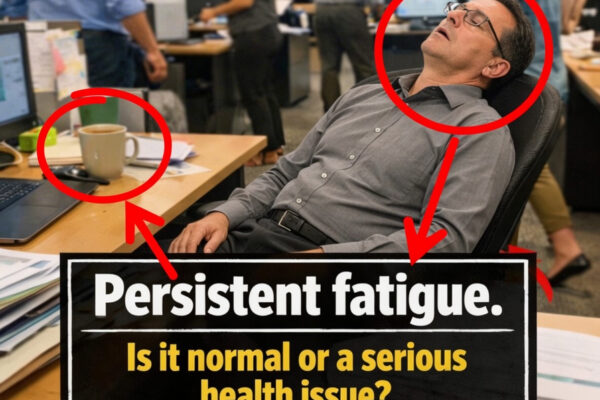
8. Ongoing Fatigue With No Clear Reason
When blood pressure stays high, the heart has to work harder to circulate blood efficiently. Over time, that extra workload can show up as tiredness that doesn’t improve even with rest.
9. Increased Awareness of Irregular Heartbeat
Some people become more aware of their heartbeat, especially at night—such as fluttering, pounding, or skipped beats. Palpitations can result from stress, caffeine, poor sleep, or dehydration. But when they appear along with other symptoms, they may reflect cardiovascular strain.
10. Difficulty Concentrating or Mild Memory Slips
The brain relies on steady, healthy blood flow. Some individuals with elevated blood pressure report trouble concentrating, mental “fog,” or mild memory issues. Occasional forgetfulness is normal, but persistent cognitive changes are worth discussing with a healthcare professional.
Most importantly: these signs are often subtle and easy to explain away—so relying on symptoms alone is unreliable.
Why Symptoms Aren’t a Reliable Way to Detect Hypertension
High blood pressure is often called a “silent condition” for a reason: many people feel completely normal, even when readings are dangerously high. That’s why routine checks are recommended even if you feel fine.
- Symptom-based awareness can miss silent cases and tends to be reactive.
- Regular monitoring detects changes early and provides measurable data you can track over time.
Waiting until you “feel” high blood pressure can delay action.

Risk Factors That Make High Blood Pressure More Likely
Knowing your risk profile helps you stay proactive. Common risk factors include:
- Family history of high blood pressure
- Sedentary lifestyle
- High sodium intake
- Excess body weight
- Chronic stress
- Smoking
- Heavy or frequent alcohol use
Population research consistently shows that lifestyle patterns strongly influence blood pressure trends over time. The encouraging part is that many of these factors can be improved.
Daily Habits That Support Healthy Blood Pressure
These practical, evidence-informed strategies can support cardiovascular health and help manage blood pressure over time.
1. Check Blood Pressure at Home
Use a validated home monitor and measure at a consistent time each day. Sit quietly for about five minutes beforehand, then record your readings in a simple log to share with your healthcare provider. Consistency matters more than perfection.
2. Cut Sodium Gradually
Instead of drastic changes, reduce sodium step by step:
- Choose fresh foods more often
- Limit packaged and processed snacks
- Read nutrition labels carefully
- Season meals with herbs, citrus, garlic, and spices instead of extra salt
Moderate sodium reduction is often associated with healthier blood pressure levels.
3. Move More, Starting Where You Are
A common goal is 150 minutes of moderate activity per week, such as brisk walking. If that feels like too much at first, begin with 10-minute sessions and build slowly. Regular movement supports circulation and helps the heart work more efficiently.
4. Protect Your Sleep
Sleep quality affects blood pressure regulation. Helpful habits include:
- Keep a consistent sleep and wake schedule
- Reduce screen time before bed
- Make the bedroom dark, cool, and quiet
5. Manage Stress With Intention
Stress can temporarily raise blood pressure, and chronic stress can make healthy routines harder to maintain. Simple stress-supporting practices include:
- Deep breathing
- Gentle stretching
- Time outdoors
- Journaling or brain-dumping thoughts
Small daily actions can add up over time.
6. Aim for a Healthy, Sustainable Weight
Even modest weight loss can support healthier blood pressure for many people. Focus on realistic, maintainable routines rather than extreme diets—this approach is where long-term improvement often happens.
When to Talk to a Healthcare Professional
Schedule an appointment if you:
- Notice several symptoms repeatedly from the list above, or
- Get consistently elevated readings with home monitoring
Early medical guidance can help clarify what’s happening, rule out other causes, and create a personalized plan. High blood pressure is manageable—especially when it’s identified early and supported with consistent habits.
Key Takeaway
High blood pressure rarely announces itself loudly. More often, it shows up as quiet shifts—fatigue, mild headaches, breathlessness, or reduced focus. The most reliable protection isn’t waiting for symptoms, but building daily habits and monitoring blood pressure regularly so you can act early and confidently.