
Managing Blood Sugar Without Giving Up Fruit
Keeping blood glucose steady can feel exhausting—especially when “healthy” foods come with mixed messages. Many people want to enjoy fruit but worry it will trigger a spike or undo their progress. The reality is more encouraging: the right fruits, eaten in the right way, can support more stable blood sugar rather than sabotage it. And one simple strategy near the end may completely change how you think about eating fruit.

Why Fruit Still Belongs in a Blood Sugar–Friendly Diet
Fruit contains natural sugars, so it’s easy to assume it should be avoided. But focusing only on sugar misses the bigger nutritional picture.
Whole fruits also deliver:
- Fiber (slows digestion and glucose absorption)
- Antioxidants and polyphenols (support metabolic and heart health)
- Vitamins and minerals (including vitamin C and potassium)
- Hydration (especially from high-water fruits)
Large population studies reported in journals such as The BMJ and Diabetes Care have linked whole fruit intake with healthier long-term metabolic outcomes when fruit is part of an overall balanced eating pattern.
The takeaway isn’t to eliminate fruit—it’s to choose wisely and keep portions realistic.
Top 3 Fruits That Tend to Work Well for Stable Blood Sugar
1. Berries: Small Fruit, Big Advantages
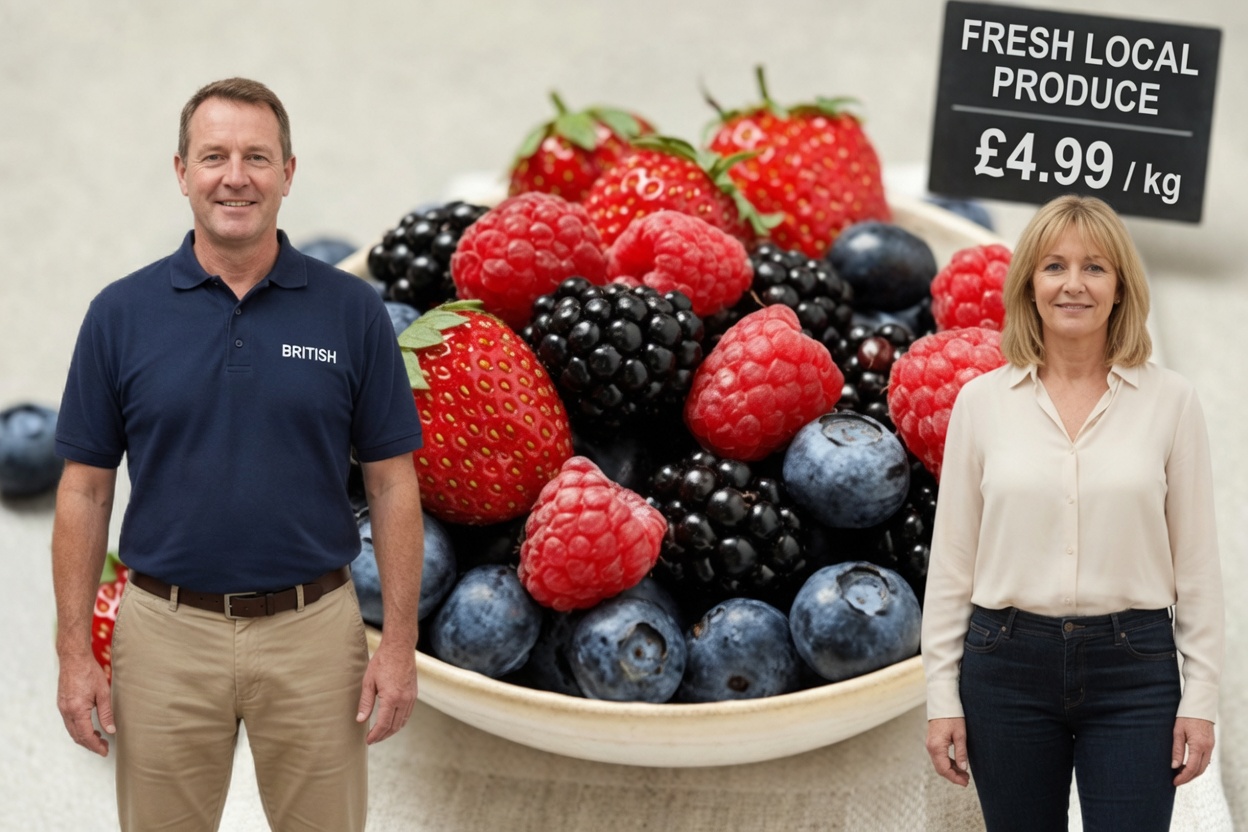
Berries are often considered one of the most glucose-friendly fruit choices.
Why berries stand out
Strawberries, blueberries, raspberries, and similar berries are typically lower in sugar than many tropical fruits. They’re also rich in fiber and polyphenols, plant compounds frequently associated in nutrition research with better insulin function and reduced oxidative stress.
Benefits that make berries a smart pick
- Fiber helps slow how quickly sugar enters the bloodstream
- Usually lower glycemic impact than many other fruits
- High in antioxidants that support cardiovascular health
- Easy to portion because they’re small and filling
For instance, 1 cup of strawberries contains roughly 7 g of sugar and about 3 g of fiber—and that fiber acts like a natural “buffer.”
Some research also suggests berries may improve post-meal glucose response, meaning the rise after eating may be less sharp.
How to eat berries for the best effect
Pair them with protein or healthy fats, such as:
- Plain Greek yogurt
- Nuts or seeds
- Cottage cheese
This combo tends to slow absorption and keeps you full longer.
2. Apples: Sweet Taste, Strong Metabolic Support
Apples can taste quite sweet, which leads some people to assume they’re a bad choice. But sweetness doesn’t tell the whole story.
What makes apples helpful
Apples contain pectin, a type of soluble fiber known for slowing digestion and supporting a steadier blood sugar response.
Research also suggests people who eat whole apples tend to have better metabolic markers than those who rely on fruit juice.
Why whole apples beat apple juice
- The fiber stays intact
- Chewing slows how fast you eat
- More natural portion control
- Typically lower glycemic impact than juice
Even 100% fruit juice can raise blood sugar more quickly because the fiber that moderates absorption has been removed.
Best way to eat an apple
- Keep the skin on (much of the fiber and antioxidants are there)
- Try pairing apple slices with:
- Almond butter
- Peanut butter
- Cottage cheese
That combination balances carbohydrates with protein and fat.
A surprising extra tip: chilling sliced apples in the refrigerator for a few hours may slightly increase resistant starch, which can slow digestion a bit more.
3. Peaches: Juicy, Satisfying, and More Balanced Than You’d Expect
Peaches don’t always make the “best fruits for blood sugar” lists, but they deserve a spot.
Why peaches can work
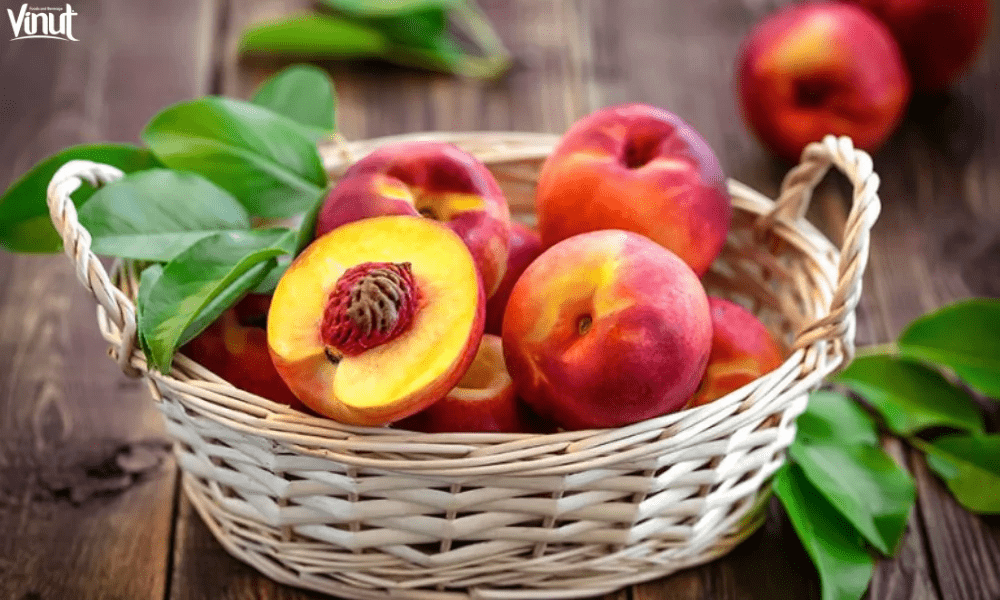
A medium peach contains about 13 g of natural sugar and roughly 2 g of fiber, plus vitamin C and beneficial plant compounds. When eaten whole and in reasonable portions, peaches generally land in a moderate glycemic load range.
What makes peaches a practical option
- High water content for hydration
- Provide antioxidants that support overall wellness
- A single fruit is an easy built-in portion
- Helps satisfy sweet cravings without processed sugar
The key is context: one whole peach is very different from canned peaches in syrup or peach-flavored desserts.
Smart ways to enjoy peaches
- Choose fresh or frozen peaches with no added sugar
- Skip “heavy syrup” varieties
- Pair with protein or fiber boosters like:
- Plain yogurt
- Chia seeds
Quick Comparison: Sugar, Fiber, and Typical Glycemic Impact
Here’s a simple snapshot to guide your choice:
-
Berries (1 cup)
- Sugar: ~7–15 g
- Fiber: ~3–8 g
- Impact: Low
-
Apple (1 medium)
- Sugar: ~19 g
- Fiber: ~4 g
- Impact: Low to moderate
-
Peach (1 medium)
- Sugar: ~13 g
- Fiber: ~2 g
- Impact: Moderate
People respond differently, so your best guide is still your own data—especially if you check glucose after meals.
The Part Most People Miss: How You Eat Fruit Matters as Much as Which Fruit
Choosing better fruits helps, but it’s not the whole solution. Timing and pairing can make an even bigger difference.
Try these blood sugar–friendly strategies:
- Eat fruit with protein (eggs, yogurt, nuts)
- Add healthy fats (chia seeds, nut butter)
- Include fruit as part of a meal, not always as a standalone snack
- Keep an eye on portion size, especially with sweeter fruits
Nutrition research supports this approach: combining carbohydrates with protein and fat tends to slow gastric emptying, which can reduce sharp post-meal glucose rises.
One surprising timing tip: many people notice steadier glucose when they eat fruit after a meal rather than on an empty stomach—because the meal’s protein, fat, and fiber may help buffer absorption.
Small adjustments can create noticeably better results.
A Simple 3-Step Plan You Can Use Today
-
Pick one fruit
- Start with berries, an apple, or a peach
-
Pair it strategically
- Add Greek yogurt, a boiled egg, nuts, seeds, or cottage cheese
-
Watch your response
- If you use a glucose monitor, check before eating and again 1–2 hours after
- Look for patterns over time rather than reacting to a single reading
Consistency beats perfection.
Common Mistakes That Make “Healthy Fruit” Less Helpful
Avoid these pitfalls:
- Drinking fruit juice instead of eating whole fruit
- Overdoing dried fruit (easy to eat too much)
- Choosing fruit packed in heavy syrup
- Assuming all sweet-tasting fruit must be eliminated
The goal is sustainable balance—not harsh restriction.
The Emotional Side of Blood Sugar Management
Blood sugar control isn’t only about physiology. It can be emotionally draining, especially when you feel deprived.
When people feel restricted, they often rebound into frustration and overeating. Allowing satisfying, whole-food options—like properly portioned fruit—can improve long-term adherence and make healthy habits easier to maintain.
Conclusion: Small Fruit Choices Create Real Progress
Berries, apples, and peaches can fit into a blood sugar–supportive eating plan when eaten whole, in reasonable portions, and paired thoughtfully. They offer fiber, antioxidants, hydration, and satisfaction—without requiring you to give up fruit entirely.
The real “secret” is not avoidance. It’s learning to:
- choose better options,
- combine them with balanced foods,
- and pay attention to how your body responds.
When smart fruit choices are layered onto balanced meals, regular movement, and consistent monitoring, you’re building a lifestyle that lasts.
Frequently Asked Questions
-
Can people managing blood sugar eat fruit every day?
Yes. Whole fruit can be part of a balanced routine when portions are reasonable and fruit is paired with protein or healthy fats. Monitoring helps personalize what works best for you. -
Which fruits should be limited?
Fruits with highly concentrated sugars—such as dried fruit—often need tighter portion control because it’s easy to consume a lot of sugar quickly.