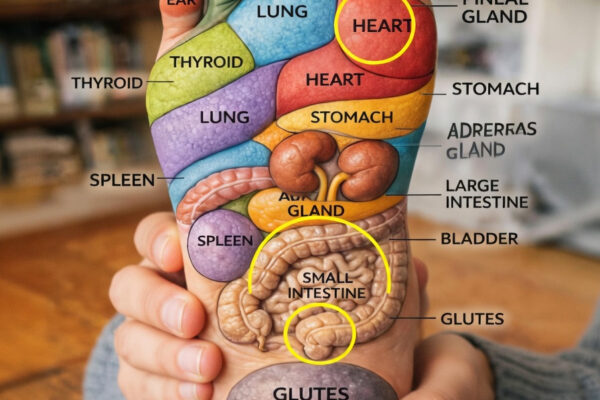
Many older adults deal with occasional leg aches, stiffness, or cramps—issues that can turn simple routines like walking, standing up, or climbing stairs into uncomfortable, tiring tasks. With age, changes in muscle performance, nerve signaling, and mobility are common, often influenced by lower activity levels, shifts in nutrient absorption, and long-term wear on the body. Over time, these challenges can affect confidence, independence, and overall quality of life.
The encouraging news: building strong nutritional support through food (and supplements when appropriate and medically supervised) may help maintain muscle function and ease some discomfort. Several vitamins and minerals are closely tied to muscle relaxation, nerve communication, and bone stability—factors that can contribute to steadier, stronger legs. Even more interesting, one lesser-known nutrient has recently stood out in research for helping reduce nighttime leg cramps in older adults.

Why Leg Strength and Mobility Become More Important With Age
Healthy legs are central to staying active and independent. When muscles are strong and circulation is working well, it’s easier to maintain balance, reduce fall risk, and manage daily activities like shopping, household chores, or getting in and out of a car.
In some cases, inadequate intake of key nutrients can contribute to fatigue, muscle tightness, or occasional spasms. While nutrition is only one part of the picture, consistent, balanced intake can offer meaningful support. Health resources and research summaries—including those from organizations like Cleveland Clinic and publications such as Verywell Health—commonly emphasize the role of electrolytes and essential vitamins in supporting muscle and nerve function, especially in seniors.
8 Essential Vitamins and Nutrients That Support Leg Health
Below are eight nutrients frequently discussed for supporting muscle function, mobility, and occasional leg discomfort in older adults. Food should be the primary source whenever possible, and supplements should be considered only with professional guidance.

1. Vitamin D: The “Sunshine Vitamin” for Strength and Movement
Vitamin D helps the body absorb calcium, which is crucial for both bone strength and muscle contraction. Many seniors have reduced vitamin D levels due to less sun exposure, changes in skin synthesis, or reduced absorption.
Research consistently links healthy vitamin D status with better muscle performance, while low levels are often associated with weakness and reduced mobility. Natural sources include:
- Fatty fish (salmon, mackerel, sardines)
- Fortified milk or plant-based alternatives
- Egg yolks
2. Magnesium: Supporting Muscle Relaxation and Nerve Signaling
Magnesium plays a key role in helping muscles relax after they contract and supports normal nerve transmission. It is often mentioned in discussions about cramps. While evidence specifically for cramp relief in seniors is mixed, magnesium remains essential for overall muscular and neuromuscular health.
Best food sources include:
- Nuts and seeds
- Leafy greens (especially spinach)
- Whole grains
- Legumes (such as black beans)
3. Potassium: Electrolyte Balance for Muscle Function
Potassium works with sodium to regulate fluid balance and support nerve impulses that drive muscle movement. When potassium is low, some people may be more prone to weakness or cramping.
Potassium-rich foods include:
- Bananas
- Sweet potatoes
- Avocados
- Beans
4. Calcium: Essential for Muscle Contractions and Bone Stability
Calcium is a primary mineral involved in muscle movement and is also critical for maintaining bone density—an important factor for leg stability and fall prevention. Calcium and vitamin D work best together, since vitamin D improves calcium absorption.
Good dietary sources include:
- Dairy (milk, yogurt, cheese)
- Fortified non-dairy milks
- Leafy greens
- Sardines
5. Vitamin K2: A Promising Option for Nighttime Leg Comfort
Vitamin K2 has gained attention due to recent clinical evidence. A randomized trial published in JAMA Internal Medicine involving older adults reported that vitamin K2 supplementation reduced the frequency, severity, and duration of nocturnal leg cramps compared with placebo, with a favorable safety profile.
This makes vitamin K2 especially noteworthy for seniors who struggle with nighttime leg cramps. Food sources include:
- Fermented foods (notably natto)
- Certain cheeses
6. B Vitamins (B-Complex): Supporting Nerves and Energy Production
B vitamins—especially B1, B6, and B12—help support nerve health and energy metabolism, both of which influence muscle performance. Some small studies suggest B-complex vitamins may help with occasional cramping in older adults, though broader evidence varies.
Dietary sources include:
- Eggs
- Meat and fish
- Fortified cereals
- Leafy greens
7. Vitamin E: Antioxidant Support for Muscles and Circulation
Vitamin E is an antioxidant that helps protect cells from oxidative stress. It is sometimes discussed in relation to circulation and muscle recovery, and may be used alongside other nutrients as part of a supportive approach to muscle health.
Rich sources include:
- Nuts and seeds
- Vegetable oils
8. Zinc: Contributing to Muscle Maintenance and Repair
Zinc supports protein synthesis and immune function, both of which indirectly help maintain muscle tissue over time—particularly important as aging can make it harder to preserve lean mass.
Food sources include:
- Oysters
- Meat
- Beans
- Nuts
Quick Guide: Where to Get These Nutrients in Food
- Vitamin D: fatty fish, fortified dairy/plant milk, sunlight
- Magnesium: nuts, seeds, spinach, beans
- Potassium: bananas, sweet potatoes, avocados
- Calcium: dairy, leafy greens, fortified foods
- Vitamin K2: fermented foods, cheese
- B Vitamins: eggs, meat, whole grains, fortified cereals
- Vitamin E: nuts, seeds, oils
- Zinc: meat, beans, nuts
Practical Ways to Add These Nutrients to Your Day
- Make a nutrient-packed smoothie: spinach (magnesium), banana (potassium), fortified milk (vitamin D + calcium), and a handful of nuts (vitamin E + magnesium + zinc).
- Aim for fatty fish twice weekly: salmon is an easy option for vitamin D and omega-3s that also support circulation.
- Choose Greek yogurt with berries as a snack: a simple way to increase calcium and antioxidants.
- Add leafy greens daily: salads, soups, stir-fries, or blended into smoothies.
- Support nighttime comfort with habits too: stay hydrated and try gentle stretching before bed.
- Track your intake for one week: a basic nutrition app can reveal patterns and possible nutrient gaps.
The Standout Nutrient in Recent Research
Among the nutrients listed, vitamin K2 has recently drawn special interest. In a 2024 randomized clinical trial, older adults who took vitamin K2 experienced meaningful improvements in nighttime leg cramps. While research is ongoing, this finding suggests that targeted nutrient support may offer real comfort for some seniors.
Conclusion: Small Nutrition Shifts, Better Mobility Over Time
Improving leg strength and mobility doesn’t require extreme changes. Consistent, nutrient-rich meals, gentle activity (like walking and light stretching), and personalized medical guidance can go a long way. For many older adults, these steady habits help support more comfortable movement and greater confidence day to day.
FAQ
What are the best foods for occasional leg cramps in seniors?
Foods high in potassium (bananas, potatoes), magnesium (nuts, leafy greens), and calcium (dairy or fortified alternatives) are frequently recommended, along with vitamin D sources like fatty fish.
Can supplements alone solve leg discomfort?
Supplements can help correct nutrient gaps, but results are typically best when combined with balanced eating, hydration, and regular movement. Since evidence varies and interactions are possible, medical guidance is important.
How much vitamin D do older adults usually need?
Many recommendations fall around 600–800 IU per day, but needs differ. A blood test can help determine the right target and whether supplementation is appropriate.
Disclaimer
This article is for informational purposes only and does not provide medical advice. Nutrients support general wellness but do not diagnose, treat, cure, or prevent any condition. Consult a qualified healthcare professional before starting supplements, especially if you have medical conditions or take medications, as interactions and excess intake can occur. Individual results vary.