
Protein in Urine: How Food Choices Can Gently Support Kidney Health
Noticing the phrase “protein in urine” on a lab report can be worrying. It often suggests that the kidneys’ filtering units are under extra pressure—sometimes from everyday issues like blood pressure swings or blood sugar changes. You may also pick up on mild clues such as lingering fatigue, slight swelling around the ankles, or foamy-looking urine. These symptoms aren’t always intense, but they can be a reminder that your kidneys are constantly working in the background.
The encouraging part is that practical diet adjustments—especially nutrient-rich, plant-forward choices—may help support kidney wellness. Research on inflammation, oxidative stress, and overall metabolic health suggests that food can play a meaningful supportive role. Below are seven accessible, research-informed foods that may help reduce kidney workload naturally, including one everyday kitchen staple that often ranks at the top for its versatility.

Why Diet Matters When Protein Appears in Urine
Your kidneys filter your blood continuously. When the filters become strained or damaged, proteins—particularly albumin—can pass into the urine. This is known as proteinuria and is commonly used as a marker of kidney stress.
Diet can influence that strain in several ways:
- High intakes of animal protein may increase filtration pressure in some people, while plant-based proteins are often considered more kidney-friendly in dietary reviews.
- Antioxidant-rich foods can help counter oxidative stress that affects kidney tissues over time.
- High-fiber, lower-sodium eating patterns support healthier blood pressure and blood sugar control—two major factors linked to kidney stress.
A long-term shift toward whole, anti-inflammatory foods may contribute to improved kidney-related markers for some individuals. So which foods are the most practical to start with?
7 Foods That May Support Kidney Wellness (Evidence-Informed Picks)
7) Berries (Blueberries, Strawberries, Cranberries)
Berries are small but powerful. They’re rich in anthocyanins and other antioxidants that may help reduce inflammation and oxidative damage. Many kidney health resources also highlight cranberries for their role in urinary tract support.
Why they’re easy to use:
- Naturally flavorful and widely available
- A fiber boost that supports digestion and steadier energy
- Often a good fit for kidney-conscious eating plans (depending on individual potassium targets)
6) Cauliflower (A Low-Burden, Flexible Vegetable)
Cauliflower is a go-to side dish when you want something satisfying without overloading the body. It provides fiber, vitamin K, and protective plant compounds, while generally staying lower in certain minerals that can be challenging for some kidney patients.
Simple ways to eat it:
- Roast with herbs and olive oil
- Mash as a lighter alternative to heavier starches
- Add to soups for volume and texture

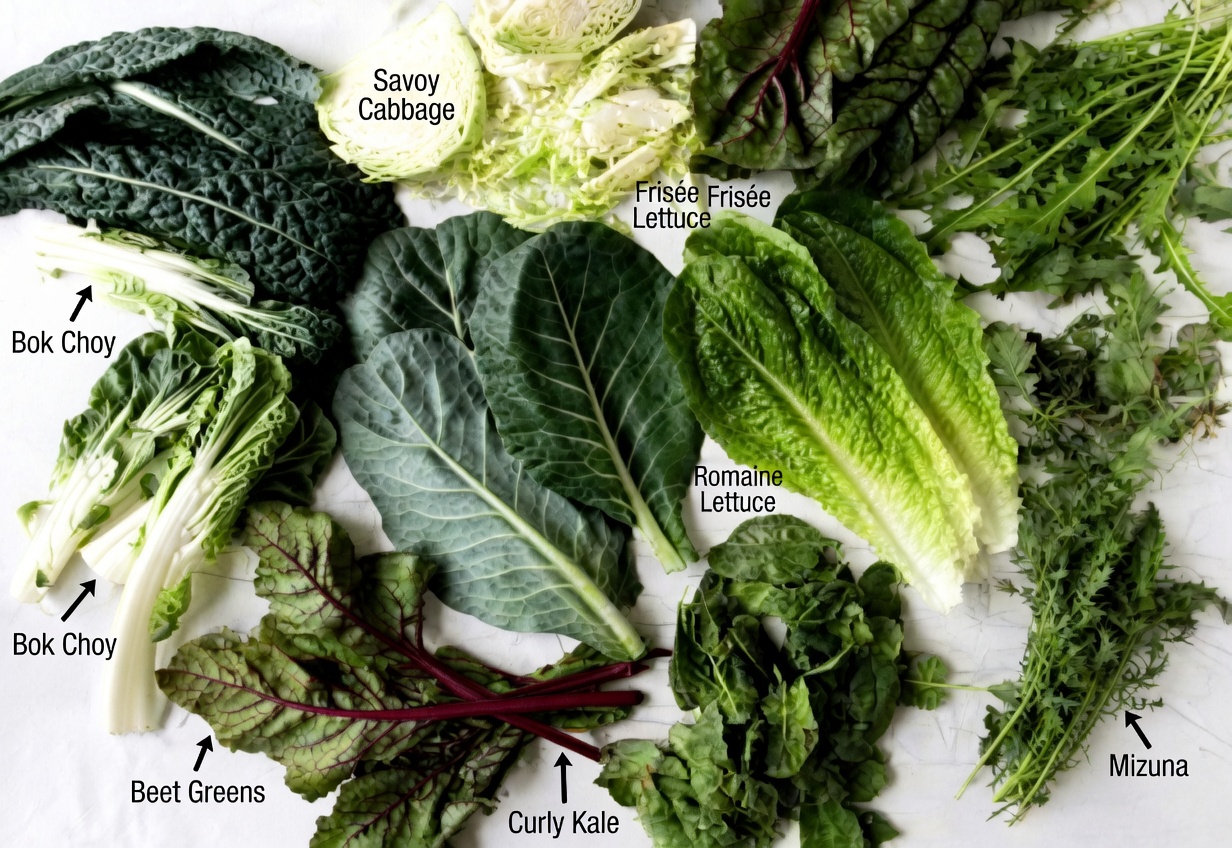
5) Leafy Greens (Such as Arugula or Cabbage)
Not all greens are the same for kidney diets, but options like arugula and cabbage are often used in moderate portions because they offer antioxidants and fiber without being as potassium-dense as some other greens.
Potential benefits:
- Nutrients that support blood pressure management
- Higher vegetable intake is linked in broader research to reduced metabolic strain that can affect kidneys
Easy meal ideas:
- Arugula salad with lemon and garlic
- Lightly steamed cabbage as a side dish or stir-fry base
4) Soy Foods (Tofu, Edamame): A Smarter Protein Option
If you’re aiming to reduce kidney workload, protein quality and source matters. Tofu and edamame provide plant-based protein that may be gentler than meat-heavy patterns in some dietary studies. Meta-analyses have also associated soy intake with improvements in certain kidney-related markers compared with higher animal-protein diets.
Practical uses:
- Stir-fry tofu with vegetables
- Add edamame to salads or grain bowls
- Use tofu in soups for a filling, mild-tasting protein
3) Turmeric (The Golden Anti-Inflammatory Spice)
Turmeric contains curcumin, a compound studied for its anti-inflammatory properties. Some clinical research suggests potential benefits for inflammatory pathways involved in kidney stress, including in specific contexts related to proteinuria.
How to use it:
- Stir into soups, lentils, or rice
- Add to warm tea or “golden milk”
- Combine with a pinch of black pepper to improve absorption
2) Fatty Fish (Such as Salmon, in Moderation)
Fatty fish like salmon provides omega-3 fatty acids, which are associated with reduced systemic inflammation—an important factor in many chronic conditions linked to kidney health. Many nutrition guidelines also support fish as a heart-friendly protein choice, and cardiovascular health strongly overlaps with kidney wellness.
A reasonable routine (if appropriate for you):
- Grilled or baked salmon
- Typically 2–3 servings per week, adjusted to your personal medical guidance
1) Garlic (A Daily Flavor Booster with Real Advantages)
Garlic often earns the top spot because it’s easy to use daily and helps you cut back on salt without sacrificing taste. It contains compounds such as allicin, along with antioxidants that may support healthy circulation and blood pressure—two areas closely tied to kidney strain.
Easy ways to add garlic:
- Mix into salad dressings and marinades
- Sauté into vegetables, soups, and sauces
- Use fresh crushed cloves for the strongest flavor
Quick Reference: What Each Food Offers
- Berries — Antioxidants, often kidney-friendly → supports inflammation balance
Tip: Add to yogurt or oatmeal. - Cauliflower — Fiber + protective plant compounds → gentle, versatile vegetable
Tip: Roast as a simple side. - Leafy greens (arugula/cabbage) — Antioxidants + fiber → supports blood pressure goals
Tip: Use as a salad base or quick sauté. - Soy foods (tofu/edamame) — Plant protein → may reduce dietary strain vs. heavy meat patterns
Tip: Stir-fry tofu with vegetables. - Turmeric — Curcumin → anti-inflammatory support
Tip: Add to curries, soups, or tea. - Fatty fish — Omega-3s → helps manage inflammation (in moderation)
Tip: Bake salmon with herbs and lemon. - Garlic — Flavor + potential blood pressure support without extra sodium
Tip: Use fresh garlic daily where possible.
Actionable Tips: How to Add These Foods Safely
Start with small changes that you can actually maintain:
- Choose 1–2 foods this week (for example: berries at breakfast and garlic at dinner).
- Prioritize whole, minimally processed forms over packaged alternatives.
- Keep an eye on portion sizes, especially if your clinician has you monitoring potassium or phosphorus.
- Pair dietary changes with hydration and gentle movement, when medically appropriate.
- Track how you feel and share updates with your healthcare provider.
If you have kidney disease, diabetes, or hypertension, working with a registered dietitian can help tailor these choices to your lab results and any restrictions.
Conclusion: Small Steps That Can Support Kidney Resilience
Adding berries, cauliflower, arugula or cabbage, soy foods, turmeric, fatty fish (in moderation), and garlic can increase antioxidant intake, shift protein sources in a kidney-friendlier direction, and support inflammation balance. These strategies are not cures—but as consistent habits alongside medical care, they can be a practical way to support kidney resilience without overpromising outcomes.
Frequently Asked Questions
What are common causes of protein in urine?
Protein in urine can occur when kidney filters are stressed or impaired. Common contributors include high blood pressure, diabetes, infections, intense exercise, and certain medications or kidney conditions. It should be evaluated by a clinician for the right diagnosis and next steps.
Can these foods replace medical treatment?
No. These foods are supportive, not a substitute for medical evaluation, prescriptions, or monitoring. Follow your care plan and discuss dietary changes with your provider.
How fast can diet changes improve lab markers?
Timing varies. Some people may see improvements over weeks to months, especially when diet changes are consistent and paired with proper treatment. Regular labs and follow-up are essential.
Disclaimer
This article is for informational purposes only and does not replace professional medical advice. Consult your healthcare provider before making dietary changes, particularly if you have kidney disease or nutrient restrictions.