Many adults over 45 take a daily medication such as amlodipine to keep high blood pressure under control—then find themselves dealing with surprises like ankle swelling by evening or brief dizziness when standing up. These changes can be annoying and even worrying, especially when they get in the way of ordinary routines like walking comfortably or spending active time with family.
Amlodipine is well-known for helping blood pressure by relaxing blood vessels and improving circulation, but some side effects can be easy to misread as “normal aging,” tiredness, or heat-related discomfort. Fortunately, most reactions are mild, often improve as your body adapts, and can be eased with simple strategies. The key is knowing which symptoms are expected and which ones need prompt medical attention.
Why Amlodipine Can Cause Side Effects
Amlodipine is a calcium channel blocker. It lowers blood pressure by helping blood vessels widen, reducing resistance and easing how hard the heart has to work. However, this same “vessel relaxation” can also change how fluid and blood distribute throughout the body.
Several patterns show up consistently in trusted medical references (including sources such as Mayo Clinic and Drugs.com):
- Side effects often relate to dose. Higher doses (for example, 10 mg) are more likely to cause issues like swelling.
- Fluid can pool in the lower legs. This is why peripheral edema (swelling in feet/ankles) is among the most reported effects.
- Many symptoms appear early in treatment and may lessen after days to weeks—yet persistent or worsening symptoms should be reviewed by a clinician.
People often blame swelling or dizziness on standing too long, warm weather, or fatigue. While those factors can contribute, medication effects are a common reason—especially if the timing matches when you started or increased the dose.
How Side Effects May Disrupt Daily Life
Even “mild” symptoms can have real-world impact. For instance:
- Leg and ankle swelling may build throughout the day, making evening walks uncomfortable.
- Lightheadedness when getting up can create fear of falling and may interfere with sleep or confidence during daily activities.
- Ongoing fatigue or headaches can make people feel “off,” reducing motivation to stay active.
The good news: many of these effects can be managed with practical steps, and knowing what’s normal helps you respond calmly and safely.

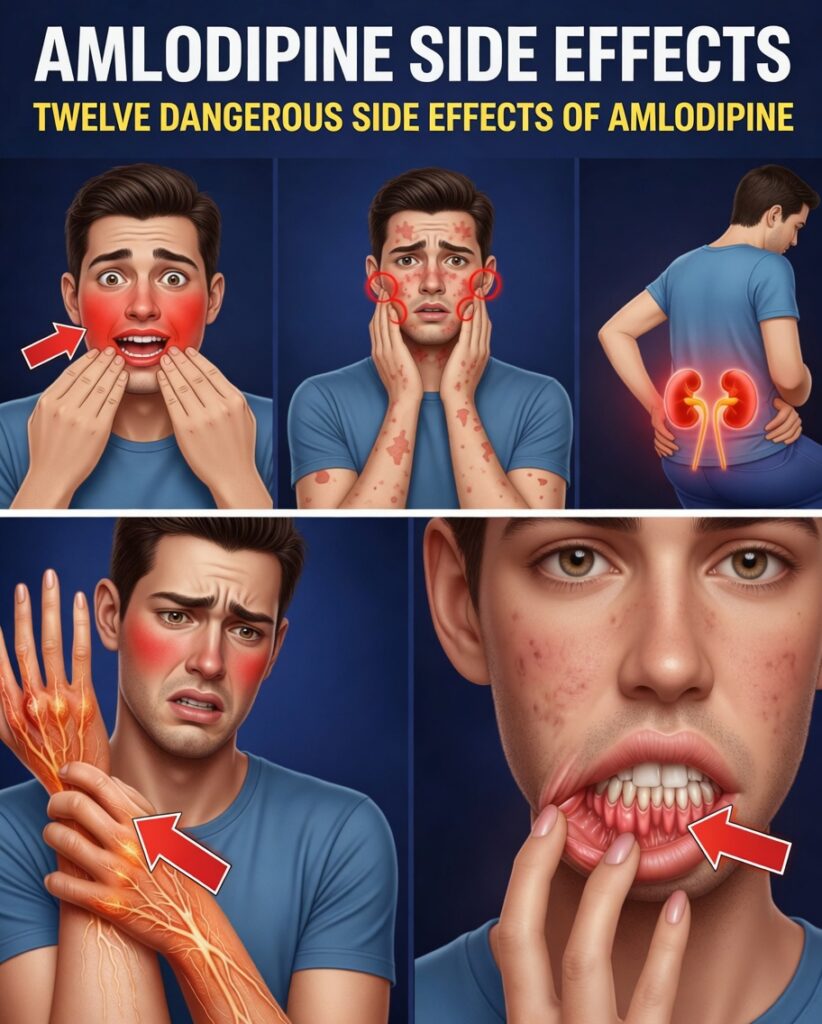
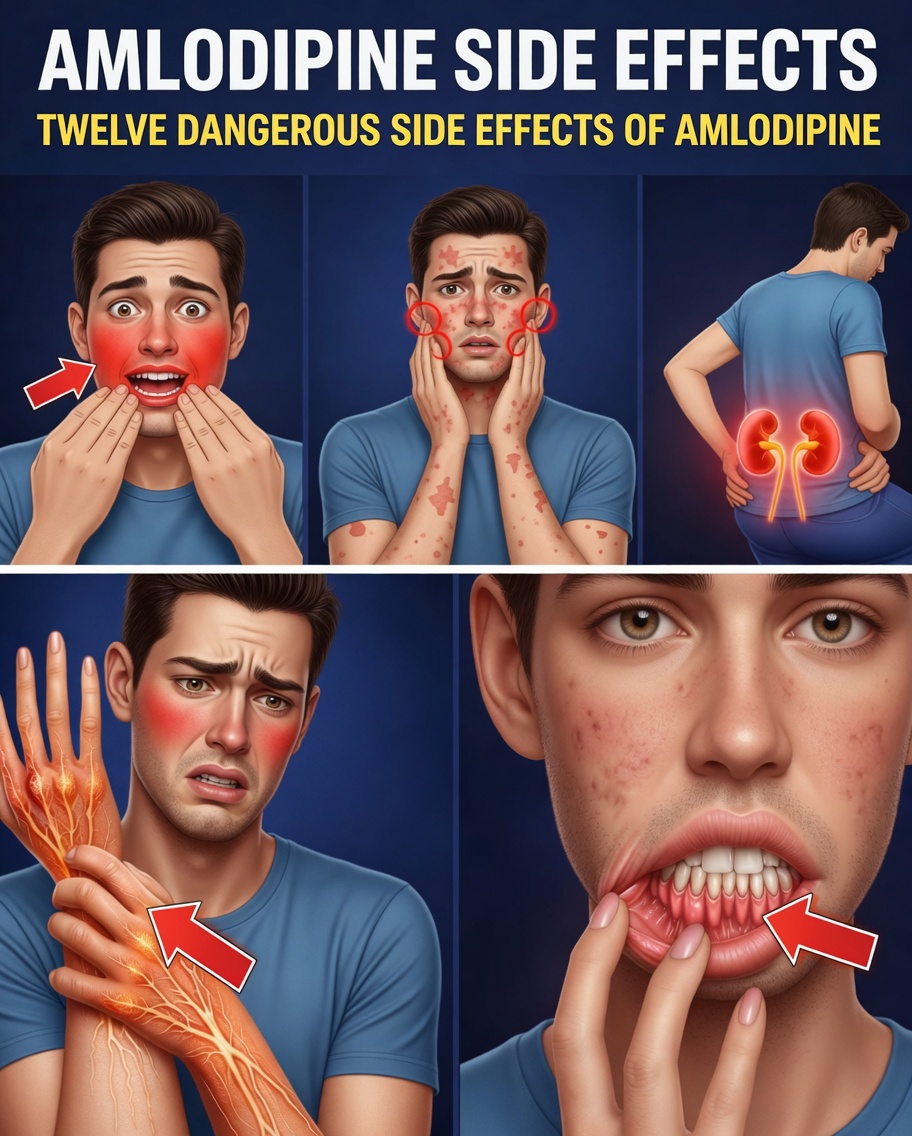
12 Amlodipine Side Effects to Watch For
Not everyone experiences side effects, and intensity varies. Below are commonly reported reactions—starting with those seen more often and moving toward less common but more serious concerns.
-
Flushing or a warm feeling
- A brief warmth or redness in the face, neck, or upper chest due to widened blood vessels.
-
Nausea or stomach upset
- Often mild, sometimes more noticeable at the start of treatment; smaller meals may help.
-
Fatigue or unusual tiredness
- Low energy that can interfere with daily routines; many people improve after the first few weeks.
-
Headache
- Pressure or throbbing as the body adjusts; hydration and routine sleep can reduce it.
-
Palpitations (awareness of heartbeat)
- Sensations of pounding, racing, or skipped beats; monitor frequency and triggers.
-
Dizziness or lightheadedness
- Especially after standing quickly, related to a temporary blood pressure drop; standing up slowly can reduce risk.
-
Gum swelling or gum overgrowth
- Uncommon but recognized; consistent dental care helps detect and manage changes early.
-
Shortness of breath
- New or worsening breathlessness should be discussed promptly with a healthcare professional.
-
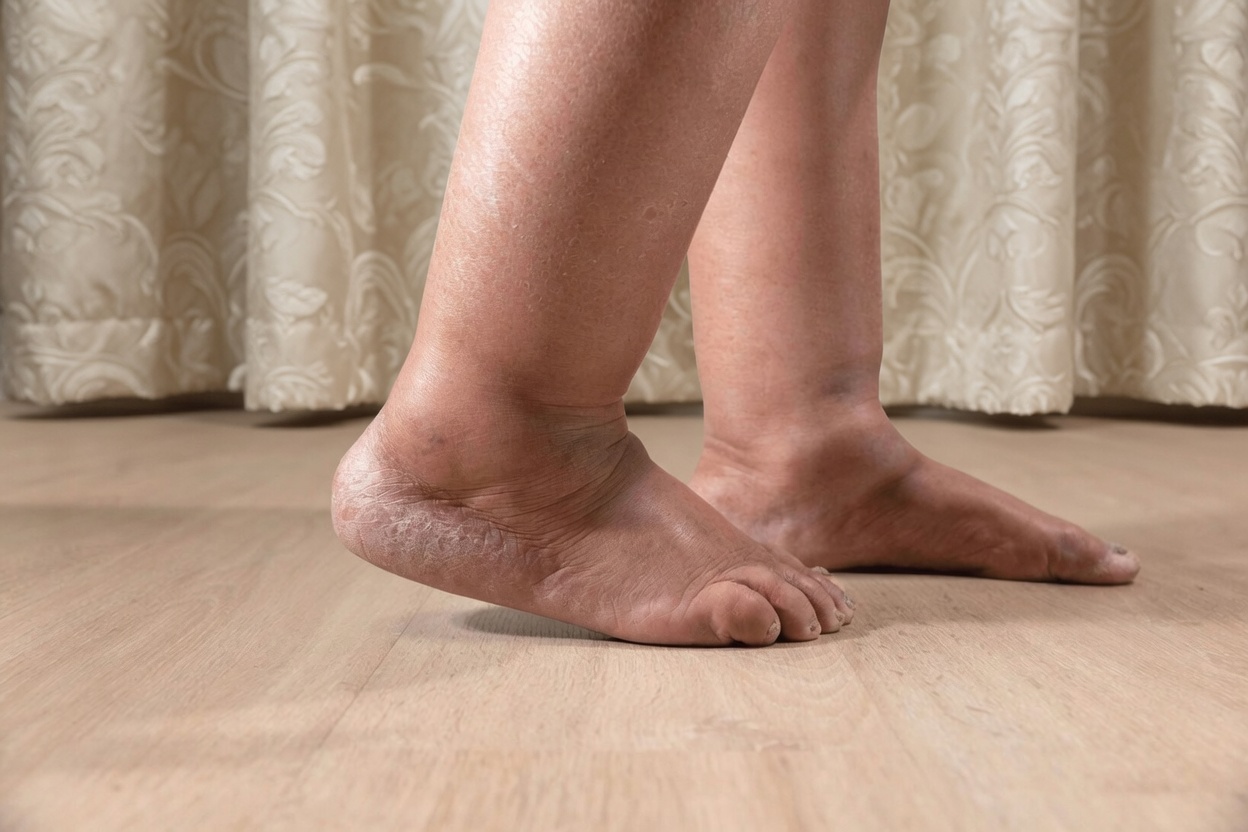
Swelling in ankles, feet, or legs (edema)
- One of the most common concerns; often worse later in the day. Elevation, movement, or compression strategies may help.
-
Allergic reaction symptoms
- Rash, itching, hives, or swelling of lips/face/throat. Seek urgent care if breathing or swallowing is affected.
- Low blood pressure symptoms
- Severe dizziness, fainting, extreme weakness, or confusion may signal over-lowering of blood pressure and needs medical review.
- Worsening chest pain or related warning signs
- Rare but critical: new chest pressure, pain spreading to arm/jaw, cold sweats, or sudden worsening symptoms require emergency evaluation.
Common vs. Less Common/Serious: A Quick Guide
-
More common (often mild)
- Swelling (edema), flushing, headache, dizziness, fatigue, nausea
- Typical cause: blood vessel widening and fluid shifts
- Notes: edema is reported in a notable portion of users and is more likely at higher doses
- What to do: symptoms often improve; lifestyle adjustments may reduce discomfort
-
Less common or potentially serious (act promptly)
- Shortness of breath, severe palpitations, allergic symptoms, fainting, worsening chest pain
- Typical cause: individual sensitivity or rare complications
- What to do: contact a clinician quickly; seek emergency care for chest pain, breathing issues, or signs of severe allergy
Practical Steps You Can Take Today
If you notice side effects, these habits can help you stay in control and communicate clearly with your healthcare team:
-
Track symptoms
- Record when symptoms start, how long they last, and what improves or worsens them.
-
Check blood pressure at home
- Use a validated cuff, especially if dizziness appears. Bring readings to your next appointment.
-
Reduce swelling triggers
- Elevate legs when seated, take short walks or gentle calf movements, and consider compression socks if approved by your clinician.
- Be mindful of salt intake, which can worsen fluid retention.
-
Prevent dizziness
- Stand up slowly, especially from bed or a chair; stay well-hydrated unless you’ve been told to limit fluids.
-
Take amlodipine consistently
- Use the same time daily to keep levels steady.
- Avoid grapefruit unless your clinician confirms it’s safe for you, since it can increase medication effects in some people.
-
Know when to act
- Monitor: mild, occasional symptoms
- Discuss soon: persistent swelling, ongoing dizziness, troublesome fatigue, repeated palpitations
- Urgent/Emergency: chest pain, fainting, severe shortness of breath, facial/throat swelling, severe weakness
Do not stop amlodipine suddenly unless a healthcare professional tells you to—abrupt changes can destabilize blood pressure.
Real-Life Experiences People Commonly Report
Many users describe a learning curve:
- Some notice ankle swelling after weeks or months and feel better with evening leg elevation and a clinician-guided adjustment (such as dose changes or adding another strategy).
- Others report early dizziness that improves once they slow down position changes and keep hydration steady.
These stories highlight a consistent theme: small, informed changes and open communication often improve comfort without sacrificing blood pressure control.
When to Contact Your Doctor
Reach out to a healthcare professional if symptoms:
- persist beyond the first few weeks,
- become uncomfortable enough to limit activity,
- worsen over time, or
- include warning signs such as chest discomfort, fainting, or breathing problems.
Regular follow-ups make it easier to fine-tune treatment and reduce side effects safely.
Frequently Asked Questions
-
How long do amlodipine side effects usually last?
Many mild effects (like flushing or headache) improve within days to a few weeks. If symptoms persist, a clinician may reassess dose or timing. -
Can swelling be managed without switching medication?
Often yes. Leg elevation, gentle movement, compression (if appropriate), and salt reduction can help. Persistent edema should be evaluated. -
Is amlodipine safe for long-term use?
Many people use it for years with good results. Ongoing monitoring ensures it remains the right choice based on your blood pressure, symptoms, and overall health.
Key Takeaway
Staying aware of possible amlodipine side effects helps you act early, remain comfortable, and keep treatment effective. With the right habits—and partnership with your healthcare team—you can focus on the benefits: steadier blood pressure and more active days.
Medical disclaimer: This content is for informational purposes only and does not replace professional medical advice, diagnosis, or treatment. Side effects vary by individual. Always consult your healthcare provider for personalized guidance.