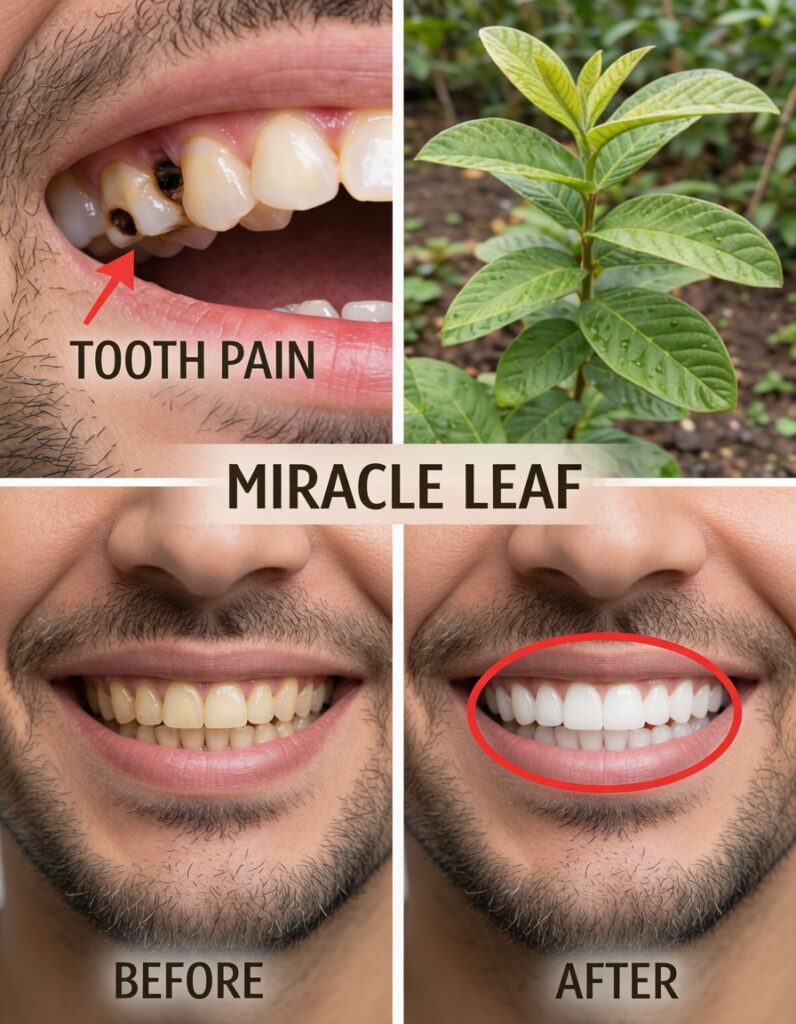
Many people notice tooth discoloration from everyday habits—coffee, tea, richly colored foods—and also worry about plaque buildup that can gradually lead to discomfort. These common issues often push us to look for gentle, daily ways to support oral hygiene without depending entirely on commercial whitening or harsh products. That’s where nature-based oral care remedies continue to attract interest.
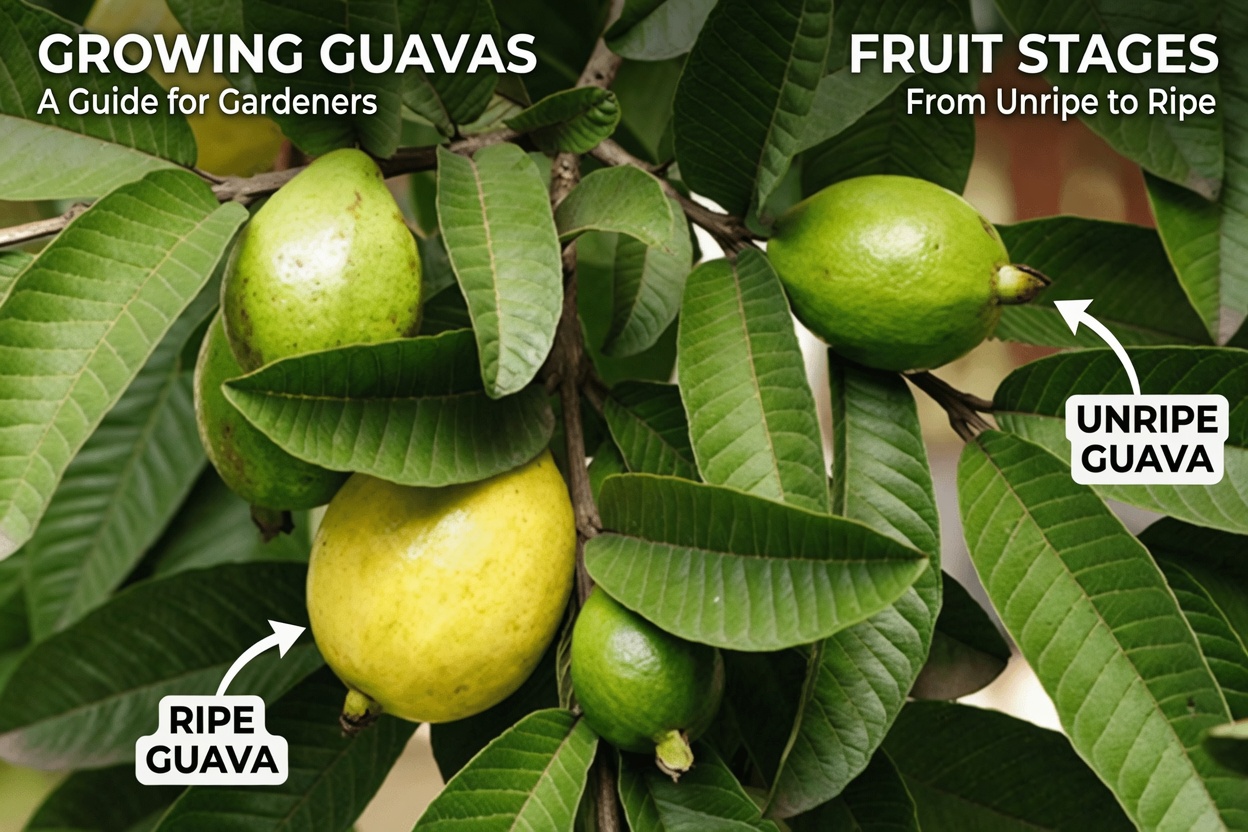
What if a familiar plant could play a supportive role in your routine? Both traditional use and early research highlight guava leaves (from the Psidium guajava tree) as a promising option thanks to their naturally occurring compounds. Studies point to flavonoids and tannins—among other bioactive components—that may help support oral freshness and hygiene. Below, you’ll find practical ways to use guava leaves, plus a noteworthy direction current research is exploring.
Why Guava Leaves Are Mentioned So Often in Oral Care
Guava leaves have been used for generations in many regions as a traditional approach to mouth comfort and everyday cleanliness. Modern attention is driven by their dense mix of plant compounds that researchers continue to study.
- Notable bioactive compounds: Guava leaves contain flavonoids (including quercetin and guaijaverin), tannins, phenolic compounds, and aromatic oils. In various studies, these are associated with antioxidant activity and other supportive properties.
- How they may support oral wellness: Scientific reviews (including discussions in publications such as Pharmacognosy Reviews) describe how guava leaf compounds can interact with oral microbes in laboratory settings. Some findings report inhibitory activity against plaque-related bacteria, including Streptococcus mutans, a well-known contributor to dental plaque concerns.
The key question is how these lab findings and long-standing traditions translate into practical, everyday use—especially for people focused on surface stains and daily maintenance.
Guava Leaves and Teeth Appearance: Tradition Meets Early Evidence
Surface staining can affect confidence, and some natural methods rely on gentle polishing plus supportive antimicrobial effects.
Research exploring herbal oral-care formulations—including experiments using guava powder in toothpaste prototypes—suggests guava-derived ingredients may provide:
- Mild abrasive action that can help lift surface stains in certain settings
- Supportive antibacterial effects that may complement routine brushing
Most whitening-related results are based on controlled testing environments, and outcomes vary. These approaches are not a substitute for professional cleanings or dentist-supervised whitening.
How Guava Leaves Compare to Other Popular Natural Options
- Guava leaves: Potentially gentle polishing (when powdered) + plant compounds associated with antimicrobial support
- Baking soda: Effective abrasive, but overuse can be too harsh for some people
- Activated charcoal: Popular for adsorption, yet long-term oral safety and consistent benefits remain less established
Guava leaves stand out because they’re often described as a balanced option—especially when used thoughtfully and moderately.
How Guava Leaves May Support Daily Oral Hygiene and Plaque Control
Beyond appearance, long-term comfort depends heavily on plaque management and maintaining a healthier balance of oral bacteria. Several studies—including small human trials involving guava-based rinses—suggest guava leaf preparations may help support oral cleanliness.
Examples described in research include:
- Aqueous (water-based) extracts that were associated with reduced plaque scores in certain groups, such as adolescents, in limited study settings
- Laboratory findings showing reduced bacterial growth, decreased adherence to tooth-like surfaces, and interference with biofilm formation, which is closely tied to plaque buildup and decay risk
These findings align with traditional practices where guava leaves are used to promote mouth freshness and everyday comfort.
Step-by-Step Ways to Use Guava Leaves in Your Routine
If you want to explore guava leaves, start gently and pay attention to how your mouth reacts. The methods below reflect traditional use patterns and match how guava leaf extracts are commonly tested in exploratory research.
1) Guava Leaf Mouth Rinse (Most Common Approach)
- Gather 5–10 fresh, young guava leaves and wash them thoroughly.
- Boil in 1–2 cups of water for 10–15 minutes.
- Strain and let it cool completely.
- Use as a rinse 1–2 times per day after brushing.
- Swish for 30–60 seconds, then spit out (do not swallow).
This is widely used as a traditional gargle for supporting a clean, comfortable mouth.
2) Chewing Fresh Guava Leaves
- Choose 2–3 tender leaves
- Chew slowly for a few minutes
- Spit out the leaf material afterward
- Use occasionally for a naturally fresh feeling (many people describe a mild cleansing sensation)
3) Guava Leaf Powder for Gentle Brushing
- Dry leaves in the shade (to reduce the chance of degrading certain plant components).
- Grind into a fine powder.
- Use a small pinch mixed into your toothpaste, or apply sparingly to a soft brush.
- Brush gently 2–3 times per week (not aggressively or excessively).
This approach is meant to explore mild polishing support without over-scrubbing enamel.
4) Optional: Blend With Other Natural Flavors
- Add one drop of peppermint oil to cooled guava leaf decoction to improve taste
- Use as part of an evening oral-care routine

What the Research Really Says (A Practical, Balanced Take)
Guava leaves look promising—but the evidence base is still developing. Much of the data comes from laboratory studies, animal research, or small human trials, rather than large-scale clinical trials that could confirm long-term outcomes for whitening or cavity prevention.
- Antibacterial activity: Frequently reported in studies, including findings involving S. mutans and other oral microbes
- Plaque-related observations: Some small clinical studies report improved plaque scores when guava leaf rinses are used consistently
- Whitening potential: Mostly linked to mild abrasive action in certain formulations; there’s no strong evidence for dramatic, fast whitening results
In real life, guava leaves are best viewed as a supportive addition—not a replacement for brushing, flossing, fluoride use where appropriate, or professional care.
Conclusion: A Gentle, Accessible Add-On for a Fresher Smile
Guava leaves offer an affordable, plant-based option that may complement everyday oral hygiene through freshness support, plaque management assistance, and mild cleansing effects. A simple rinse—or occasional chewing—can add variety to a routine focused on long-term comfort and confidence.
An interesting development: researchers are testing guava-infused gels, rinses, and powders for broader oral-care applications, suggesting there may be more to learn about this plant in the near future.
Frequently Asked Questions
How often can I use a guava leaf rinse?
Traditional practice commonly suggests 1–2 times daily. Begin with once per day, and stop if you notice irritation, sensitivity, or dryness.
Are there side effects?
Guava leaves are generally used without issues when kept moderate, but frequent use may contribute to mild dryness in some people. Anyone with known sensitivity or allergies to plants in the Myrtaceae family should avoid use.
Can guava leaves replace dental appointments?
No. Natural approaches can support daily habits, but they do not replace professional cleanings, exams, or treatment. For personalized advice—especially with gum problems, tooth pain, or significant staining—consult a dentist.
Disclaimer
This article is for informational purposes only and does not provide medical or dental advice. Guava leaves may offer supportive benefits based on traditional use and early research, but they are not proven to diagnose, treat, cure, or prevent any condition, including cavities or tooth discoloration. Individual results vary. Consult a qualified healthcare professional or dentist before trying new remedies, particularly if you have existing oral conditions, are pregnant, or are under medical care. Professional dental care remains essential for healthy teeth and gums.