
As we get older, our skin naturally produces less collagen, which can affect firmness and elasticity. On top of that, everyday exposures—like UV rays, pollution, and stress—can accelerate visible changes, making it harder to keep that “springy” look. If you’re looking for a gentle, budget-friendly way to support your skin, DIY toners made from simple kitchen staples can be a smart place to start. And at the end, you’ll find an unexpected way to combine two toners for even better results.
Collagen 101: Why It Matters for Healthy-Looking Skin
Collagen is one of the most important structural proteins in the skin. It helps keep skin looking firm, smooth, and resilient. Over time, collagen production slows down—and factors like sun exposure and environmental stress can contribute to that decline.
Research discussed in publications such as the Journal of Cosmetic Dermatology has explored how antioxidant-rich natural compounds may help protect the skin’s collagen support system from oxidative stress.
Toners can also play a useful role in your routine. When applied after cleansing, they may help rebalance the skin’s pH and prep your face for serums and moisturizers. The DIY recipes below emphasize mild, plant-based ingredients with soothing and hydrating properties.
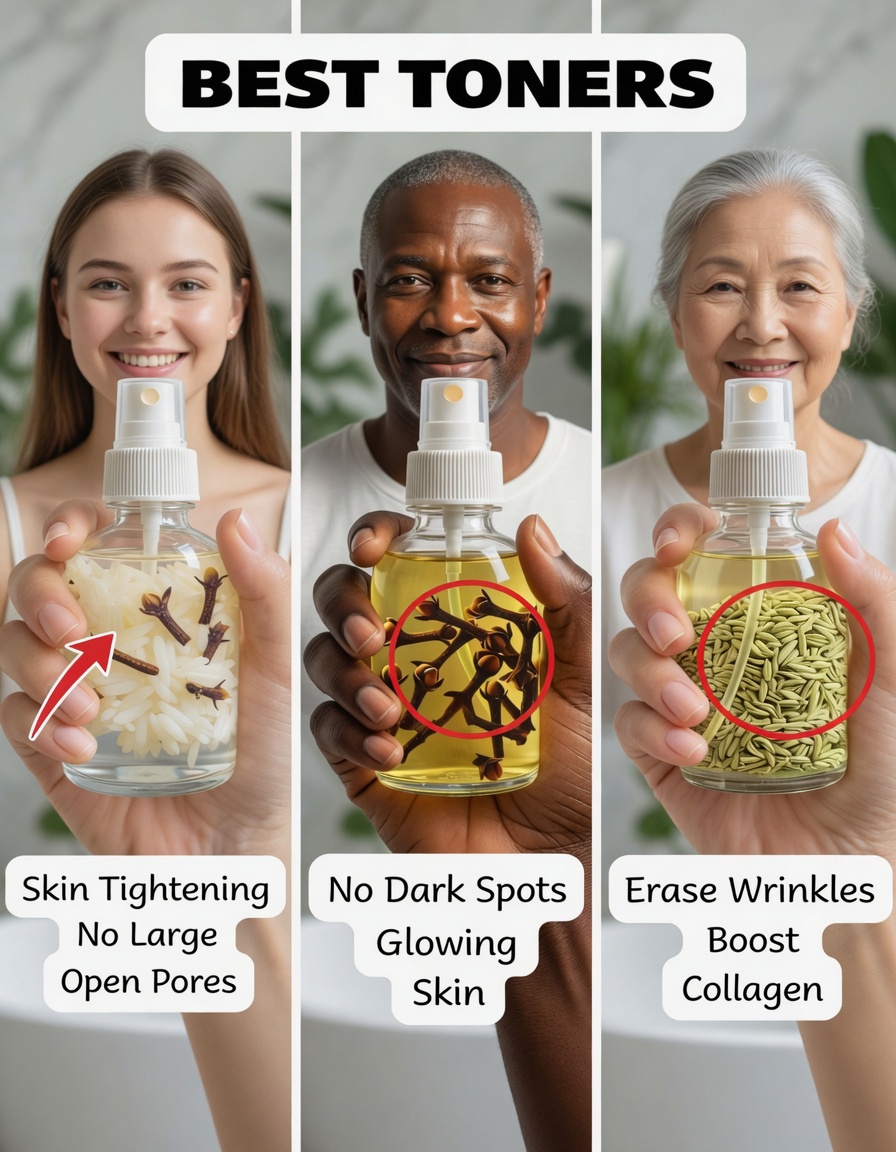
1) Turmeric + Clove + Rose Water Toner for a More Radiant Tone
This refreshing toner blends botanical water with antioxidant-rich spices for a brightening-focused mist.
Ingredients
- ½ cup pure rose water
- 6 whole cloves, lightly crushed
- ¼ tsp organic turmeric powder
- 1 tbsp fresh aloe vera juice (strained)
- ½ tsp vegetable glycerin (optional, for extra hydration)
How to make it
- Simmer the crushed cloves in 2 tbsp water for 5 minutes.
- Let it cool, then strain out the cloves.
- Stir turmeric into the cooled clove water until fully mixed.
- Add rose water, aloe vera juice, and glycerin (if using).
- Pour into a dark spray bottle and refrigerate.
How to use
- After cleansing, spritz onto face and neck, then gently pat in.
- Best used at night; rinse in the morning to prevent temporary turmeric staining.
Why people use it
- Turmeric (curcumin) is widely studied for antioxidant effects and may help improve the look of uneven tone over time.
- Clove contains protective antioxidants that can help defend against daily environmental stress.
- Rose water is popular for calming the skin, while aloe and glycerin enhance hydration for a softer feel.
2) Rice Water + Rose Water Toner for Smoother-Looking Texture
Fermented rice water has a long tradition in skincare and is often used to support a refined, smoother appearance.
Ingredients
- ½ cup fermented rice water (soak 2 tbsp rice in 1 cup water for 24 hours, then strain)
- ½ cup rose water
- 1 tbsp cucumber juice
- 1 tbsp aloe vera juice
- 3 drops vitamin E oil (optional)
How to make it
- Add all liquids to a clean bottle.
- Shake well to combine.
- Store in the fridge and use within 1 week (rice water can continue fermenting).
How to use
- Apply morning and night using a cotton pad, sweeping gently across the skin.
- Follow with a serum or moisturizer to help seal in hydration.
Why people use it
- Rice water contains compounds (including peptides) discussed in dermatological reviews for supporting smoother texture.
- Rose water helps keep the feel of the skin balanced, cucumber cools, aloe hydrates, and vitamin E can support the skin barrier.
Quick Ingredient Comparison (At a Glance)
Here’s a simplified overview of key ingredients and what each toner is commonly used for:
- Turmeric–Clove–Rose Water: Curcumin + aloe vera — often chosen for evening use and tone support
- Rice–Rose Water: Rice peptides + cucumber — commonly used to refine skin texture
- Clove–Rose Water + Vitamin E: Eugenol + honey — often included in hydration and wrinkle-care routines
- Clove–Lemon–Rose Water: Citric acid + green tea — typically used to target pores and oil balance
- Coffee–Green Tea–Rose Water: Caffeic acid + amla juice — a popular “morning boost” option
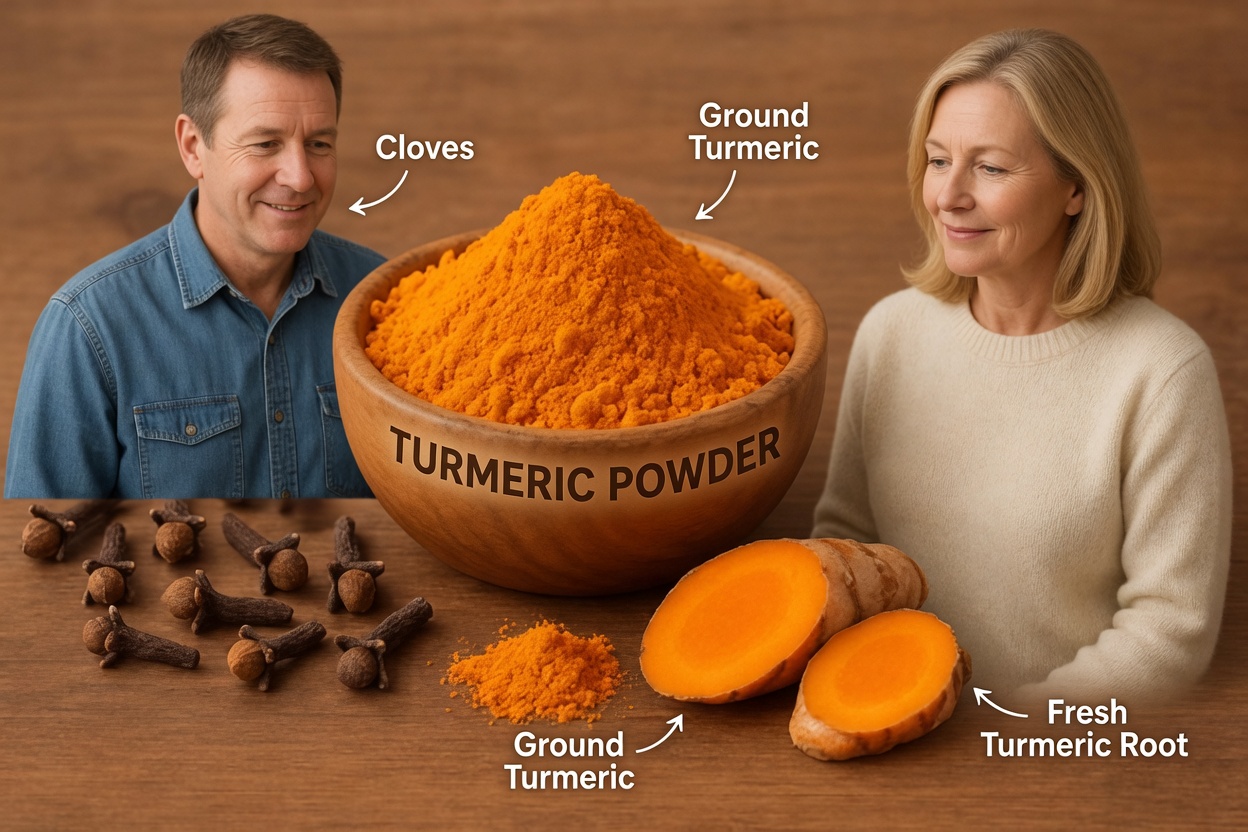
3) Clove + Rose Water + Vitamin E Toner for a More Supple Feel
This blend adds honey for a naturally smoothing, moisture-friendly finish.
Ingredients
- Clove water: boil 6 whole cloves in ¼ cup water, then strain
- ½ cup rose water
- 3 vitamin E capsules (pierce and squeeze out the oil)
- 1 tbsp raw honey
- 1 tbsp aloe vera juice
How to make it
- Combine the strained clove water with rose water, aloe, honey, and vitamin E.
- Whisk or shake until honey dissolves completely.
- Store in a clean glass bottle and shake before each use.
How to use
- Apply at night using clean fingertips, massaging upward.
- Rinse any sticky residue in the morning.
Why people use it
- Clove’s eugenol is studied for antioxidant activity, which may indirectly support the skin’s collagen environment.
- Vitamin E helps fight free radicals, honey draws in moisture, rose water softens, and aloe calms everyday irritation.
4) Clove + Lemon + Rose Water Toner for a More Balanced Look
This zesty toner includes green tea for a soothing element and is often used on oilier areas.
Ingredients
- ½ cup rose water
- 6–8 cloves steeped in ¼ cup hot water (then strained)
- 1 tbsp fresh lemon juice
- 2 tbsp green tea (brewed and cooled)
- 1 tsp cucumber juice
How to make it
- Combine all strained liquids in a bottle.
- If your skin is sensitive, reduce the lemon juice.
- Refrigerate and use within 5 days.
How to use
- Patch test first.
- Apply with a cotton ball to areas like the T-zone rather than the entire face if you’re prone to sensitivity.
Why people use it
- Lemon’s citric acid can act like a mild astringent and may help improve the look of pores.
- Clove may help with oil control, green tea polyphenols soothe, rose water tones gently, and cucumber can reduce the look of redness.
5) Coffee + Green Tea + Rose Water Toner for a More Awake, Energized Appearance
If you want a morning-friendly toner, caffeine and tea antioxidants make this option especially popular.
Ingredients
- ½ cup strong green tea (brewed, then cooled)
- ¼ cup rose water
- 1 tbsp coffee concentrate (brew 1 tsp grounds in ¼ cup water, cool, then strain)
- 1 tbsp aloe vera juice
- 2 tsp amla (Indian gooseberry) juice
How to make it
- Mix all liquids together.
- Strain again if any coffee particles remain.
- Refrigerate and use within 1 week.
How to use
- Swipe on in the morning after cleansing.
- Always follow with sunscreen, especially when using toners that include active plant compounds.
Why people use it
- Coffee contains caffeic acid, studied for antioxidant support related to UV stress.
- Green tea (EGCG) helps calm the look of irritation, rose water balances, aloe hydrates, and amla provides vitamin C support for a brighter-looking tone.
Practical Tips for Using DIY Toners Safely and Consistently
- Shop your kitchen first: Many ingredients are already in your pantry or fridge.
- Make small batches: These recipes don’t contain preservatives, so freshness matters.
- Patch test every formula: Apply to your inner arm and wait 24 hours before using on your face.
- Start with one toner: Use it consistently for a week before switching or adding another.
- Track how your skin responds: If you notice dryness, stinging, or redness, reduce frequency or simplify the formula.
Final Thoughts (Plus the Unexpected Twist)
These five homemade toners offer a simple, low-cost way to explore plant-based skincare that supports healthy-looking skin. From turmeric’s glow-friendly reputation to coffee’s energizing feel, each recipe can fit a different goal—as long as you stay consistent and pay attention to how your skin reacts.
The twist: try creating a personalized “hybrid” by blending two toners. For example, mix a small amount of the rice water toner into the coffee–green tea toner for a custom morning formula that supports both smoother texture and a fresher look.
Frequently Asked Questions
What are natural ways to support collagen in skincare?
Antioxidant-rich ingredients—such as turmeric and green tea—may help protect the skin from oxidative stress, which can impact collagen over time. For best results, pair topical care with sunscreen, hydration, and a balanced routine.
How often should I use DIY toners?
Most people start with once daily, then increase to morning and night if their skin tolerates it well. If you’re using lemon or other potentially sensitizing ingredients, use less frequently and patch test carefully.