
Constipation: Why It Happens and How It Can Affect Your Whole Body
Constipation is a widespread digestive complaint that many people face at some point. Beyond the obvious discomfort, it often brings bloating, heaviness, and a general sense of being “off.” When it drags on, it can interfere with daily life—turning simple routines into frustrating tasks.
What begins as occasional irregularity can quietly influence broader health, which is why gentle, day-to-day adjustments are often more effective than drastic measures. There’s also an important gut-to-vitality connection that many people overlook—and it becomes clear when you understand what constipation is really doing inside your body.

What Constipation Really Means for Your Body
Constipation isn’t only about “not going enough.” While it’s commonly defined as fewer than three bowel movements per week, it can also mean:
- Passing hard or dry stools
- Straining during bowel movements
- Feeling like you didn’t fully empty your bowels
General guidance from trusted health sources (including organizations such as the Mayo Clinic) emphasizes that your personal baseline matters. In other words, changes from what’s normal for you—especially when paired with discomfort—are often more important than a specific number.
When stool stays in the intestines longer than it should, waste can accumulate and slow digestive function. This usually isn’t an overnight crisis, but it can contribute to subtle, ongoing shifts in how you feel.
Many people ignore early warning signs until constipation becomes persistent. Digestive health research frequently reports that roughly 16% of adults experience constipation regularly, which helps explain why understanding its wider impact is so useful.
The Connection Between Constipation and Energy Levels
Your gut does much more than process food—it plays a major role in how energized you feel throughout the day. When digestion slows, your body may spend extra effort managing backed-up stool, and that can leave you feeling less “bright” physically and mentally.
Efficient nutrient absorption depends on smooth digestion. If food moves too slowly through the digestive tract, you may not get the same benefit from key nutrients in your meals. Research discussed in publications such as the American Journal of Gastroenterology often links gut health with fatigue patterns and overall well-being.
Many people describe constipation episodes as coming with:
- Sluggishness
- Low motivation
- “Brain fog” or reduced mental clarity
One of the simplest supports is movement—small, consistent activity can encourage natural motility.
Here’s a clear look at how constipation can influence energy, along with practical ways to support digestion:
- Slow digestion → your body works harder to handle waste
- Support strategy: short walks after meals
- Less efficient nutrient uptake → fewer vitamins/minerals absorbed from food
- Support strategy: balanced, fiber-rich meals
- Overall heaviness → low drive, discomfort, reduced daily momentum
- Support strategy: steady hydration to promote smoother stool passage
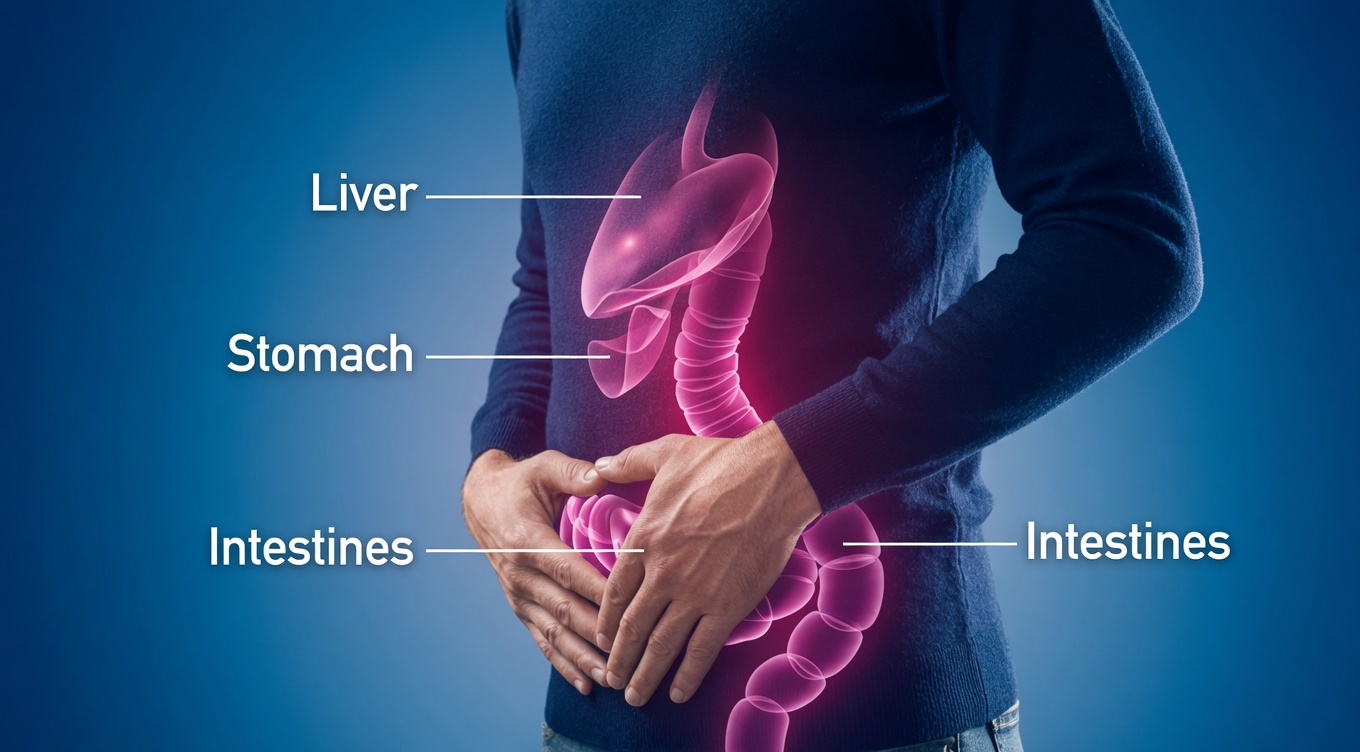
How Constipation May Affect Hormone Balance
Your digestive system isn’t separate from the rest of your health—it interacts closely with the endocrine system. One key job of the gut is helping the body eliminate substances it no longer needs, including excess hormones after they’ve done their work.
When bowel movements are infrequent, this elimination process may become less efficient. Broader endocrine and microbiome research highlights that gut bacteria can influence hormone regulation, including pathways connected to:
- Estrogen balance
- Thyroid-related function
Stress adds another layer. It can contribute to constipation, and it can also disrupt hormonal stability—creating a frustrating loop. Supporting digestion through simple routines can reduce strain and help the body stay more balanced overall.
Constipation and the Body’s Natural Detox Pathways
Your liver and digestive tract work as a team. The liver processes byproducts and everyday exposures from food and the environment, and the intestines serve as the primary exit route.
When bowel movements are delayed, that exit route becomes less efficient. Toxicology and digestive health reviews commonly emphasize that regular elimination supports the body’s built-in cleansing systems.
This doesn’t mean your body “stops detoxing,” but it can mean the process becomes less smooth than intended. Daily habits that promote regularity help keep elimination aligned with how the body naturally functions.
Key detox-related roles include:
- Liver: filters and processes impurities
- Gut: transports waste out of the body
- Kidneys: support fluid balance and filtration
Why Relying on Laxatives Isn’t a Great Long-Term Plan
Laxatives can help with short-term relief, but frequent use often doesn’t solve the underlying cause. Digestive health overviews warn that, over time, the bowel may become dependent on external stimulation rather than restoring normal motility on its own.
The bigger goal is to correct the drivers behind constipation—such as diet patterns, hydration, movement, stress, and routine disruptions. Sustainable lifestyle changes are more likely to create stable, long-lasting results, and many health professionals recommend natural supports as a first step whenever appropriate.
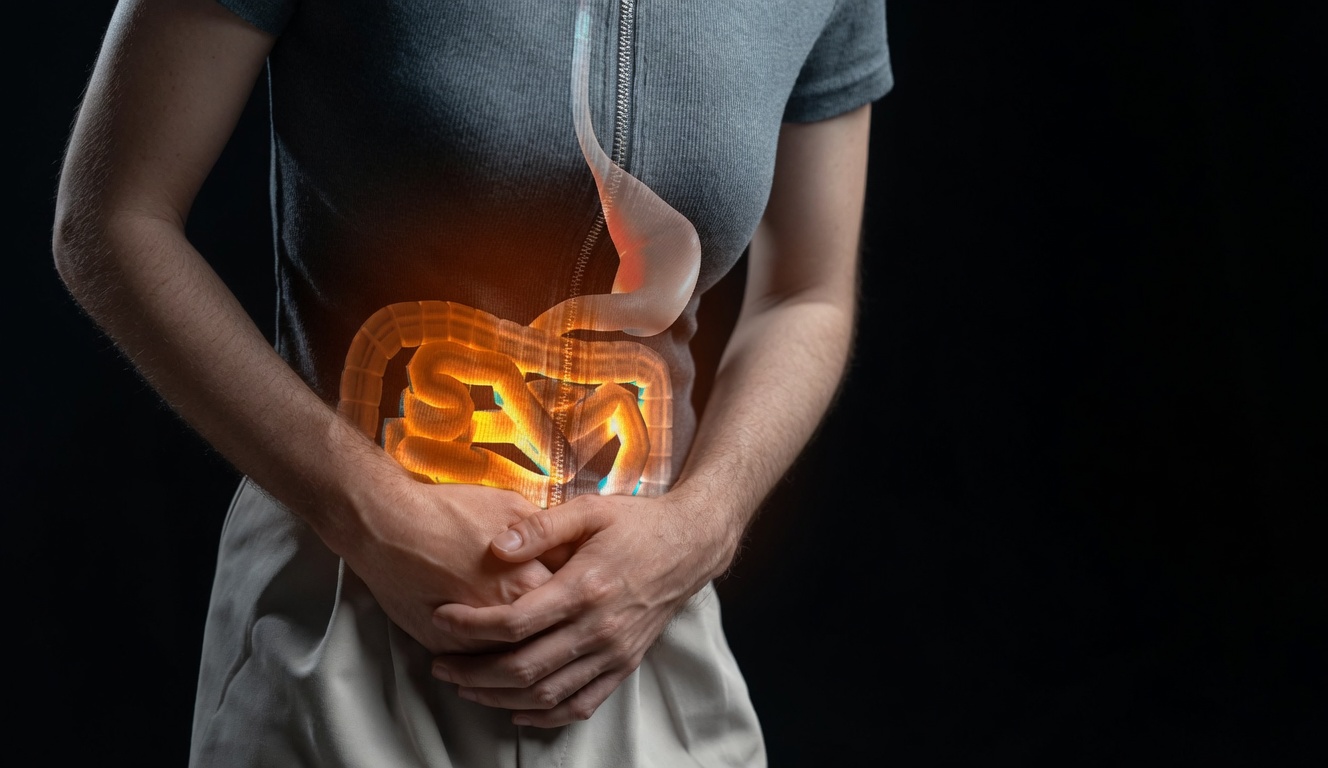
Common Causes of Constipation
Constipation is often triggered by multiple factors working together, not just one issue. Frequent contributors include:
- Not eating enough fiber-rich whole foods
- Drinking too little water (or fluids overall)
- Low daily activity or long periods of sitting
- Travel or schedule disruptions
- High stress levels from work or life demands
- Ignoring the urge to go to the bathroom
A helpful strategy is to track your habits for a week—hydration, meals, movement, stress, and bowel patterns—to identify what’s most likely driving the problem.
Practical, Real-World Ways to Support Healthy Digestion
You don’t need extreme changes to improve regularity. Small, consistent shifts tend to work best.
1. Increase Fiber Gradually
Fiber adds bulk and encourages movement through the intestines. Add it step by step to reduce gas or discomfort at the start.
Fiber-friendly foods include:
- Vegetables (broccoli, carrots, leafy greens)
- Fruits (apples, berries, pears)
- Whole grains (oats, quinoa, brown rice)
- Legumes (lentils, chickpeas, beans)
- Seeds (chia, flax)
For many adults, general nutrition guidelines often suggest around 25–30 grams of fiber per day. Increase fiber alongside water intake to help stools stay softer and easier to pass.
2. Focus on Hydration
Fluids help soften stool and support smoother bowel movements. When you’re dehydrated, constipation often worsens.
- Sip water steadily throughout the day
- Herbal teas can also contribute to daily fluid intake
3. Add Gentle Movement Daily
Activity helps stimulate intestinal motility—no intense workouts required.
Try:
- A 10-minute walk after meals
- Light yoga, especially gentle twists
- Active household tasks that keep you moving
Consistency matters more than intensity, and improvements often build over time.
4. Respond to Bathroom Urges
Ignoring the urge to go can train your body to delay bowel movements. Over time, that habit can make constipation more likely.
Make the process easier by creating a calm, unhurried routine—especially in the morning or after meals, when the gut is naturally more active.
5. Build Predictable Routines
Your digestive system responds well to regular patterns. Keeping consistent times for meals and sleep can support a steadier rhythm and improve regularity.
This might be as simple as:
- Eating breakfast at a similar time daily
- Going to bed and waking up more consistently
When to Seek Medical Advice
Lifestyle changes can help many people, but persistent constipation should be evaluated—especially if you notice:
- Pain
- Blood in stool
- Unexplained weight loss
- Sudden or unusual changes in bowel habits
A healthcare professional can help identify underlying causes and recommend appropriate treatment.
Key Takeaway: Small Shifts Can Create Big Improvements
Constipation can influence more than digestion alone—it may affect energy, hormone balance, and natural elimination processes. The most practical supports are also the most sustainable: more fiber, better hydration, regular movement, and responding to body cues.
The often-overlooked factor that makes these changes stick is consistency in daily routines—a surprisingly powerful key for long-term digestive health.
FAQ: Common Questions About Constipation and Digestion
How often “should” you have a bowel movement?
There’s no single perfect number. What matters most is your personal normal, plus how comfortable and complete your bowel movements feel.
Can everyday stress cause constipation?
Yes. Stress can slow digestion and disrupt gut motility, making constipation more likely. Relaxation habits and consistent routines may help support regularity.