
Why Coffee Feels Different After 60 (and How a Simple Add-In Can Help)
Many adults over 60 discover that their usual morning coffee no longer delivers the smooth, reliable boost it once did. Instead, they may notice a mid-morning slump, occasional joint stiffness after sitting, hazy thinking, or lingering tension—even after finishing the same familiar cup. These changes are often tied to normal aging shifts in circulation, inflammation balance, muscle support, and blood sugar regulation.
The encouraging part is that you don’t have to give up your coffee ritual. Research and shared experiences suggest that adding a targeted powder to coffee can support common age-related concerns—without changing the comfort of the routine.

A small, easy adjustment—like mixing in one spoonful of the right powder—may help you feel more steady, clear, and comfortable over time. Below are 10 evidence-informed powders many seniors are using in coffee, plus what they may do, how to use them, and practical notes for daily consistency.
Why Mornings Often Shift After 60—And Why Coffee Is a Convenient “Carrier”
As we age, the body may process caffeine differently. Some people experience faster energy drops, more sensitivity (like jitteriness), or less stable mental focus. Surveys also show that fatigue, occasional brain fog, and daily joint stiffness are common in older adults. These patterns are frequently associated with:
- Reduced blood flow efficiency
- Low-grade inflammation changes
- Blood sugar ups and downs
- Shifts in stress-hormone signaling
Coffee can be a helpful delivery method because it’s warm, easy to mix, and the flavor can disguise or complement many supplements. When used consistently, certain powders may support noticeable improvements over weeks to months.
The most effective approach is simple: choose one powder that matches your main concern and stick with it.
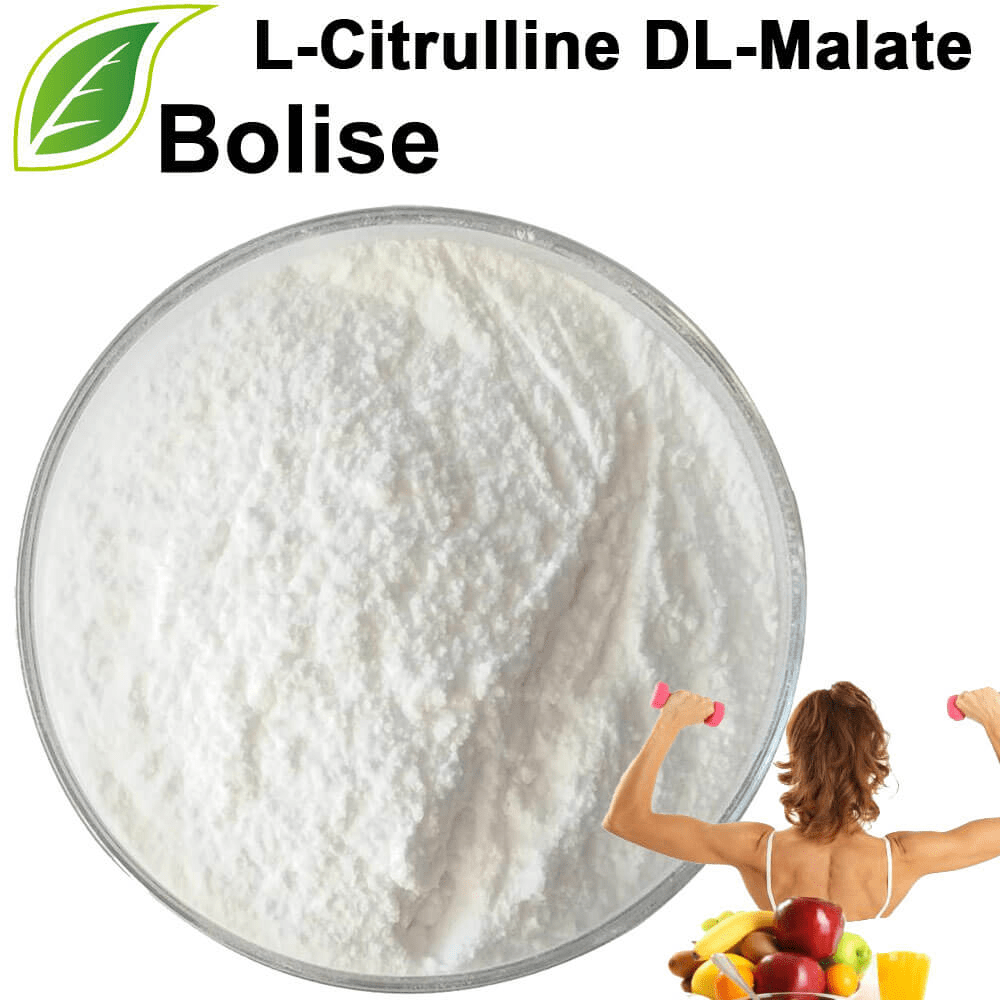
Powder #1: L-Citrulline — Better Circulation Support for More Stable Energy
L-citrulline is an amino acid the body converts into L-arginine, which can raise nitric oxide. Nitric oxide helps relax blood vessels, potentially improving circulation and oxygen delivery to muscles.
Research in older adults suggests it may modestly support blood flow and certain cardiovascular markers, especially during activity. Many users also report feeling less “heavy” mid-morning.
How to use in coffee
- Start with 3 g (about 1 teaspoon) in black coffee
- Flavor is typically neutral or nearly tasteless
- Increase gradually if needed to reduce mild digestive adjustment
What some seniors notice: lighter-feeling legs during daily walks after consistent use.
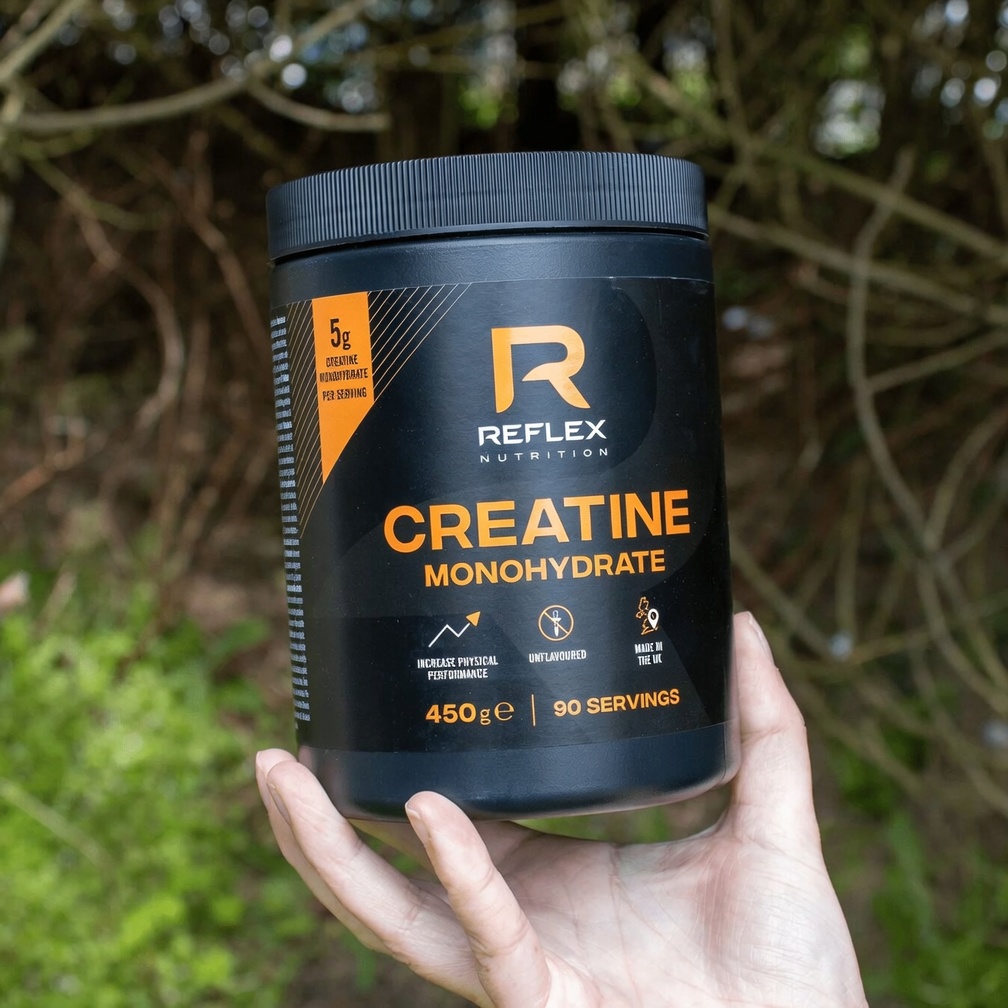
Powder #2: Creatine Monohydrate — Muscle Maintenance and Brain Energy Support
Creatine monohydrate supports cellular energy production (ATP). While known in sports nutrition, studies in older adults suggest it may help preserve muscle mass (especially alongside movement or resistance training) and may also support aspects of memory and processing speed.
How to use in coffee
- Mix 5 g (about 1 teaspoon)
- Stir well or use a small frother for a smoother texture
- Generally neutral in taste
Many adults over 60 describe everyday tasks feeling easier and conversations feeling sharper after several weeks.
Powder #3: Lion’s Mane Mushroom — Cognitive Clarity and Focus Support
Lion’s mane contains compounds associated with nerve growth factor (NGF), which plays a role in neuron health. Small studies in middle-aged and older adults show promising—though still developing—evidence for focus, recall, and mood support with ongoing use.
How to use in coffee
- Use 1–2 g
- Earthy flavor blends well, especially with cinnamon
A common report is clearer thinking during routine activities after a few weeks.
Powder #4: Collagen Peptides — Joint Comfort and Connective Tissue Support
Natural collagen production tends to decline with age, affecting connective tissue, joints, and overall tissue resilience. Hydrolyzed collagen peptides provide amino acids that research links to improved joint function and comfort, particularly for those with osteoarthritis-type symptoms.
Some trials show reduced stiffness and improved mobility after 8–12 weeks of consistent use.
How to use in coffee
- Add 10–15 g (about 1–2 scoops)
- Typically odorless, tasteless, and easy to dissolve
Many seniors report more comfortable knees and hips with regular use.
Powder #5: Ceylon Cinnamon — Smoother Blood Sugar Response and Fewer Crashes
Ceylon cinnamon (“true cinnamon”) contains compounds that may help moderate glucose response and insulin signaling, which can reduce energy spikes followed by crashes. It’s often preferred for daily use because it contains lower coumarin than cassia cinnamon.
How to use in coffee
- Add ½–1 teaspoon (stir in or sprinkle into grounds)
- Adds a naturally sweet, warm flavor
People often report steadier energy and fewer mid-morning cravings.
Powder #6: Inulin Prebiotic Fiber — Gut Microbiome Support for Whole-Body Balance
Inulin is a prebiotic fiber that feeds beneficial gut bacteria. Because gut microbiome diversity can decline with age, supporting it may improve digestion and may influence mood and cognition through gut-brain pathways (an area of active research).
How to use in coffee
- Start low: 1 teaspoon
- Mild natural sweetness
- Increase slowly to minimize temporary bloating
Many use it as a daily foundation for digestion, immunity, and overall “balance.”
Powder #7: Moringa Powder — Antioxidant and Nutrient-Dense Daily Boost
Moringa is rich in antioxidants and micronutrients that may help counter oxidative stress associated with aging. People often choose it for a gentle, nutrient-forward lift rather than a stimulant effect.
How to use in coffee
- Use ½–1 teaspoon
- Slight grassy taste; pairs well with cacao
A frequent description is a calm, non-jittery boost.
Powder #8: Raw Cacao Powder — Magnesium and Mood-Friendly Support
Raw cacao provides natural magnesium, which supports relaxation and cardiovascular health, along with compounds associated with mood and perceived well-being.
How to use in coffee
- Add 1 tablespoon for a mocha-style flavor
- Deepens taste and can soften bitterness
Many enjoy it as a comforting way to support calm focus.
Powder #9: Ashwagandha — Stress Resilience and Calmer Mornings
Ashwagandha is an adaptogen studied for its potential to support a healthier cortisol response and stress resilience. It’s commonly used to reduce the “wired” feeling some people get from caffeine.
How to use in coffee
- Start with ½ teaspoon
- Slightly bitter—mixing with milk or a little honey can help
Many report a more even, grounded start to the day.
Powder #10: Turmeric + Black Pepper — Inflammation Balance for Joint Comfort
Turmeric contains curcumin, researched for inflammation-modulating properties. Black pepper (piperine) can significantly increase curcumin absorption, and adding a small amount of fat can also help uptake.
How to use in coffee
- Use ½–1 teaspoon turmeric + a pinch of black pepper
- Add milk or another fat source for better absorption
Users often describe gradual improvements in joint comfort with consistent use.
Quick Match Guide: Which Powder Fits Your Main Goal?
- Energy dips / fatigue: L-citrulline + Ceylon cinnamon (circulation + steadier glucose response)
- Mental fog: Lion’s mane + raw cacao (clarity + mood support)
- Joint stiffness: Collagen + turmeric + black pepper (tissue support + comfort)
- Muscle maintenance: Creatine + collagen (cellular energy + structure)
- Stress support: Ashwagandha + cacao (resilience + relaxation)
Simple Starter Blends (Begin With One)
-
Brain Focus Blend
- Lion’s mane 1–2 g
- Ceylon cinnamon ½ tsp
-
Joint & Muscle Blend
- Collagen 10 g
- Creatine 5 g
- Turmeric ½ tsp + pinch black pepper
-
Calm Energy Blend
- Ashwagandha ½ tsp
- Raw cacao 1 Tbsp
-
Circulation & Gut Blend
- L-citrulline 3 g
- Inulin 1 tsp
Taste, Texture, and Mixing Tips for Better Coffee
- Nearly tasteless options: collagen, L-citrulline, creatine
- Stir in directly; frothing makes it feel creamier
- Earthy or bold powders: lion’s mane, turmeric
- Pair with cinnamon or cacao to round out flavor
- Best texture tip: use a handheld frother for 10–15 seconds for a smoother, café-like cup
For best results, choose one powder aligned with your top concern and track how you feel after 2–4 weeks. Consistency matters more than using many products at once.
Safety Note
This article is for informational purposes only and does not provide medical advice. Speak with your healthcare provider before adding supplements—especially if you have chronic conditions, take medications, or have concerns involving kidney function, blood pressure, or blood sugar.
FAQ
Can I mix these powders into any kind of coffee?
Yes. They can be added to black coffee, coffee with milk, or decaf. Warm coffee helps powders dissolve, and frothing improves texture.
How long does it take to notice benefits?
It depends on the powder and the individual. Many people notice early changes in 1–4 weeks, while joint and tissue-related support may take 8–12 weeks of consistent use.