
Many adults notice that colder months bring uncomfortable breathing issues—stuffy nose, post-nasal drip, or an on-and-off cough that interferes with work, sleep, and everyday comfort. These symptoms can leave you feeling congested, drained, and discouraged, especially when typical solutions only help briefly or cause side effects like dryness.
A surprisingly simple option to explore is a classic kitchen spice: cloves. Used traditionally for generations, clove steam inhalation may offer gentle, supportive comfort for seasonal respiratory discomfort.

What This Article Covers
In the sections below, you’ll learn how inhaling steam infused with cloves may support easier breathing and a more comfortable throat and nasal passage experience. We’ll also look at why cloves are used this way, with attention to eugenol, the plant compound most often discussed in clove research.
Why Breathing Discomfort Can Feel Worse as Time Goes On
With age, the respiratory system can become more reactive to temperature changes, allergens, and everyday irritants. Public health data suggests that many adults experience recurring sinus or seasonal breathing challenges, which can contribute to:
- Nighttime mouth-breathing
- Interrupted sleep
- Lower energy and daytime fatigue
- Reduced focus and mood changes
To cope, people often rely on over-the-counter solutions such as decongestant sprays or oral products. While these may work quickly, they can also come with downsides—like dryness or rebound congestion in some cases. That’s why many people look for natural supportive routines that feel gentler and work alongside the body’s own processes.
And this is where cloves become interesting.
How Clove Steam Inhalation Works
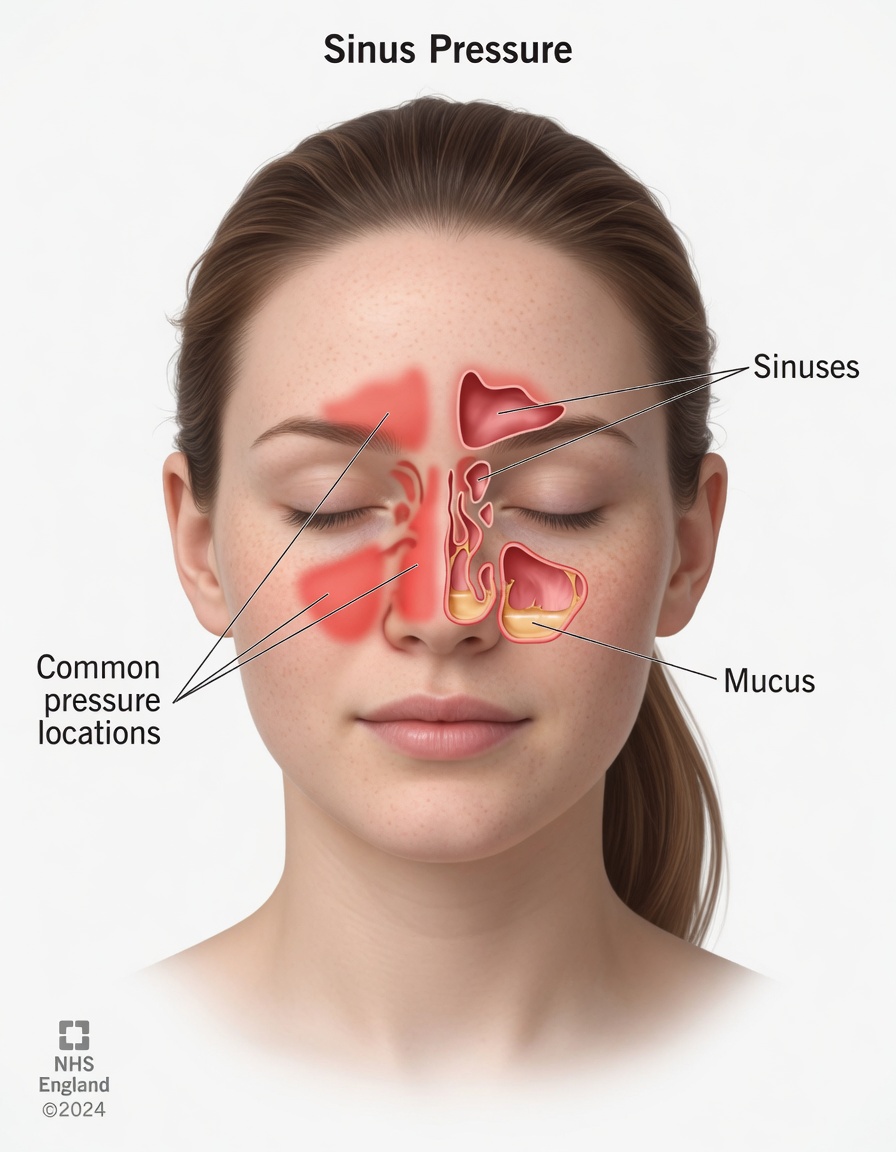
Cloves (Syzygium aromaticum) contain eugenol, a natural compound studied for its potential soothing, antimicrobial, and anti-inflammatory activity. When whole cloves are simmered in water, the rising steam carries aromatic compounds upward. Breathing that warm vapor may help deliver comfort to the:
- Nasal passages
- Throat
- Upper airways
Steam itself is already known for its moist heat, which may help loosen mucus and hydrate dry, irritated tissues. Adding cloves may enhance the experience with a strong, comforting aroma. Educational health sources (including Cleveland Clinic-style guidance on steam practices) commonly mention steam inhalation as a supportive approach for congestion—clove-infused steam is a traditional variation many people find helpful.
A frequent observation from users: relief can feel noticeable within minutes, especially when congestion is the main complaint.
Potential Benefits: Tradition First, Research Emerging
Cloves are valued largely because of their bioactive components—especially eugenol. While more human studies are still needed, both traditional use and early research point to several supportive effects.

1) Supporting Sinus Comfort and Natural Drainage
Warm steam can moisturize the nasal lining and encourage normal mucus movement. Traditional practices often use aromatic steam to help reduce the sensation of blockage. Research on eugenol also explores how it may influence inflammatory pathways, which could be relevant to irritated respiratory tissues.
2) Calming Throat Irritation and Cough Discomfort
In folk wellness traditions, clove preparations are sometimes used to support a more comfortable throat. As steam helps loosen mucus, coughing may feel less dry and more productive. Eugenol is also studied for soothing properties that may help calm irritation.
3) Antimicrobial Activity (Lab Findings)
Laboratory studies have found that clove compounds—including eugenol—can show antimicrobial activity against certain microbes in controlled settings. While steam inhalation is not a medical treatment, the aromatic vapor may contribute to a “cleaner-feeling” breathing experience during seasonal challenges.
4) Better Sleep Through Easier Breathing
Congestion often peaks at night and disrupts rest. A short steam session before bed may help you feel more open through the nose, making it easier to fall asleep and stay asleep.
5) Extra Supportive Possibilities
Depending on the individual, clove steam is also discussed for these potential comfort effects:
- Temporary sense of airway openness (sometimes described as bronchodilator-like support)
- Antioxidant-related support that may help reduce oxidative stress in tissues
- Broader immune balance support through inflammation-related pathways
Publications in areas such as ethnopharmacology and herbal medicine research frequently reference eugenol’s relevance, though stronger conclusions require more human evidence.
Clove Steam vs. Common Alternatives (Quick Comparison)
-
OTC decongestant spray
- Onset: fast (often minutes)
- Duration: several hours
- Possible drawbacks: dryness, rebound effects for some users
-
Neti pot / saline rinse
- Onset: moderate
- Duration: variable
- Possible drawbacks: must be done correctly; water safety matters
-
OTC antihistamine
- Onset: slower (often 30–60 minutes)
- Duration: longer-lasting
- Possible drawbacks: drowsiness, dry mouth
-
Clove steam inhalation
- Onset: usually within 3–10 minutes
- Duration: varies; may feel longer for some people
- Cost: very low per session
- Possible drawbacks: typically minimal, but hot water burn risk is real—use caution
Step-by-Step: How to Do Clove Steam Inhalation
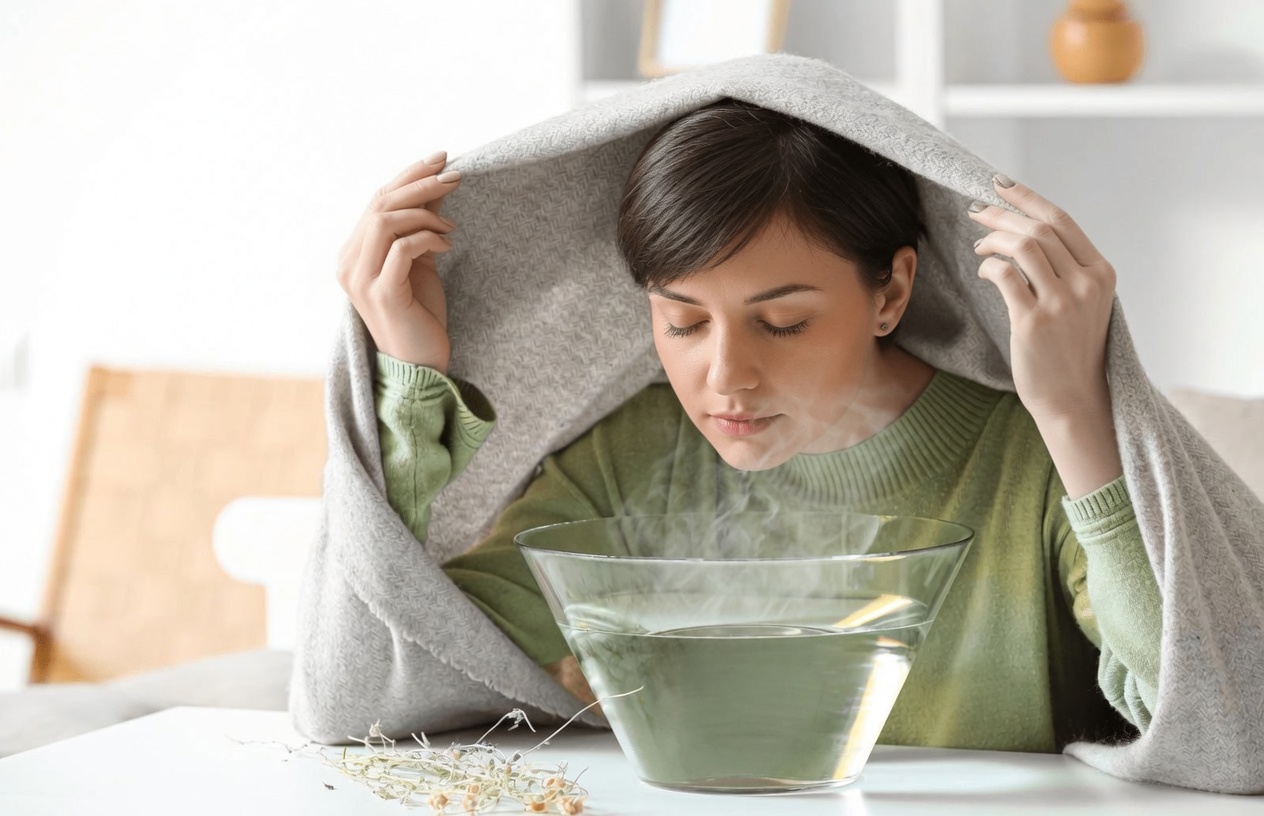
- Boil 2–3 cups of water in a pot.
- Add 8–10 whole cloves (whole cloves are preferred over ground for this use).
- Lower heat and simmer 2–3 minutes.
- Turn off heat and set the pot on a stable surface.
- Position your face 8–12 inches above the pot (avoid getting too close).
- Place a towel over your head to help trap steam.
- Inhale gently through your nose for 5–10 minutes (use your mouth if needed).
- Repeat 1–2 times per day, commonly in the evening.
Practical Tips
- Add a pinch of sea salt if you find it helps with hydration and comfort.
- You can often reuse the cloves 2–3 times (store the cooled mixture in the refrigerator).
- If you prefer something simpler, try it in a steamy shower by placing the clove water nearby (safely away from where it can spill).
Real-World Use: Making It a Winter Comfort Ritual
Many people describe clove steam as a calming seasonal routine—especially when used consistently for a few days. If you’re trying it for the first time, start with a shorter session and pay attention to how your body responds.
Clearer breathing in the morning can change the entire day—sleep, energy, and mood often follow.
A Simple 30-Day Routine to Build Consistency
- Week 1: 1 session nightly (cloves only) to gauge comfort
- Week 2: 2 sessions daily; optional sea salt
- Week 3: 2–3 sessions as needed; optional peppermint (only if you tolerate it well)
- Week 4: 1–2 sessions daily plus occasional use when symptoms flare
Frequently Asked Questions (FAQ)
Is clove steam inhalation safe for everyone?
It’s often well-tolerated as a comfort practice, but it may not be suitable for everyone. Avoid or seek medical guidance first if you have asthma, are pregnant, or have sensitivities to strong aromas or essential-oil-like compounds.
How often can I use it?
Many people use it 1–3 times per day, but avoid overdoing heat exposure. Gentle, comfortable breathing is the goal—never force deep breaths over hot steam.
Can this replace medical care?
No. Clove steam inhalation is a supportive, complementary practice. It is not a substitute for diagnosis or treatment, especially if symptoms are severe, persistent, or worsening.
Disclaimer
This article is for informational purposes only and does not provide medical advice. Clove steam inhalation may offer supportive comfort for seasonal respiratory symptoms, but it is not a cure or treatment for any condition. Consult a qualified healthcare professional before trying new practices, particularly if you have underlying conditions, are pregnant, or take medications.
Final Takeaway
Clove steam inhalation is a low-cost, simple at-home option to explore when seasonal congestion or throat irritation makes breathing feel harder than it should. Try a session tonight, stay mindful of safety, and notice whether it helps you feel more comfortable.