
Many adults over 40 begin to notice subtle but frustrating shifts in vision—trouble focusing on small print, tired eyes after long screen sessions, or intermittent dryness and irritation. These everyday changes can make simple activities like reading menus, driving at dusk, or working at a computer feel more demanding. While aging, screen exposure, and lifestyle habits all contribute, one practical way to support long-term eye wellness is improving nutrient intake through whole foods.
What if a widely loved tropical fruit could deliver a natural mix of vitamins and antioxidants that research frequently connects with eye health? This guide breaks down guava’s nutrient profile and why it deserves attention among eye-friendly fruits—plus easy, realistic ways to add it to your routine.
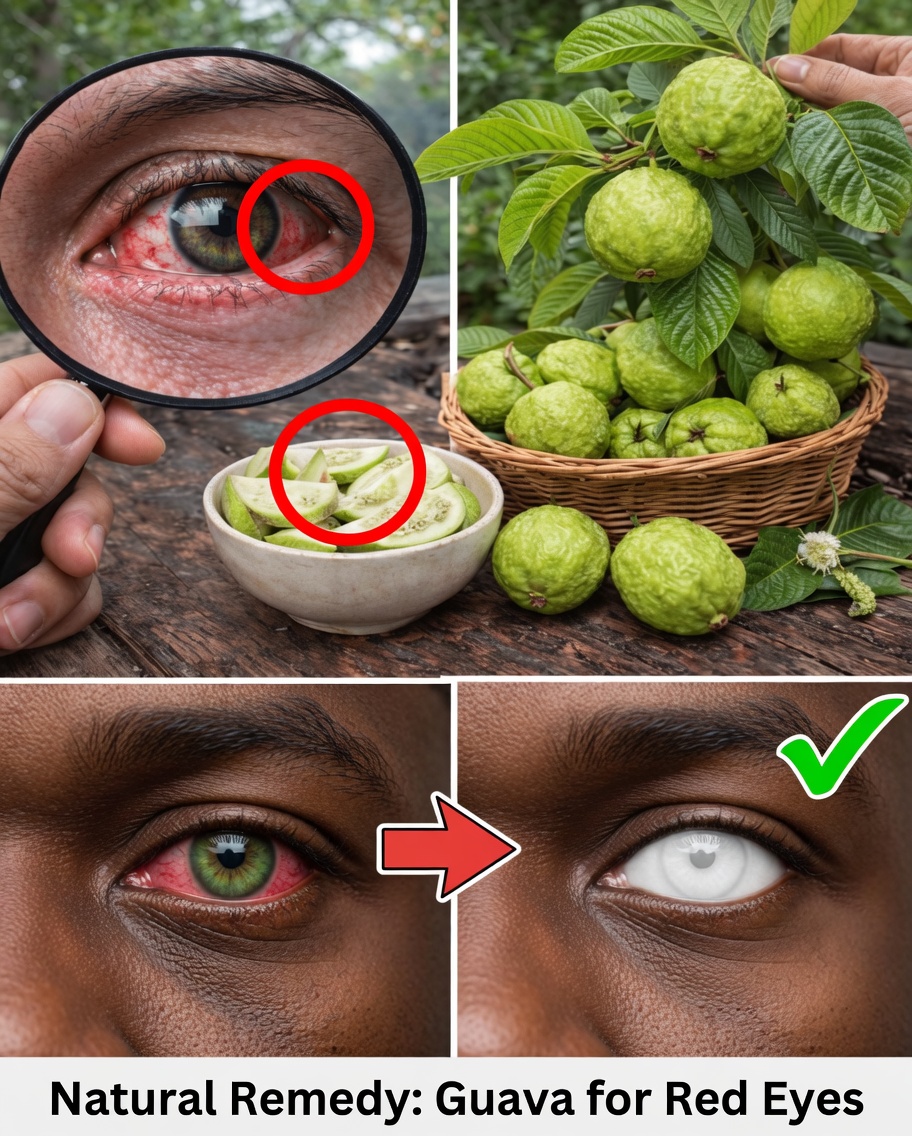
Why Eye Health Becomes a Bigger Issue After 40
Over time, the eyes face constant pressure from oxidative stress, frequent light exposure, and natural wear. Estimates suggest that roughly 20 million Americans aged 40+ are living with some form of age-related macular degeneration (AMD), while cataracts and dry eye symptoms affect millions more. On top of that, many people deal with increasing eye fatigue linked to modern routines like prolonged device use.
These concerns often appear gradually. You might notice hazier vision in low light, more frequent squinting, or irritation after a long day. Research continues to suggest that diets rich in specific vitamins and antioxidants can help reinforce the eyes’ natural defenses. Many popular tools—like eye drops or blue-light filtering—may soothe symptoms, but they don’t necessarily address underlying nutritional gaps.
That’s where guava becomes especially interesting: it’s not just flavorful—it’s unusually nutrient-dense.
What Makes Guava a Nutritional Standout
Guava packs multiple eye-supporting nutrients into a single fruit. In many cases, one guava contains more vitamin C than an orange, sometimes providing 200%+ of the daily value. It also offers:
- Beta-carotene, which the body converts to vitamin A
- Key carotenoids, including lycopene (especially in pink guava)
- Lutein and zeaxanthin, well known for their connection to macular health
These compounds act as antioxidants, helping neutralize free radicals that may contribute to cellular stress in eye tissues. Vitamin C helps support healthy blood vessels, vitamin A supports the cornea and low-light vision, and lutein/zeaxanthin concentrate in the macula where they can help filter high-energy blue light.
Beyond that, guava also supplies fiber, potassium, and other supportive micronutrients. While research is ongoing, studies on carotenoids and antioxidants consistently point to potential benefits for maintaining eye wellness over time.
12 Evidence-Informed Reasons to Consider Guava for Eye Support
1. Supports adaptation in dim lighting
Beta-carotene contributes to vitamin A production, which supports rhodopsin, a pigment involved in vision under low-light conditions.
2. Helps sustain natural tear function
Vitamin A plays a role in tear production and corneal lubrication, which may support comfort for people prone to dryness.
3. Delivers robust antioxidant defense
Guava’s vitamin C and (in pink varieties) lycopene may help reduce oxidative stress associated with daily light exposure and screens.
4. Supports macular function
Lutein and zeaxanthin accumulate in the macula and help protect central vision by filtering certain wavelengths of light.
5. Associated with healthier aging-eye patterns
Observational research often links higher carotenoid intake with more favorable outcomes related to age-associated macular changes.
6. May help protect the lens from oxidative damage
Antioxidants—especially vitamin C—are studied for their potential to protect lens proteins from oxidation, a factor involved in cataract development.
7. Encourages tear film stability
Consistent intake of supportive nutrients may help maintain the tear film that keeps the eye surface comfortable throughout the day.
8. Supports circulation to eye tissues
Potassium and antioxidant nutrients contribute to healthy circulation, which helps deliver oxygen and nutrients to the eyes.
9. May help calm occasional inflammation
Guava contains plant compounds like flavonoids, which research associates with anti-inflammatory activity.
10. Offers natural light-filter support
Carotenoids function as internal “filters,” helping the eyes manage UV and blue light exposure.
11. Provides broad-spectrum daily nutrition
Guava isn’t a single-nutrient solution—it’s a multi-nutrient whole food, which can complement a balanced diet focused on eye health.
12. Promotes overall visual comfort
When eaten regularly as part of a nutrient-rich routine, guava may support the “feel-good” side of vision—less strain, better comfort, and steadier clarity.
Guava vs. Other Fruits: Quick Nutrient Snapshot
- Guava: Very high vitamin C, strong beta-carotene, meaningful lutein/zeaxanthin, and high lycopene in pink varieties
- Orange: Great vitamin C, but typically lower in carotenoids linked to macular support
- Carrot: Excellent for beta-carotene (night vision support), but not as vitamin C–dense
- Blueberry: Known for antioxidants (like anthocyanins), but lower in vitamin A precursors
- Kiwi: High vitamin C and moderate carotenoids, but usually lower in lycopene
Overall, guava often stands out for balance and density, particularly pink guava for additional lycopene.
Easy, Practical Ways to Add Guava to Your Routine
Start simple and build consistency.
- Week 1: Eat 1 fresh guava daily, ideally with the skin on (extra fiber).
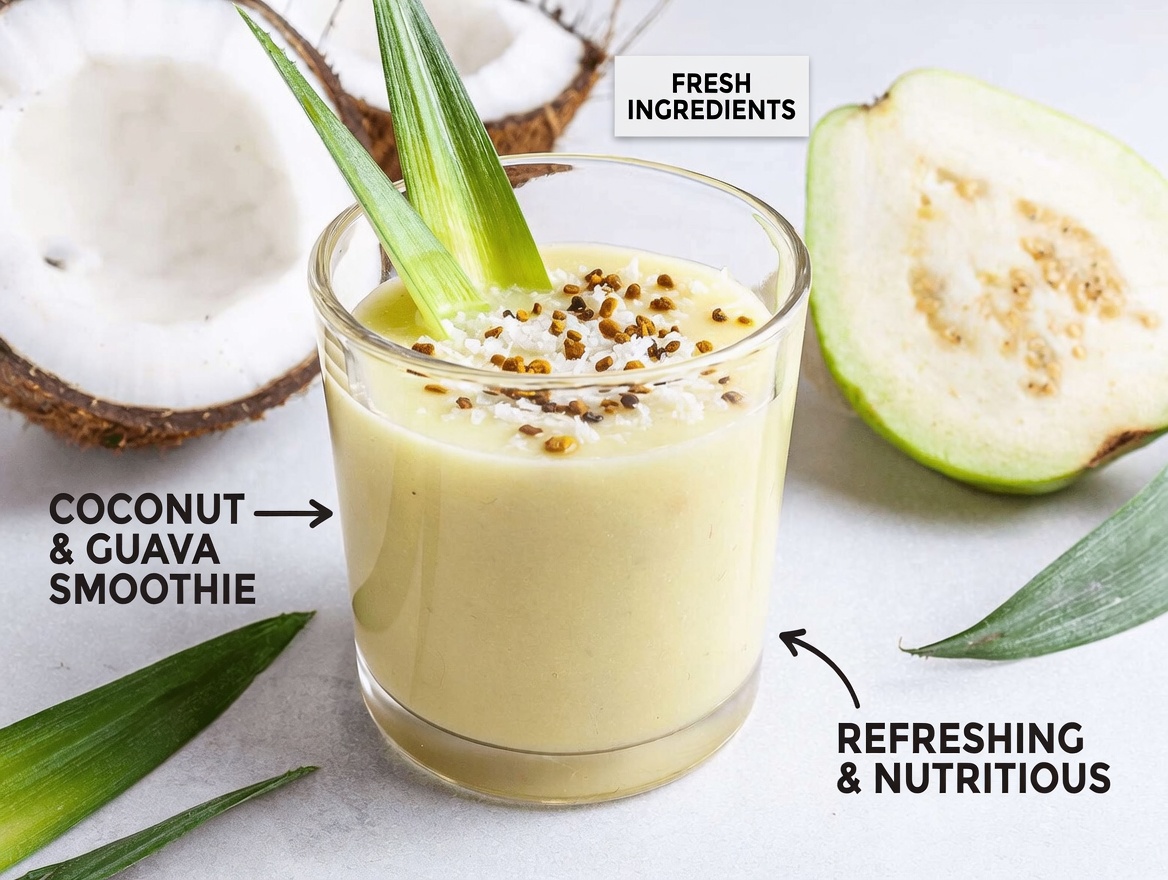
- Weeks 2–4: Try 1–2 guavas per day, or blend into a smoothie with yogurt. Pairing with a small amount of healthy fat (like nuts) can support absorption of fat-soluble nutrients.
- Month 2+: Add 2+ servings by mixing guava into salads, making fresh juice, or choosing pink guava more often for higher lycopene.
- Ongoing option: Consider guava leaf tea (from dried leaves) for traditional antioxidant support alongside whole fruit.
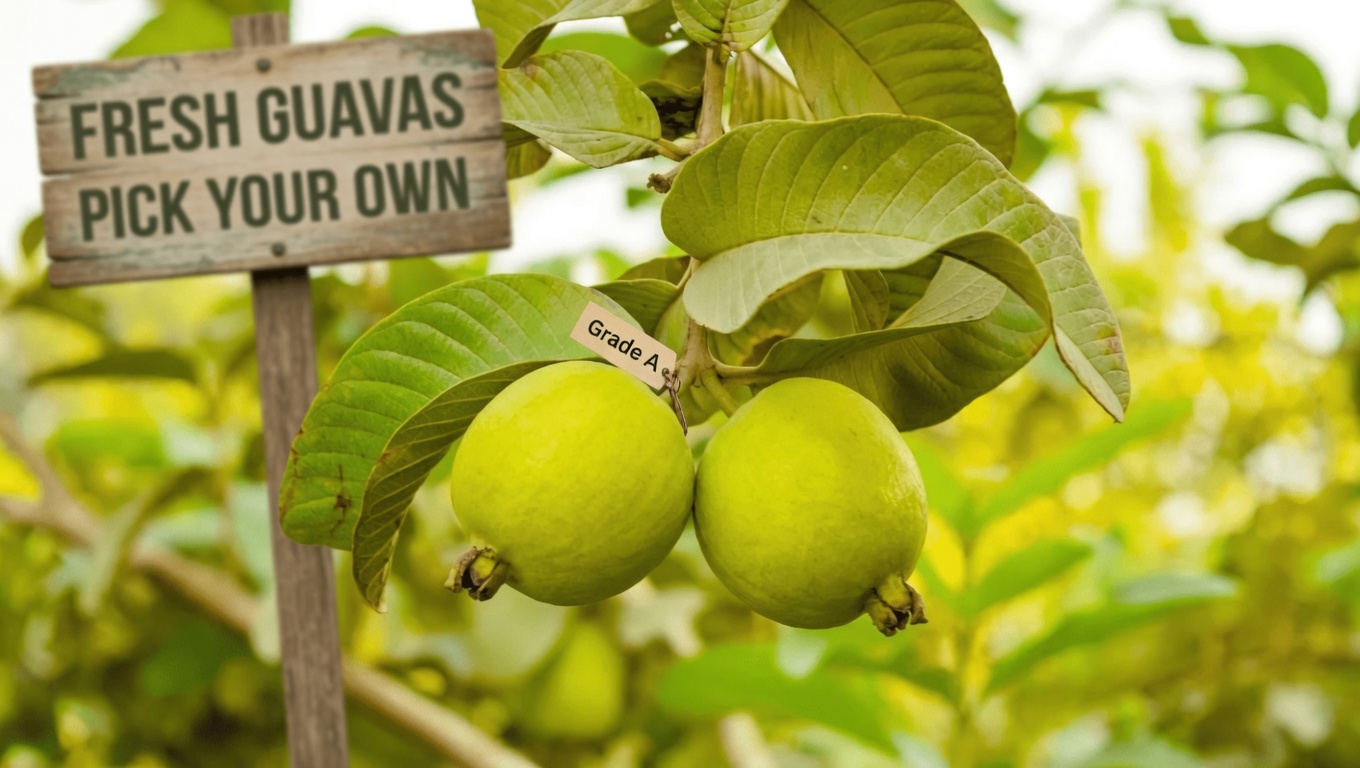
Tip: Choose guavas that are ripe and fragrant, and eat the skin when possible for maximum nutritional value.
Quick Mid-Read Check-In
- On a scale from 1–10, how comfortable do your eyes feel most days?
- What is one small habit you could change this week—hydration, screen breaks, or adding a nutrient-rich fruit?
- Are you ready to commit to a consistent, food-first approach?
Why Consistency Matters Most
The real value comes from making guava (and other nutrient-dense foods) part of your regular routine, not using it occasionally. Many people report gradual changes—like improved comfort and less strain—over weeks to months when their diet becomes more consistently supportive.
Picture a month from now: reading labels more easily, feeling steadier vision in evening light, and experiencing less screen-related fatigue.
Frequently Asked Questions
How much guava should I eat to support eye health?
A practical starting point is 1–2 guavas per day. Including pink guava can boost lycopene intake, but variety across fruits and vegetables matters too.
Can guava replace eye supplements?
Whole foods like guava provide nutrients in a natural food matrix. Supplements may still be appropriate in specific situations—consult a qualified health professional for guidance tailored to your needs.
Any precautions when eating guava?
Guava is well tolerated by most people. If you have allergies or a sensitive digestive system, begin with a smaller amount and increase gradually. Choose fresh, ripe fruit whenever possible.
Medical Disclaimer
This article is for informational purposes only and does not provide medical advice. It is not intended to diagnose, treat, cure, or prevent any disease. Speak with your healthcare provider before making dietary changes—especially if you have existing eye conditions or take medications.