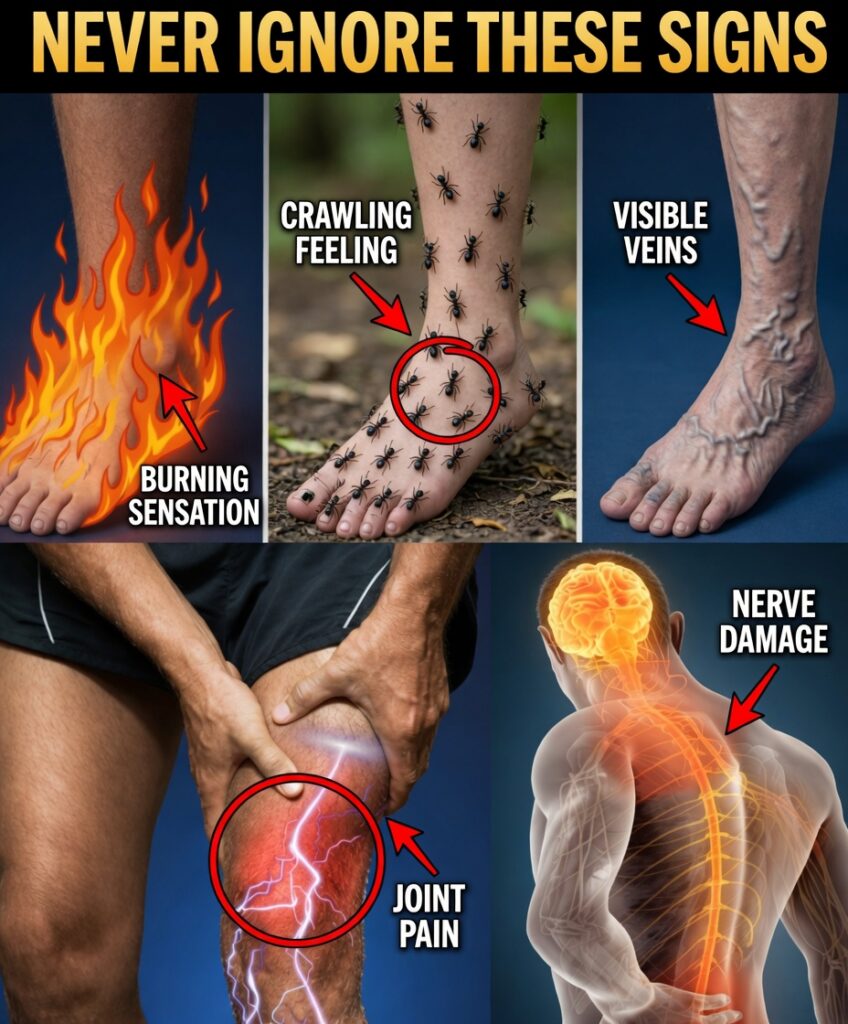
Many adults over 50 start noticing unusual sensations in their feet—tingling, numbness, or a “buzzing” feeling—and assume it’s just part of getting older. However, these subtle changes can be early signs of peripheral neuropathy, a condition caused by damage to nerves in the limbs. Because the nerves that reach the feet are among the longest in the body, symptoms often appear there first.
While diabetes-related neuropathy is widely recognized, millions of people experience nerve issues from other causes as well. The good news is that early awareness can help you protect comfort, mobility, and independence. This guide covers medically recognized warning signs and practical steps worth discussing with your doctor.
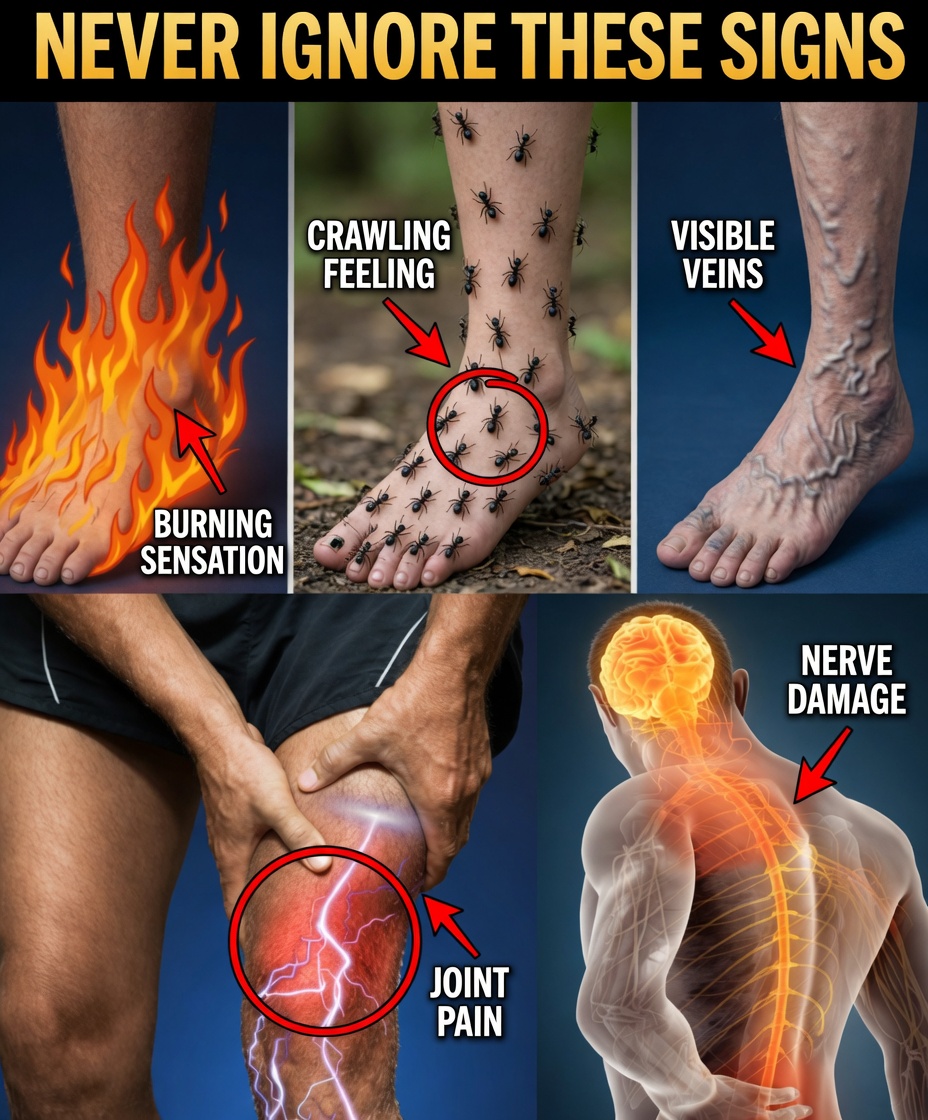
What many people don’t realize is that these foot signals can quietly worsen when ignored—sometimes leading to balance problems, injuries you don’t feel, and greater day-to-day limitations. Understanding what your feet are communicating is a simple but powerful step toward better long-term nerve health.
Why Nerve Problems Often Begin in the Feet After Age 50
After 50, nerve function can shift for several reasons, including changes in circulation, metabolism, and overall tissue repair. Peripheral neuropathy refers to damage in nerves outside the brain and spinal cord, and it often affects the longest nerve pathways first—especially those that run down to the toes.
Medical estimates suggest peripheral neuropathy becomes increasingly common with age, often cited around 8–10% in adults over 50, and higher in specific risk groups. Diabetes is a leading cause, but not the only one. Other contributors can include:
- Vitamin deficiencies (particularly vitamin B12)
- Long-term heavy alcohol use
- Certain medications
- Infections
- Autoimmune conditions
- Idiopathic neuropathy (no clear cause)
Feet are more vulnerable because distant nerves can be more sensitive to reduced blood flow or ongoing metabolic stress. When early symptoms are brushed aside, minor nerve changes may progress and begin affecting balance, activity levels, and confidence.
The encouraging part: noticing patterns early can lead to faster evaluation and more effective support.
Common Causes of Foot Nerve Changes (Not Just Diabetes)
Peripheral neuropathy rarely has a single explanation, and many cases occur in people without diabetes. Common drivers include:
- Vitamin deficiencies: Low levels of B vitamins—especially B12—may disrupt healthy nerve signaling.
- Alcohol-related nerve damage: Chronic heavy drinking can harm nerves directly and also worsen nutritional deficiencies.
- Medications and toxins: Certain treatments (including some chemotherapy drugs) and exposures may affect nerve tissue.
- Infections: Shingles and Lyme disease can sometimes involve nerve complications.
- Autoimmune disorders: In some cases, the immune system attacks nerve structures.
- Other factors: Injury, inherited conditions, and metabolic issues may contribute.
Trusted medical sources (including major clinical organizations) note that nerve damage often begins subtly—making early recognition especially important.
A helpful self-check: have there been recent changes in your diet, medications, alcohol intake, or energy levels that could be connected?
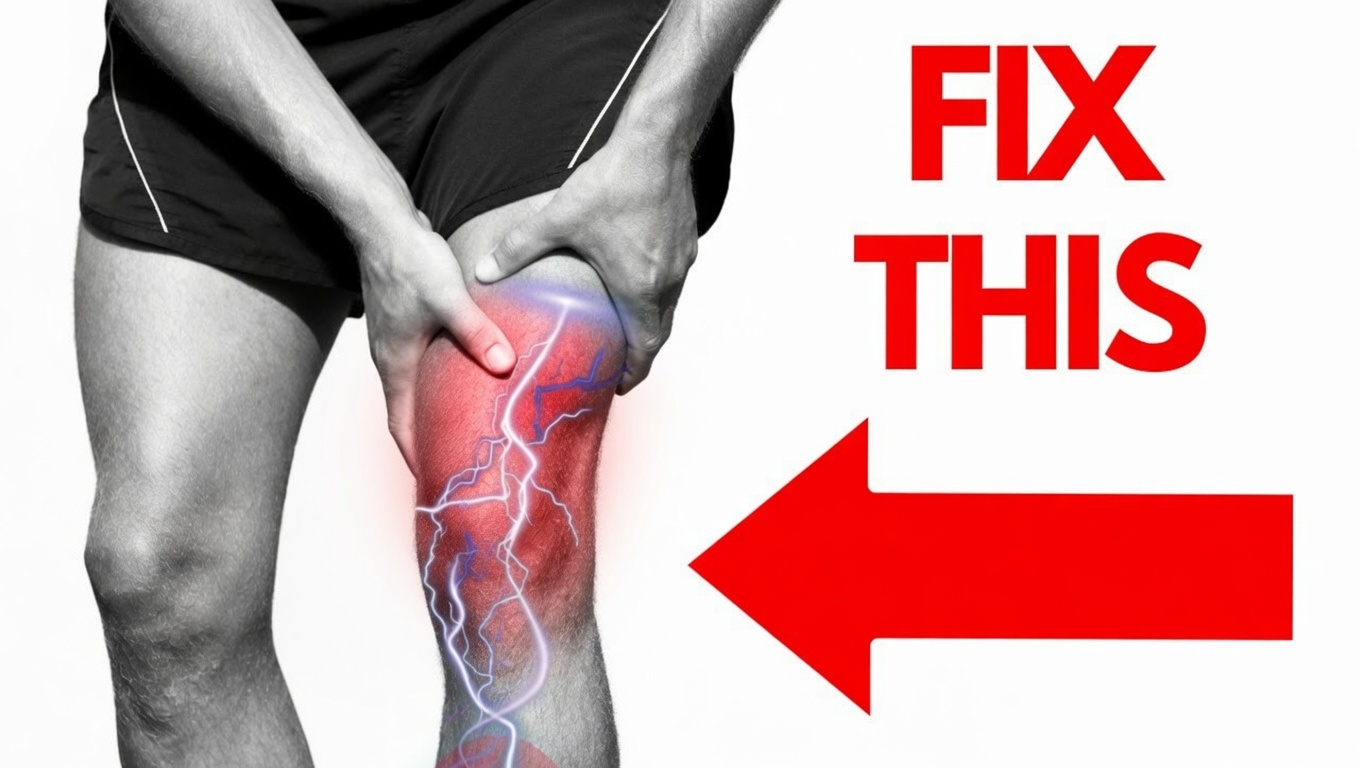
8 Early Warning Signs of Peripheral Neuropathy in the Feet
These symptoms often develop gradually, may intensify at night, and frequently begin in the toes before spreading upward. Many people experience more than one sign.
1. Persistent Tingling or “Pins and Needles”
This may feel like light electrical buzzing or the sensation of your foot “falling asleep” that doesn’t fully go away. At first it may come and go, then become more frequent.
This can happen when sensory nerves begin sending abnormal signals.
2. Numbness or Reduced Feeling
You might notice less awareness of the floor, socks, or textures. This is more than inconvenient—it can reduce protective sensation and raise the risk of unnoticed cuts or pressure injuries.
Gradual numbness often starts at the toes and moves upward.
3. Burning or Heat-Like Pain
Some people describe their feet as “on fire,” particularly at rest or during the night. In severe cases, even bedsheets can feel irritating.
This may reflect irritated or overactive nerve endings amplifying pain messages.
4. Pain From Light Touch (Allodynia)
Gentle contact—like a blanket or a light brush—causes discomfort that seems out of proportion to the touch.
This is commonly called allodynia and may indicate heightened nerve sensitivity.
5. Sharp, Shooting, or Stabbing Sensations
Sudden jabs or electric-shock-like pains can strike unexpectedly and stop you in your tracks.
These can occur when damaged nerves fire irregularly.
6. Weakness or Difficulty Lifting the Front of the Foot
You may trip more often, drag your toes slightly, or feel like lifting the foot takes extra effort. In some cases, this can resemble foot drop.
Motor nerve involvement may also contribute to cramps and muscle changes over time.
7. Balance or Coordination Problems
Feeling unsteady—especially in the dark or on uneven surfaces—can happen when nerves aren’t relaying position sense properly (proprioception).
This matters because fall risk increases after 50, and prevention is key.
8. Reduced Temperature Sensation or Slow-Healing Skin Changes
You might have trouble telling hot from cold, or notice dry/cracked skin, reduced hair growth on the feet, or slow healing from small cuts.
In some cases, autonomic nerve changes can affect sweat and skin health.
If multiple signs sound familiar, consider writing them down (what you feel, when it happens, what makes it worse). A simple symptom log can be extremely useful during a medical appointment.
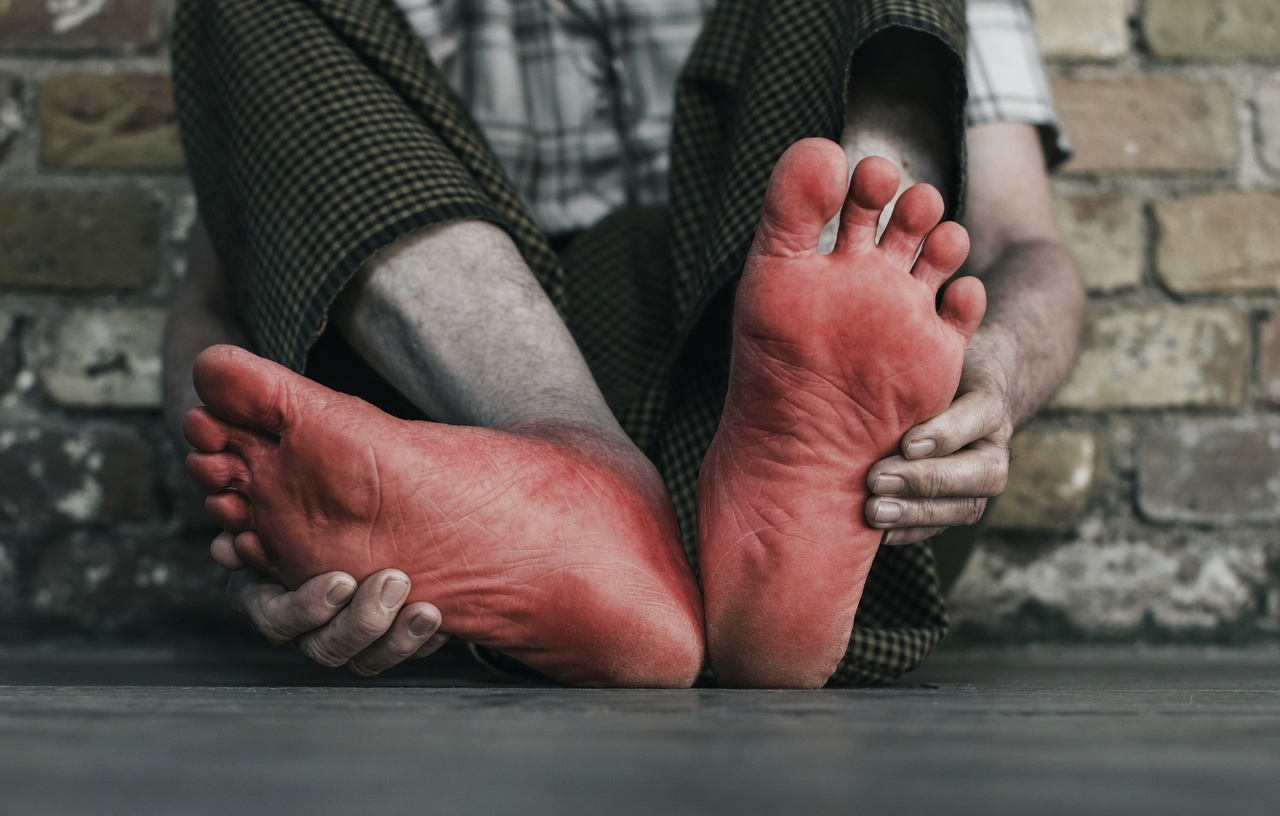
Practical Ways to Support Foot and Nerve Health
No home strategy should replace professional evaluation, but the following habits are widely recommended and can support comfort and safety:
- Inspect your feet daily: Look for blisters, cuts, redness, swelling, or nail changes. Use a mirror for the soles if needed.
- Manage blood sugar (if relevant): If you have diabetes or prediabetes, more stable levels can help protect nerves—work with your clinician on monitoring and goals.
- Keep moving gently: Short walks, ankle circles, and foot-strengthening exercises can encourage circulation without excessive strain.
- Prioritize nerve-friendly nutrition: Foods with B vitamins (leafy greens, eggs, fortified cereals) may help, and supplements may be appropriate only if a deficiency is confirmed—always check with your doctor first.
- Wear supportive footwear: Choose wide-toe, cushioned shoes that reduce pressure and friction.
You can also ask your doctor about quick in-office screening tools, such as a monofilament test to assess protective sensation.
Quick Overview: Why Early Attention Matters
-
Tingling or numbness
- If ignored: higher chance of unnoticed injuries
- If addressed early: more options for symptom control and prevention
-
Burning pain
- If ignored: poor sleep and reduced quality of life
- If addressed early: better comfort and daily functioning
-
Weakness or balance changes
- If ignored: higher risk of falls
- If addressed early: improved safety and independence
Take Steps Today to Protect Your Foot Comfort
Your feet support every part of your daily life. Paying attention to small changes can help you stay active, steady, and confident for longer. Many people see meaningful improvement when nerve symptoms are addressed early through targeted lifestyle changes and medical support.
A simple first step: check your feet tonight or note any symptoms you’ve been dismissing before your next check-up. Sharing this information with family members may help someone else recognize early warning signs as well.
FAQ
What is peripheral neuropathy, and is it common after 50?
Peripheral neuropathy is damage to nerves outside the brain and spinal cord, commonly affecting the feet and hands. It becomes more frequent with age, and studies often estimate higher rates in adults over 50, though prevalence varies based on health conditions and how neuropathy is measured.
Can foot neuropathy symptoms improve with lifestyle changes?
Many people experience better comfort when underlying causes are addressed—such as improving nutrition, adjusting activity, and managing chronic conditions—under medical guidance. Results depend on the cause and how early action begins.
When should I see a doctor about unusual foot sensations?
If symptoms persist, worsen, disturb sleep, affect walking or balance, or interfere with daily life, seek medical evaluation promptly for appropriate testing and guidance.
Medical disclaimer: This article is for informational purposes only and does not replace professional medical advice. Always consult a qualified healthcare provider about symptoms or health concerns.