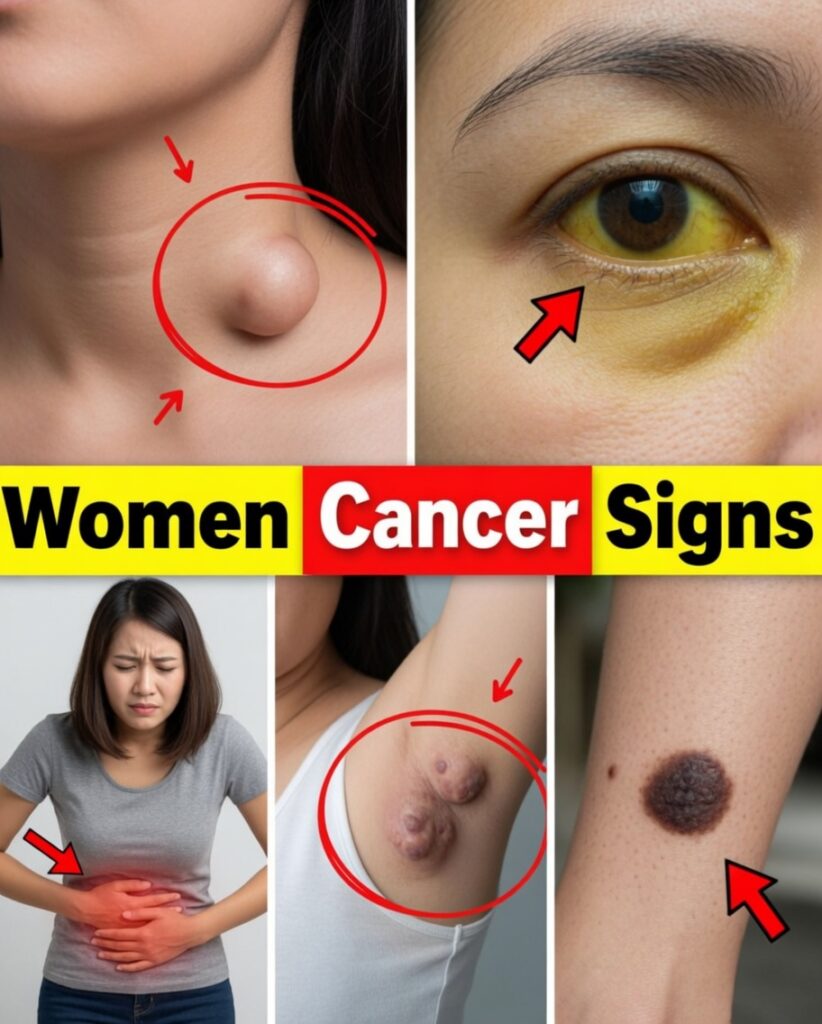
Cancer Warning Signs in Women: 14 Symptoms You Shouldn’t Ignore
Cancer remains one of the leading causes of death among women. Findings shared by trusted institutions such as the American Cancer Society and Mayo Clinic consistently show a powerful trend: earlier detection often improves outcomes. The challenge is that many early symptoms can feel minor or “explainable”—easy to blame on stress, aging, hormones, a busy schedule, or everyday discomforts.
When you know what’s normal for your body, it becomes easier to spot what isn’t. Awareness isn’t about panic—it’s about acting sooner, with more control and more options.
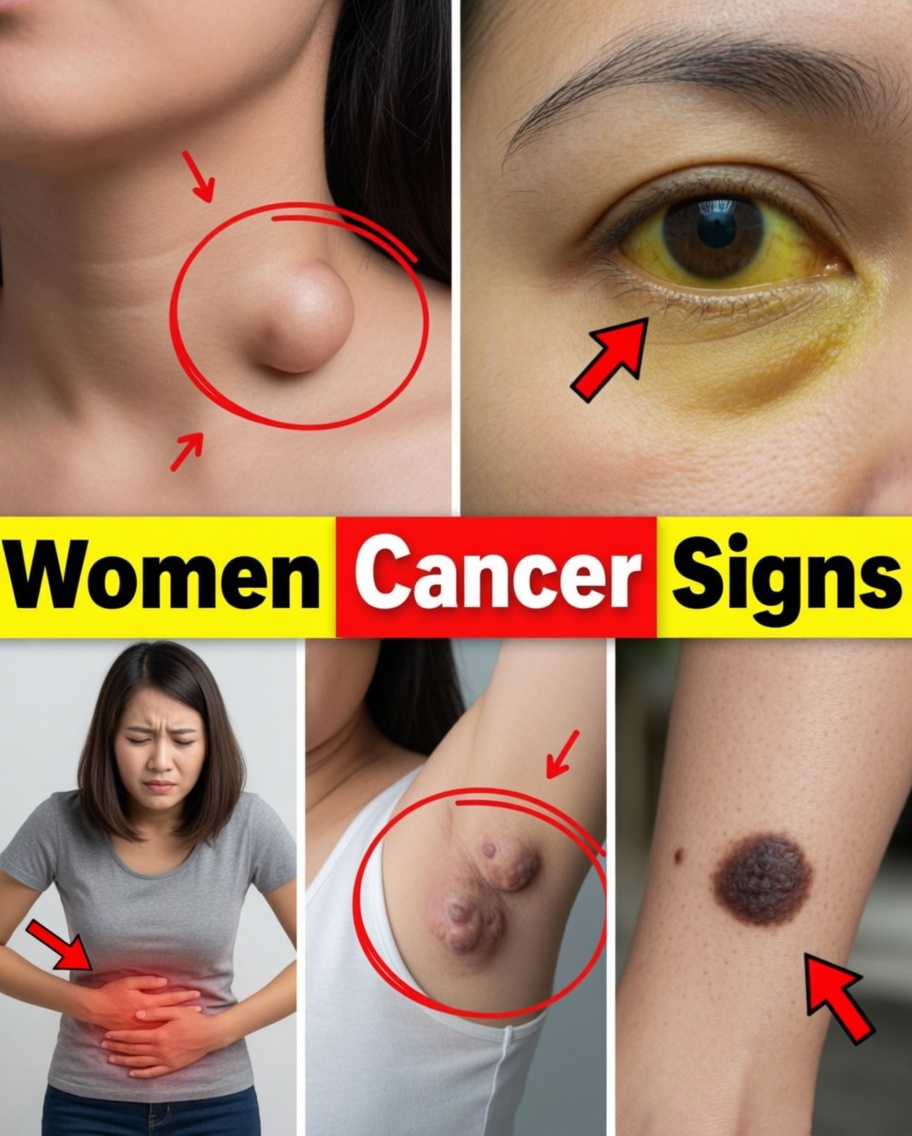
Why These Symptoms Are Commonly Overlooked
Women’s bodies naturally change over time due to menstrual cycles, pregnancy, postpartum shifts, and menopause. Because of that, many people assume new symptoms are temporary or “just hormonal.” Reports from cancer centers also highlight another reality: life is demanding, and it’s tempting to wait things out.
However, when symptoms persist, recur, intensify, or appear together, they deserve attention. Noticing patterns early can be one of the most practical health habits you build.
14 Cancer Warning Signs Women Often Dismiss
1. Unusual Vaginal or Rectal Bleeding
Bleeding that occurs after menopause, between periods, after sex, or in stool should not be brushed aside. Experts note that postmenopausal bleeding in particular needs prompt evaluation, as it may be linked to changes in the endometrium or cervix. Blood from the rectum can also point to colorectal concerns.
If the pattern is new, recurring, or unexplained, it’s worth a medical discussion.
2. Unintentional Weight Loss
Losing 10 pounds (about 4.5 kg) or more without trying—no diet changes, no new exercise routine—can be a meaningful signal. Some cancers affect metabolism, appetite, or how the body uses energy.
If your clothes are suddenly looser and you don’t know why, track the change and bring it up at your next appointment.
3. Breast Changes (Not Just Lumps)
Breast cancer awareness goes beyond checking for a lump. Pay attention to:
- Skin dimpling or puckering
- Redness or thickened skin
- Nipple turning inward (inversion)
- Nipple discharge (especially if new)
- Persistent pain not linked to your cycle
Clinical guidelines emphasize routine screening and breast self-awareness, with many recommendations beginning mammograms around age 40 (depending on risk and local guidance).
4. Moles or Skin Spots That Change
For skin changes, the ABCDE rule is a useful guide:
- Asymmetry
- Border irregularity
- Color variation
- Diameter over 6 mm
- Evolving (changing size, shape, color, or symptoms)
Also note itching, bleeding, or rapid growth. Monthly skin checks are simple and can be done at home.
5. Persistent Bloating or Pelvic Discomfort
Ovarian cancer is sometimes called “silent” because its signs can resemble common digestive or menstrual issues. Symptoms that may matter include:
- Ongoing bloating
- Feeling full quickly
- Pelvic pressure or pain
- Changes in urination (frequency or urgency)
If bloating or pelvic symptoms last for weeks and don’t improve, trusted sources (including Mayo Clinic) recommend discussing it with a clinician.
6. Extreme Fatigue That Doesn’t Improve
Fatigue that persists even after sleep, rest, and reduced stress isn’t always “just life.” Many cancers can cause ongoing tiredness as the body diverts resources or reacts to internal changes.
If exhaustion continues despite recovery efforts, document how long it’s been happening and what makes it better or worse.
7. Heavier, Longer, or Irregular Periods
A noticeable shift in your usual cycle—especially very heavy bleeding, longer periods, or new irregularity—should be evaluated. Routine gynecologic care (including Pap tests where recommended) supports early detection of cervical and other reproductive health issues.
If it feels extreme or different from your normal pattern, don’t assume it’s “just hormones.”
8. Drenching Night Sweats
Waking up soaked can sometimes be explained by menopause, fever, or a warm room—but it can also matter when it’s frequent or paired with other symptoms. Keep note of:
- How often it happens
- Whether you also have fatigue, weight loss, or swollen lymph nodes
- Any changes in temperature tolerance
Bring these details to your clinician to support accurate assessment.
9. Swollen Lymph Nodes That Don’t Go Away
Lymph nodes can swell during infections, but lumps in the neck, armpits, or groin that persist beyond a couple of weeks should be checked—especially if they’re firm, growing, or unexplained.
Many cases are benign, but persistence is a key reason to follow up.
10. Blood in Stool
Even small amounts of blood may be dismissed as hemorrhoids. But visible blood or ongoing changes in bowel habits can also signal colorectal issues, where screening plays a major role in early detection.
If you see blood—even once—note it and discuss it with a healthcare professional.
11. A Cough That Lasts for Weeks
A cough that lingers beyond a typical cold, especially past 2–3 weeks, deserves evaluation. This becomes more urgent if there is:
- Blood when coughing
- Shortness of breath
- Chest discomfort
- Unexplained weight loss or fatigue
Don’t wait for it to “turn into something”—get it assessed.
12. New, Different, or Worsening Headaches
Most headaches are not serious, but it’s important to pay attention when headaches are:
- Sudden and severe
- Different from your usual pattern
- Increasing in frequency or intensity
- Paired with other symptoms (vision changes, weakness, confusion)
Context matters. A new pattern is a valid reason to seek medical advice.
13. Mouth Sores That Don’t Heal (or Jaw Pain)
Oral symptoms that persist may include:
- Sores lasting more than two weeks
- White or red patches
- Ongoing jaw pain or tenderness
- Persistent discomfort when chewing or swallowing
Monthly self-checks (looking inside the mouth with good light) can help you notice changes earlier.

14. Ongoing Urinary Changes or Blood in Urine
Frequent urgency, burning, pain, or blood in urine can start as a UTI—but if symptoms recur, persist, or don’t respond as expected, they need follow-up. Persistent urinary changes can be linked to bladder or kidney concerns, among other causes.
Early evaluation helps prevent delays and ensures you get the right treatment.
Symptoms at a Glance: Common Dismissals vs. When to Act
-
Unusual bleeding
- Often dismissed as: periods, menopause, hemorrhoids
- Act quickly when: postmenopausal bleeding, new or recurring patterns, blood in stool
-
Unexplained weight loss
- Often dismissed as: “better habits” or stress
- Act quickly when: 10+ lbs lost unintentionally
-
Breast changes
- Often dismissed as: cycle-related tenderness
- Act quickly when: new lump, nipple changes, discharge, redness, skin dimpling
-
Changing moles/skin spots
- Often dismissed as: aging or sun exposure
- Act quickly when: ABCDE changes, bleeding, rapid evolution
-
Persistent bloating or pelvic pressure
- Often dismissed as: digestion, PMS
- Act quickly when: lasts weeks, worsens, or adds urinary/fullness symptoms
-
Severe fatigue
- Often dismissed as: overwork, poor sleep
- Act quickly when: ongoing and not improved by rest
-
Heavy/irregular periods
- Often dismissed as: hormonal fluctuations
- Act quickly when: heavy, prolonged, or clearly different from baseline
-
Night sweats
- Often dismissed as: menopause
- Act quickly when: drenching and recurring, especially with other symptoms
-
Swollen lymph nodes
- Often dismissed as: infection
- Act quickly when: persists beyond ~2 weeks or grows
-
Blood in stool
- Often dismissed as: hemorrhoids
- Act quickly when: any visible blood or persistent bowel changes
-
Chronic cough
- Often dismissed as: allergies or lingering cold
- Act quickly when: >2–3 weeks or blood present
-
New headache pattern
- Often dismissed as: stress
- Act quickly when: sudden, intense, or distinctly different
-
Non-healing mouth sores
- Often dismissed as: canker sores
- Act quickly when: not healing after 2 weeks
-
Urinary changes/blood in urine
- Often dismissed as: UTI
- Act quickly when: recurrent, persistent, or blood appears
Practical Ways to Stay Proactive About Your Health
- Keep a symptom journal: record onset date, frequency, severity, and potential triggers to share with a clinician.
- Stay current with recommended screenings: mammograms, Pap tests, skin exams, and colorectal screening based on age and risk.
- Support overall health habits: regular movement, balanced nutrition, and stress management improve resilience and recovery.
- Know your baseline: monthly self-checks (breasts, skin, mouth) make changes easier to spot early.
Your Next Step Toward Peace of Mind
Being more in tune with your body doesn’t require perfection—just consistency. Choose one thing to monitor this week (energy level, bloating, skin changes, bleeding patterns) and write down what you notice. If a symptom lingers, escalates, or feels unusual for you, consider scheduling a check-up.
This article is for informational purposes only and is not a substitute for professional medical advice. Always consult a qualified healthcare provider regarding symptoms, diagnosis, or screening decisions.
FAQ
What cancer symptoms do women most often overlook?
Commonly missed warning signs include abnormal bleeding, ongoing bloating/pelvic discomfort, unexplained fatigue, and breast or skin changes, largely because they resemble everyday health issues.
When should I see a doctor about these symptoms?
Seek medical advice if a symptom lasts more than a few weeks, worsens, returns repeatedly, or appears alongside other changes. Earlier conversations often lead to clearer answers.
Do these warning signs always mean cancer?
No. Many of these symptoms have non-cancer causes. The key is persistence or unusual patterns—getting evaluated helps rule out serious conditions and guides appropriate care.