Infections can affect anyone, often starting as something small and quickly turning into days of discomfort, low energy, and disrupted routines. With antibiotic resistance becoming a serious global issue, it’s understandable that many people feel uneasy about common threats—seasonal illnesses, minor digestive upsets, or everyday skin irritations. That’s why interest in natural immune support and food-based wellness strategies continues to grow.
One question comes up repeatedly: can garlic support the body’s defenses in a meaningful way? Research suggests that garlic contains compounds with notable antimicrobial activity—especially in laboratory settings. Below, we’ll break down what the evidence actually shows, what it doesn’t prove, and how to use garlic safely in daily life.
Why Everyday Infections Feel More Concerning Than Ever
Modern life brings constant exposure to bacteria and viruses—through food, shared spaces, travel, stress, and disrupted sleep. For many people, recovery also feels slower over time, leading to more missed work, reduced productivity, and lingering fatigue.
At the same time, the rise of drug-resistant microbes adds a new layer of caution. Antibiotics remain essential for many conditions, but overuse and resistance mean people are increasingly looking for supportive habits that help maintain resilience without relying on medications for every minor issue.
In that context, garlic stands out as a long-used food with a strong reputation—one that researchers have continued to investigate.
Why Garlic Gets So Much Attention in Wellness and Research
Garlic has been used across many cultures for centuries, but modern research focuses on specific chemistry—particularly allicin, a compound created when garlic is crushed or chopped.
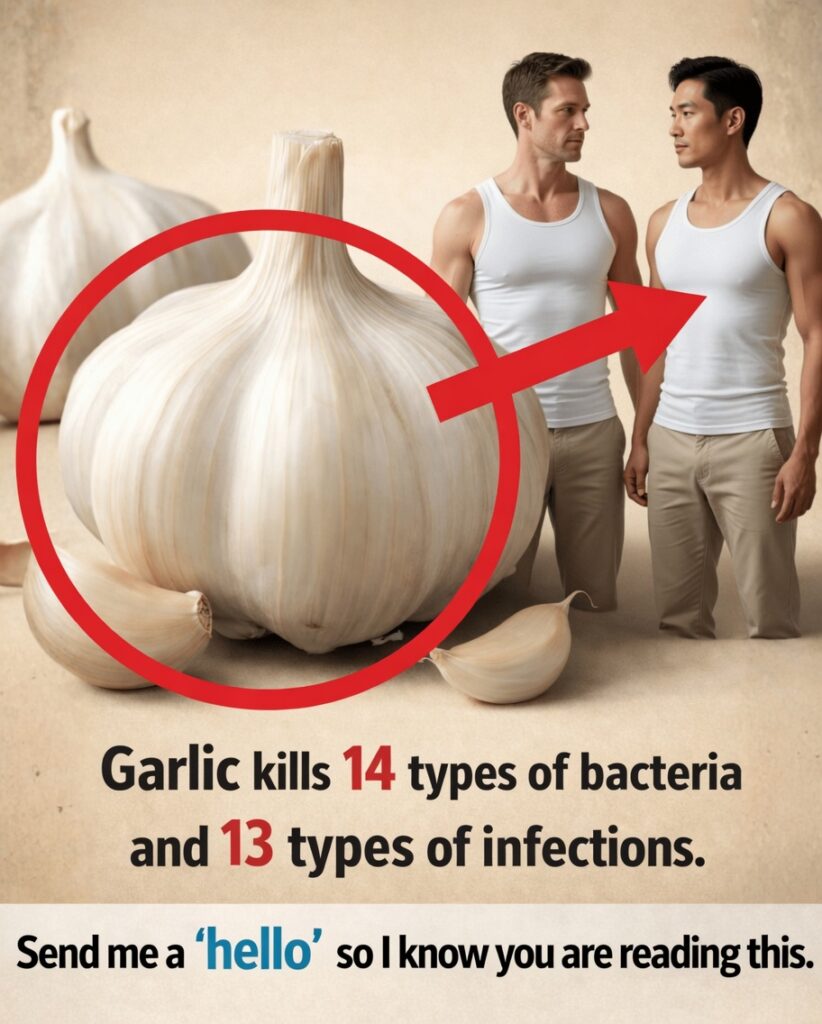
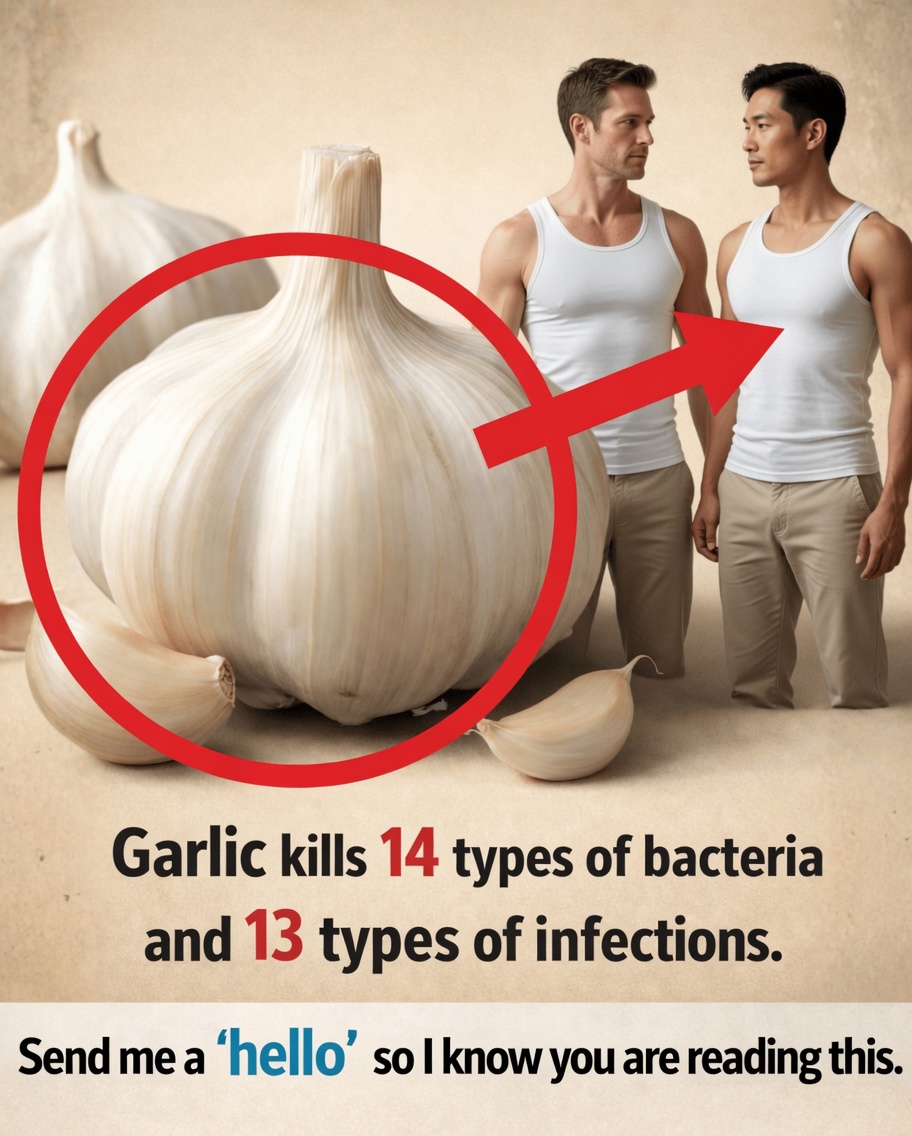
Scientific reviews (including in journals such as Microbes and Infection) describe allicin’s broad antimicrobial potential in lab experiments. You may see claims online like “garlic kills 14 bacteria” or “garlic fights 13 infections,” but these numbers are typically based on aggregated lab findings and are not a standardized, clinically precise count.
What the evidence does suggest is that garlic compounds can show activity in controlled settings against bacteria such as:
- Escherichia coli (E. coli) (often linked with foodborne illness)
- Staphylococcus aureus (connected to skin and wound issues)
- Salmonella (associated with digestive illness)
- Listeria (important in food safety)
This is not the same as proving garlic can treat infections in humans. Instead, it supports the idea that garlic may be a useful adjunct to healthy living, not a substitute for medical care.
Garlic and Digestive Support: A Possible Gut-Friendly Role
Digestive discomfort—bloating, heaviness after meals, irregularity—can quietly drain energy and affect mood. Some studies (including research discussed in Food Science & Nutrition) suggest garlic contains prebiotic-like fibers that may help nourish beneficial gut microbes.
In lab and animal research, garlic has also shown potential activity against certain gut-related organisms, including H. pylori, which is linked to stomach irritation and ulcers. While this does not mean garlic “cures” gut problems, it helps explain why some people feel better when they use garlic consistently and moderately.
What Lab Studies Say About Garlic’s Antimicrobial Effects
Across multiple studies, allicin demonstrates an ability to inhibit bacterial growth in laboratory environments. Reviews (such as those appearing in the Avicenna Journal of Phytomedicine) also discuss its potential against strains that show resistance to certain antibiotics.
Researchers propose several mechanisms for these effects, including the ability of garlic compounds to interfere with:
- Bacterial enzymes
- Cell membrane integrity
- Microbial metabolic processes
The key point is context: these findings are strongest in controlled lab settings. Real-world outcomes depend on many variables—dose, preparation, digestion, individual health status, and the type of organism involved. Garlic can be part of a wellness plan, but professional care remains essential for suspected infections.

Garlic and Immune Function: Seasonal Resilience Potential
When cold and flu season hits, many people look for ways to reduce how often they get sick—or at least shorten the downtime. Garlic compounds may influence aspects of immune activity, including white blood cell function.
A review published in Advances in Therapy reported that garlic supplementation may modestly reduce cold duration in some participants. While results are mixed and not definitive, this supports the idea that garlic may contribute to immune modulation, especially as part of broader healthy habits (sleep, nutrition, hydration, stress management).
Possible Heart Health Benefits: Blood Pressure and Circulation Support
Cardiovascular concerns often increase with age, including elevated blood pressure and cholesterol. Garlic contains sulfur-based compounds that may support healthy blood vessel function and circulation.
Meta-analyses in The Journal of Nutrition have reported modest reductions in systolic blood pressure (often around 5–8 mmHg in some studies). Garlic is not a replacement for prescribed treatment, but it may be a reasonable complementary dietary habit for people focusing on long-term heart health.
Garlic and Viruses: What the Early Evidence Suggests
Viral illnesses can escalate quickly, bringing sore throat, congestion, and exhaustion. Some laboratory research (including work referenced in Phytotherapy Research) suggests garlic extracts may inhibit certain viruses in controlled settings, including some influenza strains.
This does not mean garlic prevents viral infection or serves as a cure. However, it may offer supportive value during periods of increased exposure—especially when used alongside proven prevention strategies.
Antioxidant Properties: Supporting the Body Against Oxidative Stress
Oxidative stress accumulates over time and is linked to fatigue, aging-related changes, and broader health strain. Garlic provides antioxidants, including selenium and several organosulfur compounds that help neutralize free radicals.
Research published in Molecular Nutrition & Food Research connects garlic intake with improvements in certain oxidative stress markers. While the effects may be subtle, many people value small, consistent improvements in daily energy and vitality.
Anti-Inflammatory Support: Comfort and Mobility
Low-grade inflammation can contribute to stiffness, discomfort, and reduced mobility. Studies (including research discussed in the International Journal of Preventive Medicine) suggest garlic compounds may support healthier inflammatory responses.
For mild, everyday discomfort, garlic may be a helpful part of an overall routine—though it should not be positioned as a stand-alone solution for chronic inflammatory conditions.
Garlic in Broader Wellness Research: What Population Studies Suggest
Beyond laboratory work, some observational research links regular garlic consumption with a lower risk of certain digestive and stomach-related issues (including studies referenced in the World Journal of Gastroenterology). These findings show association, not proof of causation—but they support the idea that garlic can be part of a proactive wellness pattern.

What Makes Garlic a Versatile Daily Wellness Food
Garlic supports multiple systems through a combination of nutrients and bioactive compounds, including:
- Vitamin C and vitamin B6 (immune and metabolic support)
- Manganese (helps support metabolism)
- Organosulfur compounds (often studied for heart, inflammation, and antimicrobial activity)
Preparation matters:
- Raw, crushed garlic tends to maximize allicin formation.
- Cooked garlic is gentler and still offers benefits, though allicin is reduced by heat.
- Aged garlic products may be easier on digestion and lower in odor while still providing useful compounds.
Key Components at a Glance
- Allicin: strongest antimicrobial activity; highest in raw, crushed garlic
- Sulfur compounds: associated with circulatory and inflammation support
- Antioxidants: help address oxidative stress
- Prebiotic fibers: may help support gut balance
Safe, Practical Ways to Use Garlic (Without Overdoing It)
Start gradually and choose a form that fits your routine:
-
Raw for allicin support
- Crush 1 clove, wait 10 minutes (helps allicin develop), then mix into salads, dips, or after-cooking additions.
-
Cooked for daily consistency
- Add to soups, stir-fries, sauces, or roast whole bulbs for a milder taste.
-
Aged garlic extract supplements (for convenience)
- Common ranges are 600–1200 mg/day depending on the product—always follow the label.
-
Breath-management tips
- Try parsley, mint, or lemon water after meals.
Safety Guidelines to Keep in Mind
- Raw garlic: often 1–2 cloves/day is suggested in food use; start lower if you have a sensitive stomach.
- Cooked garlic: generally flexible in meals.
- Supplements: use as directed and check interactions—especially with blood thinners.
- Topical use: avoid applying undiluted garlic directly to skin; it can irritate or burn.
Always consult a healthcare professional if you have a medical condition, are pregnant, or take medications.
A Realistic Take on the “Exact Numbers” Claims
Garlic research does show activity against many bacteria in laboratory studies—sometimes a dozen or more across different reviews—and it may offer supportive effects related to infection risk and immune function. But scientific language stays cautious for a reason, often using phrases like “may inhibit” or “shows potential.”
For everyday wellness, the most evidence-based approach is simple: use garlic as a consistent, moderate dietary habit, not as a replacement for diagnosis or treatment when an infection is suspected.