
Millions of adults in the United States are living with diabetes or prediabetes—and many don’t find out until complications start. Recent figures from the CDC and the American Diabetes Association estimate that about 40.1 million Americans (roughly 12%) have diabetes, while more than 115 million adults have prediabetes. The problem is that early changes can feel minor and are often blamed on stress, aging, or everyday habits, allowing high blood sugar to progress quietly.
Catching these signals sooner can lead to earlier testing, a conversation with a healthcare professional, and straightforward lifestyle shifts that may protect long-term health.
Understanding the Tests That Can Detect Blood Sugar Problems Early
Early detection often begins with routine screening. Clinicians typically use these tests to assess blood glucose levels and diabetes risk:
-
Fasting Plasma Glucose (FPG): Taken after 8–12 hours without eating.
- Normal: under 100 mg/dL
- Prediabetes: 100–125 mg/dL
- Diabetes: 126 mg/dL or higher
-
HbA1c (A1c): Shows average blood sugar over the past 2–3 months.
- Normal: below 5.7%
- Prediabetes: 5.7–6.4%
- Diabetes: 6.5% or higher
-
Oral Glucose Tolerance Test (OGTT): Requires fasting, then drinking a glucose solution, followed by a 2-hour measurement.
- Normal: below 140 mg/dL
- Prediabetes: 140–199 mg/dL
- Diabetes: 200 mg/dL or higher
Even “borderline” results can be a useful prompt to watch for subtle symptoms before larger issues appear.
15 Overlooked Signs of Prediabetes or Diabetes
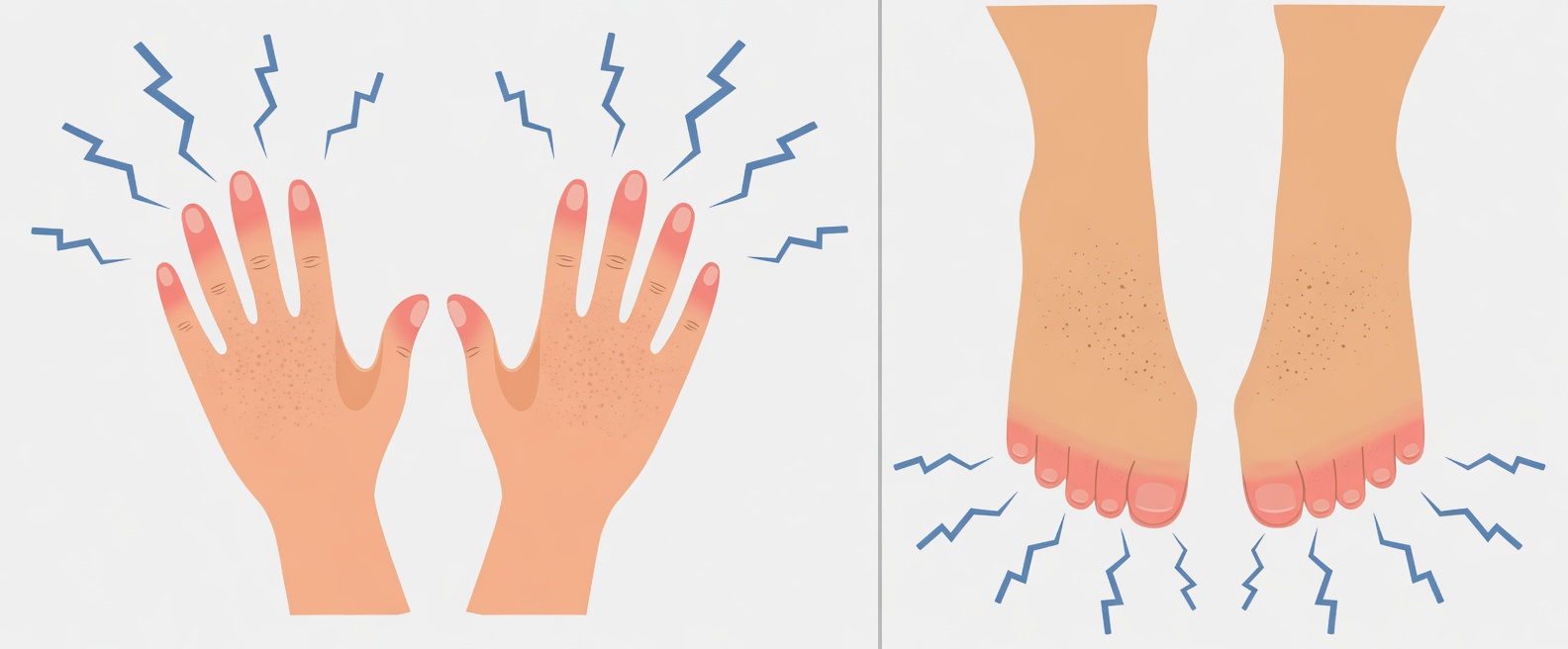
1. Tingling, Burning, or Numbness in Hands and Feet
Ongoing elevated blood sugar can irritate and damage nerves, creating a pins-and-needles, burning, or numb sensation—often in the feet and hands. Early neuropathy may be mild at first and frequently feels worse at night. Because nerve changes can begin even with modest glucose elevation, persistent symptoms deserve medical attention.
2. Dark, Velvety Skin Patches (Acanthosis Nigricans)
Thickened, darker, velvety skin—commonly on the neck, underarms, or groin—is strongly associated with insulin resistance, a key driver of prediabetes and type 2 diabetes. Many people treat it as a cosmetic concern, but it can be an external sign of internal metabolic changes.
3. Feeling Full Quickly or Sluggish Digestion
High blood sugar may interfere with stomach emptying, leading to bloating and feeling overly full after small meals. Some experience a gastroparesis-like pattern that makes digestion feel unusually slow.
4. Shakiness or Energy Crashes After Carb-Heavy Meals
If you get shaky, sweaty, weak, or notice a racing heartbeat a few hours after sweets or refined carbs, it may resemble reactive hypoglycemia. In prediabetes, the body can release extra insulin in response to rising glucose, followed by an uncomfortable drop.
5. Sweet-Smelling Urine (Sometimes Noticed by Insects)
When blood glucose becomes high enough (often around 180 mg/dL or above), extra sugar can spill into the urine, sometimes creating a sweet odor. A classic (and still reported) clue is insects being attracted to urine in bathrooms or on discarded materials. This sign calls for timely evaluation.
6. Blurry or Shifting Vision
Blood sugar swings can pull fluid into the eye’s lens, changing its shape and causing temporary blurry vision. Early vision changes may improve once glucose stabilizes, but they should not be ignored.
7. Cuts, Scrapes, or Bruises That Heal Slowly
Elevated glucose can impair circulation and weaken immune function, meaning small wounds may linger longer and become infected more easily than expected.
8. Unexplained Weight Loss (A Sign That Needs Fast Action)
Losing weight without trying—sometimes while eating normally or more—can occur when the body can’t use glucose properly and starts breaking down fat and muscle for energy. In some cases (especially type 1 diabetes), this can progress rapidly and lead to dangerous complications such as diabetic ketoacidosis (DKA) if not treated quickly. Sudden losses of 10–20 pounds should be treated as an urgent reason to seek professional care.
9. Ongoing Fatigue That Rest Doesn’t Fix
When glucose cannot efficiently enter cells, your body struggles to generate energy. The result can be persistent exhaustion, “brain fog,” or heavy tiredness that only improves when blood sugar is better controlled.
10. Frequent Gum Problems or Mouth Infections
Chronically high blood sugar promotes inflammation and can worsen gum disease or trigger recurring oral infections. Dentists sometimes notice these patterns before a diabetes diagnosis is made.
11. Constant Hunger Even After Eating
If cells aren’t getting usable energy, the body may keep signaling for more food, causing intense hunger (polyphagia), even when you’ve eaten enough.
12. Unquenchable Thirst
To remove excess sugar, the kidneys increase urine production and pull water from the body. This can cause dehydration and constant thirst (polydipsia).
13. Fruity or Acetone-Like Breath
When the body burns fat rapidly, ketones build up and can create a distinctive fruity or acetone odor on the breath. This is more common in uncontrolled diabetes and requires prompt medical care.
14. Hormonal Changes (Irregular Cycles or Low Energy in Men)
Blood sugar instability can disrupt hormone balance. In women, this may appear as irregular menstrual cycles; in men, it may contribute to low energy and changes linked to testosterone levels.
15. Recurring Infections (Yeast, Skin, or UTIs)
High glucose can weaken immune defenses and create conditions where bacteria and fungi thrive, increasing the likelihood of repeated yeast infections, skin infections, or urinary tract infections.

Quick Self-Check: Symptoms Worth Tracking
Use this simple grouping to spot patterns:
-
Classic signs
- Increased thirst
- Frequent urination
- Increased hunger
-
Skin and nerve clues
- Darkened skin folds (acanthosis nigricans)
- Tingling/numbness in hands or feet
- Slow-healing sores
-
Energy and sensory changes
- Persistent fatigue
- Blurry vision
- Unusual urine or breath odor
-
Urgent red flags
- Rapid, unexplained weight loss
- Fruity/acetone breath
- Repeated or severe infections
Tracking symptoms for 1–2 weeks can help you identify what’s consistent rather than occasional.
Simple Steps You Can Start Today
- Log symptoms in a notes app or journal (time, intensity, possible triggers).
- Book a routine check-up and ask about FPG, A1c, or OGTT if multiple signs persist.
- Build meals around fiber, protein, and healthy fats to support steadier glucose.
- Add daily movement (even walks) to help the body use glucose more effectively.
- Hydrate consistently and observe whether thirst, energy, or cravings shift with changes.
These habits support overall health and can improve how your body responds to blood sugar fluctuations.
Acting Early vs. Waiting: Why Timing Matters
Noticing subtle signs early often leads to manageable adjustments that improve daily well-being. Waiting can allow issues to progress into more disruptive problems, including worsening nerve discomfort, persistent infections, or ongoing vision changes. Early awareness supports more informed conversations with a healthcare professional and better long-term outcomes.
Conclusion
Your body often sends small signals before blood sugar problems become obvious. Recognizing early symptoms of prediabetes and diabetes, tracking patterns, and getting the right tests can make a meaningful difference—both in how you feel day to day and in protecting future health.
Frequently Asked Questions
What’s the most common early sign of diabetes?
For many people, increased thirst and frequent urination are the most noticeable early signs, reflecting the body’s attempt to clear excess glucose.
Can prediabetes cause symptoms you can feel?
Often there are no clear symptoms, but some people notice fatigue, skin changes, or mild versions of classic diabetes signs.
When should I talk to a doctor?
Seek care if several symptoms persist for weeks. Get prompt evaluation for rapid weight loss, fruity breath, severe fatigue, or frequent infections.
Disclaimer
This content is for informational purposes only and does not replace professional medical advice, diagnosis, or treatment. If you have health concerns or symptoms, consult a qualified healthcare provider. Never ignore or delay medical care because of something you read here.