The Sudden Jolt When You’re Falling Asleep: Understanding Hypnic Jerks
You finally sink into bed after a long day. Your breathing slows, your body loosens, your thoughts fade—and then a sudden twitch snaps you awake with a racing heart, often with the unmistakable sensation that you just fell. If this has left you confused or worried, you’re in good company: this experience is extremely common. The reassuring part is that there’s a solid scientific explanation, and a few practical lifestyle changes can make it happen less often.
What Is a Hypnic Jerk?
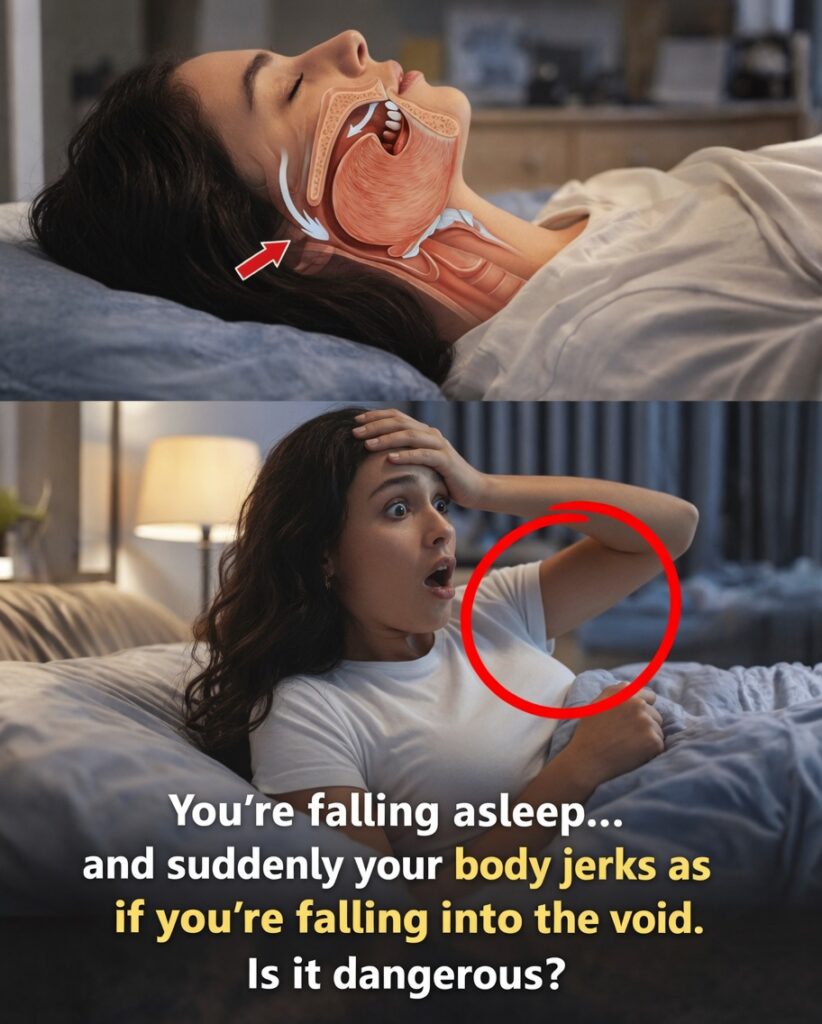
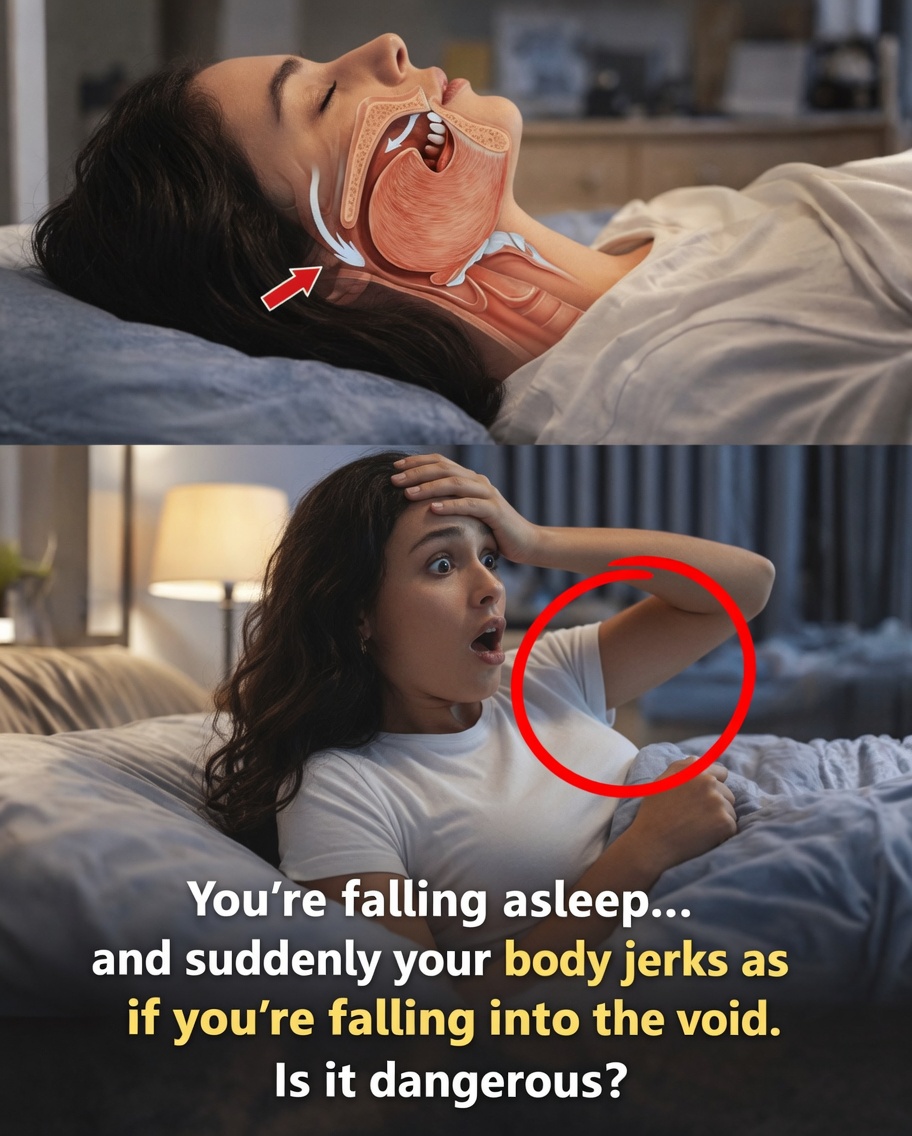
A hypnic jerk (also called a hypnagogic jerk or sleep start) is an involuntary muscle contraction that occurs right as you transition from wakefulness into the earliest stage of sleep.
As your body powers down, your muscles naturally relax. During this narrow window, the nervous system can trigger a sudden movement—anything from a brief leg kick or arm twitch to a stronger full-body jolt that pulls you back to alertness. Many people also report a quick “snapshot” of a dream—like tripping, slipping, or dropping—paired with the movement.
Research consistently describes hypnic jerks as a normal physiological event. Estimates suggest up to 70% of people experience them at least occasionally, and for some, they can occur frequently—even daily.
What Causes Hypnic Jerks? The Brain–Body “Power-Down” Glitch
Falling asleep isn’t an instant switch. As you drift off, several changes happen in parallel:
- Brain waves slow
- Breathing becomes deeper and more regular
- Muscle tone decreases significantly
This gradual downshift is essential for restorative sleep, but the handoff isn’t always smooth. The reticular formation in the brainstem, a system involved in regulating sleep–wake transitions, may sometimes send mixed signals during this stage. The result can be a brief burst of muscle activity—like a tiny misfire as the system settles into sleep mode.
Another widely discussed theory is evolutionary. Scientists have proposed that when our primate ancestors slept in trees, a sudden drop in muscle tone could have increased the risk of falling. A rapid muscle-tightening reflex would have been protective. Even though modern sleep environments are safe, the reflex may still show up as a lingering “safety check.”
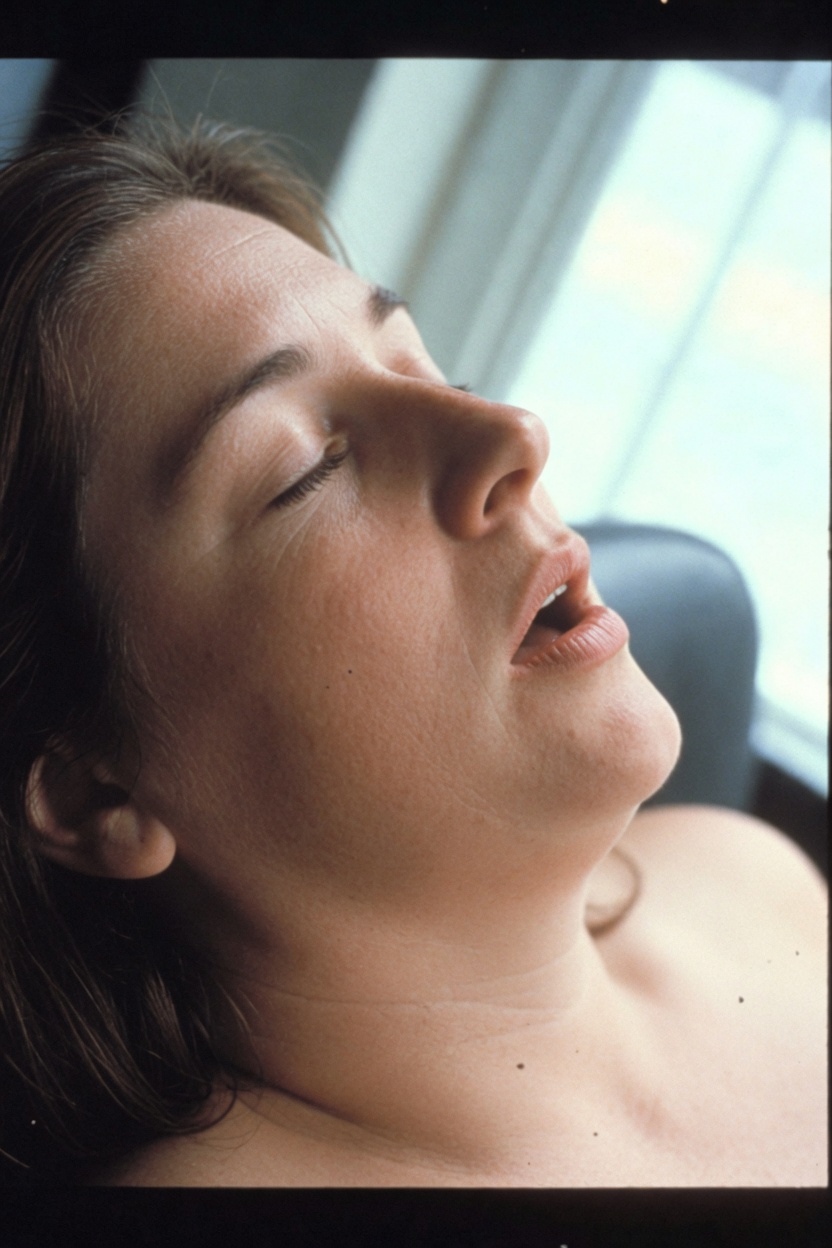
Why the Falling Sensation Feels So Real
Hypnic jerks often come with a vivid feeling of falling because they occur in the hypnagogic state—the hazy boundary where early dream imagery can begin while you’re not fully asleep yet.
When the body twitches, the brain may interpret that signal as real movement, generating the classic stomach-dropping sensation similar to turbulence, a sudden elevator dip, or a rollercoaster drop. In short, your brain briefly treats relaxation as potential danger and triggers an alert “just in case.”
This can feel intense, but it’s typically harmless and short-lived.
Common Triggers That Make Hypnic Jerks More Frequent
Hypnic jerks can happen to anyone, but certain habits and conditions tend to make them more noticeable on some nights. Common triggers include:
- Stress and anxiety: A heightened nervous system can make the transition into sleep more reactive.
- Caffeine and other stimulants: These keep the brain more activated when the body is trying to wind down.
- Sleep deprivation: Extreme tiredness can lead to a faster, less stable drop into sleep.
- Irregular sleep schedule: Inconsistent bedtimes can disrupt your internal rhythm.
- Intense evening exercise: Hard workouts late in the day may keep the nervous system “revved.”
- Uncomfortable sleep environment: Temperature, noise, and poor sleep setup can interfere with smooth relaxation.
Sleep research links these factors to more disrupted sleep onset, which helps explain why hypnic jerks cluster around certain lifestyles and routines.
When Should You Worry About Hypnic Jerks?
For most people, hypnic jerks are benign and part of normal sleep physiology. They can occur at any age and usually don’t signal a serious medical problem.
However, it’s worth speaking with a healthcare professional if the jerks are accompanied by:
- Chest pain or significant discomfort
- Breathing difficulties
- Frequent sleep paralysis
- Ongoing, severe sleep disruption or fear of falling asleep
Isolated sleep starts without other symptoms are generally just your body’s quirky (and common) transition into sleep.
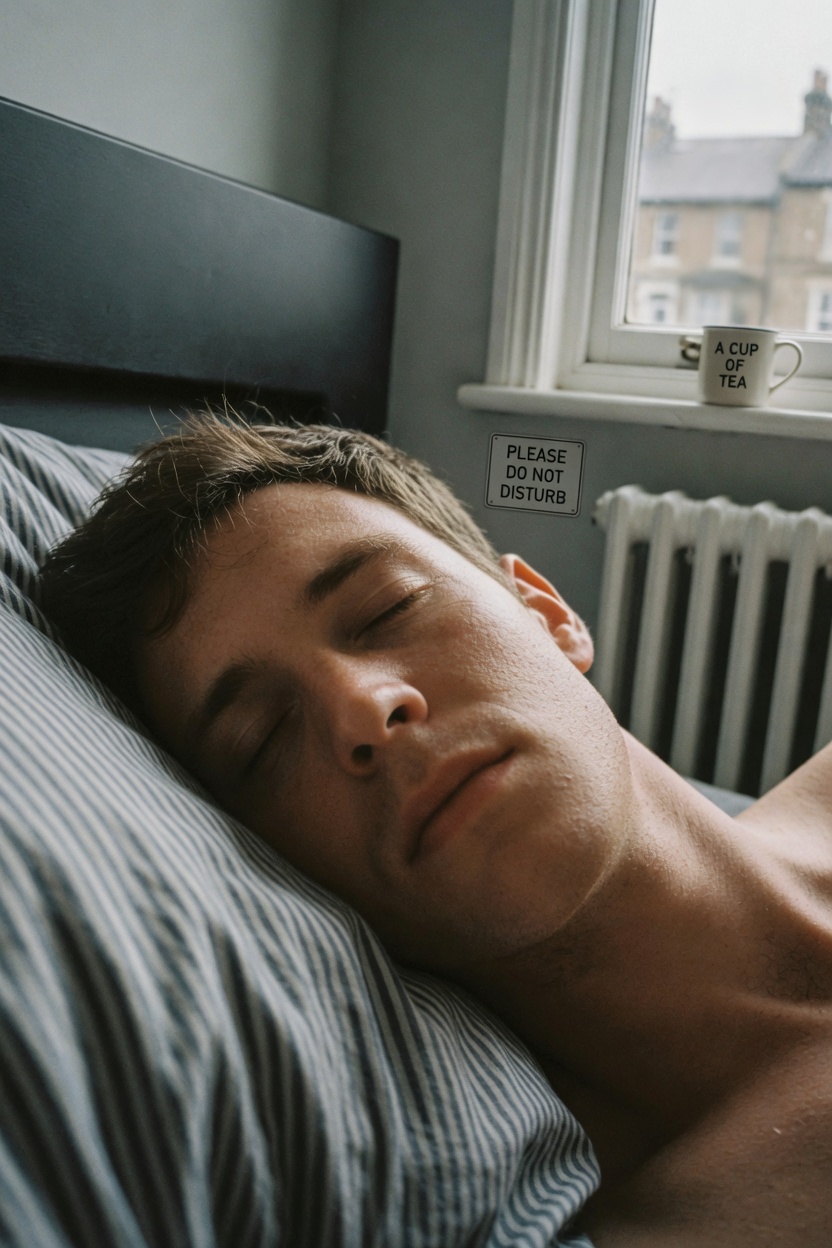
How to Reduce Hypnic Jerks Naturally (Practical, Evidence-Informed Tips)
You may not be able to eliminate hypnic jerks entirely, but many people can reduce their frequency by improving sleep habits and lowering nervous system activation before bed.
1) Keep a consistent sleep schedule
- Go to bed and wake up at the same time each day (including weekends) to stabilize your body clock.
2) Cut off caffeine and stimulants earlier
- Avoid coffee, tea, energy drinks, and nicotine at least 6 hours before bedtime (longer if you’re sensitive).
3) Build a calmer wind-down routine
- Use the last 30–60 minutes before sleep for low-stimulation activities:
- Reading
- Gentle stretching
- Warm shower
- Quiet music
4) Avoid intense late-night workouts
- Finish vigorous exercise earlier in the evening so your nervous system has time to settle.
5) Improve your sleep environment
- Aim for a bedroom that’s:
- Cool (about 60–67°F / 15–19°C)
- Dark
- Quiet
6) Manage daily stress before bed
- Try practical downshifting tools:
- Deep breathing
- Meditation
- Journaling
7) Keep evening meals light
- Heavy, spicy, or rich foods can make relaxation harder for some people.
Extra sleep-hygiene upgrades that often help
- Prioritize 7–9 hours of sleep consistently
- Create a tech-free buffer for about an hour before bed
- Try progressive muscle relaxation (tense and release muscle groups from toes upward)
Small changes done steadily tend to create the most lasting improvement.
Conclusion: A Common Sleep Quirk You Can Manage
That sudden jerk or falling sensation right as you nod off is a widespread, usually harmless feature of the sleep onset process. It’s closely tied to normal brain–body transitions—and may even reflect an old survival reflex that still shows up in modern life.
By reducing stimulants, improving sleep hygiene, and building a calmer pre-bed routine, you can often minimize these disruptions and make falling asleep feel smoother and more predictable.
FAQ
How common are hypnic jerks?
Studies suggest up to 70% of adults experience hypnic jerks at least once. A smaller portion (often cited around 10%) notice them daily. They’re more common in younger people and may decrease with age.
Can hypnic jerks cause insomnia?
They don’t directly cause insomnia for most people, but frequent jolts can create anxiety about falling asleep. Addressing triggers (stress, caffeine, sleep deprivation) often helps break the cycle.
Do hypnic jerks happen to everyone?
Not everyone notices them, but they occur across ages and genders. Individual sensitivity, stress levels, and stimulant use can make them more obvious for some people than others.
Disclaimer: This article is for informational purposes only and is not a substitute for professional medical advice. If you’re concerned about your sleep or have persistent symptoms, consult a qualified healthcare provider.