
Why Digestion Can Feel Heavier After 50
With age, natural shifts—such as slower gut motility and changes in how bile moves—can make food sit “heavier” and digestion feel less efficient. Surveys and clinical observations commonly note that many adults over 60 experience frequent bloating or a sluggish, backed-up sensation. Inflammation and gradual waste accumulation may contribute, affecting comfort, daily energy, and even how well the body processes dietary fats.

One factor often overlooked is bile. It’s not only essential for breaking down fats—it also supports the gut’s ability to keep contents moving smoothly. When bile flow becomes less dynamic, overall digestive efficiency may decline. Research suggests that certain dietary oils, thanks to their specific fatty acid profiles, can naturally encourage bile-related processes—making them a simple, practical addition to an everyday routine.
The Common Mistake: Ignoring Bile’s Everyday Job
Most people think bile is only about fat digestion. In reality, it also acts like a built-in “rinse cycle,” helping emulsify fats and supporting the movement of waste through the digestive tract. After 50, bile can become thicker and less responsive, and the body may recirculate more waste than you’d like.
Some oils appear to signal bile release more effectively than others. If your goal is lighter mornings, steadier energy, and less post-meal heaviness, keep your main concern in mind—bloating, sluggishness, or midsection discomfort—as we rank the oils.
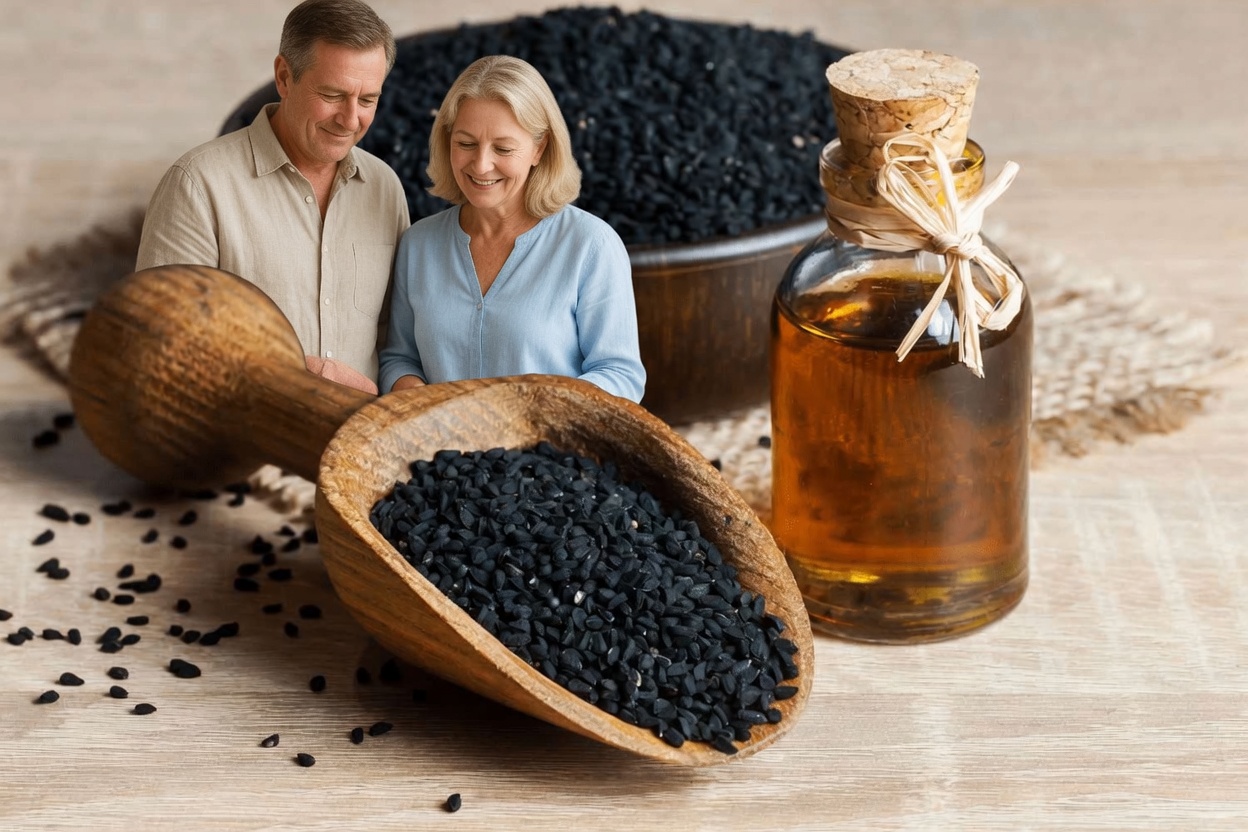
Oil #5: Black Seed Oil — A Supportive Antioxidant Option
Black seed oil (from Nigella sativa) contains thymoquinone, widely studied for antioxidant and anti-inflammatory activity. Research suggests it may offer modest improvements in digestive comfort over time, including gradual reductions in bloating for some people.
Anecdotally, many users describe mild relief rather than dramatic change—making it more of a supportive “add-on” than a primary driver of faster digestion.
- How to start: Mix 1 teaspoon into food to improve tolerance.
- Best timing: With breakfast tends to feel easiest for most people.
Next, an oil known for more direct gut-lining support.
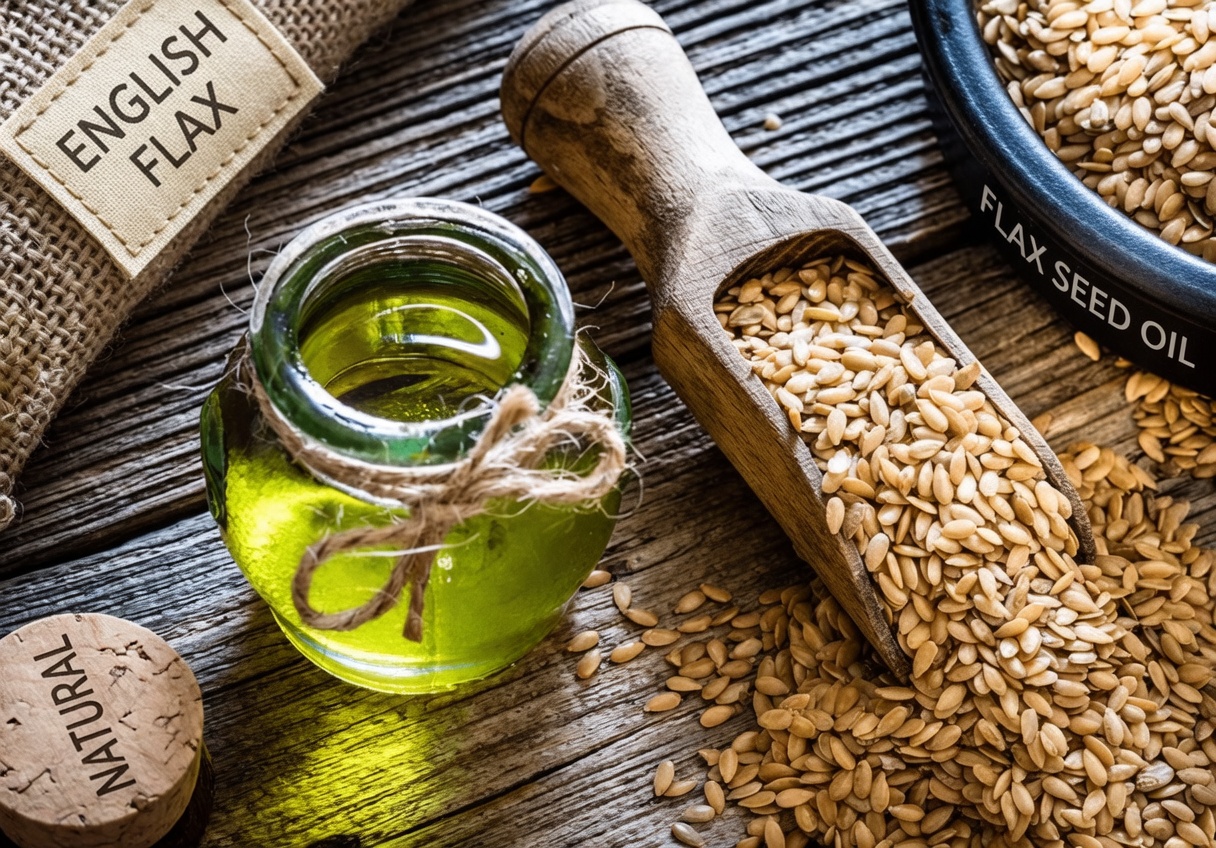
Oil #4: Flaxseed Oil — Barrier Support and “Lubrication” Feel
Flaxseed oil is rich in alpha-linolenic acid (ALA), a plant-based omega-3 associated in research with lower inflammation and stronger intestinal barrier function. Some studies link it to improvements in gut lining integrity and reduced bloating in certain individuals.
One example: John, 59, added 1 tablespoon on an empty stomach and noticed smoother transit within days. He described it as a “natural lubrication” effect—subtle, but noticeable.
- Self-check: If cramping is rare for you, flaxseed oil can be a strong foundational step.
Now, let’s look at an oil known for quick energy support.
Oil #3: MCT Oil — Fast-Use Fats for Quicker Energy
MCTs (medium-chain triglycerides) are absorbed differently from many longer-chain fats. They are transported to the liver quickly and can be used rapidly, which is why research often links MCT intake to enhanced fat oxidation compared with traditional dietary fats. Some people report feeling “lighter” within just a few days.
Robert, 67, added 1 tablespoon of MCT oil to coffee and noticed steadier energy without the usual crash—especially helpful for busy, active days.
Quick comparison (so far)
- Black seed oil: Antioxidant and inflammation support — Weeks — 2/10
- Flaxseed oil: Gut lining support and smoother transit — 3–7 days — 8/10
- MCT oil: Fast-use energy and fat oxidation — 1–3 days — 8.5/10
Next up: coconut oil and its relationship to motility and balance.
Oil #2: Coconut Oil — Motility and Microbial Balance Support
Virgin coconut oil contains lauric acid, which research suggests may help disrupt bacterial biofilms and support a healthier microbial environment. Over time, this may contribute to improved gut motility and a more regular rhythm.
Sarah, 64, used 2 tablespoons melted in the morning and reported better regularity and improved waist comfort after weeks—especially helpful for long-term “stuck” feelings.
Before we reach the top pick, rate your current digestion satisfaction: what would you change first—frequency, ease, or post-meal comfort?
Mid-Article Quick Check
- How many oils have been ranked so far? 4
- What’s your main focus right now? (Bloating, sluggishness, or midsection comfort)
- What do you think gives the top oil an advantage?
- Belly comfort score (1–10): Now vs. when you started reading
- Ready for #1? Yes / No
Oil #1: Extra Virgin Olive Oil — The Best All-Around Bile Flow Support
Extra virgin olive oil (EVOO) stands out due to its high oleic acid content. Research— including ultrasound-based observations—links EVOO consumption to increased bile flow and improved fat emulsification, which can support more consistent digestive efficiency.
David, 71, took 2 tablespoons on an empty stomach and reported less daily heaviness, echoing what many users notice with consistent intake: “Mornings feel lighter.”
For sustained, long-term support—especially related to bile function—EVOO is the top choice.
How to Use These Oils Safely After 50
Start gently to improve tolerance and consistency.
- Top pick (EVOO): Take 2 tablespoons of high-quality extra virgin olive oil (preferably a dark bottle, recent harvest) on an empty stomach.
- Wait 30 minutes before eating.
- Rotate other oils:
- Add flaxseed oil or MCT oil later in the day.
- Use coconut oil 3–4 times per week.
- What to expect:
- Days 1–3: A “lighter” feel may appear
- By week 1: More predictable patterns often develop
- By month 1: Benefits tend to feel more stable with consistency
Anna, 58, stayed consistent with EVOO and noticed improved comfort and energy. She even mentioned her doctor asked what had changed.
Common Mistakes (and Simple Fixes)
Small details can decide whether you feel results or get frustrated.
- Avoid:
- Taking oil and immediately following it with a heavy meal
- Using refined oils instead of high-quality, minimally processed versions
- Do instead:
- Choose cold-pressed oils in dark glass
- Track progress weekly (energy, waist comfort, bowel regularity)
Suggested implementation timeline
- Days 1–3: 2 tbsp EVOO on an empty stomach → lighter core feel
- Week 1: Add rotations → more regular patterns
- Weeks 2–4: Stay consistent → reduced bloating support
- Month 1+: Maintain routine → steadier vitality
The Bigger Picture: Small Daily Habits That Support Healthy Aging
Imagine 30 days from now: more comfortable mornings, better energy after meals, and a steadier daily rhythm—without that lingering heaviness.
Doing nothing often means repeating the same discomfort. A small, consistent habit can rebuild confidence in how your body feels day to day.
- Try 2 tablespoons of EVOO tomorrow morning and note how you feel for one week.
- Track waist comfort and energy weekly—visual progress helps consistency stick.
Frequently Asked Questions
Can these oils replace medical care for digestive problems?
No. These oils are supportive tools within a balanced lifestyle. If symptoms persist or worsen, consult a qualified healthcare provider.
How much oil is too much?
Start low. For many people, 1–2 tablespoons per day total is a reasonable range to test tolerance. Too much fat at once may cause loose stools.
Are there side effects?
Some people experience mild digestive adjustment at the start. Introduce oils gradually and prioritize quality sources.
Medical disclaimer
This article is for informational purposes only and does not provide medical advice. Consult your healthcare provider before making dietary changes, especially if you have health conditions or take medications.