
Chronic Kidney Disease, Creatinine, and GFR: How Vegetables Can Support Kidney Health
Nearly 37 million U.S. adults are living with chronic kidney disease (CKD). For many people, the first clue isn’t pain—it’s a routine lab report showing higher creatinine or a lower GFR (glomerular filtration rate).
That moment can be unsettling. The tiredness you blamed on getting older, the mild puffiness in your hands or ankles, or the low-level anxiety you couldn’t explain may suddenly feel connected. As we age, the kidneys face more pressure from blood pressure changes, blood sugar imbalance, inflammation, oxidative stress, and everyday toxin exposure—making daily habits matter more than ever.
Here’s the encouraging part: no single food “cures” kidney disease, but certain vegetables contain plant compounds that may help calm inflammation, provide antioxidants, support hydration, and gently encourage waste elimination. In this guide, you’ll learn five standout vegetables, what early research and traditional use suggest, and simple ways to start using one today.

Why Creatinine and GFR Matter—and Where Natural Support Fits In
Creatinine is a waste product produced by normal muscle activity. Healthy kidneys remove it efficiently. GFR estimates how well your kidneys filter blood; when it drops, it can signal that the kidneys are under strain.
A low GFR or rising creatinine is often associated with factors such as:
- Chronic inflammation
- Oxidative stress
- High blood pressure
- Blood sugar dysregulation
- Metabolic or vascular stress
Early symptoms can be subtle, so people often delay action until the numbers become harder to ignore. And emotionally, those lab results can trigger real fear—concerns about progression, dialysis, or long-term quality of life.
Medical care, medications, and clinician-guided diet changes are foundational. At the same time, adding targeted plant foods can offer gentle day-to-day support—especially through antioxidant activity, anti-inflammatory compounds, and mild diuretic effects. This is not a replacement for medical care, but a supportive layer you can control daily.
1. Celery: Hydration Support, Gentle Diuretic Effects, and Blood Pressure-Friendly Compounds
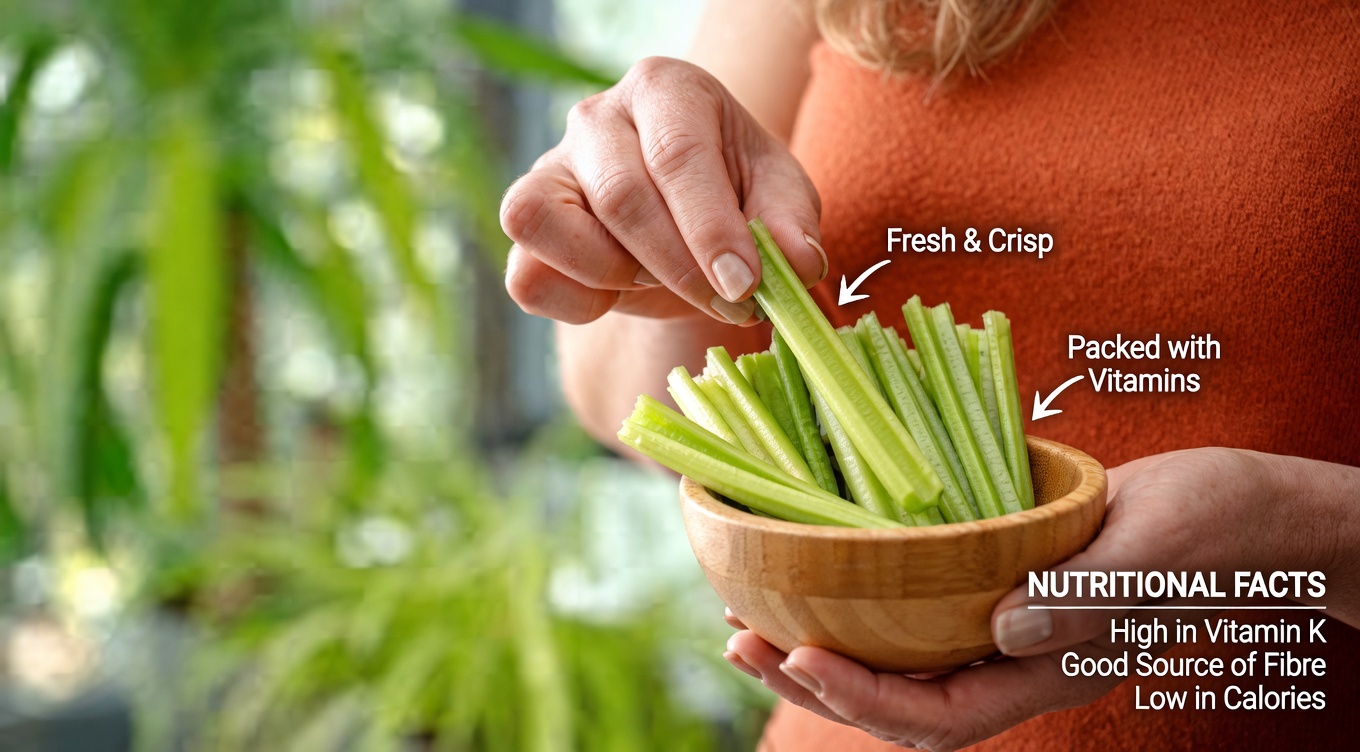
Celery is widely accessible and stands out for its high water content, which can support hydration—a key pillar in kidney-friendly habits (when fluid intake is appropriate for your medical situation).
Celery also contains plant compounds such as phthalides, which are often discussed for their potential role in supporting healthy blood vessel function. Because blood pressure is one of the strongest drivers of kidney strain, this indirect support matters.
Research—including animal studies—has explored celery’s flavonoids (notably apigenin and luteolin) for possible anti-inflammatory and antioxidant benefits that may help protect tissues under stress. Celery is also commonly associated with mild diuretic action, which may help the body manage excess fluid and waste removal.
How to use it (practical options):
- Juice 2–3 fresh stalks, optionally blended with cucumber or apple to soften the flavor
- Drink 3–4 times per week
- Snack on raw celery for an easy, low-effort addition
Note: If you tend toward low blood pressure, start with small amounts and monitor how you feel.
2. Fish Mint (Houttuynia cordata): Traditional “Detox” Support with Flavonoids
Fish mint is less common in many Western kitchens, but it has a long history in traditional use. Its distinctive aroma comes with a phytochemical profile that includes quercetin and other flavonoids, which are often studied for antioxidant and anti-inflammatory properties.
Traditionally, fish mint is valued for its mild diuretic and antibacterial qualities—traits that may be relevant when thinking about urinary tract comfort and inflammation management. Some animal research suggests it may help protect kidney tissue from toxin-related stress and may support circulation to filtration areas.
How to use it:
- Add 10–15 fresh leaves to salads or fresh dishes
- Brew as a tea: steep a handful in hot water for about 10 minutes
- Use 2–3 times per week
- Pair with ginger if you find its “cooling” effect too strong
If you’ve never tried it, fish mint can be surprising—but it’s worth exploring for those looking to diversify kidney-supportive plant foods.
3. Bitter Melon: Blood Sugar Support That Protects Kidney Vessels Indirectly
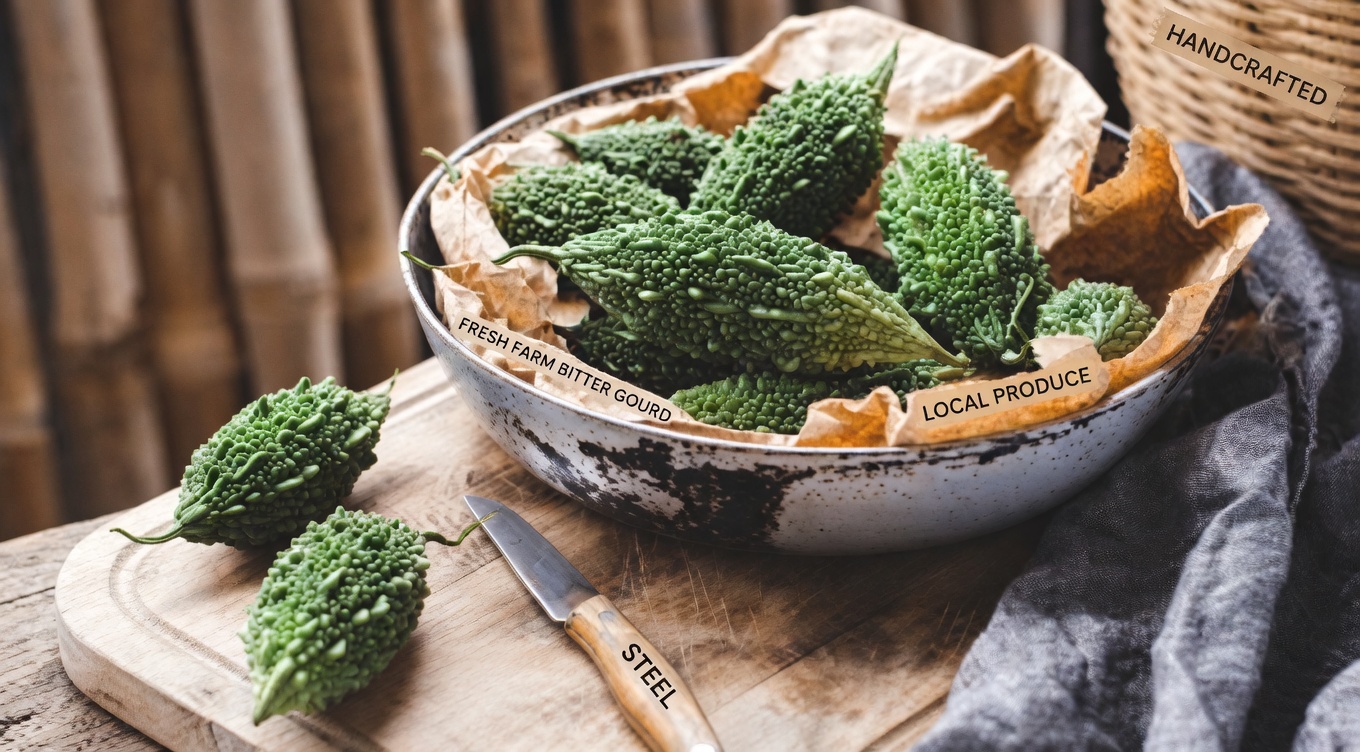
Bitter melon (bitter gourd) is best known for helping support healthy blood sugar levels. This matters because consistently elevated blood sugar can damage small blood vessels—including the delicate microvasculature inside the kidneys.
Bitter melon contains compounds (often discussed in research, including charantin) that may help support glucose metabolism. Reviews also note its potential antioxidant and anti-inflammatory activity, which can be relevant for broader metabolic health closely tied to kidney function.
How to use it without suffering through the bitterness:
- Slice and cook into soups or stir-fries with ginger and lean protein
- If juicing, start small (around 50 ml) and dilute
- Aim for 3–4 times per week, easing in gradually
Better glucose stability can mean less long-term stress on kidney tissues.
4. Cilantro (Coriander Leaves): A Simple Herb for Gentle Cleansing Support
Cilantro is often treated as a garnish, but it may offer more than flavor. It has been discussed for its potential to support the body’s natural elimination pathways, including the ability to bind certain metals and support excretion. Cilantro is also sometimes used to support uric acid balance, which may be relevant for those concerned about inflammation or stone risk.
Animal studies have reported kidney-protective effects in models of tissue stress, suggesting a possible role in antioxidant defense.
Easy ways to include cilantro:
- Make a tea: boil a handful in 500 ml water
- Drink twice daily, 3–4 days per week
- Or chop fresh cilantro into meals (soups, salads, grain bowls)
Small daily habits can gradually reduce the overall “load” your body has to manage.
5. Gotu Kola (Centella asiatica): Supporting Repair, Swelling, and Oxidative Stress Defense
Gotu kola is traditionally used for circulation and tissue health. It contains compounds such as asiaticoside, which has been studied for roles related to tissue repair and structural support. It’s also discussed for anti-inflammatory and antioxidant effects, which may help reduce oxidative stress—an important theme in kidney strain.
Some research in experimental models suggests potential kidney-protective activity under stress conditions, and it is often used when people are concerned about swelling or “water retention” (with appropriate medical guidance).
How to use it:
- Juice fresh leaves and mix with coconut water or a small amount of honey
- Drink 2–3 times weekly
- Consider cycling: 7 days on, 3 days off
This can be a gentle option for those looking to support the body’s natural recovery processes.
Quick Comparison: Kidney-Supportive Vegetables at a Glance
-
Celery
- Key focus: hydration + mild diuretic support
- Potential benefits: fluid balance, blood pressure support
- Ease: high
- Frequency: 3–4x/week
-
Fish Mint (Houttuynia cordata)
- Key focus: flavonoids + traditional antibacterial use
- Potential benefits: waste elimination support, urinary inflammation support
- Ease: medium
- Frequency: 2–3x/week
-
Bitter Melon
- Key focus: blood sugar support
- Potential benefits: indirect kidney vessel protection, metabolic support
- Ease: medium
- Frequency: 3–4x/week
-
Cilantro
- Key focus: gentle cleansing support + mild diuretic effects
- Potential benefits: detox-style support, uric acid balance support
- Ease: high
- Frequency: 3–4x/week
-
Gotu Kola
- Key focus: anti-inflammatory support + tissue repair pathways
- Potential benefits: swelling support, oxidative stress defense
- Ease: medium
- Frequency: 2–3x/week (cycled)
Tips to Build a Kidney-Supportive Routine (That You’ll Actually Stick With)
- Hydrate appropriately: These foods work best when hydration is adequate—but follow your clinician’s fluid guidance if you have restrictions.
- Track gently: Pay attention to energy, swelling, and how you feel, and review trends in labs with your healthcare provider every 3–6 months.
- Combine wisely: A simple option is celery + cilantro blended into a refreshing, plant-forward drink.
- Start small and stay consistent: Pick one vegetable to add this week. Consistency beats intensity.
Think 90 days ahead: steadier routines, more control over daily choices, and supportive habits that complement medical care.
Frequently Asked Questions
-
Can these vegetables replace kidney medications?
No. These foods are supportive, not substitutes. Continue your prescribed treatment plan and discuss any dietary changes with your clinician. -
Are there any risks or interactions?
Most are safe in moderation, but individual risks vary. For example, celery may not be ideal in large amounts for people prone to low blood pressure, and herbs can interact with medications. If you have CKD or take prescription drugs, consult a healthcare professional. -
How quickly will creatinine or GFR improve?
Results vary widely. Focus on consistent habits and regular lab monitoring rather than fast changes. Kidney health is typically a long-term process.
Medical Disclaimer
This article is for informational purposes only and does not replace professional medical advice. Consult your healthcare provider before making dietary changes, especially if you have kidney disease or abnormal creatinine/GFR results.