Tomatoes, Garlic, and Ginger: A Simple Drink That May Support Prostate and Urinary Wellness
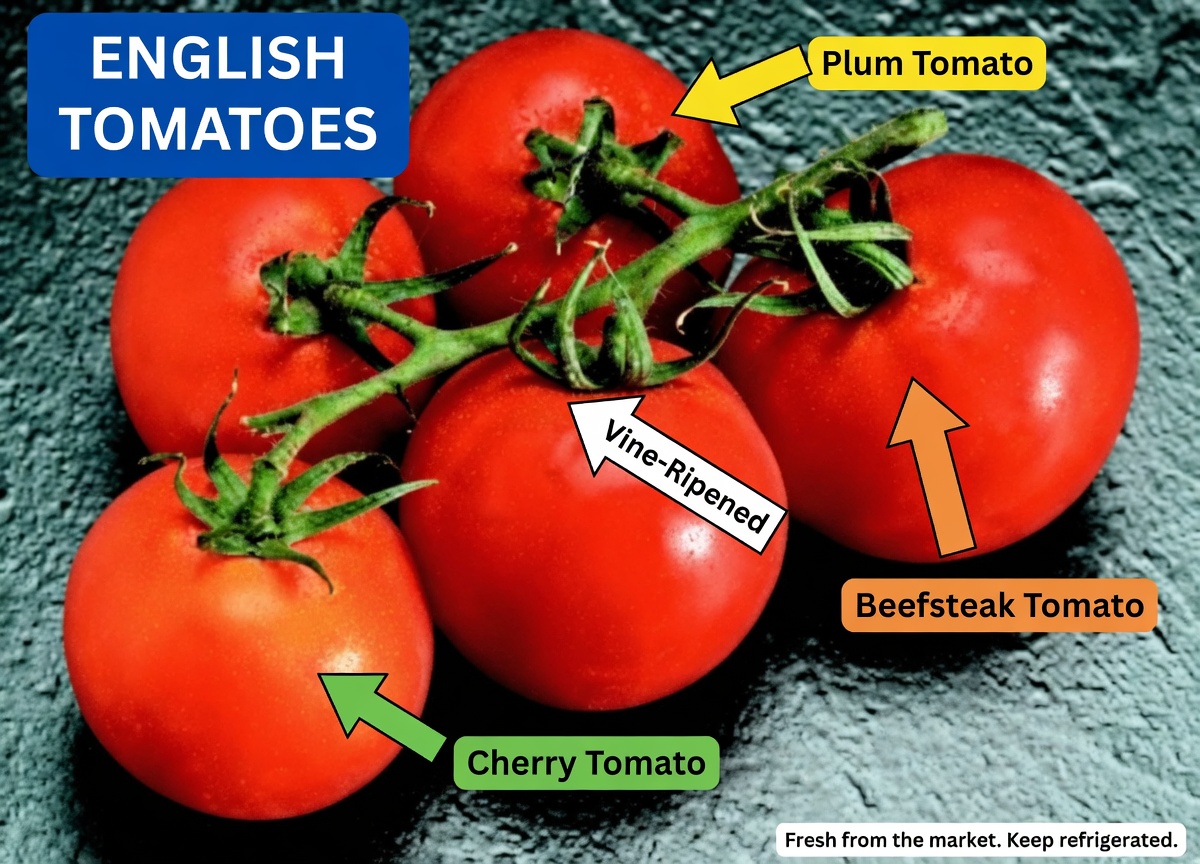
Tomatoes are widely recognized as one of the best natural sources of lycopene, a potent antioxidant carotenoid. Research—including prospective findings from Harvard’s Health Professionals Follow-up Study—has associated higher intake of lycopene-rich foods (such as tomatoes and tomato products) with potential prostate benefits, including links to a lower risk of certain prostate-related concerns.
Garlic contributes allicin and other sulfur-containing compounds. Evidence from laboratory and animal studies suggests these compounds may help moderate inflammation and promote a healthier internal environment for prostate tissue. Some scientific reviews also note garlic’s long history in traditional approaches aimed at improving comfort in prostate-related conditions.
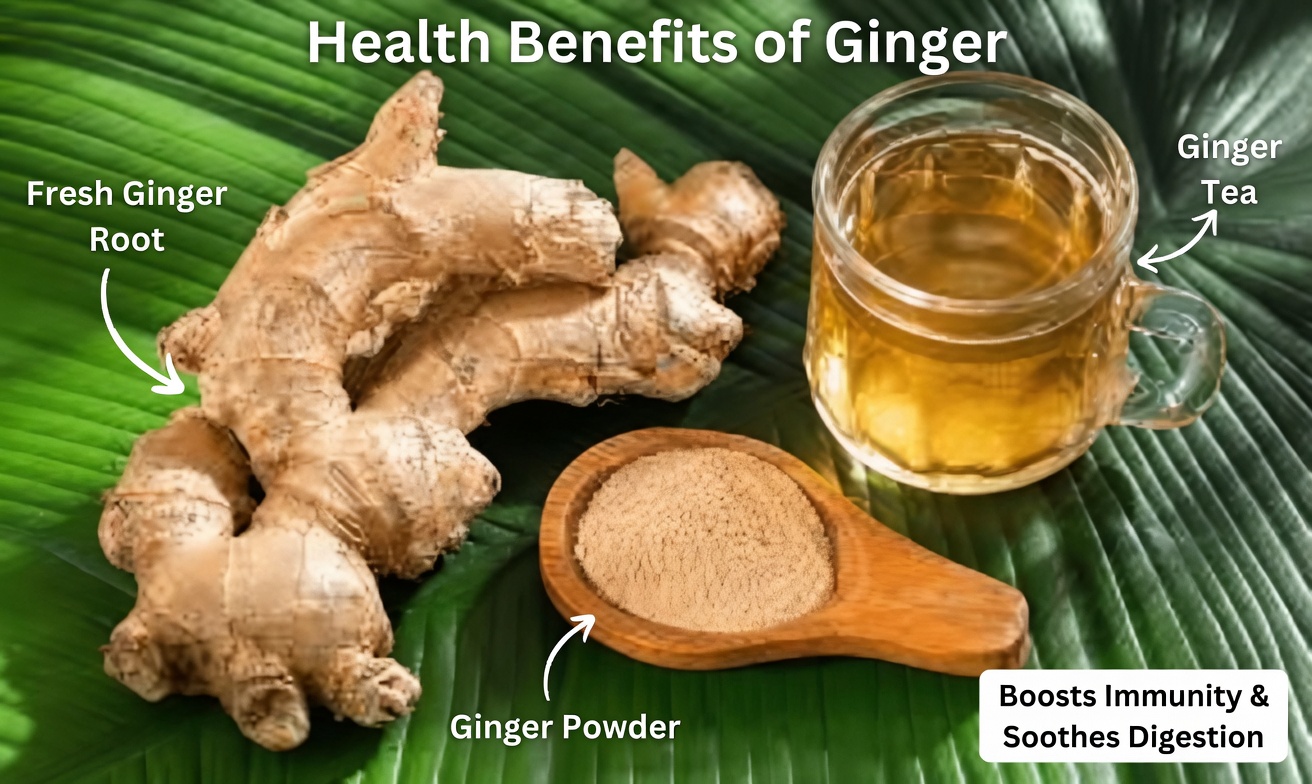
Fresh ginger adds gingerol, a bioactive compound known for anti-inflammatory activity. Early-stage research, including animal models, has explored whether ginger compounds could help ease urinary discomfort and support tissue health.
It’s important to note that large human trials have not tested this exact three-ingredient drink as a single intervention. Still, each ingredient has been studied individually, and together they offer a practical way to include more prostate-friendly, anti-inflammatory foods in a daily routine.
Key Nutrients in This Trio (and Why They Matter)
Below is a clear breakdown of what makes tomatoes, garlic, and ginger especially interesting for prostate health and urinary function:
- Tomato (Lycopene): Lycopene can accumulate in prostate tissue. Observational research often links regular tomato intake with supportive effects on inflammation and certain prostate-related markers.
- Garlic (Allicin): When garlic is crushed, allicin forms. Research suggests allicin may offer anti-inflammatory and antimicrobial properties, which could contribute to a calmer prostate environment.
- Ginger (Gingerol): Gingerol has been studied for its potential to support circulation and reduce discomfort in urinary pathways.
Blending these ingredients into a fresh drink can increase exposure to these naturally occurring compounds while also providing fiber (especially if you drink it unstrained).
How to Make the Morning “Prostate Support” Drink
This quick recipe takes about a minute and uses ingredients found in many kitchens.
Ingredients (1 large glass)
- 2 medium ripe tomatoes (deep red tomatoes typically provide more lycopene)
- 1–2 cloves raw garlic (fresh is ideal)
- 1-inch piece of fresh ginger root
- Optional:
- A pinch of black pepper (commonly used to support nutrient absorption in meals)
- A few basil leaves for flavor
Directions
- Wash all ingredients well.
- Roughly chop the tomatoes. Peel and grate the ginger.
- Crush the garlic and let it sit for 10 minutes (this helps maximize allicin formation).
- Blend everything until smooth.
- If you prefer a lighter texture, strain through a fine mesh; if you want more fiber, drink it unstrained.
- Many people find it easiest to take in the morning on an empty stomach as a consistent routine.
Helpful tip: Adding 1 teaspoon of olive oil may improve lycopene absorption because lycopene is fat-soluble. Consider using a straw to reduce acidity exposure on tooth enamel.
What Some Men Report With Consistent Use
When men adopt more plant-forward, anti-inflammatory eating habits (including drinks like this), some report gradual changes in daily comfort over time:
- Weeks 1–2: Some notice fewer nighttime bathroom trips and a smoother morning flow.
- Weeks 3–6: Others report better energy, reduced urgency, and improved overall well-being.
- Week 8 and beyond: Continued urinary ease is sometimes mentioned, including during routine health check-ins.
These experiences vary and are best viewed as possible outcomes that align with broader diet patterns emphasizing whole foods and inflammation support.
Practical Ways to Get the Most Out of It
- Choose fully ripe, red tomatoes, since lycopene increases as tomatoes mature.
- Always crush garlic and wait 10 minutes before blending to boost allicin development.
- Add a small amount of healthy fat (such as olive oil) to improve nutrient uptake.
- Focus on consistency—a daily morning habit is often easier to maintain than occasional use.
- Pair with a well-rounded lifestyle: vegetables, hydration, movement, and healthy body weight all matter for prostate and urinary wellness.
Safety Notes: Who Should Be Cautious?
Because the recipe uses everyday foods, it’s generally well tolerated. However:
- Raw garlic and ginger may cause stomach irritation in sensitive individuals—start with smaller amounts if needed.
- Garlic and ginger may affect blood pressure or interact with certain medications. If you take blood thinners or blood pressure medications, monitor your response and consult a clinician.
- Talk to a healthcare professional before major dietary changes, especially if you have medical conditions, ongoing symptoms, or take supplements/medications.
Final Thoughts: A Small Daily Habit for Better Comfort
Supporting prostate health after 40 doesn’t always require complicated routines. Adding tomatoes (lycopene), garlic (allicin), and ginger (gingerol) to your diet is a simple, food-based approach that may help promote daily comfort and urinary ease. One fresh glass in the morning can be an easy habit—especially when combined with an overall healthy lifestyle.
FAQ
Can this drink replace medical care for prostate problems?
No. This is a dietary option for general wellness. Always follow your clinician’s advice for PSA checks, symptoms, testing, and treatment decisions.
How long does it take to notice changes?
Results vary. Some people report small shifts in urinary patterns within a few weeks, especially when paired with healthy eating, hydration, and regular activity.
Is it safe to drink this every day?
For most people, yes—these are common foods. If you experience digestive discomfort or take medications, adjust the amounts and consult a healthcare professional.
Disclaimer: This article is for informational purposes only and does not provide medical advice. Prostate-related concerns should be discussed with a qualified healthcare provider. Dietary changes are not a substitute for diagnosis or treatment. Individual responses vary, and no food or drink can guarantee specific health outcomes.