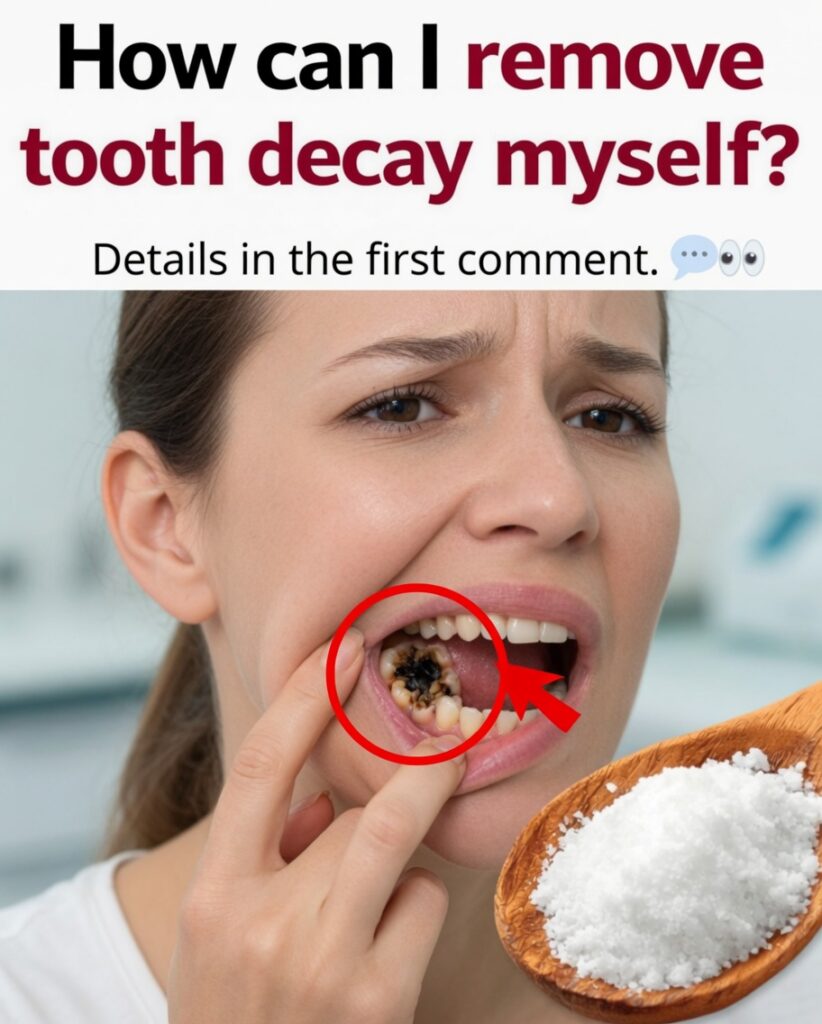
Tooth Decay Can Feel Sudden—But True DIY “Removal” Isn’t Possible
Tooth decay often starts quietly: a brief twinge with cold water, a rough patch you can’t stop touching with your tongue, or a small dark mark that didn’t exist before. Then the worry kicks in—pain, the cost of treatment, and the temptation to try a quick fix at home. Here’s the reality: once a real cavity forms (a hole in the tooth), you cannot safely remove or repair the decay on your own. When tooth structure has broken down, professional dental treatment is the only safe way to stop it and restore the tooth.
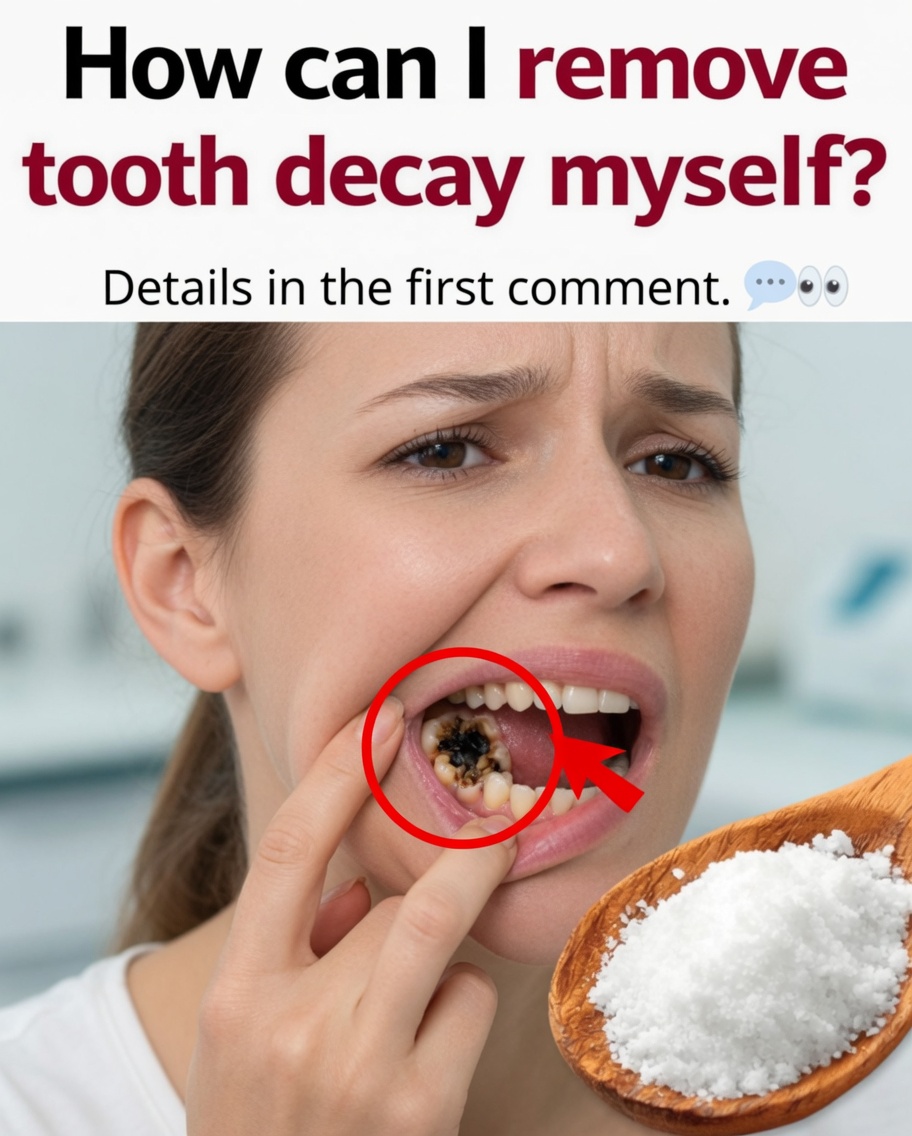
The encouraging part is that early-stage decay can often be slowed—or even reversed—before it becomes a cavity. In the sections below, you’ll learn what’s realistic to do at home, which popular “remedies” are misleading, and the single habit research repeatedly supports as a major long-term protector of your smile.
What Tooth Decay Actually Is (and Why At-Home Removal Doesn’t Work)
Tooth decay happens when oral bacteria feed on sugars and starches and produce acid. Over time, that acid strips minerals from enamel (your tooth’s protective outer layer). If this continues, the damage reaches dentin, a softer layer underneath, and can eventually create a true cavity—an opening that exposes sensitive inner areas.
The key issue: removing decayed tooth tissue requires precision and sterile technique. Dentists use specialized instruments to remove damaged structure while preserving healthy tooth material and preventing contamination. Trying to “scrape out” decay at home can lead to serious consequences, including:
- Pushing bacteria deeper into the tooth
- Cracking or weakening the tooth further
- Triggering infection or inflammation
- Increasing the chance of nerve involvement
Aggressive home tactics—like harsh brushing with salt, baking soda pastes, or strong herbal mixtures—may feel proactive, but they cannot rebuild missing tooth structure and cannot safely remove decay. Guidance consistent with sources such as the National Institute of Dental and Craniofacial Research (NIDCR) notes that enamel can remineralize only in the earliest stages, while a formed cavity typically needs professional care.
What You Can Do at Home (and Why These Steps Matter)
You have real influence over tooth decay before it becomes a hole. Early demineralization often shows up as white, chalky spots on enamel—an important signal that minerals have been lost but the surface may still be intact.

The science-backed goal: remineralize and reduce acid attacks
The most effective home approach focuses on fluoride, saliva support, plaque control, and smarter sugar timing. Fluoride is central because it helps enamel regain minerals and become more acid-resistant. The American Dental Association (ADA) emphasizes brushing twice daily with fluoride toothpaste as a core prevention strategy and a key step for managing early-stage enamel damage.
Evidence-based actions you can start today
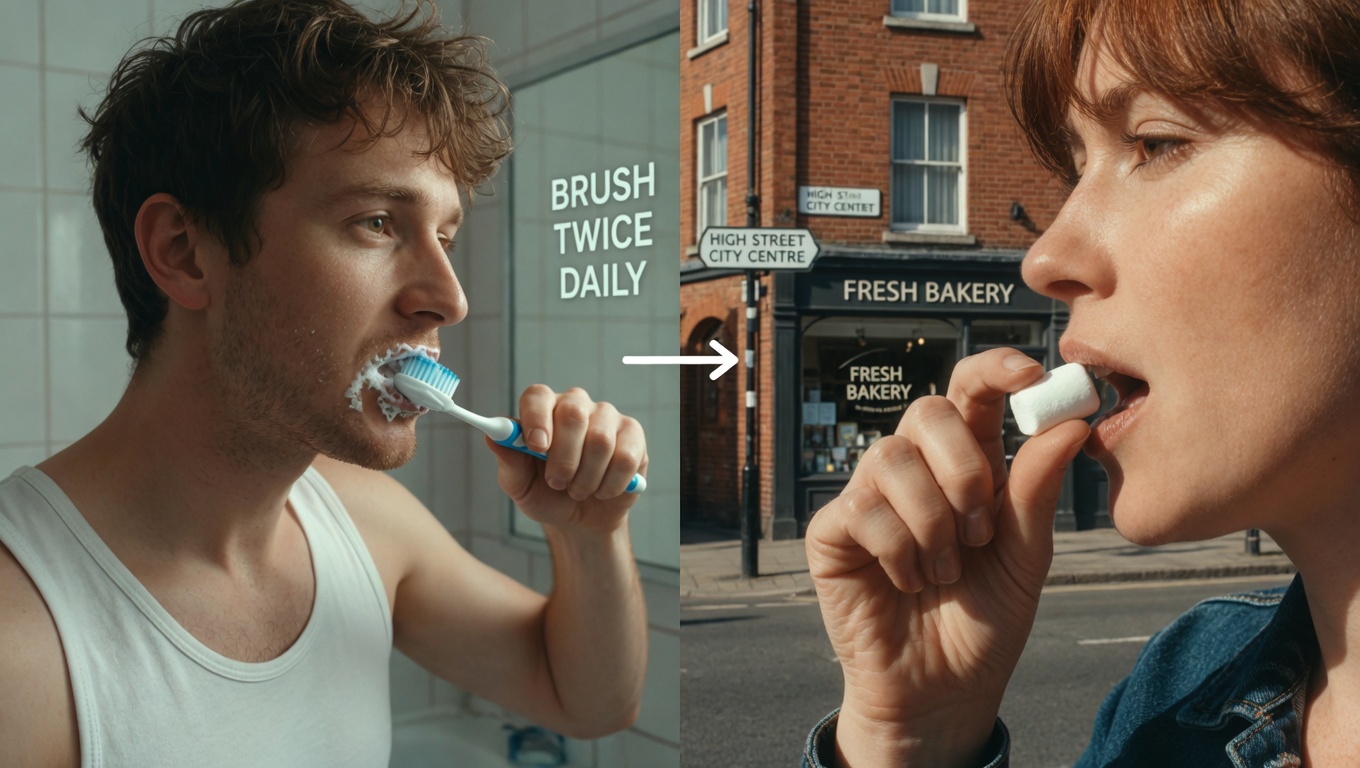
- Brush gently for a full 2 minutes, twice a day, with fluoride toothpaste
- Choose products with recognized quality markers (for example, the ADA Seal where available).
- Use a fluoride mouth rinse, especially at night
- Overnight protection matters because saliva flow drops while you sleep.
- Reduce frequent sugar and acid exposure
- If you consume sweets or acidic drinks, keep them closer to mealtimes instead of sipping/snacking all day.
- Chew sugar-free gum with xylitol after meals
- Research including meta-analyses suggests xylitol can lower cavity risk by reducing harmful bacteria and increasing saliva (your mouth’s natural buffer and cleanser).
- Clean between teeth daily
- Use floss or interdental brushes to remove plaque where toothbrush bristles can’t reach.
These steps do not “erase” a cavity, but they can strengthen weakened enamel, slow progression, and reduce the chance that early decay turns into a larger problem.
Short-Term Comfort If You Already Have Pain (While You Arrange Dental Care)
If a cavity is already present, home care is about symptom relief, not repair. Ongoing sensitivity, pain, or visible damage means you should schedule a dental visit soon. While waiting, these conservative options may help:
- Warm salt-water rinses (½ teaspoon salt in a cup of warm water) a few times daily
- Can reduce irritation and help keep the area cleaner.
- Avoid triggers
- Skip very hot/cold foods and limit sweets and acidic items that spike sensitivity.
- Keep the area clean
- Brush gently around the tooth after meals to reduce plaque buildup.
- Temporary dental filling material (OTC)
- If a small piece breaks off, pharmacy temporary repair kits can serve as a short bridge—not a substitute for treatment.
Relief measures can make you more comfortable, but they do not stop established decay.
Popular Home Remedies: What the Evidence Really Supports (and What It Doesn’t)
Online advice can be loud—and dangerously confident. Here’s how common “DIY cavity” trends stack up:
- Salt or baking soda rinses/pastes
- May temporarily reduce bacteria or neutralize acids, but they cannot remove decay or rebuild lost tooth structure.
- Oil pulling (coconut oil and similar)
- Can improve breath and may have mild antibacterial effects, but there’s no strong evidence it repairs cavities.
- Clove oil
- Contains eugenol, which may provide temporary numbing, but it does not treat the cause of decay.
- Activated charcoal
- Can be abrasive, may stain, and may wear enamel over time; it doesn’t remove decay.
- Herbal pastes or “natural fillers”
- Often lack safety testing and consistency; they can irritate tissues or delay proper care.
If a method claims it can fill, heal, or eliminate cavities at home without dental tools, dental consensus and research reviews indicate it’s misleading and may increase risk by delaying real treatment.
When to See a Dentist ASAP (Don’t Wait)
Delaying care can allow decay to reach the nerve, increasing the likelihood of root canal treatment, tooth fracture, infection, or extraction. Seek professional evaluation quickly if you notice:
- Visible pits, holes, or dark areas on a tooth
- Pain that lingers or worsens
- Sensitivity to cold, heat, or sweets that doesn’t fade quickly
- Swelling in the gums or face, a bad taste, or pus (possible infection)
- Chips, cracks, or broken tooth edges
Early dental treatment is often simpler—sometimes a straightforward filling—while late treatment is typically more complex and expensive.
The Bottom Line: What Actually Protects Your Smile
You cannot safely remove established tooth decay yourself. However, you can take meaningful action—especially at the earliest stage—by focusing on proven habits such as consistent fluoride exposure, daily interdental cleaning, dietary timing, and xylitol gum. These steps strengthen natural defenses, reduce bacterial impact, and help prevent small problems from becoming big ones.
The most consistently supported habit combination for long-term protection: make fluoride toothpaste and xylitol gum non-negotiable parts of your routine, and pair them with regular dental checkups.
Frequently Asked Questions
Can early tooth decay improve with home care?
Yes. If the damage is limited to early demineralization (often seen as white spots), fluoride and strong daily hygiene can help remineralize enamel and halt progression, consistent with guidance from sources like the NIDCR.
Do natural remedies like oil pulling fix cavities?
No. They may offer minor cleanliness or comfort benefits, but they cannot remove decayed tissue or close a cavity.
How soon should I see a dentist if I suspect decay?
As soon as possible, especially if you have pain, visible changes, or persistent sensitivity. Early care reduces the chance of nerve involvement and more invasive treatment.
Disclaimer
This article is for informational purposes only and does not replace professional medical or dental advice. Always consult a qualified dentist for diagnosis and treatment. Do not self-diagnose or attempt to treat dental conditions based solely on online information.