
Many of us scoop the glossy black seeds out of a ripe papaya and toss them away, paying attention only to the sweet, orange flesh. However, papaya seeds contain a concentrated mix of nutrients and plant compounds that researchers are beginning to study for their role in everyday wellness. Early findings suggest possible links to digestive comfort, antioxidant activity, and other protective effects—fueling curiosity about whether taking a small amount daily could make a noticeable difference. Of course, no single food is a miracle cure, but consistent, modest habits can sometimes shift how you feel over time.
If you deal with occasional post-meal bloating, midday energy slumps, or a general “heavy” feeling—common as schedules get fuller—the idea of using something as accessible as papaya seeds may sound appealing. Scientists have identified compounds such as benzyl isothiocyanate (BITC) and polyphenols in papaya seeds, which may offer gentle support for gut health and overall vitality. So what might happen if you try them for a week? Below are evidence-informed takeaways, practical ways to use them, and key safety notes.
Why So Many Adults Feel “Off” (And Why a Natural Boost Appeals)
By the time many people reach their 30s and 40s, everyday factors—stress, convenience foods, travel, irregular meal timing, and long workdays—can contribute to:
- Mild digestive discomfort
- Occasional irregularity
- Low or fluctuating energy
These issues are common, and they can affect how productive, comfortable, and resilient you feel day to day. While fiber-rich foods and probiotics help many people, others look for additional food-based options that provide a wider range of bioactive compounds—including antioxidants and enzymes.
That’s where papaya seeds stand out: they’re often ignored, yet they’re unusually rich in functional plant chemicals that may support digestion and overall protection.
What Science Says: What’s Inside Papaya Seeds?
Compared with the fruit’s flesh, papaya seeds contain a higher concentration of several bioactive components, including:
- Benzyl isothiocyanate (BITC) (formed from glucosinolates)
- Polyphenols and flavonoids (known for antioxidant roles)
- Dietary fiber
- Minerals such as zinc and magnesium
Research on Carica papaya extracts (including lab and animal studies) frequently highlights antioxidant activity, which is relevant because oxidative stress is part of normal “wear and tear” on the body. Some studies also report anti-inflammatory and antimicrobial actions in experimental models.
From a digestion perspective:
- Papain, a well-known enzyme associated with papaya, helps break down proteins and may support digestion.
- Fiber supports regularity and can reduce the likelihood of sluggish digestion.
There are also animal studies suggesting protective effects on organs such as the liver and kidneys under certain toxic stress conditions. Additionally, limited evidence and traditional use suggest potential antiparasitic activity; for example, a small study context has reported parasite clearance in children given papaya seeds.
Human evidence is still developing and often based on small studies or traditional practices. Still, the density of active compounds in the seeds makes them an interesting addition to a balanced diet—when used sensibly.
Potential Benefits (What Emerging Research Commonly Connects to Papaya Seeds)
More large, high-quality human trials are needed, but current research and reviews most often associate papaya seeds with possible support in these areas:
- Digestive support: Fiber and enzymes may help ease occasional bloating and encourage smoother regularity.
- Antioxidant defense: Polyphenols and flavonoids may help neutralize free radicals and support cellular protection.
- Anti-inflammatory potential: Compounds like BITC show calming effects in lab settings.
- Gut environment balance: Antimicrobial activity may help support a healthier gut ecosystem in certain contexts.
- Organ protection (early evidence): Animal research suggests possible support for liver and kidney function under stress.
- Immune resilience: Nutrients and bioactives may contribute to general wellness.
- Parasite-related effects (limited evidence): Traditional use and some studies point to antiparasitic potential in specific infections.
- Metabolic and cardiovascular support (indirect): Flavonoids are often studied for their relationship with circulation and glucose-related pathways.
For many people, these effects—if they occur—are more likely to build gradually with consistent, moderate intake rather than from a one-time use.
What People Commonly Report (Anecdotal Experiences)
When people try small amounts of papaya seeds, common personal reports include:
- Less post-meal heaviness or discomfort after a few days
- Improved regularity
- Slightly steadier energy
Taste is often the biggest barrier. Papaya seeds are peppery and bitter, with a flavor some compare to mustard or horseradish. To make them easier to take, many people mix them into:
- Smoothies
- Yogurt
- Honey
- Citrus (lemon or lime)
Anecdotes can’t replace clinical evidence, but they align with what you might expect from a food containing fiber, enzymes, and antioxidant compounds—while still varying widely from person to person.
A Realistic 7-Day Timeline: What You Might Notice
Everyone responds differently, but based on how these compounds work and what users often describe, a realistic week could look like this:
- Days 1–2: Your digestion may adjust; some people notice mild changes in bloating or bowel habits.
- Days 3–4: Regularity may improve; some report a subtle “lighter” feeling and steadier energy.
- Days 5–6: Benefits (if any) can feel more consistent as routine builds.
- Day 7: Some users describe clearer digestive comfort and a more stable sense of wellness.
Pairing papaya seeds with lemon or lime is a popular approach and may support overall intake of beneficial compounds as part of the meal.
How to Eat Papaya Seeds Safely (Practical, Beginner-Friendly Methods)
Start small so you can assess tolerance.
Step-by-step
- Scoop the seeds from a ripe papaya.
- Rinse briefly with water and pat dry.
- Start with 5–7 fresh seeds (about ½ teaspoon) once daily.
- Choose a method:
- Chew them plain (peppery taste)
- Blend into a smoothie
- Mix with yogurt, honey, or lemon water
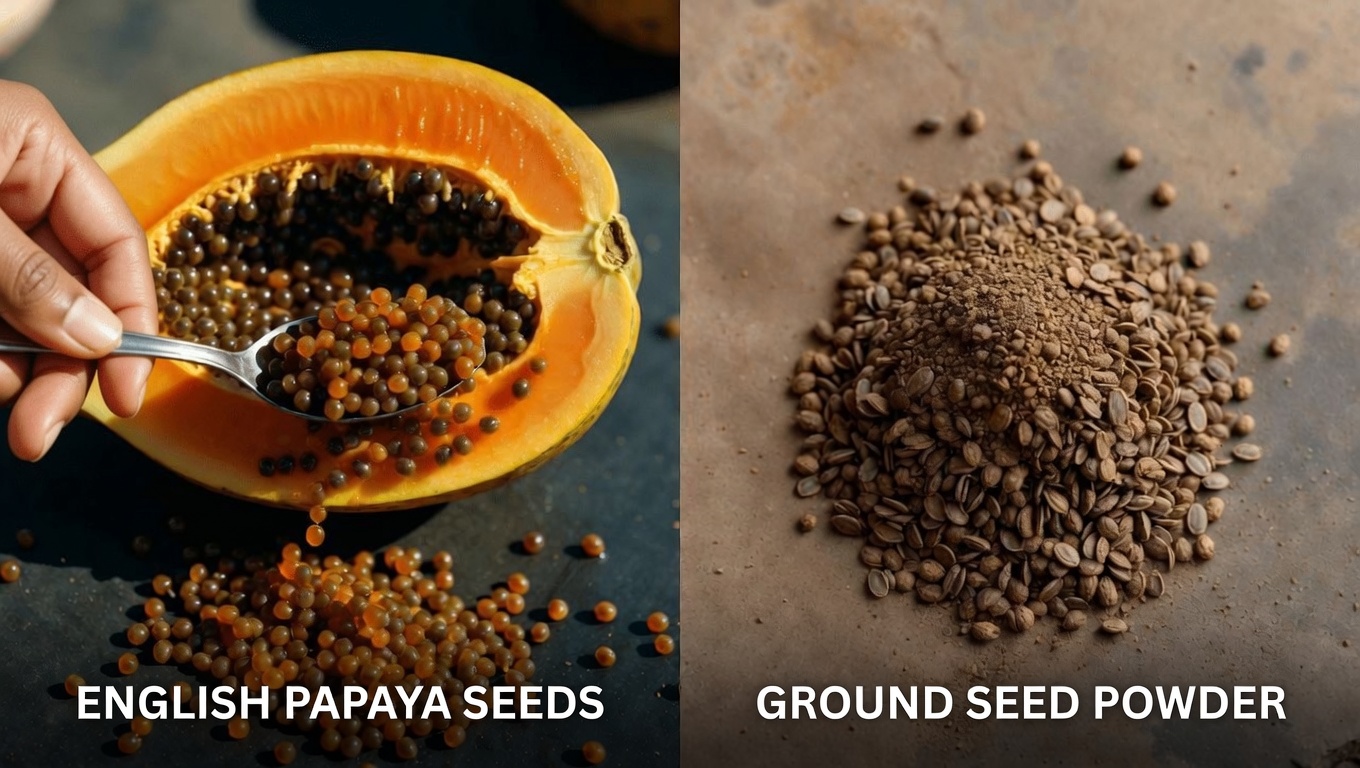
- Dry and grind into a powder for easier dosing
- If well tolerated, increase gradually to ½–1 teaspoon daily. Avoid large amounts.
Storage tip
To store seeds:
- Dry them (sun-dry or use a low oven setting)
- Keep in an airtight jar in a cool, dry place
Simple tracking
Keep a quick note in your phone or a journal:
- Digestion (bloating, comfort, regularity)
- Energy
- Any unwanted symptoms
Papaya Seeds vs. Probiotics vs. Fiber Supplements (Quick Comparison)
-
Cost
- Papaya seeds: very low (if you already buy papaya)
- Probiotics: moderate
- Fiber supplements: low to moderate
-
Evidence strength
- Papaya seeds: promising but mostly preliminary
- Probiotics: stronger (strain-specific)
- Fiber supplements: well-established for regularity
-
Best fit for
- Papaya seeds: bioactives + fiber in one food
- Probiotics: targeted microbiome support
- Fiber supplements: predictable bulk-forming support
-
Common drawbacks
- Papaya seeds: bitter taste; start low
- Probiotics: occasional GI upset for some
- Fiber supplements: bloating if dose increases too fast
Precautions: Who Should Avoid Papaya Seeds (Or Be Extra Careful)
Papaya seeds are typically considered safe in small food amounts, but too much may trigger stomach upset.
Important cautions:
- High-dose animal studies suggest possible fertility effects (reversible in some cases). If you’re trying to conceive or have fertility concerns—especially men—speak with a healthcare professional before using them regularly.
- Avoid during pregnancy or breastfeeding due to limited safety data.
- If you have a medical condition or take medications, consult a healthcare provider first.
Papaya seeds can be a supportive dietary habit, not a substitute for medical treatment.
Conclusion: Is a Week of Papaya Seeds Worth Trying?
Adding a small daily amount of papaya seeds may be a simple, low-cost way to support digestion, antioxidant intake, and overall wellness. For many people, the value—if it shows up—comes from consistency over several days, not from a single dose.
If you’re curious, start with one ripe papaya, keep the portion modest, and see how your body responds.
FAQ
Are papaya seeds safe to eat every day?
For most people, yes in moderation (around ½–1 teaspoon daily). Start with a smaller amount and stop if you notice discomfort.
How can I make papaya seeds taste better?
Try blending them into smoothies, mixing with yogurt or honey, or pairing with lemon/lime. Grinding dried seeds into food also helps reduce the bitterness.
Can papaya seeds replace medical treatments?
No. They may offer supportive benefits, but they are not a cure and should not replace professional medical care.
This article is for informational purposes only and does not constitute medical advice. Always consult a qualified healthcare professional for personalized guidance.