
Chewing Cloves Daily: A Simple Morning Habit With 20 Potential Wellness Benefits
Do you often feel bloated after meals, notice occasional bad breath, or want an easy, natural upgrade to your morning routine? Many people look to common kitchen spices for gentle daily support—and cloves are one of the most talked-about options.
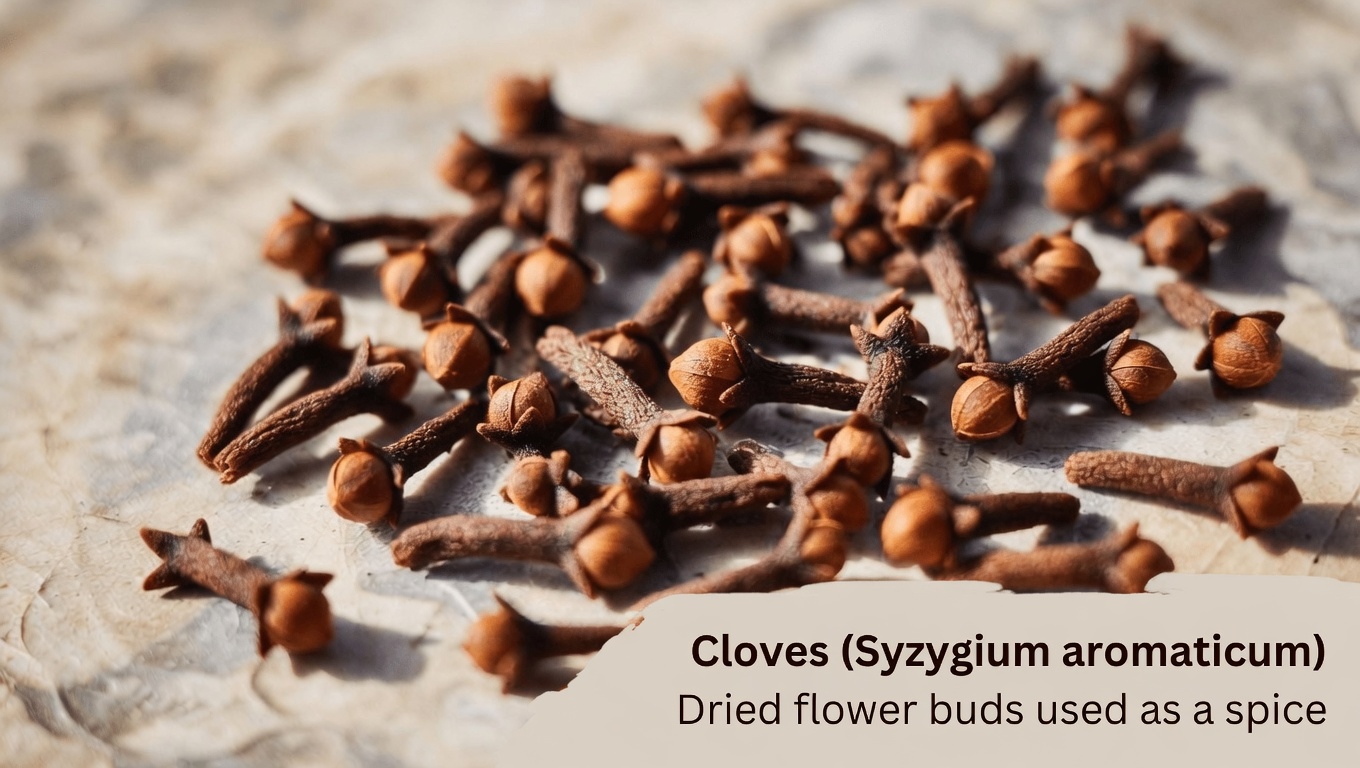
Cloves are the dried flower buds of Syzygium aromaticum. They’ve been used for generations in traditional wellness practices and are especially valued for eugenol, a naturally occurring compound known for its antioxidant, soothing, and antimicrobial properties.
Scientific research—much of it focused on eugenol—suggests cloves may support multiple areas of well-being when used in moderation. What makes this interesting is how small the habit can be: chewing just 1–2 whole cloves per day may offer noticeable day-to-day benefits for some people. Below are 20 potential supportive effects, grounded in traditional use and what research indicates so far.

Why Cloves Stand Out: What’s Inside This Tiny Spice?
Despite their size, cloves have a surprisingly dense nutritional and bioactive profile. They’re rich in antioxidants, and their essential oil is largely made up of eugenol—a compound studied for anti-inflammatory and antimicrobial activity in lab and animal models.
Research suggests eugenol may help reduce oxidative stress by neutralizing free radicals, which can otherwise contribute to long-term cellular wear. Cloves also provide manganese, fiber, and small amounts of other micronutrients involved in everyday body functions.
It’s important to note that a significant portion of evidence comes from test-tube and animal studies, but traditional use and emerging human research point to promising support—especially for oral hygiene, digestive comfort, and general wellness.
20 Potential Benefits of Chewing 1–2 Cloves a Day
Adding one or two whole cloves to your daily routine—either by chewing or steeping—may offer the following types of support. These points reflect available research and traditional knowledge, and results can vary from person to person.
Digestive & Gut Support
- May support smoother digestion by encouraging digestive activity, which could help with occasional gas, bloating, or acidity.
- Naturally freshens breath, as eugenol may help reduce odor-causing oral bacteria.
- May support metabolic efficiency, including the breakdown of nutrients like fats, based on early research.
- Supports the body’s natural detox pathways, with animal studies suggesting eugenol may help protect and support liver function.
Immune & Defense Support
- Helps strengthen everyday immune resilience, thanks to antioxidant content that supports the body during environmental stress.
- May soothe minor respiratory discomfort, as cloves are traditionally used to help loosen mucus and ease occasional cough or congestion.
- Supports urinary tract balance, since antimicrobial activity may help maintain a healthy bacterial environment.
Comfort & Soothing Effects
- May help with minor aches and discomfort, as eugenol is widely recognized for its soothing qualities.
- Can temporarily ease mild gum or tooth sensitivity, thanks to a gentle numbing sensation.
- May support the body’s response to occasional swelling, due to anti-inflammatory properties observed in research settings.
Energy, Focus & Mood Support
- May help reduce feelings of fatigue by supporting oxidative balance, which plays a role in daily vitality.
- Supports mental clarity, with animal studies linking clove compounds to improvements in learning and memory markers.
- May promote a calmer mood, partly through the warm, aromatic sensory effect of cloves.
- Could support more restful sleep for some people by encouraging relaxation.
Long-Term Wellness Support
- Provides strong antioxidant support, which may contribute to healthy aging and cellular protection.
- May support healthy circulation, as certain clove compounds may help maintain steady blood flow.
- Promotes better oral hygiene, encouraging a cleaner mouth environment and healthier gums.
- May help maintain normal blood sugar already in a healthy range, based on preliminary research into eugenol and glucose regulation.
- Supports bone maintenance, as manganese and related nutrients contribute to bone health.
- May help maintain healthy cholesterol levels, with antioxidant activity potentially supporting normal lipid balance.
How to Add Cloves to Your Routine (Safely and Easily)
You don’t need complicated recipes to benefit from cloves. Here are straightforward, practical options:
-
Chew whole cloves (most direct method):
Take 1–2 whole cloves in the morning (often on an empty stomach). Chew slowly until the intensity fades—typically 5–10 minutes—then swallow or discard the fibrous pieces. Drink water afterward. -
Make clove tea:
Boil 1 cup of water, add 2–3 cloves, steep for 5–10 minutes, strain, and sip. Many people prefer this after meals for digestive comfort. -
Cloves with honey:
Crush 1–2 cloves, mix with 1 teaspoon of raw honey, and take slowly for a more soothing, palatable option.
Start conservatively with 1 clove per day, and choose food-grade, high-quality cloves.

Why This Small Habit Can Make a Big Difference
In a world filled with expensive supplements and complex wellness routines, chewing cloves is refreshingly simple. It’s affordable, widely available, and supported by both long-standing traditional use and growing scientific interest—especially around eugenol, antioxidants, and oral hygiene benefits.
With consistency, some people notice subtle improvements in breath freshness, digestive comfort, and overall daily well-being. It’s a small ritual, but it can be a meaningful addition to a balanced lifestyle.
FAQ: Chewing Cloves Daily
How many cloves should you chew each day?
For general wellness support, 1–2 whole cloves daily is commonly recommended. Begin with one clove and pay attention to how you feel.
Are there precautions with daily clove use?
Cloves are typically safe in normal food amounts, but too much may lead to mouth irritation or digestive discomfort. Talk with a healthcare professional if you:
- are pregnant
- have a bleeding disorder
- take medications such as blood thinners or diabetes medications
Because eugenol may interact in certain situations.
Can cloves replace brushing and flossing?
No. Cloves may support oral hygiene, but they cannot replace brushing, flossing, and regular dental visits. Consider them a complementary habit.
Disclaimer
This article is for informational purposes only and does not provide medical advice. These statements have not been evaluated by the FDA. Chewing cloves is not intended to diagnose, treat, cure, or prevent any disease. Always consult a qualified healthcare professional before starting a new wellness practice, especially if you have health conditions or take medications.