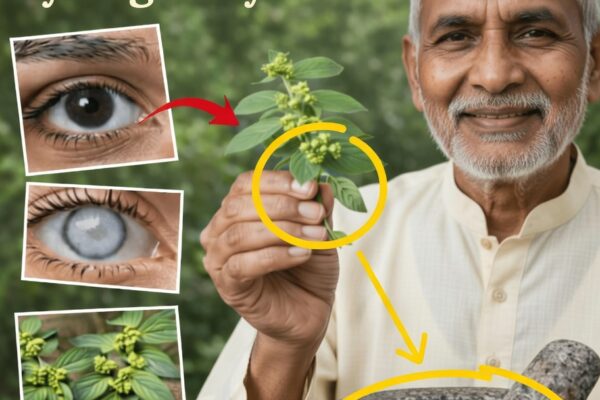
Have you ever been slowed down by occasional breathing discomfort, a mild stomach upset, or minor skin irritation that throws off your day? Problems like these can feel exhausting—especially when you want gentle, natural support instead of depending entirely on conventional approaches. Many people look to traditional plants for answers, yet some of the most useful herbs are the ones growing quietly in everyday places.
That’s where Euphorbia hirta enters the picture: an unassuming herb with a long-standing reputation in folk wellness. What makes it especially interesting today is that, alongside traditional use, modern attention has increased because of its bioactive plant compounds. Stay with this guide to the end for a practical insight from traditional wisdom that encourages mindful, respectful use.

What Is Euphorbia Hirta?
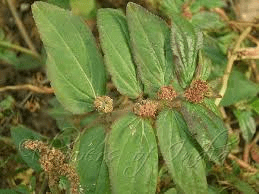
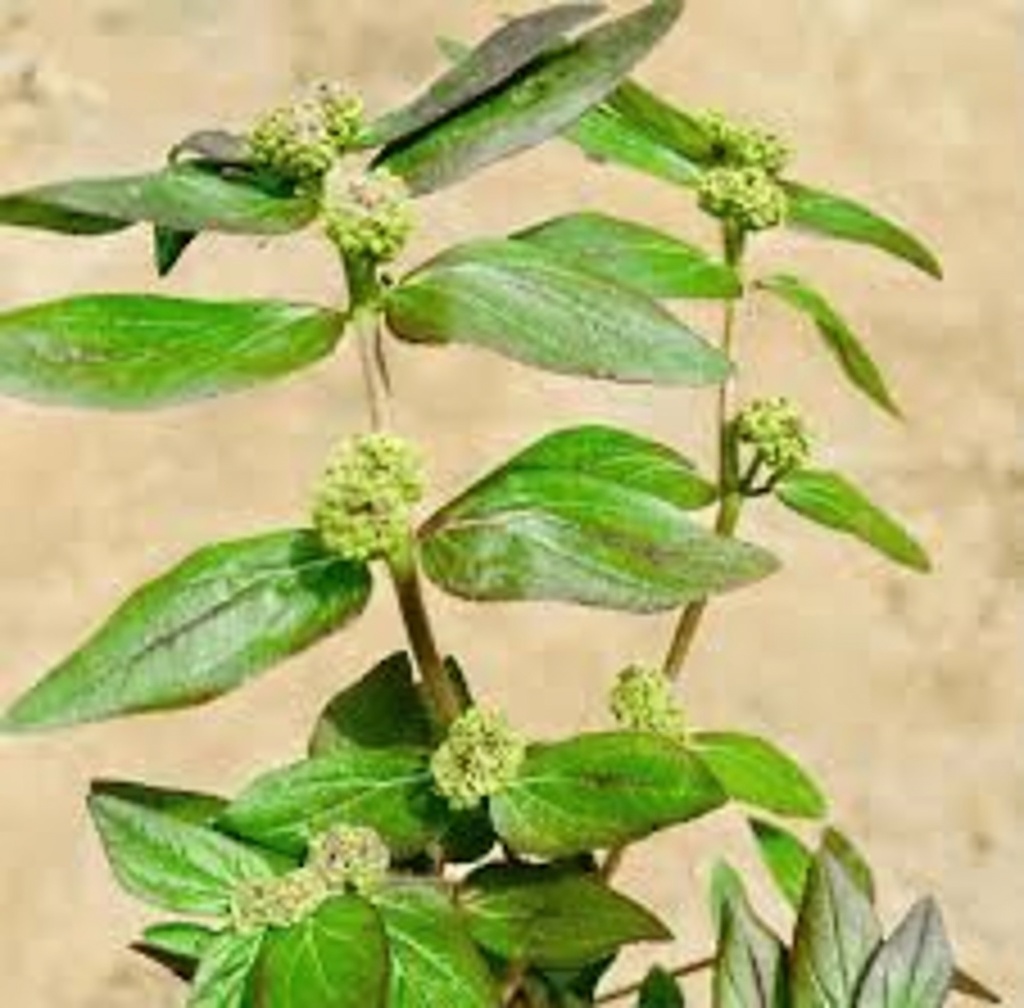
Euphorbia hirta—often called asthma plant, tawa-tawa, or snakeweed—is a small, hairy annual herb commonly found in tropical and subtropical climates. It tends to grow in open, disturbed areas such as roadsides, gardens, and fields. The plant is recognizable by its delicate green leaves, tiny clustered flowers, and characteristic milky sap.
It belongs to the Euphorbiaceae family and is frequently noted in phytochemical reviews for containing naturally occurring constituents such as:
- Flavonoids
- Tannins
- Alkaloids
- Triterpenes
- Other polyphenols
Across parts of Asia, Africa, and other regions, traditional systems have used Euphorbia hirta to support comfort related to the respiratory tract, digestion, and skin. Because it can be potent, it should be approached thoughtfully and with respect.
Traditional Uses and Reported Benefits of Euphorbia Hirta
For generations, herbal traditions have included Euphorbia hirta in daily wellness routines. Ethnobotanical records describe a wide range of applications. While scientific evidence varies by use-case, the historical consistency of its use has kept interest alive.
Common preparations include herbal teas, decoctions, and topical applications. Below are the main traditional categories.
Respiratory and Immune Support (Traditional Use)
Euphorbia hirta earned the nickname “asthma plant” largely because it has been traditionally associated with airway comfort. In folk practice, it has been used to:
- Soothe the airways and support easier breathing
- Calm occasional coughing or throat irritation
- Promote a general sense of lung comfort
- Support the body’s natural defenses, often linked to its antioxidant profile
Digestive and “Detox” Support (Traditional Use)
In traditional wellness contexts, Euphorbia hirta has also been used for digestive balance and comfort. Common traditional claims include:
- Supporting healthy digestion and reducing occasional bloating
- Helping with mild, occasional diarrhea in folk use
- Assisting the body’s gentle elimination processes (often described as “cleansing”)
- Promoting stomach comfort
Some reviews suggest that compounds such as tannins may relate to these historic digestive uses, though more targeted research is still needed.
Skin and Topical Applications (Traditional Use)
Topically, Euphorbia hirta has been used in various cultures to calm minor skin issues. Traditional applications include crushed leaves or diluted preparations used to:
- Soothe minor cuts, rashes, or irritation
- Provide skin support associated with antimicrobial or antifungal folk uses
- Reduce the appearance of blemishes (such as acne) when used carefully
- Ease mild, eczema-like discomfort and promote a fresher skin feel
- Support minor wound recovery as part of natural skin renewal
Some research has explored antimicrobial activity of extracts, but results depend heavily on preparation method, concentration, and context.
Quick overview of traditional categories
- Respiratory: airway comfort and easier breathing
- Digestive: gut balance and occasional stomach support
- Skin: topical soothing and protective care
- General: antioxidant-linked vitality support
Other Traditional Wellness Areas
Beyond the main categories, ethnobotanical sources also describe additional traditional uses, such as support for:
- Circulation comfort, including feelings of heaviness or mild swelling
- Sore muscles or joints, often using a warm application
- Menstrual comfort and relaxation during cycles
- Lactation support in certain traditions (typically with guidance)
- Mild nervous tension and calmness
- Recovery after fatigue
- Maintaining balanced cholesterol or blood sugar (only with supervision)
- Mouth ulcers or gum discomfort
- Mild diuretic use and urinary “cleansing” in folk contexts
Traditional systems often emphasize a whole-body perspective—linking different body systems to promote overall balance.
How to Use Euphorbia Hirta Safely: Practical, Actionable Steps
If you’re considering Euphorbia hirta, a cautious approach matters. Start with low amounts, monitor how you feel, and prioritize safety—especially if you have health conditions or take medication.
1) Herbal Tea (Internal Use)
- Use dried leaves, about 1–2 grams per cup
- Boil with 1 cup of water for 5–10 minutes
- Strain and allow it to cool slightly
- Begin with 1 cup daily to assess tolerance; some traditions use up to 1–2 cups/day
2) Topical Leaf Paste (Skin Use)
- Crush fresh leaves (or rehydrated dried leaves) into a soft paste
- Apply gently to a small area only (such as a minor spot or bite)
- Leave on for 15–20 minutes
- Rinse well with cool water
3) Warm Compress
- Prepare a decoction using the tea method above
- Soak a clean cloth in the warm liquid
- Apply to the area for soothing, relaxing support
These methods reflect traditional practice, but moderation and individual sensitivity are key.
Why Consider Euphorbia Hirta in a Wellness Routine?
Euphorbia hirta is a reminder that useful plants are not always rare or exotic. Its traditional versatility—supporting respiratory comfort, digestive balance, and skin soothing—connects long-standing herbal knowledge with today’s interest in nature-based options.
A traditional insight worth keeping in mind: the stronger the herb’s effects, the more it deserves careful dosing and respectful use. Start slowly, pay attention to your body, and treat this plant as a supportive tool—not a shortcut.
Frequently Asked Questions (FAQ)
Is Euphorbia hirta safe for everyone?
No. It’s typically used in moderation, but it’s best to avoid use during pregnancy or breastfeeding, and do not use in children unless advised by a qualified professional. Discontinue if irritation or unwanted symptoms occur.
What does science say about Euphorbia hirta?
Scientific reviews note the presence of potentially helpful bioactive compounds, including antioxidant and antimicrobial-related constituents. However, evidence for specific outcomes is still limited, and more research is needed.
How can I identify the correct plant?
Common identifiers include a small hairy herb, opposite leaves, tiny flowers, and milky sap. Because look-alikes exist, confirm identification through a knowledgeable local expert or a trustworthy botanical source.
Disclaimer
This article is for educational purposes only and does not provide medical advice. It is not intended to diagnose, treat, cure, or prevent any disease. Consult a qualified healthcare professional or trained herbalist before using Euphorbia hirta—especially if you have a medical condition, take medication, or are pregnant or breastfeeding. Individual responses can vary, and professional guidance supports safer use.