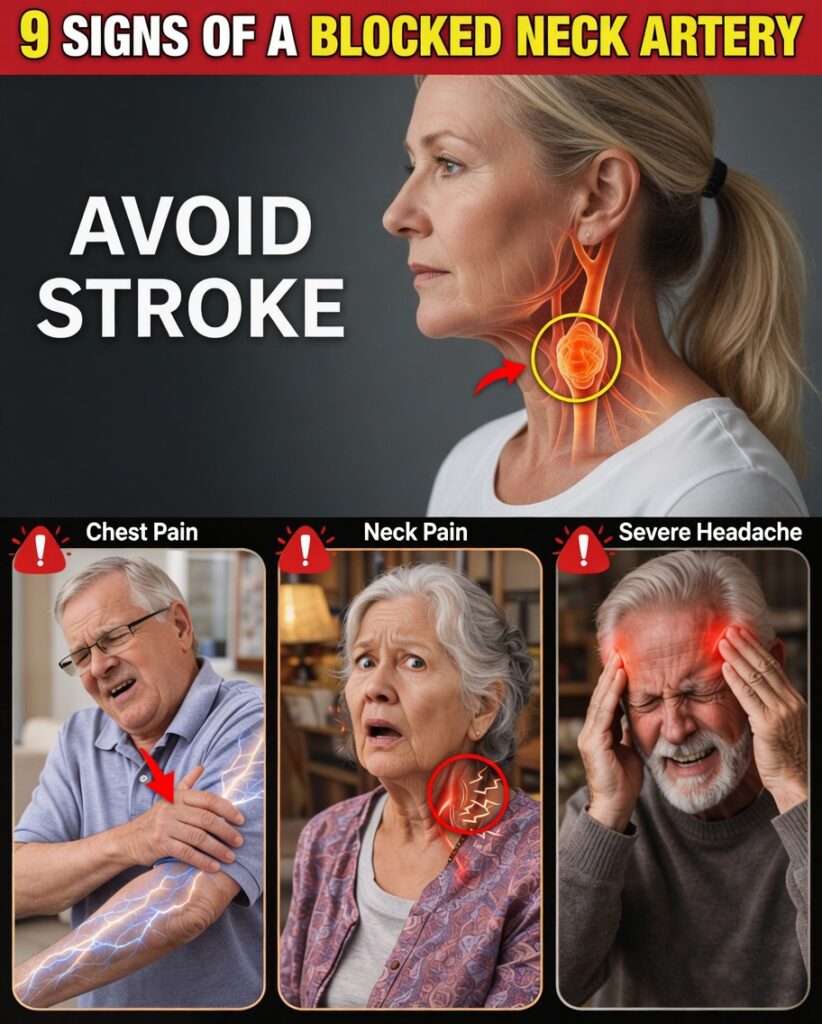
Blocked carotid arteries can develop quietly for years. Many adults over 50 feel completely normal—until a sudden, terrifying event reveals how advanced the problem has become. In the United States, an estimated 15–20% of ischemic strokes are associated with carotid artery disease, and studies suggest many people with major narrowing have no clear warning signs until a mini-stroke (TIA) or a full stroke occurs.
What’s most alarming is how easily early symptoms can be brushed off as stress, fatigue, “just getting older,” or minor health issues. If you’ve noticed small, fleeting changes lately, they may be worth taking seriously—your body could be signaling for help before it’s too late.
Why Carotid Artery Blockage Is Considered a “Silent” Threat
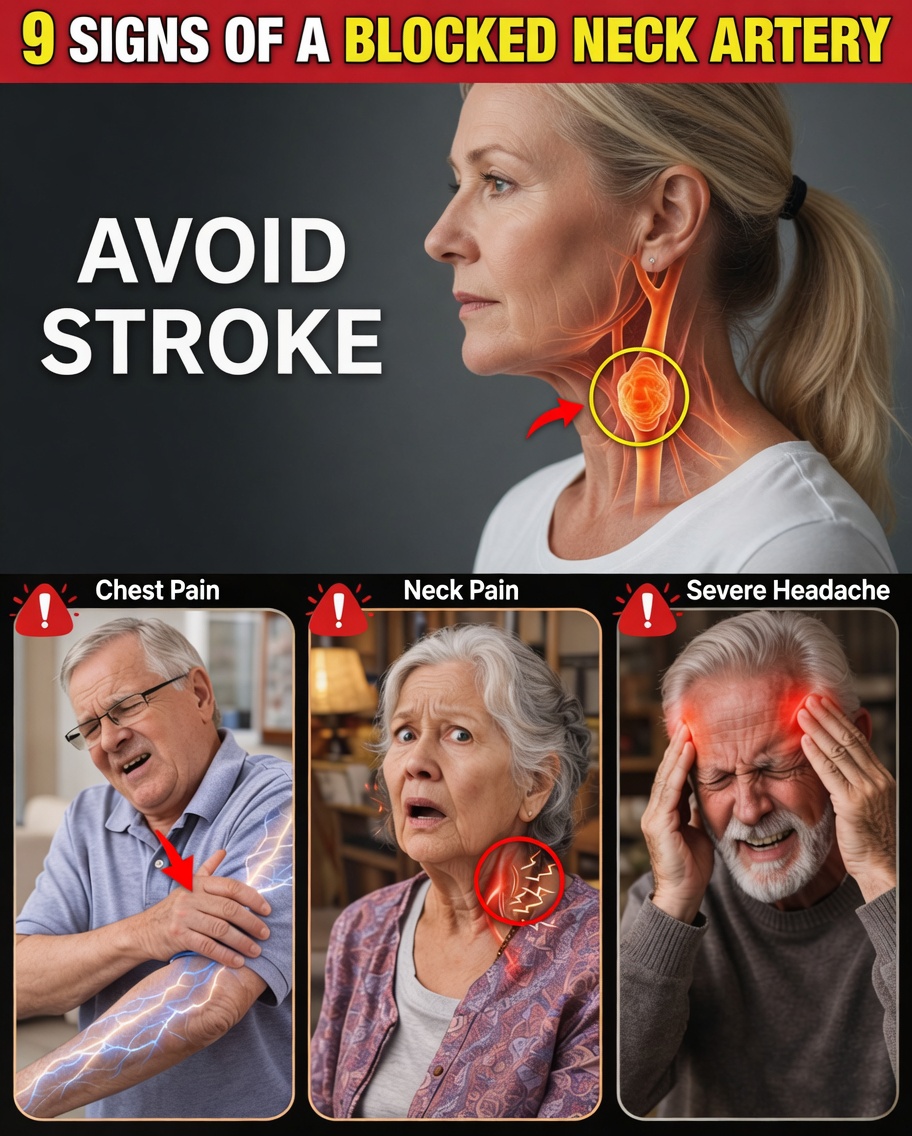
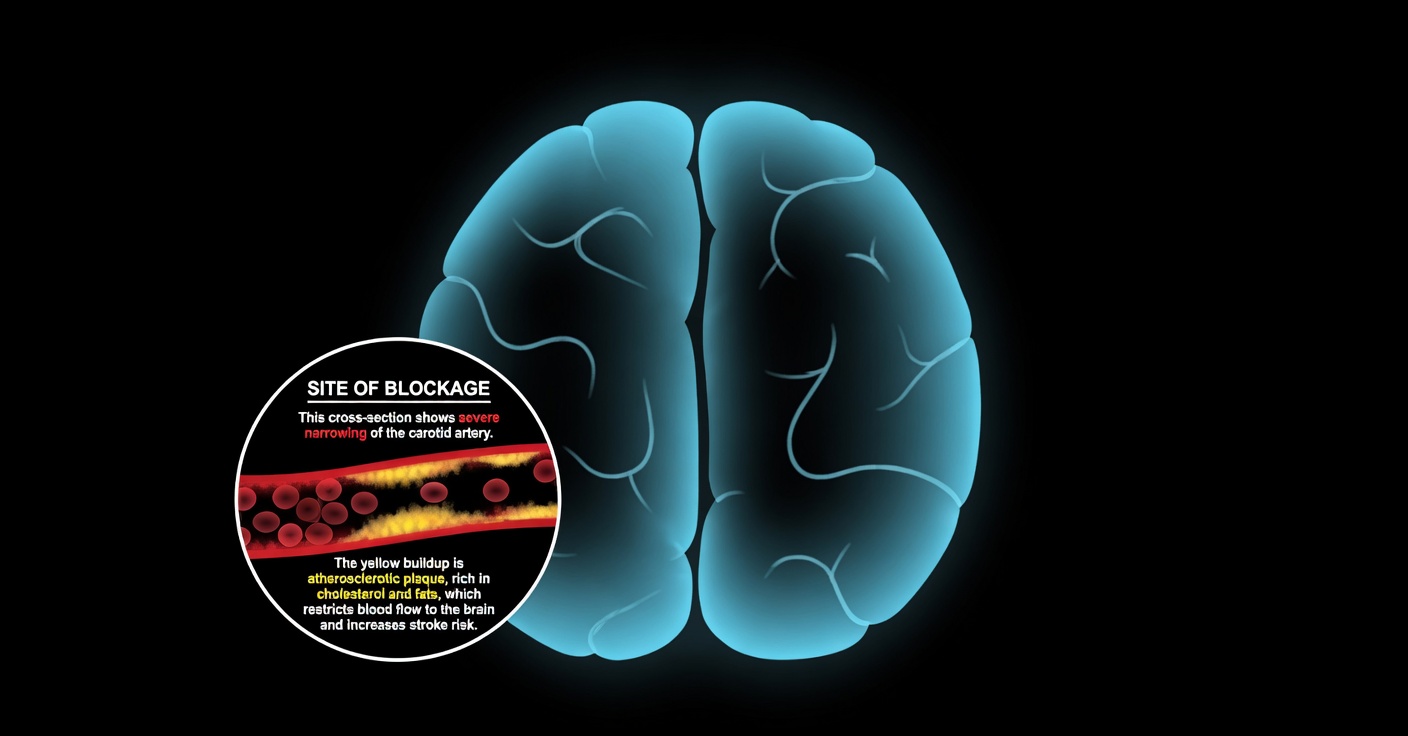
Your carotid arteries run up both sides of the neck and deliver oxygen-rich blood to the brain. Over time, plaque buildup (atherosclerosis) can narrow these arteries, reducing blood flow and increasing the risk that small clots or debris break loose and travel into smaller brain vessels.
The danger lies in how often the condition stays quiet. Many people learn they have significant carotid narrowing only after a TIA or stroke. Research indicates that 60% or more of individuals with moderate-to-severe carotid stenosis report no obvious symptoms prior to an emergency event.
The encouraging news: certain subtle warning signs can appear early. Recognizing them gives you a chance to talk with a healthcare professional about screening, risk reduction, and lifestyle changes.
9 Early Warning Signs of Carotid Artery Disease
1) Temporary Vision Loss in One Eye
A sudden, brief loss of sight in one eye—often described as a gray curtain or dark shade sliding down—may last seconds to minutes and then fully resolve.
This is called amaurosis fugax. It can happen when a tiny piece of plaque or clot briefly blocks blood flow to the retina. Even if vision returns quickly, it’s considered a serious red flag that deserves prompt medical evaluation.
2) Sudden Weakness or Numbness on One Side
If your face, arm, or leg suddenly feels weak, heavy, tingling, or numb on one side only, even briefly, carotid artery narrowing may be affecting blood supply to the brain.
Because many nerve pathways cross, a problem in the left carotid artery often produces symptoms on the right side of the body (and vice versa). Any sudden one-sided weakness should be treated as urgent—even if it disappears.
3) Brief Trouble Speaking or Understanding
Sudden language issues—such as slurred speech, difficulty finding words, mixing up sentences, or trouble understanding others—can indicate a temporary interruption of brain blood flow.
These symptoms often involve regions in the left hemisphere, which depend heavily on stable circulation through the carotid system. Many people only realize later that these episodes were early warnings.

4) A Severe or Unusual Headache
A headache that is sudden, intense, and unlike your typical headaches should not be ignored. Some people describe it as a “thunderclap” headache or the worst headache they have ever had.
Although headaches are common and have many causes, new or extreme headaches may be associated with advanced carotid disease due to unstable plaque, vessel changes, or critically reduced blood flow. This sign is often overlooked until a more serious event occurs.
5) Unexplained Dizziness or Balance Changes
New episodes of dizziness, feeling off-balance, stumbling, or sudden coordination problems can suggest that the brain isn’t receiving consistent blood flow.
Dizziness can come from many sources, but in older adults—especially when it’s new, worsening, or paired with other symptoms—it should be evaluated rather than dismissed as aging or an inner-ear issue.
6) A Pulsing or “Whooshing” Sound in One Ear
Some people notice a rhythmic sound in one ear—whooshing, swishing, or pulsing—that matches their heartbeat. It can be more noticeable when lying down or in quiet rooms.
This may reflect turbulent blood flow through a narrowed artery. Clinicians sometimes detect it as a carotid bruit with a stethoscope, but if you notice this pattern yourself, bring it up at your next appointment.
7) Sudden Memory Issues or Difficulty Concentrating
Rapid-onset confusion, trouble focusing, or unexpected short-term memory problems can occasionally be linked to reduced oxygen delivery to the brain.
Because the brain is highly oxygen-dependent, even short disruptions may affect thinking and attention early. Research suggests people with carotid narrowing may score lower on certain cognitive tests compared with those without significant stenosis.
8) Brief Facial Drooping
A sudden droop on one side of the face—an uneven smile or one eyelid appearing lower—is a classic warning sign included in the FAST stroke checklist (Face, Arms, Speech, Time).
Even if facial drooping resolves quickly, it can indicate a TIA and should be treated as a medical urgency.
9) Repeated “Mini-Episodes” That Come and Go
A particularly important pattern is having symptoms that appear briefly and then disappear, especially if they happen more than once. These episodes are often TIAs—sometimes called “warning strokes.”
A TIA significantly increases the risk of a full stroke in the days and weeks that follow. The more repeated episodes, the more urgent it becomes to get evaluated.
Practical Steps to Take Now
Only a healthcare professional can tell you what’s appropriate for your situation, but many people discuss these actions with their clinician:
- Book a check-up if any warning signs occurred—even if they were brief
- Ask about a carotid ultrasound, a painless and non-invasive imaging test
- Track blood pressure at home regularly
- Follow a Mediterranean-style diet: vegetables, fruits, whole grains, fish, nuts, and olive oil
- Aim for 150 minutes of moderate exercise most weeks
- Avoid tobacco in every form
- Keep cholesterol and blood sugar in healthy ranges through lifestyle and prescribed medications when needed
Quick Guide: Risk Factors and Protective Habits
- High blood pressure → regular monitoring + medication if prescribed
- High cholesterol → diet changes + possible medication
- Smoking → quitting can sharply reduce vascular risk
- Low physical activity → consistent movement improves circulation
- Poor diet → prioritize plants and healthy fats; limit highly processed foods
Final Thoughts
Your brain relies on steady circulation through the carotid arteries, and early warning signs can be subtle, short-lived, and easy to rationalize away. Paying attention to these quiet signals can lead to timely medical conversations, appropriate screening, and meaningful risk reduction.
If any of these symptoms sound familiar—even faintly—consider scheduling an appointment this week. When it comes to stroke prevention, early awareness can make a real difference.
Frequently Asked Questions
Can blocked carotid arteries cause symptoms on both sides of the body?
Most of the time, no. Each carotid artery largely supplies one side of the brain, so symptoms usually appear on the opposite side of the body. However, symptoms can seem more widespread if multiple brain areas are affected or if there are other circulation problems—any concerning symptoms should be evaluated promptly.