
Many adults over 35 live with persistent stress, occasional digestive discomfort, or low energy that quietly disrupts everyday life. Over time, these issues may show up as restless sleep, reduced concentration, and a lingering sense of tension. While lifestyle changes and common remedies can help, an herbal tea made with ginger, bay leaf, cinnamon, and clove has become popular for its warming aroma and potential wellness support—grounded in traditional use and growing scientific interest.
What if this familiar spice blend could become a simple daily ritual for gentle, natural comfort? Below are 15 reasons people are drawn to this tea, based on traditional practices and general research insights on its ingredients.

The Quiet Toll of Daily Stress, Bloating, and Low Energy
Entering your 40s and beyond often brings new pressures: work demands, family responsibilities, and major life transitions. It’s also common to experience stress-related symptoms, along with occasional bloating or slower digestion after meals. These lingering discomforts can affect sleep quality, mood, and overall vitality.
Many people try over-the-counter solutions or relaxation techniques, but those approaches may only address short-term symptoms. That’s where herbal tea blends come in—offering a more holistic experience through heat, scent, and plant compounds that may support comfort from multiple angles.
The Four-Spice “Power Quartet”: Ginger, Bay Leaf, Cinnamon, and Clove
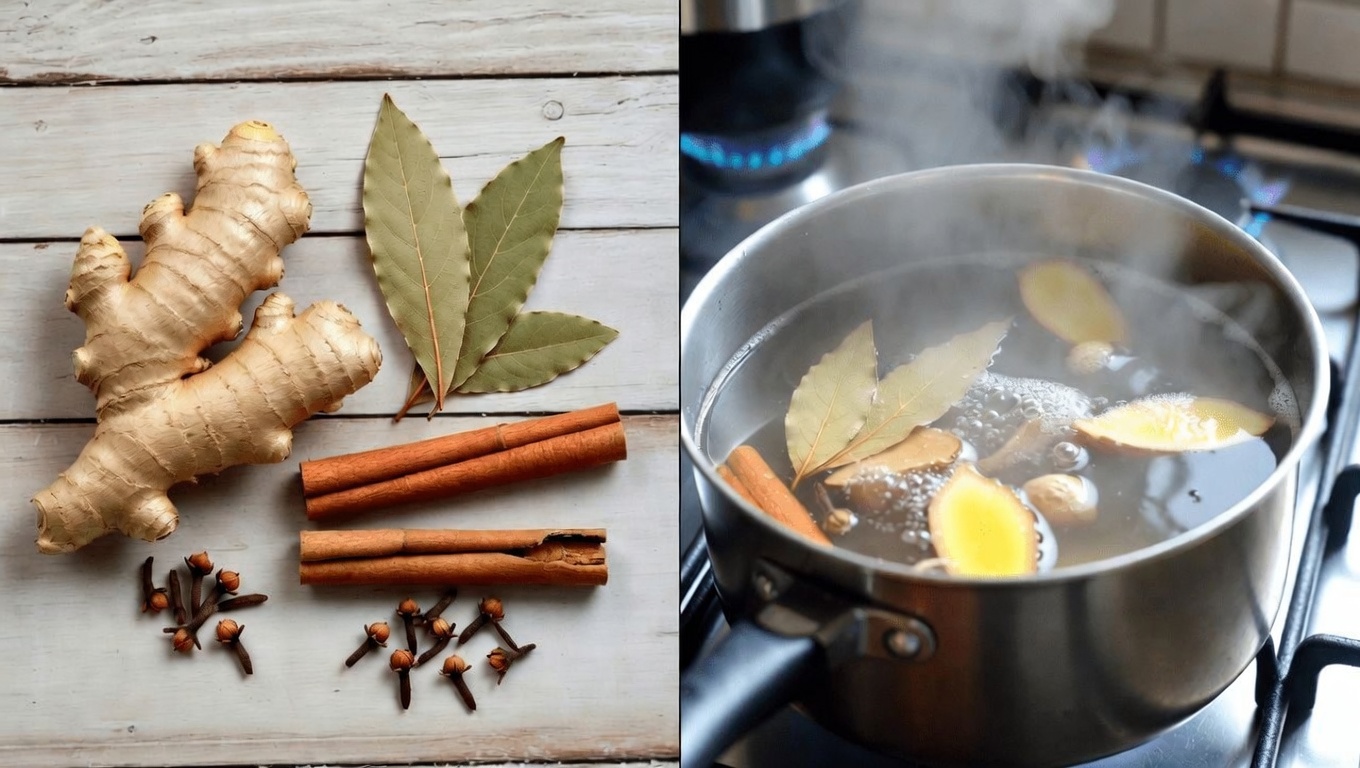
This tea combines four globally recognized spices that have been used for centuries in traditional wellness routines:
- Ginger (rhizome) adds a warming, spicy bite
- Bay leaf contributes an earthy, herbal note
- Cinnamon brings gentle sweetness and depth
- Clove adds a bold, aromatic pungency
Scientific interest in these ingredients often focuses on their antioxidant content and possible anti-inflammatory activity. For instance:
- Ginger contains gingerol
- Cinnamon is known for cinnamaldehyde
- Clove is rich in eugenol
- Bay leaf contains aromatic compounds such as cineole
When combined, these spices may offer complementary effects, especially for digestive comfort and overall wellbeing.
15 Potential Reasons People Choose This Herbal Tea Blend
Below are commonly discussed reasons people enjoy ginger–bay leaf–cinnamon–clove tea. These are based on traditional use and general findings from studies on individual ingredients (not a guarantee of results).
-
May help you unwind from everyday stress
Stress can influence cortisol and tension levels. Many people find a warm, aromatic cup soothing, particularly in the evening. -
May ease occasional bloating after meals
Ginger and bay leaf are traditionally used to support digestion and reduce feelings of gas or heaviness. -
Supports antioxidant intake for immune health
Cinnamon and clove contain antioxidants that may help the body handle oxidative stress. -
May support a balanced inflammatory response
Compounds like gingerol (ginger) and eugenol (clove) are widely studied for potential anti-inflammatory effects in lab settings. -
Encourages smoother digestion
Ginger is well-known for supporting gastric motility and easing occasional indigestion. -
Can become a calming nighttime ritual for sleep quality
The warmth and aroma can signal “wind down” time, helping some people relax before bed. -
May support heart wellness
Reviews of cinnamon suggest potential support for healthy cholesterol and blood pressure already within normal ranges. -
May promote a more energized feeling
Ginger is often associated with warming circulation, which some people describe as a gentle energy lift. -
May ease occasional joint stiffness
Ginger and clove are both explored for supporting comfort and mobility related to everyday wear and tear. -
May support steadier mood via blood sugar balance
Cinnamon is often studied for blood sugar support, which can indirectly help some people feel more stable and even. -
Traditional support for natural defenses
Bay leaf and clove have a history of use in traditional wellness for their antimicrobial properties. -
May support the body’s natural detox pathways
Some research explores clove’s relationship to liver support, although human results vary. -
May support clearer-looking skin
Antioxidants help combat oxidative stress that can contribute to dull-looking skin. -
May assist weight management routines
Ginger and cinnamon are often discussed for metabolic support, while reduced bloating may help lessen “puffy” feelings. -
Helps build long-term wellness habits
Simple, consistent rituals—like one cup per day—can make healthy routines easier to maintain.
Why a Multi-Spice Blend Can Feel More Effective Than Single-Ingredient Options
Many people rely on single-herb teas (like chamomile) or quick symptom fixes (like antacids). Those can be useful, but they may not provide the same broad, “whole-body” experience that comes from combining multiple spices with different active compounds.
A recurring theme in herbal research is that blends may act more holistically by supporting multiple pathways at once.
Quick comparison:
- Ginger–Bay Leaf–Cinnamon–Clove Tea: multi-compound, aromatic, antioxidant-rich, generally gentle for most people
- Antacids: can mask symptoms short-term; long-term use may come with downsides for some
- Single-herb teas: more targeted, but may lack the breadth of a multi-spice formula
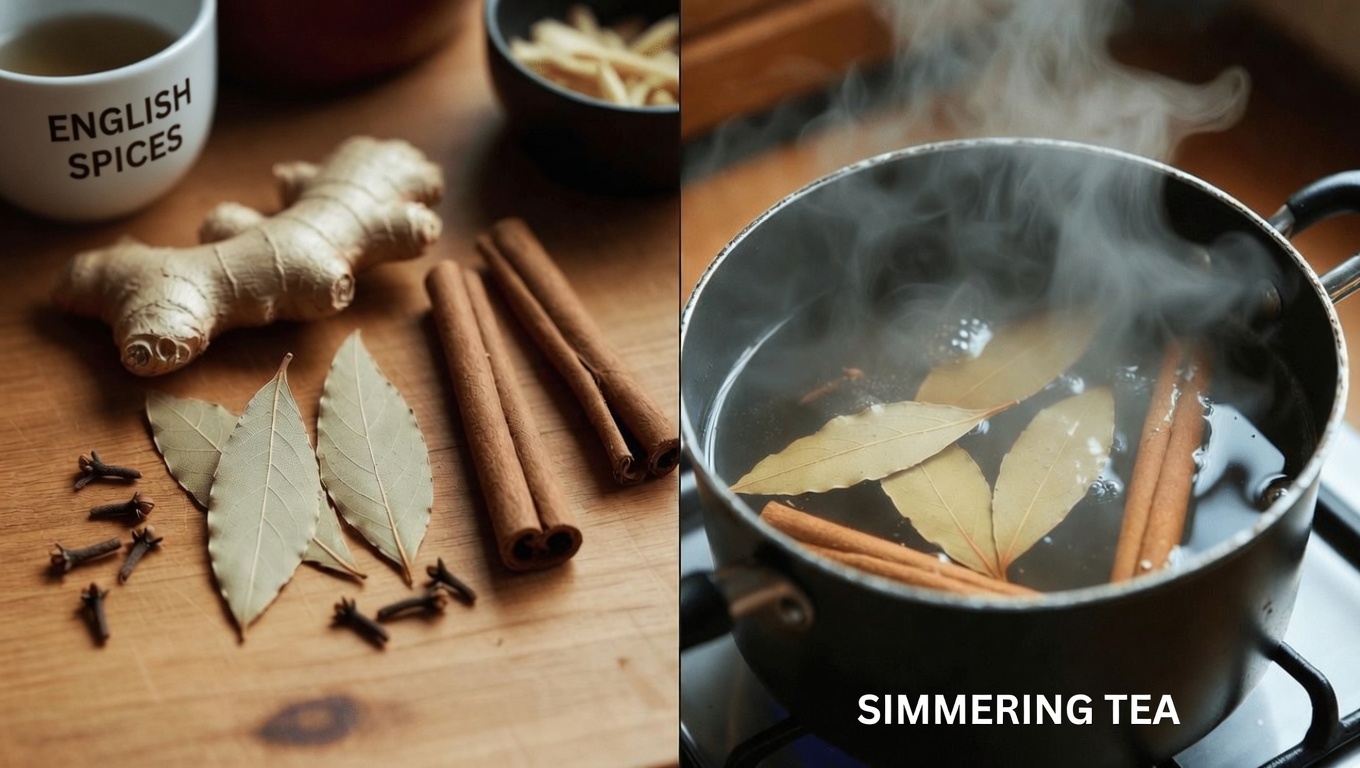
How to Make Ginger, Bay Leaf, Cinnamon, and Clove Tea (Simple Recipe)
Use whole spices when possible for stronger aroma and better extraction.
Ingredients (1–2 servings):
- 1-inch piece of fresh ginger, thinly sliced
- 2–3 bay leaves
- 1 cinnamon stick
- 4–5 whole cloves
- 2 cups water
- Optional: honey (to taste)
Directions:
- Bring 2 cups of water to a boil.
- Add ginger, bay leaves, cinnamon, and cloves.
- Lower heat and simmer 10–15 minutes.
- Strain and drink warm. Add a small amount of honey if desired.
Best practices:
- Start with 1 cup daily, ideally after meals or in the evening.
- Steep/simmer covered to help retain aromatic compounds.
- Aim for at least 10 minutes of simmering for a fuller extraction.
Quick Check-In: Notice Small Changes
Ask yourself: How is your energy today compared to your usual baseline?
Tracking small shifts—sleep, digestion, mood—can help you stay consistent and spot patterns.
What Changes Might You Notice Over Time?
Experiences vary, but people often describe a gradual timeline like this:
- Week 1: calmer evenings, less post-meal heaviness
- Week 2: more comfortable digestion, steadier mood
- By 1 month: a lighter, more balanced feeling with consistent use
Next Steps: Start Small and Build the Habit
Consider adding this tea as a daily warming ritual, one cup at a time. For greater benefit, pair it with supportive habits like light walks or mindful breathing.
If you want extra intensity, some people experiment with a pinch of black pepper, which may support the absorption of certain compounds.
FAQ
-
How often should I drink ginger, bay leaf, cinnamon, and clove tea?
Many people do well with 1–2 cups per day. Start with one cup and adjust based on how you feel. -
Is this tea safe for everyone?
It’s generally well tolerated, but check with a healthcare professional if you are pregnant, taking medications, or managing conditions such as acid reflux. -
Can I use powdered spices instead of whole spices?
Yes. Whole spices often provide better flavor and aroma. If using powdered forms, a common approach is about ½ teaspoon each, adjusting to taste.
Disclaimer
This article is for informational purposes only and is not medical advice. Herbal teas may support general wellness but do not replace professional healthcare. Consult a qualified healthcare provider before adding new herbs or spices to your routine, especially if you have medical conditions or take medications. Individual results vary, and no claims are made to diagnose, treat, cure, or prevent any disease.