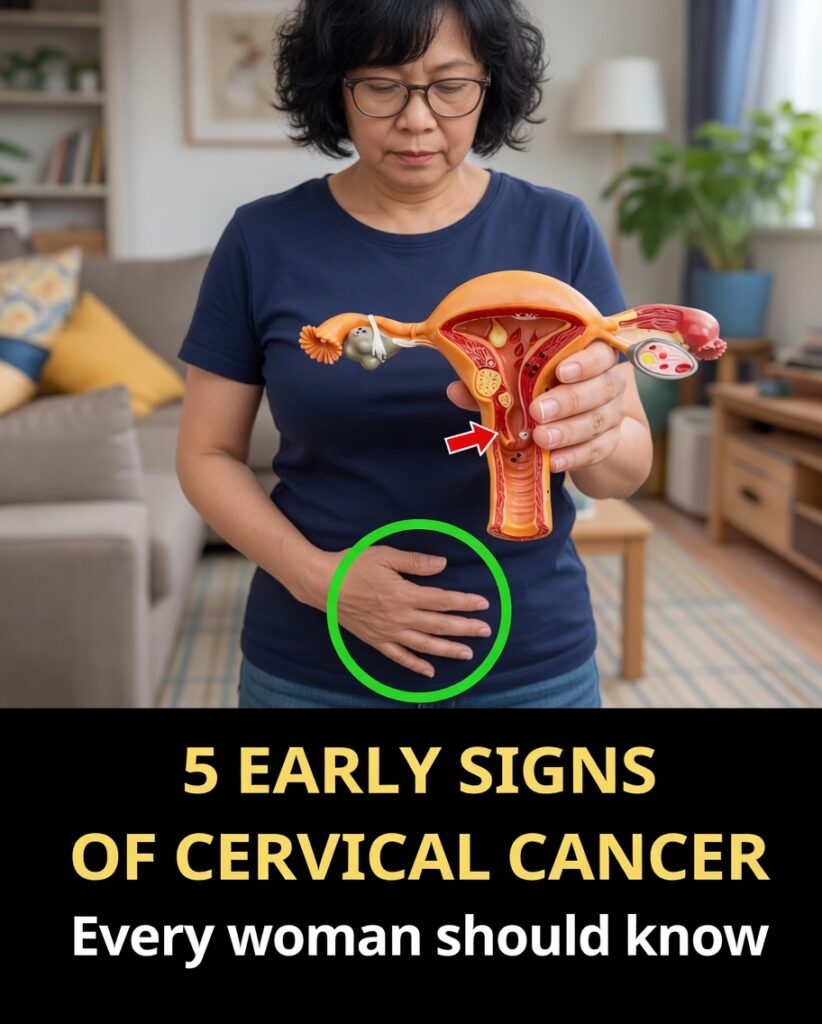
Cervical Cancer: 5 Early Warning Signs You Shouldn’t Ignore
Cervical cancer is among the most preventable cancers, yet thousands of women around the world are still diagnosed every year—often because early changes are easy to miss. In the beginning, symptoms can feel subtle and familiar, such as mild discomfort or a cycle that seems “a bit off.” When these signs are dismissed or delayed, abnormal cells can progress quietly.
The encouraging news is that early awareness, paired with routine cervical cancer screening (Pap test and HPV testing), can help you act before serious problems develop. Below are five early signs widely cited by medical experts—so you can recognize what’s abnormal and seek care promptly when needed.
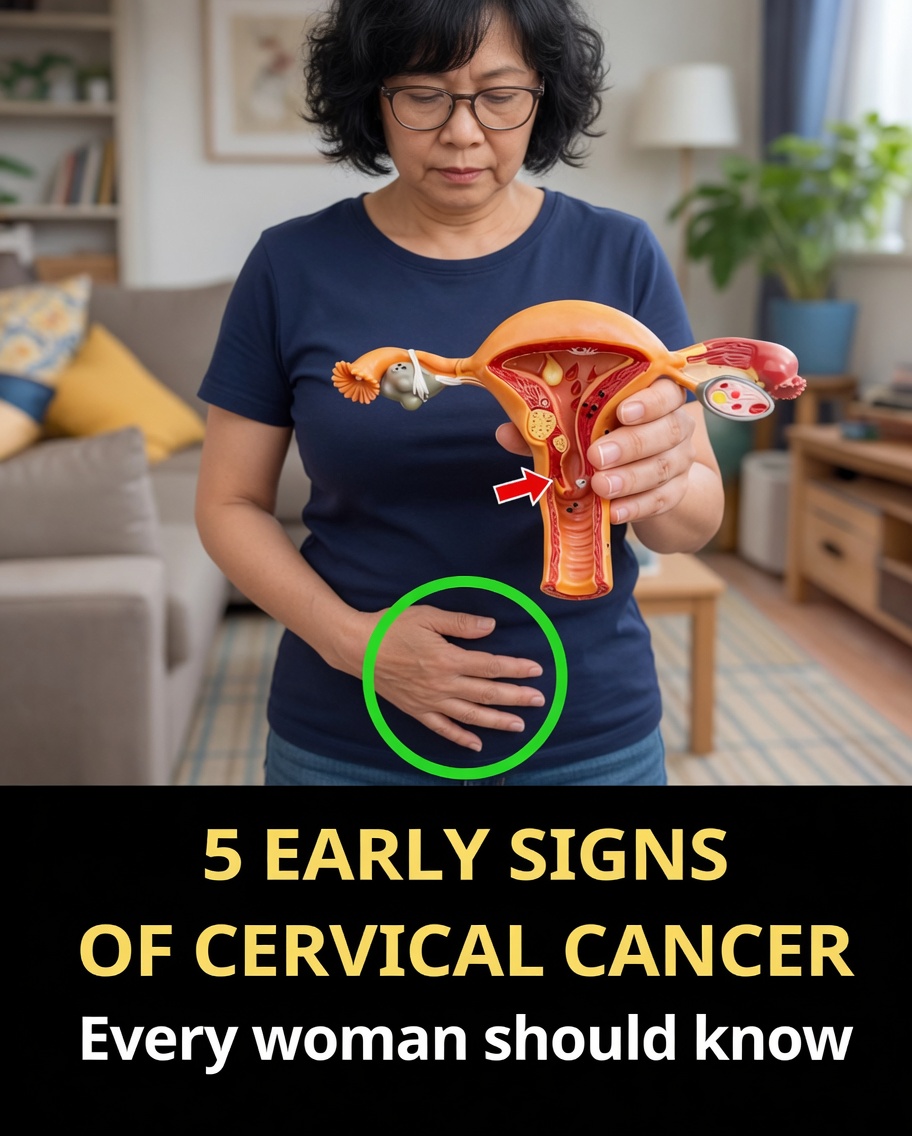
Understanding Cervical Cancer (and Why Awareness Matters)
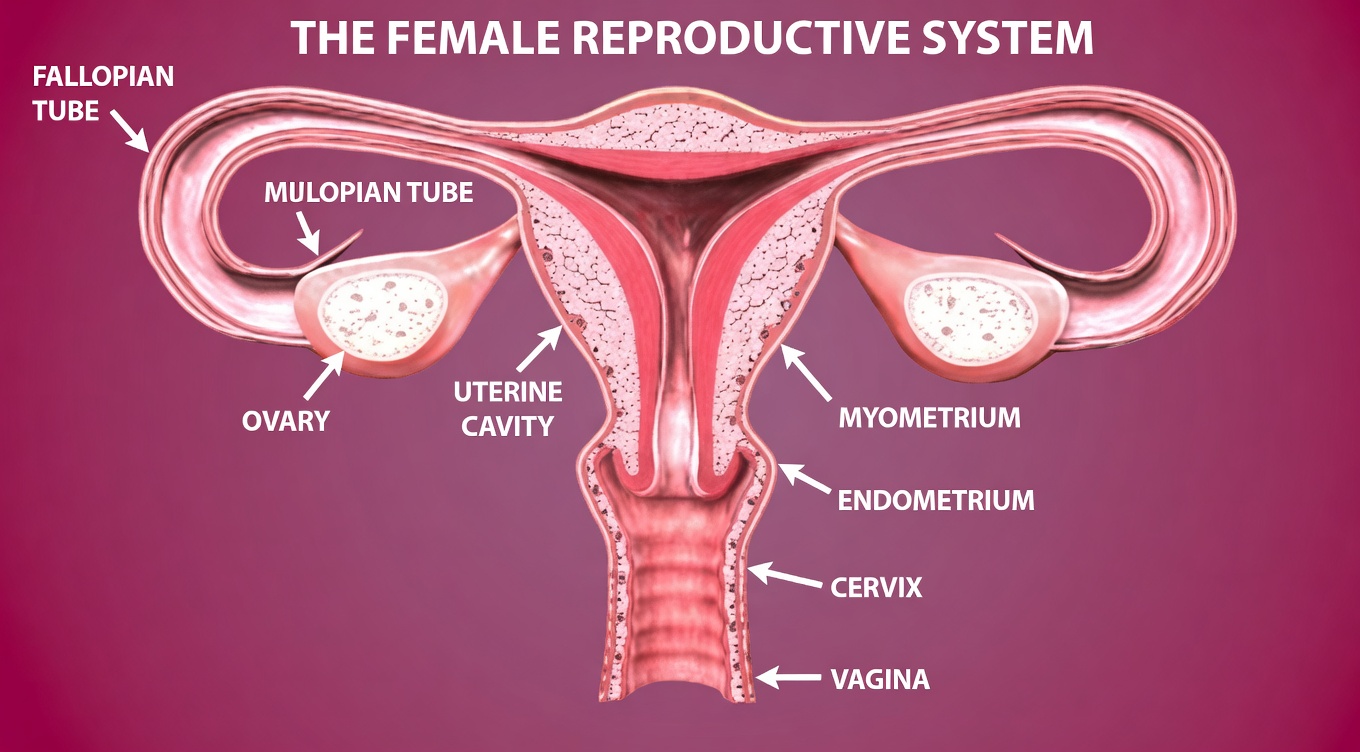
Cervical cancer begins in the cervix—the lower part of the uterus that opens into the vagina. Major health organizations, including the American Cancer Society and Mayo Clinic, report that most cervical cancers are linked to long-term infection with high-risk types of human papillomavirus (HPV). HPV is extremely common and is typically transmitted through sexual contact.
One reason cervical cancer can be dangerous is that it often grows slowly and may cause no noticeable symptoms in its earliest, most treatable stages. That’s why Pap screening and HPV tests are so important: they can detect precancerous changes before you feel anything. Still, as abnormal cells develop, your body may start sending signals—knowing them helps you start the right medical conversation sooner.
1) Unusual Vaginal Bleeding (The Most Common Early Sign)
Abnormal vaginal bleeding is consistently listed as the most frequent early symptom by trusted medical sources such as the American Cancer Society and Mayo Clinic.
Be alert to:
- Spotting or bleeding between periods
- Bleeding after sex
- Bleeding after menopause
- Periods that suddenly become heavier or last noticeably longer than usual
These changes can happen because abnormal cervical cells may make the tissue more delicate and easier to bleed, even with minor irritation. Many non-cancerous conditions (like hormonal changes or cervical polyps) can also cause bleeding—but any persistent, unexplained, or new bleeding pattern should be evaluated by a healthcare professional.
2) Unusual Vaginal Discharge (When Your “Normal” Changes)
Vaginal discharge naturally varies throughout the menstrual cycle. However, a new, ongoing change—especially without an obvious cause—can sometimes be an early sign of cervical issues.
Consider getting checked if discharge becomes:
- More watery, heavier than typical, or consistently present
- Pink, brown, or blood-tinged
- Unusually strong-smelling or foul-smelling
- Different from your normal pattern for weeks
Unusual discharge may appear alongside early cellular changes, particularly when it persists and doesn’t match a typical infection pattern. If something feels consistently “off,” it’s worth discussing with your doctor.
3) Pain or Discomfort During Sex (Dyspareunia)
Pain during intercourse—also called dyspareunia—can be difficult to talk about, but it matters. When it’s new or worsening, it should not be ignored.
Women often describe:
- Deep pelvic pain during penetration
- Sharp, stinging, or burning sensations
- Discomfort paired with light bleeding afterward
This may occur when abnormal cervical tissue irritates nearby areas. While causes can include infections, endometriosis, or other gynecologic conditions, pain during sex—especially when combined with abnormal bleeding or discharge—deserves medical assessment.
4) Ongoing Pelvic Pain or Lower Back Pain
Unlike typical menstrual cramps that come and go, concerning pelvic discomfort tends to linger or appear outside of your usual cycle.
Possible patterns include:
- A persistent dull ache in the lower abdomen or pelvis
- Pain that radiates into the lower back, hips, or legs
- Discomfort that doesn’t clearly relate to your period, exercise, or routine activity
When cervical changes affect surrounding tissues or nerves, ongoing pain can develop. Occasional aches are common, but pain that is persistent, unexplained, or not improving with usual measures should be checked.
5) Pain or Discomfort When Urinating
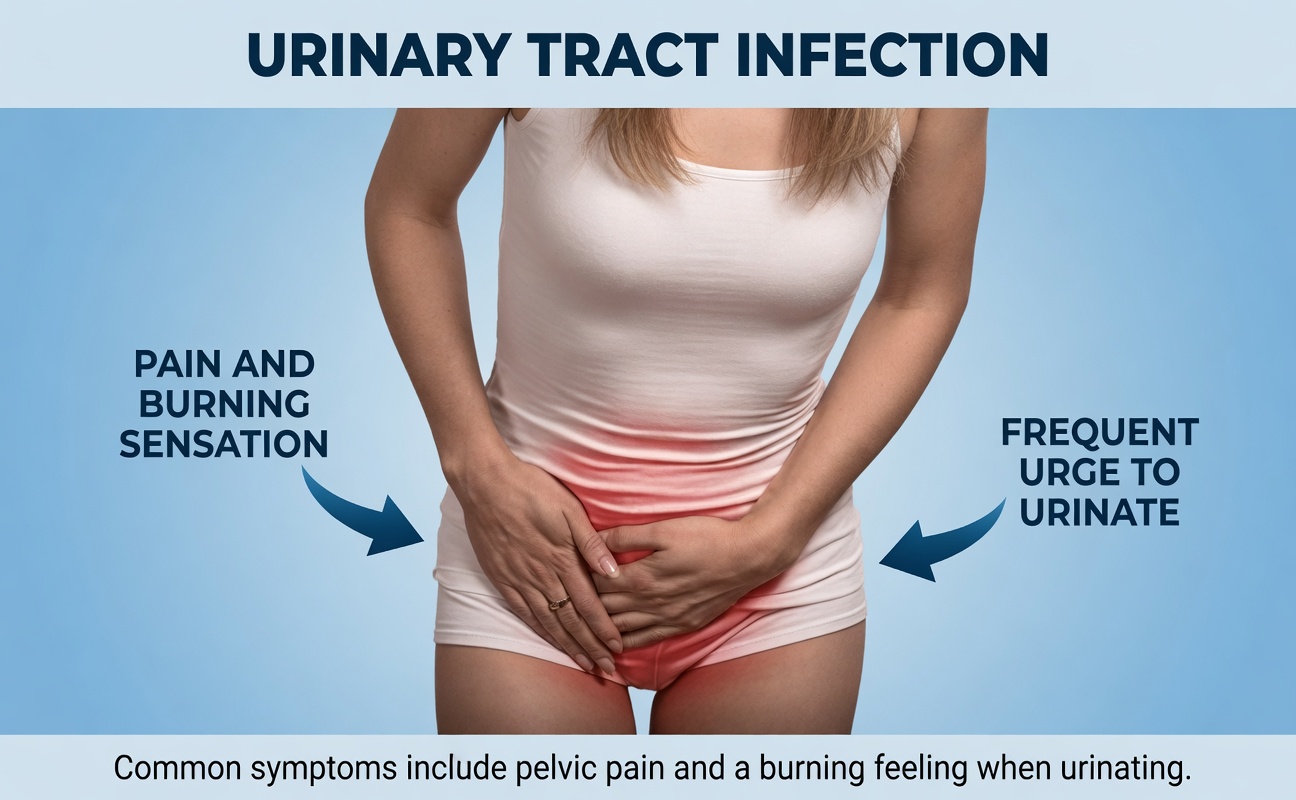
Sometimes early cervical changes can irritate or put pressure on nearby structures, contributing to urinary symptoms that resemble a urinary tract infection (UTI).
Watch for:
- Burning or pain when urinating
- A feeling of pressure, heaviness, or fullness in the bladder area
- Increased urgency without typical UTI findings
Because these symptoms can be mistaken for a routine infection, it’s important to follow up if they continue despite treatment or occur without clear evidence of infection.
Quick Guide: What’s Normal vs. What May Be Concerning
-
Typical menstrual bleeding: predictable timing, flow, and duration
-
Potentially concerning bleeding: unexpected timing, heavier/longer bleeding, bleeding after sex, or after menopause
-
Typical discharge: clear/white, mild or no odor, changes with cycle
-
Potentially concerning discharge: watery/heavy, blood-tinged, foul-smelling, persistent changes
-
Typical pelvic discomfort: short-term cramps during menstruation
-
Potentially concerning pain: ongoing pain, pain unrelated to cycle, pain during sex or urination
What You Can Do Now: Practical Steps to Protect Your Health
Health authorities emphasize prevention and early detection. These actions can reduce risk and improve outcomes:
- Keep up with cervical screening: follow recommended Pap test and/or HPV testing intervals based on your age and risk (often beginning around ages 21–25 and repeating every 3–5 years, depending on the method and history).
- Consider the HPV vaccine if you’re eligible: it helps protect against high-risk HPV strains and can still benefit many adults.
- Use safer sex practices: condoms can reduce (though not eliminate) HPV transmission risk.
- Track your baseline patterns: note cycle timing, bleeding, discharge, and pain so changes are easier to spot.
- Seek medical advice promptly: if any of the five warning signs last more than a couple of weeks—or feel unusual for you—schedule an appointment, even if symptoms seem mild.
Early evaluation often leads to reassurance, monitoring, or treatment of precancerous changes before they become dangerous.
Why Early Awareness + Screening Saves Lives
Organizations such as the World Health Organization (WHO) and the CDC stress that cervical cancer usually develops over time, creating a valuable window for detection and prevention. Screening remains the most effective tool because it can identify precancerous changes before symptoms appear. When you combine regular screening with awareness of early warning signs, the chance of preventing advanced disease rises dramatically.
Frequently Asked Questions (FAQ)
What is the most common early sign of cervical cancer?
Abnormal vaginal bleeding is the most frequently reported early symptom—especially bleeding after sex, between periods, or after menopause—according to sources such as the American Cancer Society.
Can cervical cancer have no symptoms at first?
Yes. Early cervical cancer often causes no symptoms, which is why Pap tests and HPV testing are crucial for early detection.
How often should I get screened?
Recommendations vary by age and medical history. Many guidelines suggest Pap testing starting at age 21 (often every 3 years), and for many women ages 30–65, HPV testing or co-testing at longer intervals may be advised. Your healthcare provider can recommend a plan tailored to your risk factors.
Final Thoughts
Your body often signals when something needs attention. By recognizing these five early signs of cervical cancer and staying consistent with cervical screening, you give yourself the strongest advantage: time. If something doesn’t feel normal for you—trust that instinct and speak with a qualified healthcare professional.