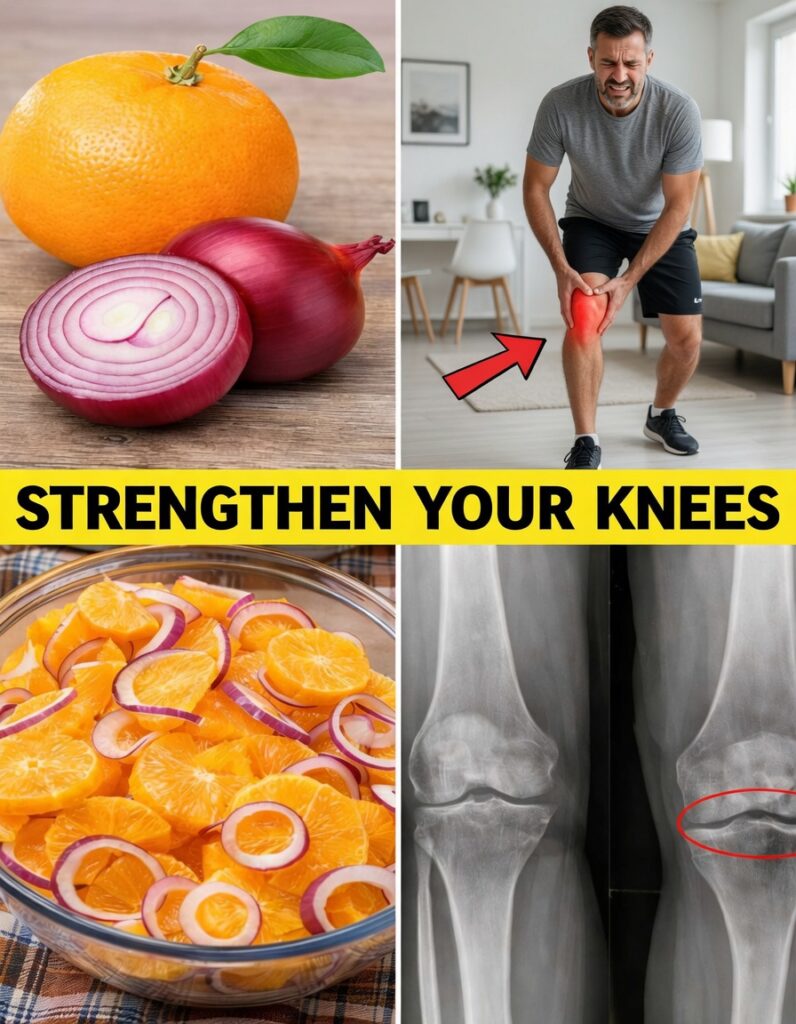
Knee discomfort affects millions of people and often appears gradually during ordinary routines—climbing stairs, getting up from a chair, or walking longer distances. Over time, this can lead to stiffness, limited mobility, and the discouraging feeling that “simple” movements require extra effort. Many adults start noticing these changes after age 40 as normal wear adds up, especially when muscle support, hydration, and daily habits aren’t ideal. The good news is that research points to several modifiable lifestyle habits that can help support joint comfort and function through smarter hydration, nutrition, movement, and weight management.
This guide shares nine practical, evidence-informed strategies that can strengthen knee resilience. They’re based on findings related to joint lubrication, tissue upkeep, and muscle stability—without claiming quick fixes or guaranteed reversals. Stay to the end for the surprising theme that links most of these steps together.
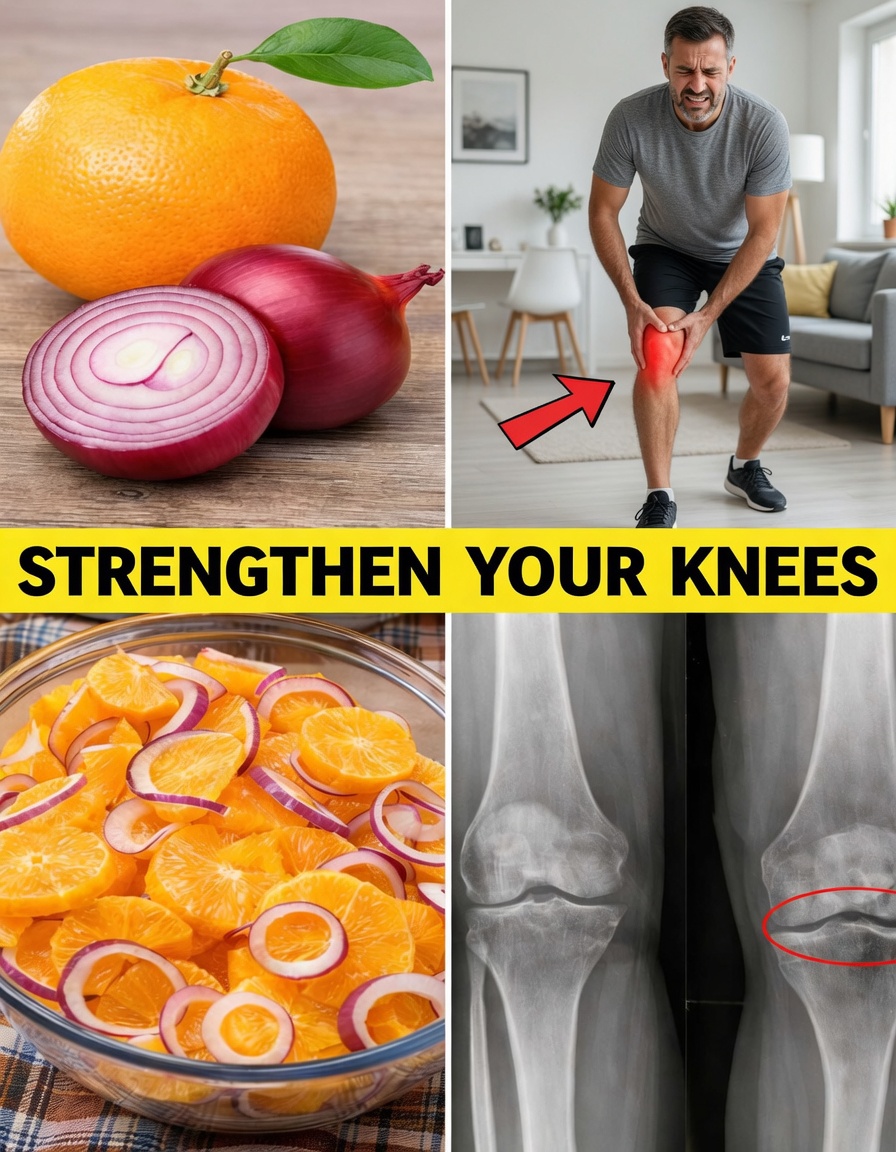
Why Knee Support Matters More With Age
As we get older, cartilage may gradually thin, ligaments can lose some elasticity, and cumulative daily stress becomes harder for the joint to “bounce back” from. Research suggests knee stiffness and discomfort are common, and when left unaddressed, they can reduce activity levels over time.
Two major contributors often stand out:
- Body weight: Extra weight increases the load on the knees. Studies commonly note that even small weight changes can significantly alter knee forces during walking and stair climbing.
- Muscle strength: When the muscles around the knee are weak (especially the quads, hamstrings, and glutes), the joint receives less protection and shock absorption.
Rest and temporary activity reduction may help short-term, but long-term improvement usually depends on building habits that address the underlying drivers.
Quick check-in: On a scale from 1 to 10, how comfortable do your knees feel during everyday tasks right now? Write it down—you’ll revisit this later.
9 Evidence-Informed Strategies to Support Knee Comfort and Function
These steps begin with the basics and progress into more targeted actions. Each one is supported by research for creating a more joint-friendly environment.
1) Hydrate Consistently for Better Joint Lubrication
Your knees rely on synovial fluid, a natural lubricant that helps cartilage glide smoothly. When hydration is inadequate, synovial fluid quality and volume can be affected, potentially increasing friction and stiffness.
- Simple action: Aim for 8+ glasses (around 2 liters) per day, and more if you sweat heavily or exercise.
- Practical tip: Keep a water bottle nearby and drink steadily rather than “catching up” at night.
Many people report less morning tightness when they maintain hydration consistently. Rate your current hydration 1–10—if it’s below 7, try improving it this week.
2) Eat Enough Protein to Support Tissue Maintenance
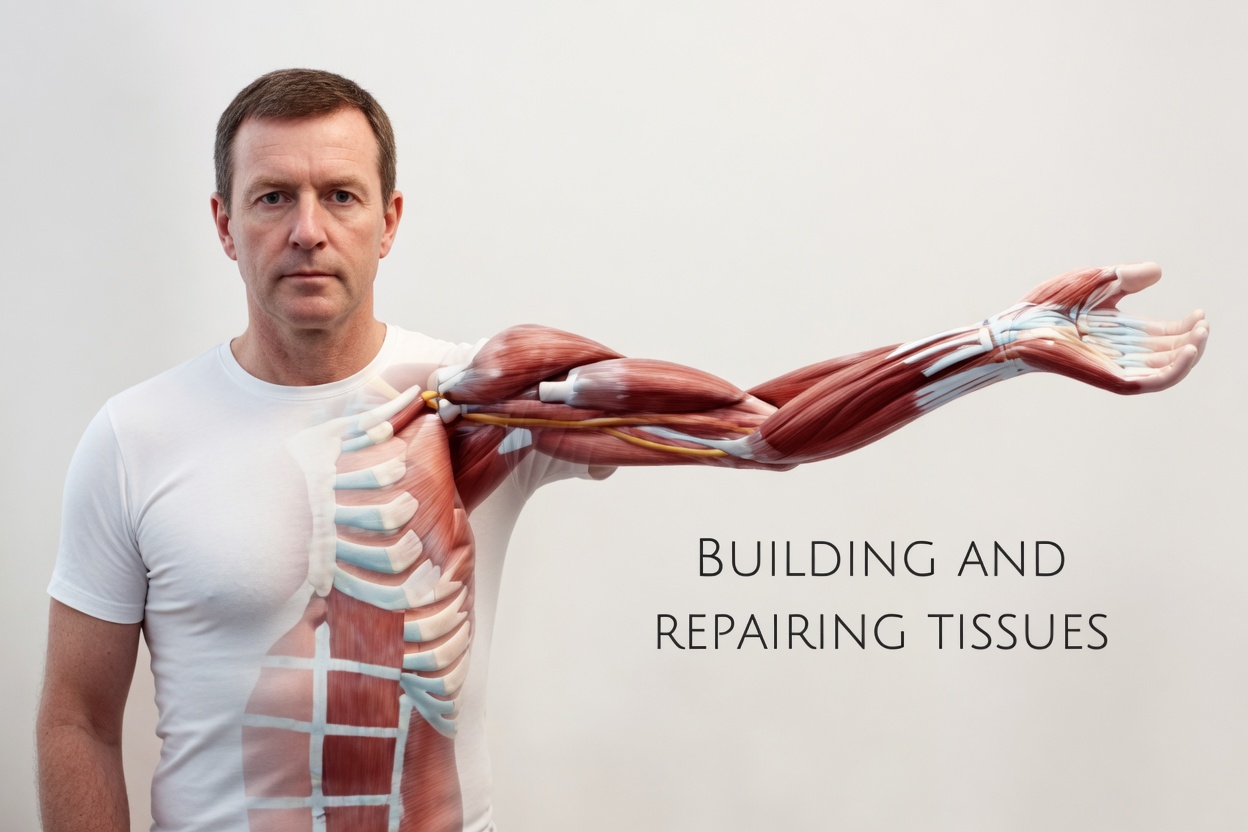
Cartilage, tendons, and ligaments depend on collagen, which requires amino acids supplied by dietary protein. Research suggests that sufficient protein intake supports tissue maintenance and recovery—especially important when you’re also exercising.
- Simple action: Target about 1.2–1.6 g of protein per kg of body weight (individual needs vary).
- Good options: Lean poultry, fish, eggs, Greek yogurt, tofu, beans, lentils, and quinoa.
- Easy upgrade: Add one protein-focused snack daily (e.g., yogurt, boiled eggs, or a protein smoothie).
3) Manage Weight to Reduce Daily Knee Load
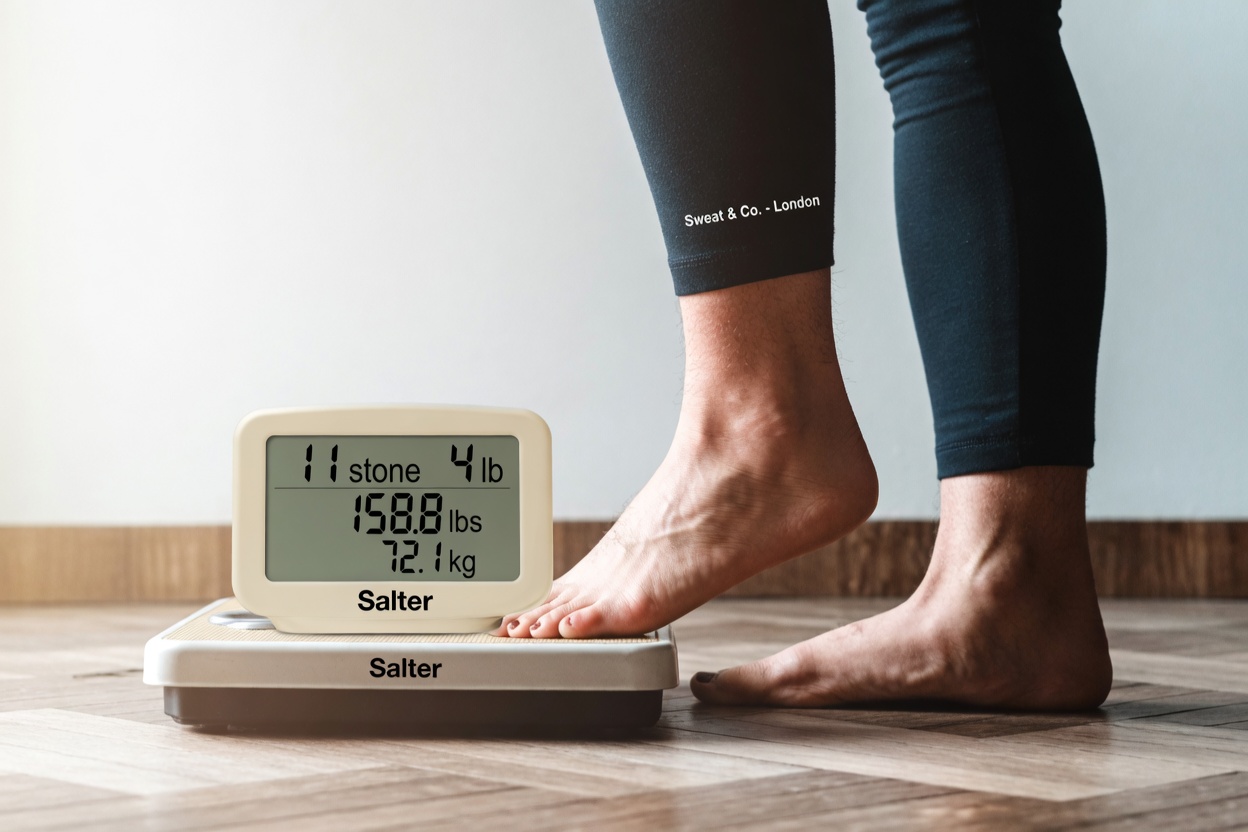
Extra body weight can significantly increase the force going through your knees with every step. Evidence consistently shows that even modest weight reductions may decrease stress on the knee joint and improve function.
- Simple action: Focus on sustainable changes—balanced meals, portion awareness, and regular movement.
- Realistic target: Many studies suggest that losing 5–10% of body weight can meaningfully reduce joint strain.
4) Get More Vitamin C for Collagen Support
Vitamin C plays a key role in collagen formation and provides antioxidant support that may help counter oxidative stress in joint tissues.
- Simple action: Include at least one vitamin C-rich food daily.
- Top sources: Oranges, kiwi, strawberries, bell peppers, broccoli, and Brussels sprouts.
Research often links higher vitamin C intake with better connective tissue maintenance over time.
5) Strength Train to Build Natural Knee Stability
Strong muscles act like built-in knee protection. The quadriceps, hamstrings, glutes, and calves help absorb impact and stabilize the joint during walking, stairs, and exercise. Reviews of resistance training commonly show improvements in stability, functional movement, and overall joint support—without requiring high-impact activity.
- Simple action: Strength train 2–3 times per week.
- Beginner-friendly moves:
- Sit-to-stands (from a chair)
- Step-ups (low step)
- Glute bridges
- Straight-leg raises
- Resistance band leg work
- Rule: Start light, progress gradually, and prioritize good form.
Quick quiz: How many foundational steps have you covered so far? (Answer: 4.) What’s the biggest challenge you feel—pain, stiffness, weakness, or fear of aggravation?
6) Add Allium Vegetables (Garlic, Onions, Leeks)
Allium vegetables contain sulfur compounds that may support connective tissue processes and influence inflammation-related pathways.
- Simple action: Include garlic, onions, or leeks in meals most days.
- Easy ideas: Add to soups, stir-fries, roasted vegetables, or salads.
While effects vary by person, research on sulfur-rich foods suggests potential benefits for inflammation balance.
7) Eat Fatty Fish for Omega-3 Support
Fatty fish such as salmon, sardines, and mackerel provide omega-3 fatty acids, widely studied for their anti-inflammatory properties. Regular omega-3 intake is associated in many studies with reduced stiffness and improved mobility in people with joint complaints.
- Simple action: Aim for 2–3 servings per week.
- If considering supplements: Discuss with a qualified healthcare professional, especially if you take blood thinners or have medical conditions.
8) Stretch Daily to Improve Mobility and Circulation
Gentle stretching supports range of motion, circulation, and tissue flexibility—helpful for reducing tightness around the knee and improving movement quality.
- Simple action: Stretch for 10–15 minutes daily.
- Target areas: Quads, hamstrings, calves, and hip flexors.
- Technique: Hold each stretch 20–30 seconds, breathe slowly, and avoid bouncing.
A consistent stretching routine is often associated with less morning stiffness and easier movement throughout the day.
9) Consider Glucosamine & Chondroitin (With Professional Guidance)
Glucosamine and chondroitin are naturally present in cartilage. Some studies suggest they may support comfort and function—especially in osteoarthritis—though results are mixed and not universal.
- Simple action: If you want to try them, consult a healthcare provider to discuss dosing, product quality, and possible interactions.
- Important note: Benefits, when they occur, often require consistent use over time rather than immediate effects.
A Simple Implementation Toolkit (Quick Reference)
- Hydration: 8+ glasses daily (more if active) — supports lubrication — days to weeks
- Protein: 1.2–1.6 g/kg/day — supports tissue maintenance — 4–8 weeks
- Weight management: balanced meals + movement — reduces load — months
- Vitamin C: daily citrus/peppers/berries — supports collagen processes — ongoing
- Strength training: 2–3 sessions/week — improves stability — 6–12 weeks
- Allium vegetables: add to meals — supports inflammation balance — consistent use
- Fatty fish: 2–3 servings/week — omega-3 support — 4–8 weeks
- Daily stretching: 10–15 minutes — improves flexibility — daily benefits
- Supplements (optional): provider-guided — targeted support — 2–3 months
If you want the simplest start, choose one or two basics (hydration + protein is a strong pair). Small wins build momentum quickly.
Important Precautions
These strategies are for general wellness support and do not replace medical evaluation or treatment. Avoid extreme dieting that sacrifices muscle, and remember that supplements can interact with medications or medical conditions. If you have significant pain, swelling, instability, recent injury, or a diagnosed condition, consult a licensed healthcare professional before making changes.
The Unifying Principle: Consistency Builds Knee Resilience
The most powerful connection across these nine steps is simple: daily habits compound. Hydration supports lubrication, protein supports tissue repair, strength training stabilizes the joint, and weight management reduces repetitive stress. Research commonly emphasizes that combining lifestyle strategies is more effective than relying on a single tactic.
Picture yourself 30 days from now: steadier movement, less hesitation, and more confidence. Start tomorrow with two changes—drink more water and eat one protein-focused meal. Which strategy will you try first?
Disclaimer: This article is for educational purposes only and does not constitute medical advice. Always seek personalized guidance from a qualified healthcare professional.