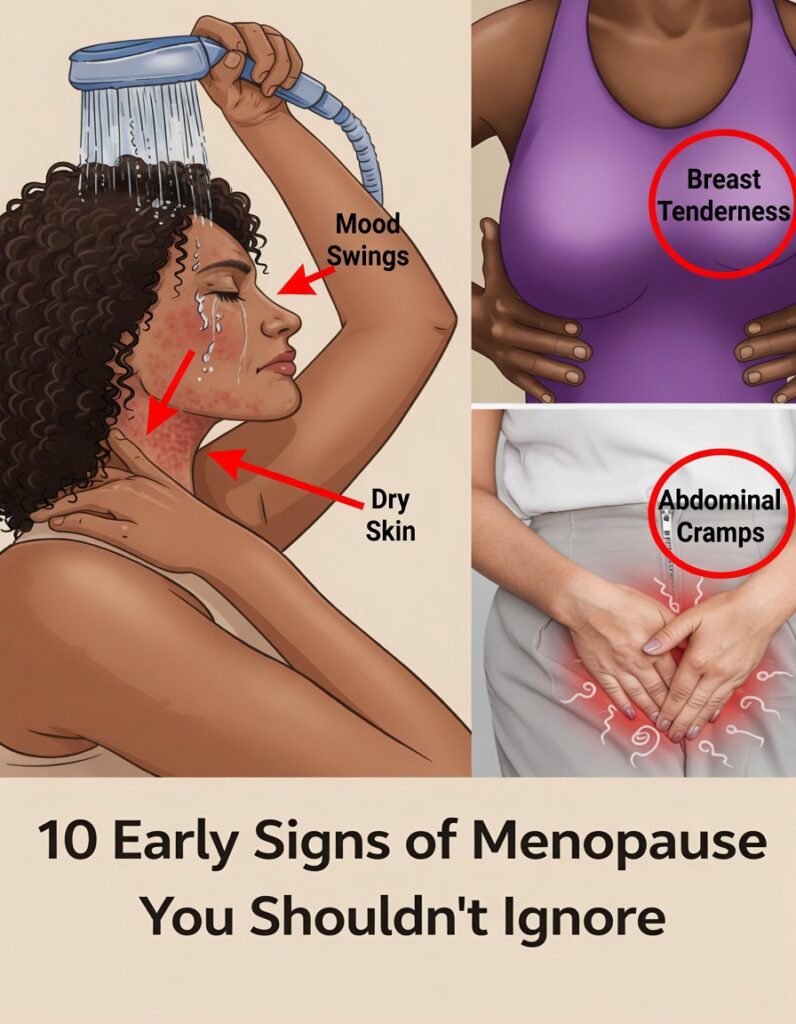
Many women in their late 30s and early 40s begin to notice body changes that feel sudden and out of place: periods that become unpredictable, intense heat surges that interrupt the day, or a level of tiredness that doesn’t improve even after a full night’s sleep. When these symptoms are dismissed as “just stress” or “getting older,” it can feel frustrating—and isolating.
Early menopause affects roughly 5% of women before age 45, meaning hormone shifts can arrive earlier than expected, often during demanding years filled with career growth, caregiving, and family responsibilities. The encouraging part is that spotting the signs early can make it easier to find the right support, reduce discomfort, and protect long-term health.
In this guide, you’ll learn the most common early menopause symptoms referenced by widely trusted medical sources, how to track changes effectively, and what practical steps can help you regain a sense of control. You’ll also discover one overlooked daily habit that can reveal patterns faster than many women expect.
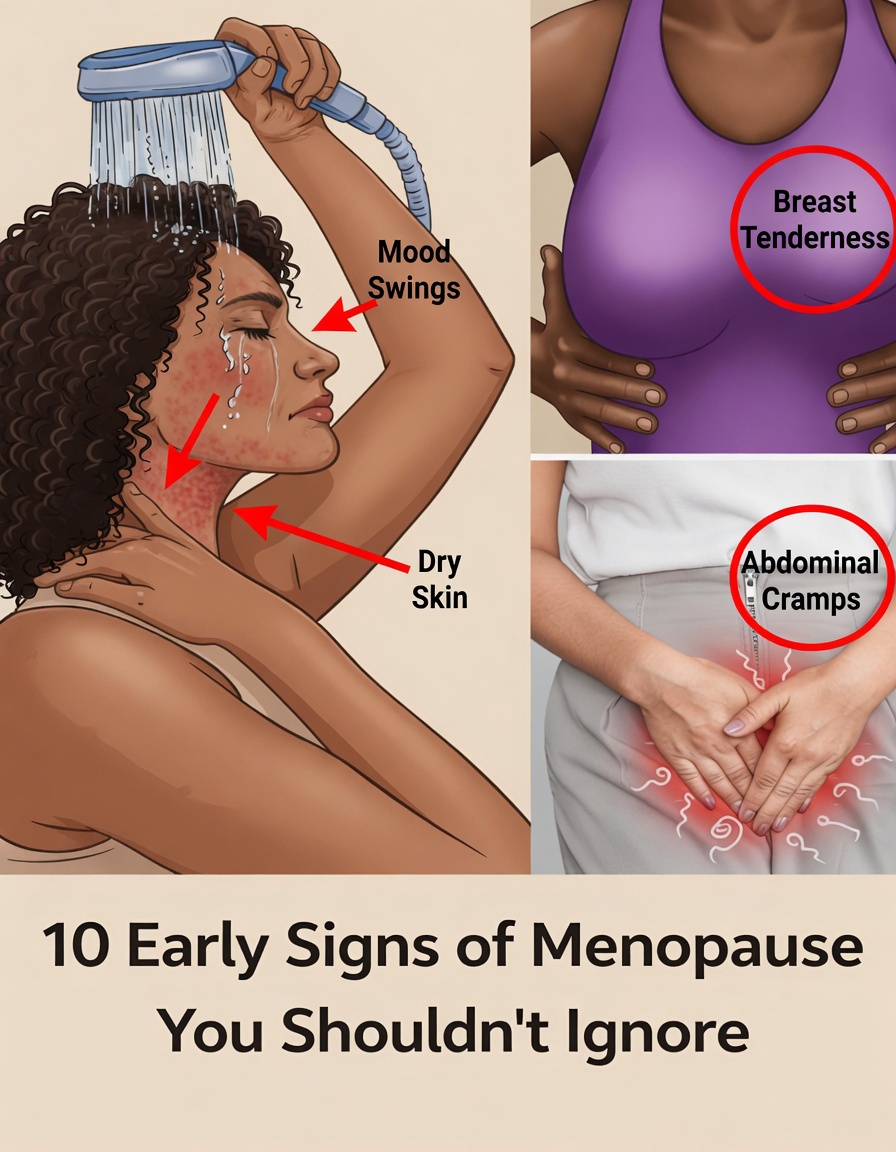
Why Early Menopause Can Feel Especially Hard
Early menopause means menstruation stops and menopause-related hormonal changes begin before age 45. Premature menopause is even earlier—before age 40—and occurs in about 1% of women. Medical organizations such as the Office on Women’s Health and leading health systems like Cleveland Clinic describe how an earlier drop in estrogen can lead to a longer period of low-estrogen years.
That hormonal shift can show up in everyday ways: sleep disruption, unexpected mood swings, and new discomforts that seem to appear “out of nowhere.” It also matters for the bigger picture—particularly bone and heart health, which are influenced by estrogen levels over time.
Many women describe the emotional impact as much as the physical one: a hot flash during an important meeting, or waking up at night drenched in sweat. Understanding that these symptoms can reflect a real biological transition—not a personal failing—often reduces fear and helps women seek appropriate care sooner. Early attention, including lifestyle adjustments and medical guidance, can significantly improve day-to-day comfort.
The 10 Most Common Signs of Early Menopause
Below are the symptoms women often notice first, consistent with guidance commonly referenced by sources such as Mayo Clinic and Cleveland Clinic.
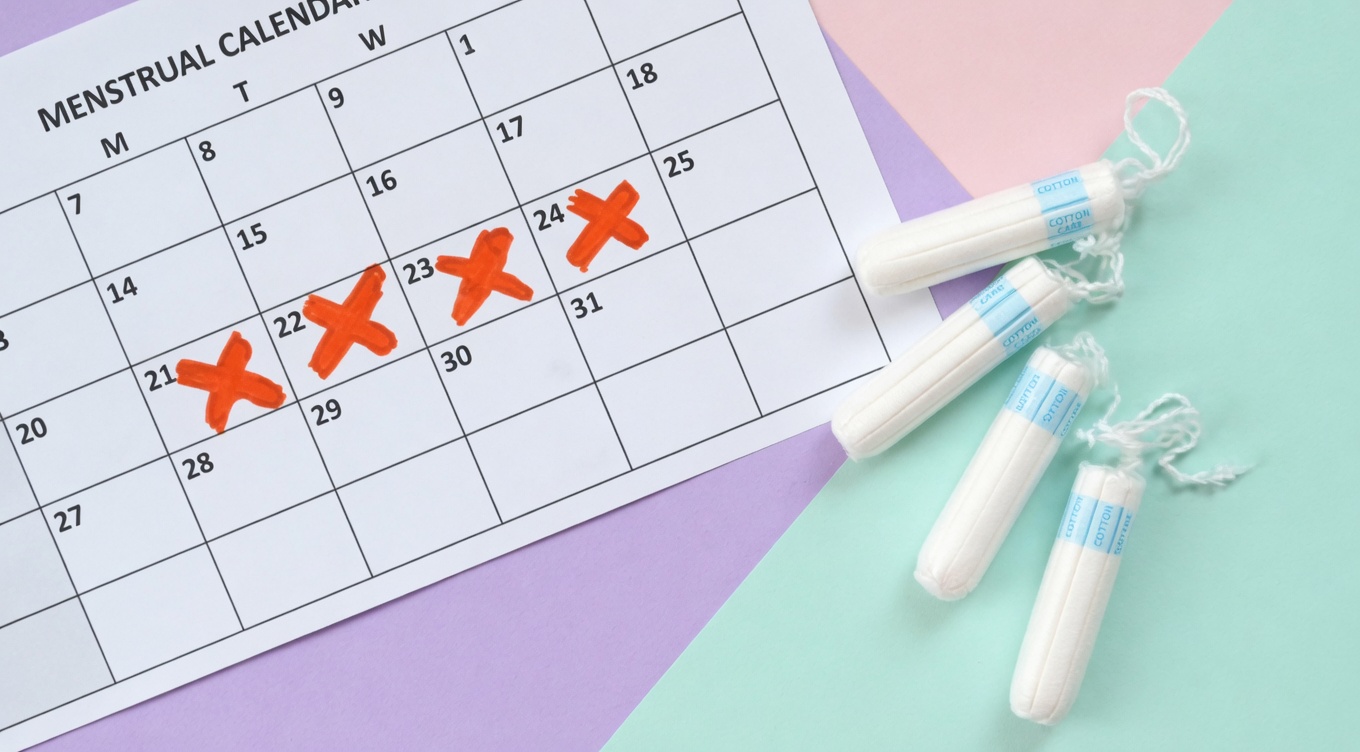
1. Irregular periods
This is frequently the earliest signal. Your cycle may become:
- shorter or longer
- heavier or lighter
- more unpredictable
- accompanied by spotting
If your periods have changed noticeably for several months, it’s worth tracking. Cycle variability can begin years before the final period.
2. Hot flashes and night sweats
These “vasomotor symptoms” can feel like a sudden wave of intense heat—often moving from the chest up to the face—followed by sweating. They are very common during the menopause transition and can disrupt work, social life, and sleep.
3. Vaginal dryness and discomfort
Lower estrogen can reduce natural lubrication and thin vaginal tissues, leading to irritation or pain during intimacy. For many women, this develops gradually but becomes increasingly noticeable.
4. Mood changes (irritability, anxiety, emotional shifts)
Hormone fluctuations can affect mood regulation. You might feel more on edge, more emotional than usual, or experience anxiety that doesn’t match your typical baseline.
5. Sleep difficulties
You may struggle to fall asleep, wake frequently, or feel unrested in the morning. Night sweats often worsen this, and poor sleep can quickly affect focus and resilience during the day.
6. Ongoing fatigue
This isn’t just “being busy.” Many women describe a deep, persistent tiredness that lingers despite rest. Hormonal changes can affect energy levels, metabolism, and overall stamina.
7. Brain fog and memory slips
You might notice reduced concentration, forgetfulness, or a cloudy feeling mentally. Because estrogen supports cognitive function, its decline can temporarily affect mental sharpness.
8. Weight changes, especially around the abdomen
Even without major changes in diet, shifts in metabolism and fat distribution can lead to gradual weight gain—often concentrated around the midsection.
9. Joint and muscle aches
Some women experience stiffness, soreness, or aches that resemble early arthritis symptoms. This can affect daily comfort and motivation to stay active.
10. Lower libido
A reduced interest in intimacy may occur, often influenced by both hormonal changes and physical discomfort (such as vaginal dryness).
Beyond the Top 10: Other Symptoms That Can Also Appear
Early menopause can also present with subtler signs, including:
- headaches that become more frequent
- heart palpitations
- dry skin, dry eyes, or dry mouth
- recurrent urinary tract infections (UTIs)
- hair thinning
These may be connected to the same underlying estrogen decline and can build slowly over time.
A Quick, High-Impact Tracking Tip (The Overlooked Daily Habit)
One simple habit can make patterns clearer fast: log your symptoms daily.
Use a notebook or a free tracking app for 2–3 months, and record:
- period dates and flow changes
- hot flash/night sweat frequency
- sleep quality
- mood changes (anxiety, irritability, sadness)
- energy level
Even brief notes take only minutes, but they can make medical appointments far more productive because you’re bringing real trends—not just memory.
Real-Life Perspective: What Women Often Notice First
Many women feel relieved when they realize they’re not the only ones going through this. Some report that irregular cycles and exhaustion begin affecting performance at work; after tracking symptoms and speaking with a clinician, targeted lifestyle changes made their routines feel manageable again. Others find that prioritizing sleep and addressing mood shifts improves communication and relationships at home.
The common thread: earlier awareness often leads to faster relief and more confidence.
The Long-Term Health View
Because early menopause can mean more years with low estrogen, research associates it with increased risk over time for:
- osteoporosis and bone loss
- cardiovascular disease
- certain cognitive changes
However, risk is not destiny. Factors such as regular physical activity, bone-supportive nutrition, and preventive care can meaningfully improve long-term outcomes.

Quick Self Check-In
Take a moment and reflect:
- Which symptoms from this list feel familiar?
- On a scale from 1 to 10, how has your energy changed recently?
- What is one small step you’re willing to try this week (tracking, walking, earlier bedtime, a medical appointment)?
When to Talk to a Healthcare Professional
If you are under 45 and experiencing irregular periods plus symptoms like hot flashes, vaginal discomfort, sleep disruption, or multiple changes at once, it’s wise to speak with a healthcare provider. They can:
- evaluate symptoms and medical history
- consider hormone testing when appropriate
- rule out other causes
- discuss individualized options
Sharing family history is important, since genetics often influence menopause timing.
Practical Ways to Support Yourself Starting Now
These evidence-aligned habits can help reduce symptoms and support overall health:
- Eat for bone and heart support: Focus on calcium-rich foods (dairy, leafy greens) and vitamin D sources (fortified foods, safe sunlight exposure as appropriate).
- Stay active consistently: Prioritize weight-bearing movement like walking and strength training to support bones, mood, and metabolism.
- Reduce stress load: Short breathing exercises, mindfulness, or structured wind-down routines can ease symptom intensity for many women.
- Explore phytoestrogen foods: Soy, flaxseeds, and whole grains may offer gentle plant-based support for some.
- Avoid smoking: Smoking is associated with earlier menopause and can intensify symptoms.
Bottom Line: Awareness Creates Options
Early menopause can feel unsettling, especially when it arrives during a busy life stage. Yet recognizing the signs—and responding with tracking, supportive habits, and medical guidance—can shift the experience from overwhelming to manageable. Better sleep, steadier energy, and more comfortable intimacy often begin with one step: paying attention to what your body is telling you.
Many women navigate early menopause successfully every year. If these symptoms resonate, consider scheduling an appointment to discuss what’s most appropriate for your unique situation.
Frequently Asked Questions
What causes early menopause?
Possible contributors include genetics and family history, smoking, certain medical treatments, and other health factors. In many cases, no single clear cause is identified.
Is early menopause the same as perimenopause?
Not exactly. Perimenopause is the transition period with fluctuating hormones before periods stop completely. Early menopause means menopause occurs before age 45, often following a perimenopausal phase with similar symptoms.
Can lifestyle changes really help?
Yes. Regular movement, balanced nutrition, stress management, and strong sleep habits can improve daily comfort and support long-term bone and heart health. For personalized guidance, discuss options with your healthcare provider.
Medical disclaimer: This article is for informational purposes only and does not replace professional medical advice. Consult a qualified healthcare provider for diagnosis, treatment, and individualized recommendations.