Irregular Menstrual Cycles: A Gentle Morning Routine to Support Hormonal Balance
Irregular menstrual cycles are common. Health organizations such as the NICHD estimate that around 14%–25% of women of reproductive age experience cycle changes like infrequent periods or missed periods. These shifts may be connected to stress, lifestyle changes, nutrition patterns, or underlying health conditions, and they often come with discomfort, uncertainty about fertility, and day-to-day frustration.
The emotional impact can be just as real as the physical symptoms. Waiting for a period that doesn’t arrive on time can feel draining and isolating. While medical guidance is important, many people also benefit from supportive daily habits—such as warm, nutrient-focused drinks made from familiar kitchen ingredients—to encourage overall cycle wellness. This guide shares a simple morning ritual influenced by traditional practices and emerging research, featuring ingredients that may support well-being when used consistently.
Why Irregular Cycles Can Be So Stressful
Across the 20s, 30s, and beyond, it’s normal for some women to notice changes in cycle length and predictability. Irregularities such as oligomenorrhea (infrequent periods) and amenorrhea (absent periods) appear at different rates depending on age, stress load, nutrition status, and health factors. In some cases, contributors may include chronic stress, thyroid changes, or unmet nutritional needs.
Beyond scheduling inconvenience, unpredictable cycles can:
- Disrupt travel, work, and social plans
- Increase anxiety and “waiting mode” stress
- Affect energy levels and mood stability
A healthcare evaluation is the best way to understand the root cause. At the same time, supportive lifestyle strategies—especially warming routines and anti-inflammatory, whole-food choices—may complement your overall approach to cycle care.
The Core Ingredients: Everyday Support for Cycle Comfort
This warm morning drink combines ingredients often associated with comfort and wellness. Here’s what makes up the base—and why each component is included.
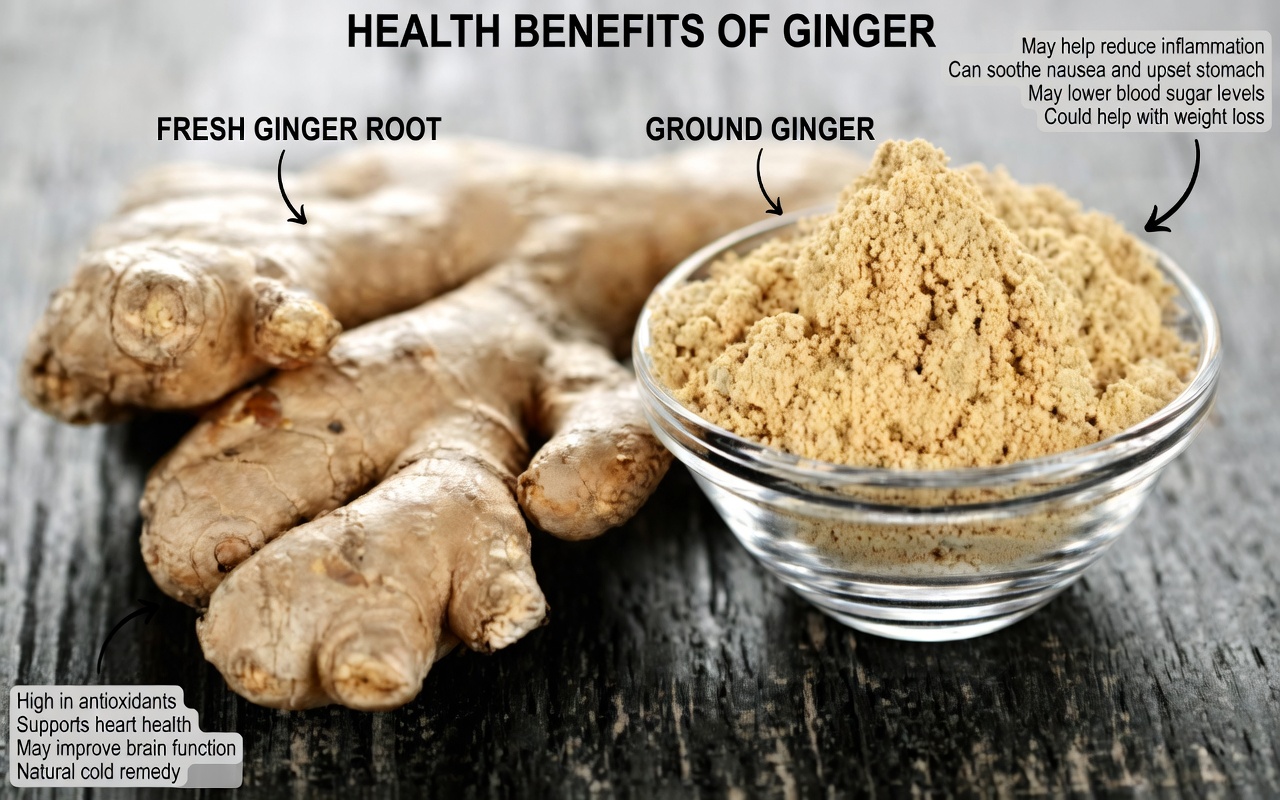
Ginger: A Warming Root That Supports Comfort and Circulation
Fresh ginger contains active compounds such as gingerols, which are linked to anti-inflammatory activity and may support circulation. Research reviews on primary dysmenorrhea suggest ginger may help reduce menstrual discomfort, especially with consistent use.
Suggested amount: about 2 tablespoons freshly grated ginger for a strong base.
Turmeric: The Golden Spice for Inflammation Balance
Turmeric’s best-known compound, curcumin, has been widely studied for its role in regulating inflammatory processes. Evidence including meta-analyses indicates potential benefits for PMS symptom intensity and period pain in some individuals.
Suggested amount:
- 1–2 tablespoons fresh grated turmeric, or
- 1 teaspoon turmeric powder
- Add a small pinch of black pepper to support curcumin absorption.
Cloves: Traditional Support for Warmth and Gentle Circulation
Cloves contain eugenol, often associated in traditional use with warming effects and circulation support. While research on cloves and cycle comfort is limited, they are commonly used in combination with other spices for overall warming and soothing benefits.
Suggested amount: 1 tablespoon whole cloves or ground cloves.
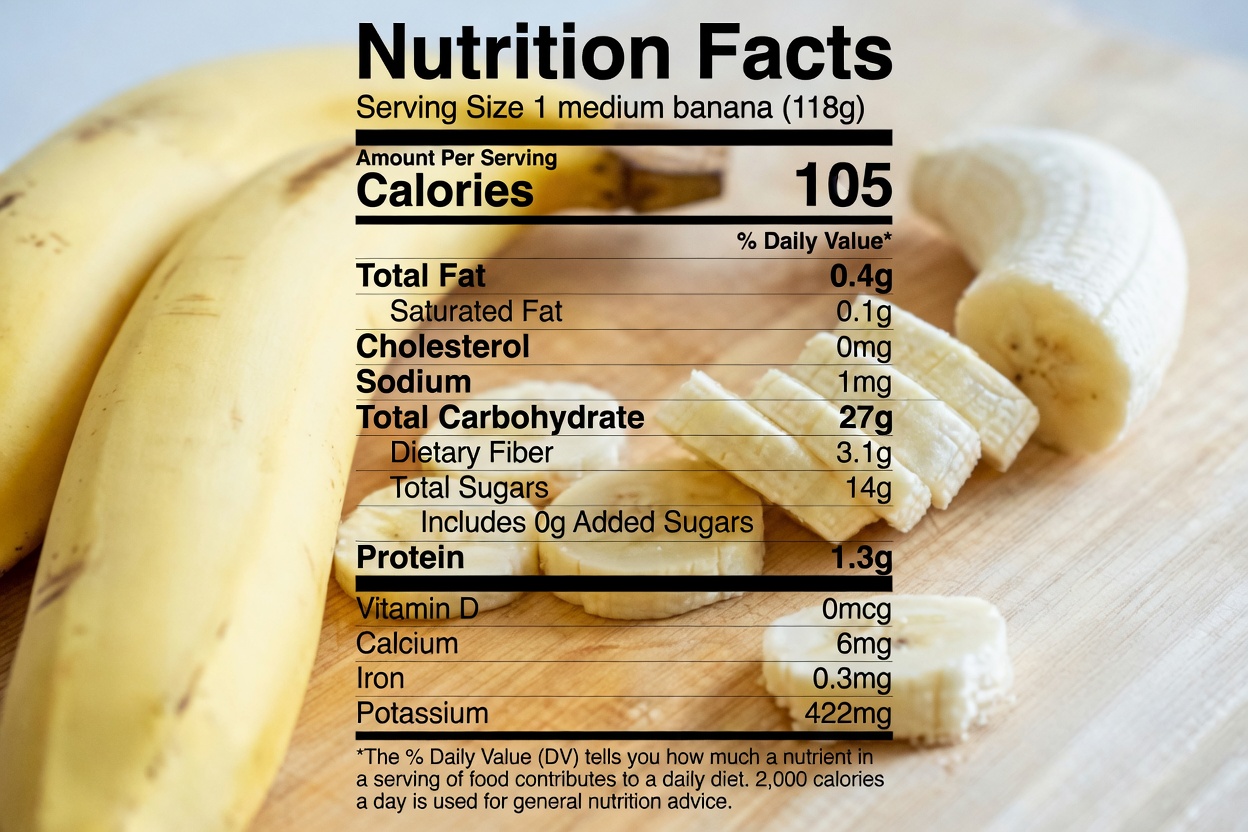
Banana: Nutrients for Steady Energy and Hormone-Related Support
Bananas provide potassium, vitamin B6, and natural sweetness. Vitamin B6 is frequently discussed in relation to mood and hormone-related pathways, and many people find it helpful for supporting steady energy.
Suggested amount: 1 ripe banana.
Optional Add-On for Extra Nutritional Support
Prunes: Iron Support for Blood Health
Dried prunes provide iron and other nutrients that support healthy hemoglobin levels. While prunes don’t “regulate hormones” directly, stronger nutrient reserves can support overall wellness—especially when your diet needs a boost.
Suggested amount: 4–6 pitted prunes.
How to Make the Drink: Warm Water Infusion Method
Warmth can help extract and activate certain compounds, as suggested in some herbal preparation research.
Method:
- Combine the ingredients (ginger, turmeric, cloves, banana; optional prunes).
- Add 2 cups of hot (not boiling) water.
- Either:
- Steep first, then blend, or
- Blend directly if you prefer a thicker texture.
How to take it: Drink first thing in the morning on an empty stomach, then wait about 30 minutes before eating to support absorption.
Ingredient Benefits at a Glance
- Ginger — Warming and anti-inflammatory; moderate evidence for menstrual comfort (including pain-relief studies).
- Turmeric — Curcumin supports inflammation balance; stronger evidence from clinical research for PMS and dysmenorrhea symptom relief.
- Cloves — Traditionally used for warmth and circulation; early and limited research, often used in blends.
- Banana — Vitamin B6 and potassium for energy and supportive nutrition; moderate evidence.
- Prunes — Iron and nutrient density for blood health; strong nutritional value.
How to Get More Results: Simple Daily Habits That Pair Well
With routines like this, consistency matters more than intensity. Many people notice the most meaningful changes after 7–14 days of daily use.
Consider pairing the drink with:
- Stress support: 5–10 minutes of slow breathing, meditation, or quiet journaling (cortisol can influence cycle signals).
- Hydration: aim for 80–100 oz of total fluids daily (adjust for your body size and activity).
- Warm, whole-food meals: prioritize nourishing foods and limit heavily processed options that may feel disruptive.
- Gentle movement: a 20–30 minute walk or yoga session after your drink to encourage circulation.
- Iron-rich foods: spinach, lentils, beans, or fortified foods for ongoing support.
- Cycle tracking: log symptoms, energy, and patterns to identify what helps most.
A Simple 14-Day Routine You Can Follow
- Days 1–3: Drink it daily on an empty stomach; note small changes (warmth, digestion, mild cramping shifts).
- Days 4–7: Add gentle movement and short journaling; watch for pattern changes.
- Days 8–14: Keep the routine steady and add stress tools consistently; observe overall rhythm and comfort.
- Long-term: Use the drink 3–5 times per week alongside supportive nutrition and lifestyle habits.
Why a Consistent Morning Ritual Can Make a Difference
A warm, nutrient-dense morning drink like this is an approachable way to prioritize cycle-supportive nutrition every day. When combined with stress reduction, hydration, movement, and balanced meals, it can help create a body environment that supports steadier well-being.
If you try it, track how you feel—many women report increased confidence and a greater sense of stability when they commit to a supportive routine.
Tip: For an extra boost, grate the ginger and let it sit for about 10 minutes before blending. This short resting time may help activate beneficial compounds.
Frequently Asked Questions
Can this drink replace medical care for irregular periods?
No. This is a supportive wellness habit, not a medical treatment. Seek medical advice for irregular cycles—especially if your period is absent for months, symptoms are severe, or you suspect conditions such as PCOS or thyroid disorders.
How quickly might results show up?
It varies. Some people notice subtle shifts within a few days, but more noticeable benefits often build over 1–2 weeks with consistent use. Stress, sleep, and overall diet also influence outcomes.
Is it safe for everyone?
Often yes for most adults, but consult a clinician if you are pregnant, breastfeeding, taking medications (including blood thinners), or managing gallbladder issues, since ginger and turmeric may interact in certain situations.
Medical Disclaimer
This article is for informational purposes only and does not provide medical advice. It is not intended to diagnose, treat, cure, or prevent any condition. Always consult a qualified healthcare provider before trying new remedies—especially if you have underlying health concerns, are pregnant, or are taking medications.