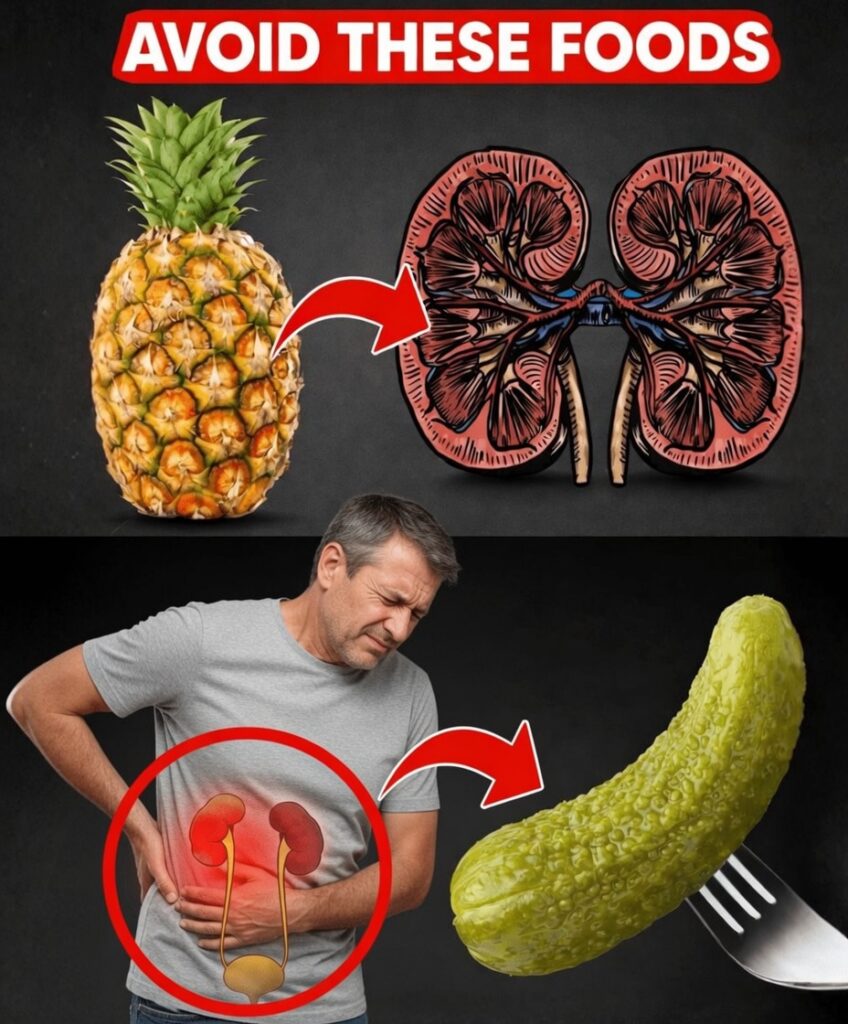
Many adults are unaware of just how widespread chronic kidney disease (CKD) has become. Data cited by the CDC and the National Institute of Diabetes and Digestive and Kidney Diseases (NIDDK) suggests that more than 1 in 7 U.S. adults—about 35.5 million people—may be living with CKD, often without obvious warning signs until the condition progresses. Risk typically rises with diabetes and high blood pressure.
One of the most practical ways to support kidney health is through everyday eating habits—especially how you manage minerals such as sodium, potassium, and phosphorus. When kidneys don’t filter efficiently, even foods that look “healthy” can quietly add extra mineral load. The encouraging part is that small, consistent changes—like choosing lower-mineral alternatives, adjusting portions, or cooking foods differently—can help reduce daily strain while keeping meals satisfying.
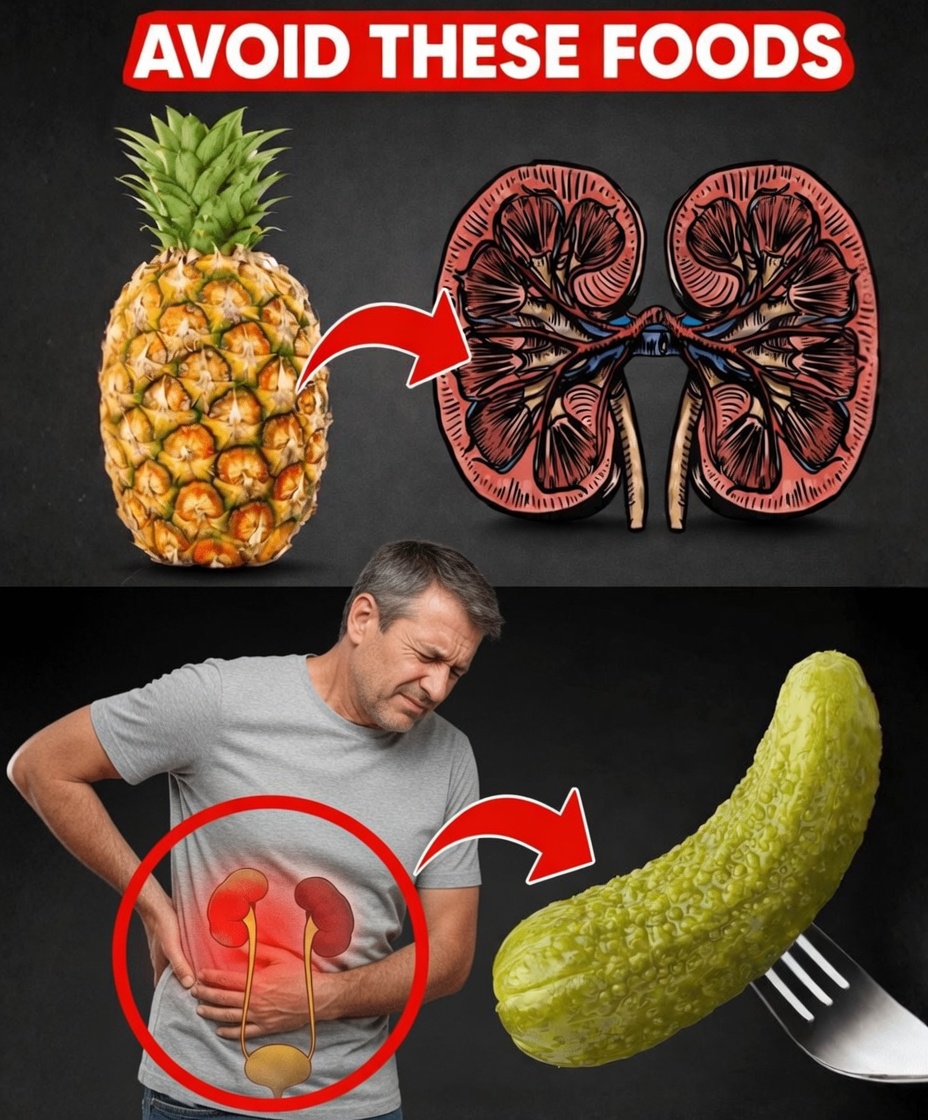
The Hidden Impact: Why Diet Matters So Much for Kidney Health
From your 30s onward, subtle changes may show up—fatigue that feels “normal,” occasional puffiness, or blood pressure creeping higher. Kidney-focused organizations, including the National Kidney Foundation, emphasize that:
- Too much sodium can worsen fluid retention and push blood pressure upward.
- Potassium and phosphorus may accumulate when kidney function declines, increasing the burden on multiple body systems.
This doesn’t mean you must ban every nutritious food. Instead, it highlights the value of targeted awareness. For instance, many people rely on dairy for calcium or nuts for protein, yet these can also deliver highly absorbable phosphorus. The goal is rarely “never again”—it’s usually balance, smarter selection, and better timing/portions.
And here’s the part many people don’t expect: some everyday staples contain mineral levels that can be surprisingly high.
Why Certain Foods Can Put Extra Stress on the Kidneys
When kidney function is reduced, the body may struggle to handle:
- Potassium, which can affect heart rhythm when levels get too high
- Phosphorus, which is linked to bone and blood vessel health
- Sodium, which influences fluid balance and blood pressure
- Protein waste, which increases when protein intake is excessive
Resources such as the NIDDK and the National Kidney Foundation often advise people with CKD to monitor these nutrients—especially if labs show elevated levels. One common expert tip: watch for “phosphate additives” in processed foods, since these can significantly increase how much phosphorus your body absorbs.

Below are 10 common foods that may contribute higher amounts of these minerals, plus why they matter.
10 Common Foods to Limit or Manage for Kidney Support
-
Milk and Dairy Products
Dairy can be a valuable source of nutrients, but it also tends to be higher in phosphorus and protein, which may be harder to manage as kidney function declines. -
Peanut Butter
A convenient protein and fat source, peanut butter can also be relatively high in phosphorus, which may build up in CKD. -
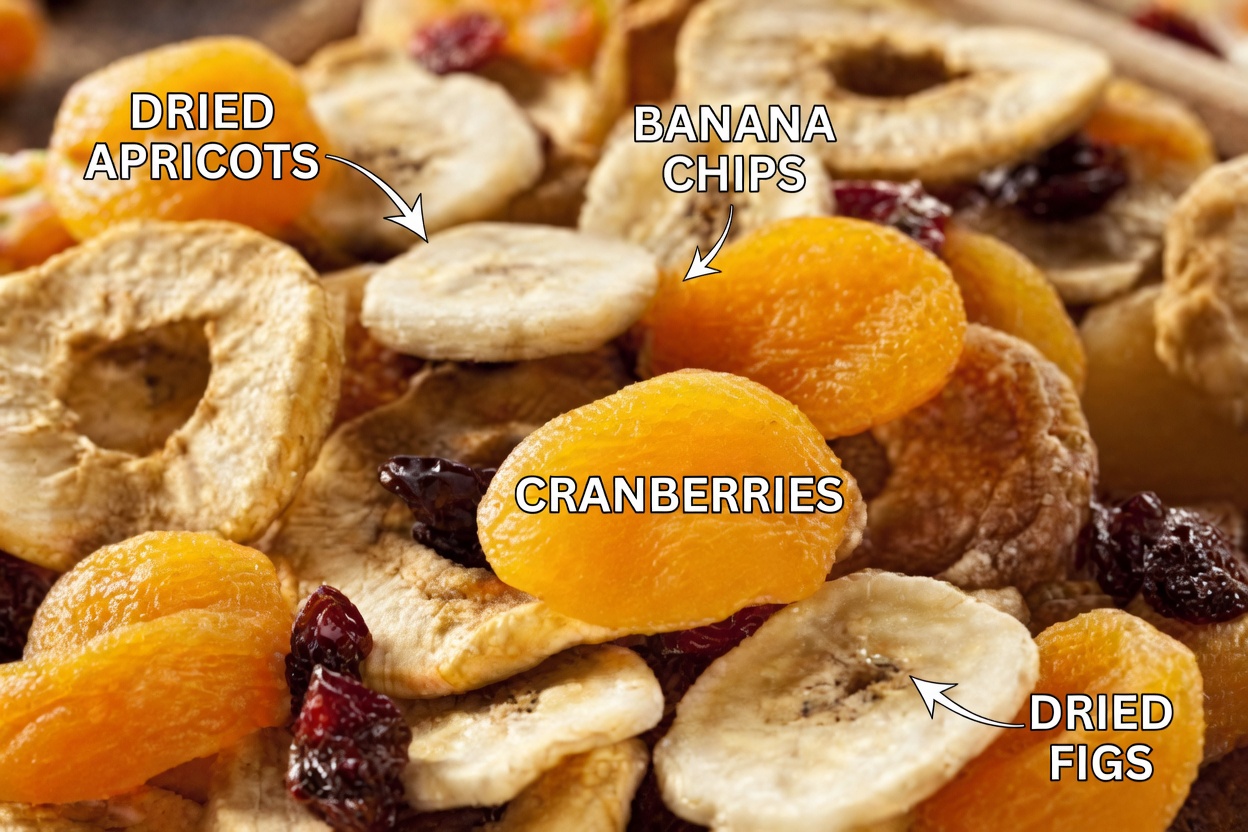
Dried Apricots (and Other Dried Fruits)
Drying concentrates nutrients. Many dried fruits, including apricots, can become potassium-dense in small portions. -
Tomatoes and Tomato-Based Sauces
Tomatoes are popular and versatile, but sauces and concentrated products can deliver a notable potassium load per serving. -
Pickles and Other Brined Foods
The main issue here is usually sodium. Brining and curing often push sodium levels very high. -
Oranges and Orange Juice
Citrus provides vitamin C, but oranges and especially juice can add substantial potassium quickly. -
Potatoes (Including Sweet Potatoes)
Potatoes commonly rank among the higher-potassium vegetables, particularly in standard serving sizes. -
Chocolate
Chocolate may contain meaningful phosphorus, and depending on the type, it can also bring more fat and sugar—relevant for people balancing heart and kidney concerns. -
Canned Soups
Many canned soups are loaded with sodium, and some also include potassium (sometimes from additives), even when marketed as “healthier.” -
Red Meat
Protein is essential, but large portions of red meat can increase metabolic waste, adding extra workload for kidneys.
These foods aren’t always “forbidden”—but portion size, frequency, and preparation can change the impact dramatically. The good news is you can often keep the flavors you love by making strategic swaps.
Kidney-Friendly Swaps: Keep the Taste, Reduce the Mineral Load
Many kidney health resources emphasize a few consistent strategies: moderation, choosing fresh foods over processed, and using techniques like leaching (such as double-boiling cut potatoes), which may significantly lower potassium content.
Here are practical replacements that preserve familiar tastes while supporting mineral management:
-
Milk → Unsweetened rice milk or almond milk (unenriched, in moderation)
Often lower in phosphorus and protein load. -
Peanut butter → Small servings of low-sodium peanut butter or sunflower seed butter
May help with better mineral control depending on brand and portion. -
Dried apricots → Apples, berries, or grapes
Typically far less potassium per serving than dried fruit. -
Tomatoes/tomato sauce → Roasted red peppers, onion-based sauces, or garlic-forward sauces
Can deliver a similar savory profile with less potassium. -
Pickles → Fresh cucumber slices with herbs or low-sodium relish
Keeps the crunch while cutting heavy sodium. -
Oranges/orange juice → Apples, cranberries, or grape juice (in moderation)
Often lower-potassium choices for many CKD meal plans. -
Potatoes → Leached/double-boiled potatoes (occasionally) or cauliflower mash
Comfort-food texture with a lighter mineral impact. -
Chocolate → Small portions of dark chocolate or carob (if tolerated)
Portion control helps manage phosphorus and overall load. -
Canned soup → Homemade low-sodium broth or soup
Gives you control over sodium, additives, and portions. -
Red meat → Chicken, fish, tofu, or eggs (balanced servings)
Supports protein needs with more flexibility for CKD-friendly planning.
A Simple 30-Day Starter Plan for Kidney-Supportive Eating
Sustainable change is easier when you focus on one theme at a time. Here’s a beginner-friendly month plan.
-
Week 1: Build Potassium Awareness
- Identify your most common high-potassium foods.
- Try one easy swap (for example, berries instead of oranges).
-
Week 2: Prioritize Sodium + Phosphorus
- Choose fresh foods more often than packaged options.
- Reduce reliance on dairy and processed snacks.
-
Week 3: Practice Preparation + Portion Skills
- Use leaching/double-boiling if you want potatoes occasionally.
- Right-size protein portions to avoid unnecessary waste buildup.
-
Week 4: Make It Routine
- Cook at home more consistently.
- Rotate kidney-friendlier swaps so meals stay enjoyable and realistic.
Common Myths vs. Reality About Kidney-Friendly Eating
-
Myth: If it’s “healthy,” it’s automatically kidney-safe.
Reality: Some nutrient-rich foods (including certain fruits and dairy) can be high in minerals that may require monitoring in CKD. -
Myth: “Low-sodium” labels guarantee it’s safe for kidneys.
Reality: Some products still contain potassium or phosphate additives—reading labels matters. -
Myth: A kidney-friendly diet means eliminating all protein.
Reality: Protein is important; the focus is usually the right amount and choosing appropriate sources.
Supporting Your Kidneys: Small Changes That Add Up
The biggest shift is combining awareness with practical action: eat more fresh foods, reduce hidden additives, use cooking techniques like leaching when appropriate, and keep portions realistic. Over time, these steps can support kidney wellness as part of a broader healthy lifestyle.
If you want a simple place to start, choose one swap today—such as changing a high-potassium fruit to a lower-potassium option—and build from there.
FAQ
-
Which minerals are most important to watch in a kidney-supportive diet?
Sodium, potassium, and phosphorus are commonly monitored, since they can build up when kidneys don’t filter effectively. Guidance from sources like the NIDDK often emphasizes individualized balance based on lab results. -
Can I still enjoy my favorite foods on a kidney-friendly eating plan?
Yes. Many people keep favorite flavors by using moderation, improving preparation methods (such as leaching), and selecting lower-mineral alternatives when needed. -
How can I tell whether my diet should change for kidney health?
A clinician or registered dietitian can review your bloodwork, medical history, and CKD stage (if applicable) to provide personalized recommendations.
Disclaimer: This article is for informational purposes only and does not provide medical advice. Always speak with your doctor or a registered dietitian before making dietary changes—especially if you have CKD, diabetes, high blood pressure, or other health conditions. Needs can vary based on lab values and disease stage.