
After a full day of staring at laptops and phones, it’s common for your eyes to feel gritty, dry, and overworked. Vision can seem slightly less sharp, and that quiet strain may build over time—especially with frequent blue-light exposure and the natural effects of aging. Many people notice these day-to-day shifts and look for simple, realistic ways to support eye comfort and visual clarity without making dramatic lifestyle changes.
The encouraging part is that certain nutrient-dense leaves—often found in your kitchen or garden—provide antioxidants, lutein, zeaxanthin, and essential vitamins. Research commonly links these nutrients with retinal support and reduced everyday oxidative stress. They are not instant cures or guaranteed solutions, but when eaten consistently, they may contribute to better long-term eye wellness.

This guide highlights five standout leaves supported by nutrition science and long-standing practical use. We’ll also share easy ways to start incorporating them today—plus one option that may surprise you with its potential circulation-support angle.
Why Leafy Nutrients Can Support Eye Wellness
Your eyes rely on specific nutrients to cope with modern stressors like screens, sun exposure, and normal metabolic wear and tear.
- Lutein and zeaxanthin are plant pigments that concentrate in the macula, the central part of the retina responsible for crisp, detailed vision. They function like natural filters, helping reduce exposure to harmful blue and UV light.
- Antioxidants such as vitamin C, vitamin E, and beta-carotene help neutralize free radicals produced by screen time, sunlight, and everyday metabolism.
- Healthy blood flow supports delivery of oxygen and nutrients to sensitive eye tissues.
Large reviews and summaries discussed by organizations such as the American Optometric Association and the NIH frequently associate higher intakes of these compounds—especially from dark leafy greens—with supporting macular pigment density and overall visual comfort. The key is consistency: small, regular additions can add up over time.
So which leaves stand out most? Here’s the countdown.
5) Parsley — A Simple, Everyday Antioxidant Boost
Parsley is often treated as a decorative garnish, but nutritionally it offers more than many people expect. It can provide:
- Lutein
- Vitamin C
- Beta-carotene (which the body can convert into vitamin A)
Lutein is widely studied for its role in absorbing blue light and supporting macular health. Beta-carotene contributes to vitamin A, which plays a role in corneal health and helps the eyes adjust in different lighting conditions.
Adding a small handful of parsley to meals can be an easy, steady way to build supportive nutrition over time.
4) Basil — Gentle Comfort Support from Your Spice Rack
Basil is more than a flavor upgrade for pasta or pesto. It contains:
- Lutein
- Vitamin A precursors (including beta-carotene)
- Naturally occurring anti-inflammatory compounds
Traditional herbal practices often value basil for soothing minor irritation and promoting comfort. Vitamin A support is also relevant for the surface tissues of the eye and for low-light vision performance.
Because basil is easy to use daily—fresh, blended, or stirred into dishes—it’s a convenient option for building a routine.

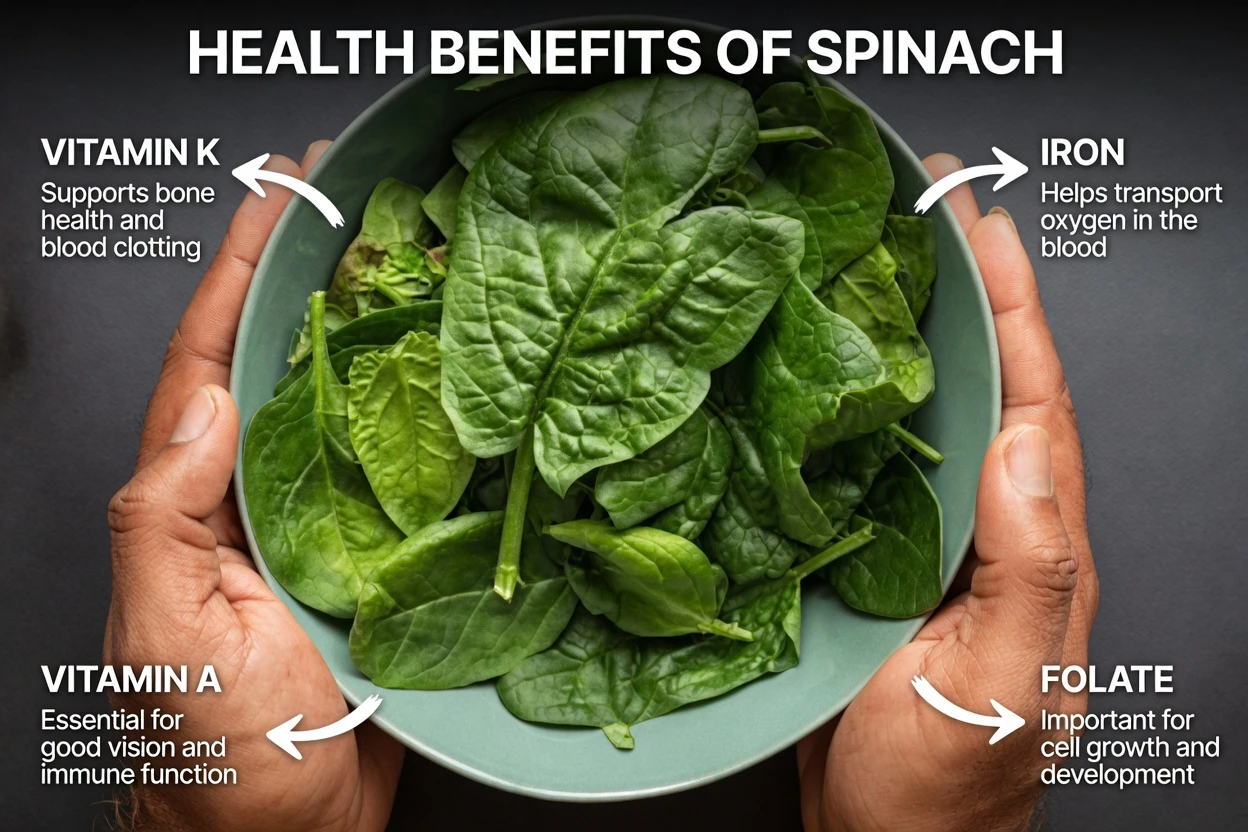
3) Spinach — A Trusted Macula-Friendly Classic
Spinach is one of the most well-known leafy greens for eye nutrition, and for good reason. It is especially rich in:
- Lutein and zeaxanthin
- Vitamin A (via carotenoids)
One cup of cooked spinach can contribute a meaningful portion of the daily intake of the carotenoids associated with retinal support. Nutritional research often links higher lutein/zeaxanthin intake with helping maintain contrast sensitivity and strengthening macular resilience to light-related stress.
Spinach is also extremely flexible: lightly sauté it, add it to soups, or blend it into smoothies for a simple daily habit.
2) Kale — A High-Density Nutrient Powerhouse
Kale frequently earns a top ranking among greens for eye-supporting nutrients. A single serving can deliver:
- Very high lutein and zeaxanthin
- Vitamin C
- Vitamin E
This combination offers broad antioxidant coverage while also supporting the macula’s natural pigment filters. Kale’s sturdy leaves work well in salads, sautés, and even baked chips—making it easier to eat consistently than many people expect.
With steady use, some people describe subtle improvements in daily visual comfort, especially when kale replaces lower-nutrient sides.
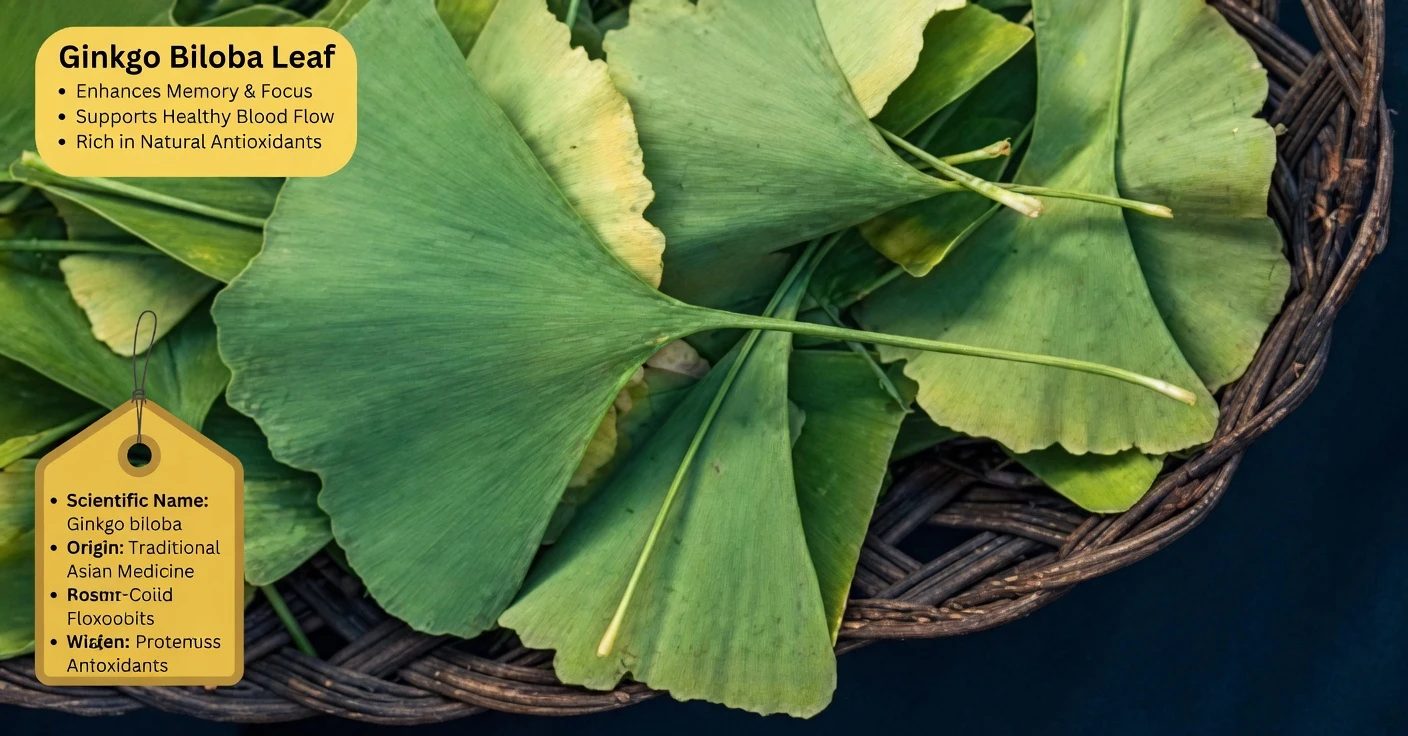
1) Ginkgo Biloba Leaves — Distinct Support Through Circulation
Ginkgo biloba stands apart from typical culinary greens. Its leaves contain unique plant compounds, including:
- Flavonoids
- Terpenoids
Research has explored ginkgo for its potential role in supporting blood flow, including circulation related to ocular tissues. Improved circulation may help with nutrient delivery to the retina and optic nerve. Common forms include ginkgo tea and standardized extracts, which are often used for consistency.
Some individuals report practical changes in comfort when they make ginkgo part of a routine. For example:
- Sarah (57) added a daily ginkgo tea and felt steadier comfort during longer focus sessions, while her eye check-ups stayed stable.
- John (62) combined green smoothies with occasional ginkgo and noticed clearer mornings with less dryness at times.
As with nutrition in general, patterns tend to appear gradually rather than overnight.
Key takeaways:
- Lutein and zeaxanthin can build macular support over time.
- Antioxidants help counter everyday oxidative stress.
- Circulation support may improve nutrient reach to eye structures.
Quick Comparison: Nutrients, Benefits, and Easy Daily Uses
-
Parsley
- Standout nutrients: lutein, vitamin C, beta-carotene
- Main support focus: macular pigment support
- Easy use: chop into soups, salads, and dressings
-
Basil
- Standout nutrients: lutein, vitamin A precursors
- Main support focus: comfort and light adaptation support
- Easy use: pesto, pasta, infused water/tea, or fresh topping
-
Spinach
- Standout nutrients: high lutein/zeaxanthin, vitamin A
- Main support focus: protection against light-related stress
- Easy use: light sauté, omelets, smoothies
-
Kale
- Standout nutrients: exceptional lutein/zeaxanthin, vitamins C and E
- Main support focus: antioxidant defense and light filtering support
- Easy use: massage into salads, stir-fry, bake as chips
-
Ginkgo biloba leaves
- Standout nutrients: flavonoids, terpenoids
- Main support focus: ocular circulation support
- Easy use: tea or standardized extract (follow label directions)
Combining several options can increase variety and help you maintain a consistent routine.
Safe, Practical Ways to Add These Leaves to Your Diet
To keep things simple and sustainable:
- Choose fresh, high-quality leaves: look for vibrant color and crisp texture; wash thoroughly.
- Use sensible portions: aim for 1–2 cups of leafy greens most days, alongside a balanced diet.
- Cook gently when possible: steaming or light sautéing helps preserve nutrients.
- Add healthy fats for absorption: pair greens with olive oil, avocado, nuts, or seeds to better absorb fat-soluble carotenoids.
- For ginkgo: choose reputable tea or standardized supplements and follow label instructions carefully.
- Pay attention to your body: note comfort changes and keep up with regular eye exams.
Most people tolerate these foods well, but if you have allergies, medical conditions, or take medications—especially blood thinners—speak with a healthcare professional before using ginkgo.
Also remember: hydration, regular blinking, and breaks during screen time work well alongside nutrition.
Easy Daily Eye-Nourishing Routine Ideas
- Morning: spinach-kale smoothie with a few basil leaves
- Lunch: salad topped with chopped parsley and olive oil dressing
- Dinner: sautéed greens or pesto pasta with basil and spinach
- Evening: ginkgo tea (only if appropriate for you)
Small steps compound. Over time, routine nutrition can help support comfort in a screen-heavy world.
Support Eye Comfort Naturally (One Meal at a Time)
Parsley, basil, spinach, kale, and ginkgo biloba leaves offer a mix of lutein, zeaxanthin, antioxidants, and potential circulation support that may help maintain eye comfort and visual clarity in modern life.
Incorporate them gradually, keep it enjoyable, and focus on consistency—because long-term eye wellness tends to be built through steady habits, not quick fixes.
P.S. A fast spinach–kale–basil smoothie can be an easy morning ritual that fits almost any schedule.
Frequently Asked Questions
What leafy greens are highest in lutein and zeaxanthin?
Dark leafy greens—especially kale and spinach—are typically top sources. Parsley and basil can add helpful variety with additional antioxidants and vitamin precursors.
Can ginkgo biloba leaves be used daily?
Many people use ginkgo as a daily tea or standardized extract. However, dosing and suitability depend on your health status and medications, so follow product guidance and consult a healthcare provider—particularly if you take blood thinners.
How long does it take to notice benefits?
Nutrients such as lutein and zeaxanthin tend to work cumulatively. If you notice changes, they are often subtle and may take weeks to months of consistent intake.
Medical Disclaimer
This article is for informational purposes only and does not replace professional medical advice. For personalized guidance, consult a healthcare provider or eye-care specialist.