Many women deal with recurring vaginal discomfort—such as itching, irritation, or an unusual odor—at least once a year. Research suggests roughly 8% to 18% of women report these symptoms annually, often connected to changes in vaginal pH or shifts in the microbiome. When discomfort lingers, it can feel discouraging and isolating—especially if everyday things like tight clothing or intimacy suddenly become unpleasant.
The encouraging part: gentle, traditional home practices can sometimes support comfort and hygiene without harsh products. One method gaining renewed attention is a clove water sitz bath—a warm, shallow soak infused with cloves, a kitchen spice used in wellness traditions for generations. Below is a practical, safety-minded guide to what it is, why people use it, and how to try it responsibly.
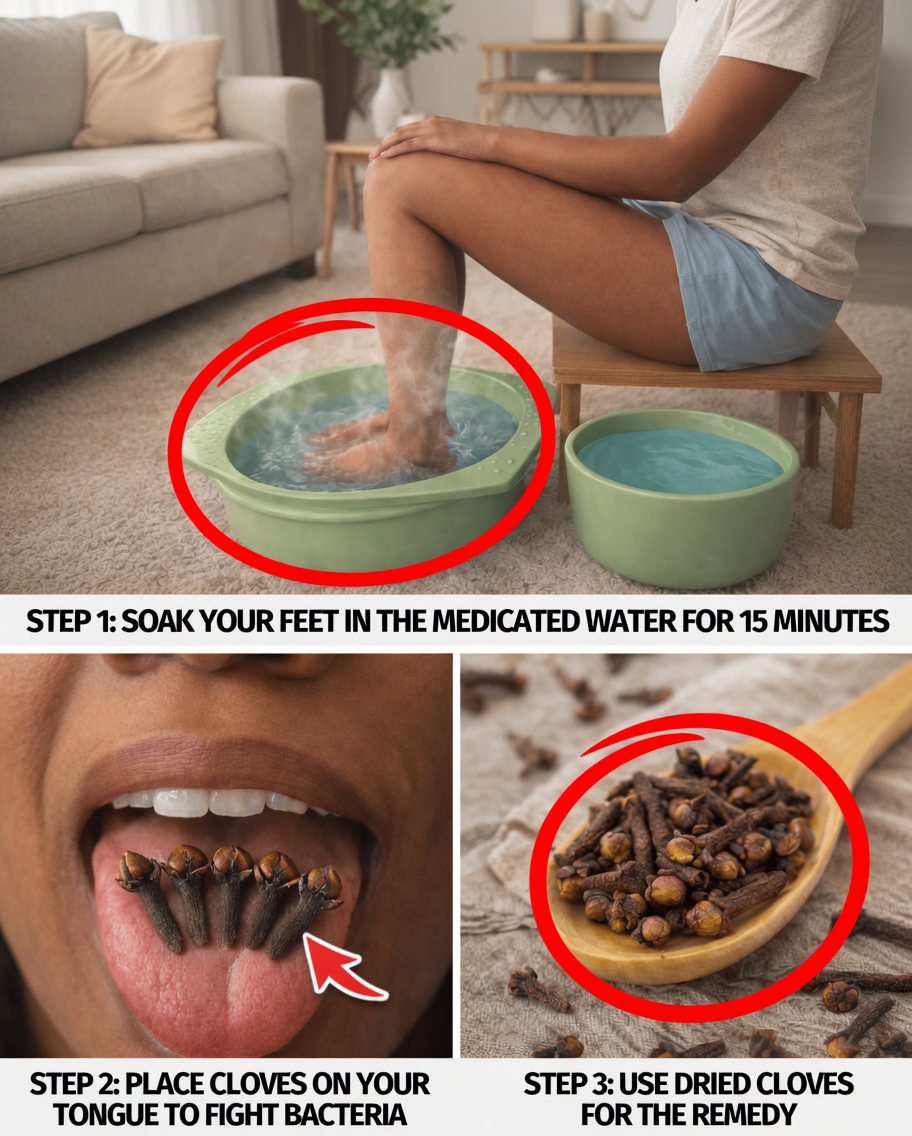
Common “Below-the-Belt” Challenges Many Women Experience
Over time—especially through the 30s, 40s, and beyond—or after major life events like childbirth, the vaginal environment may fluctuate. Factors such as:
- Hormonal shifts
- Stress and sleep disruption
- Hygiene routines and product use
- Daily sweating and friction from clothing
can contribute to temporary imbalance. Some women notice persistent odor despite regular cleansing, mild stinging, or irritation that comes and goes.
The CDC has reported that bacterial vaginosis (BV) is common and often recurs—even after standard treatment—leaving many feeling stuck in a loop of short-term fixes. This is why interest has grown around low-cost, gentle self-care options that may support balance without overly disrupting healthy flora. Early research into plant compounds suggests some may help discourage unwanted microbes while being less aggressive than broad-spectrum approaches.
Why Use Clove Water in a Sitz Bath?
Clove (Syzygium aromaticum) contains eugenol, a natural compound widely studied for its functional properties. When cloves are steeped in warm water and used in a sitz bath (a shallow soak that covers the hips and perineal area), the result is a mild, aromatic infusion that many women describe as soothing and “refreshing.”
This practice is often mentioned in traditional postpartum care and everyday comfort routines. It’s important to be clear: a clove sitz bath is not a medical treatment. However, laboratory studies have found that clove extracts can show activity against certain microbes—such as Candida albicans and Gardnerella vaginalis—in controlled settings. Some findings also suggest clove may be less disruptive to beneficial Lactobacillus than certain stronger interventions, which is a key reason it interests women focused on microbiome-friendly care.
Warm water itself may also help by:
- Encouraging circulation to the area
- Reducing the sensation of tightness or swelling
- Providing fast, calming relief through heat and relaxation
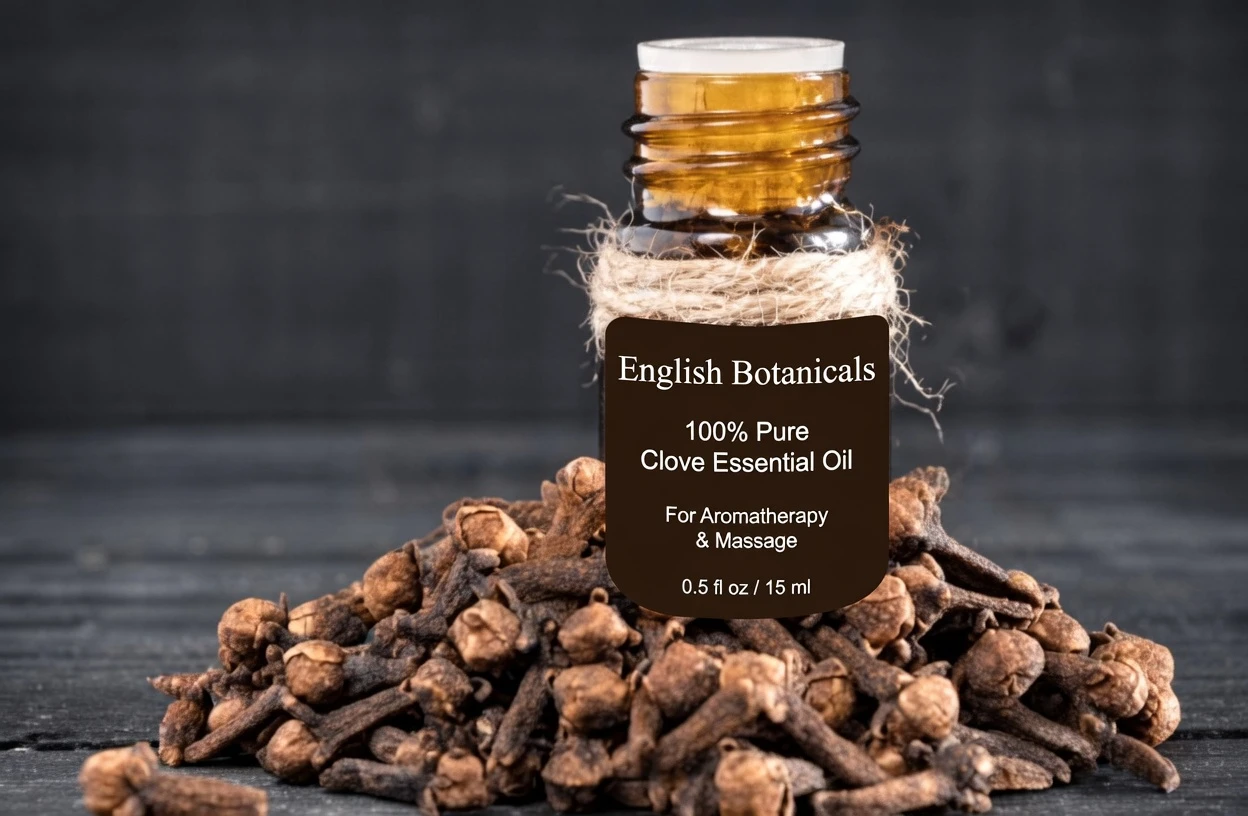
How a Clove Sitz Bath May Support Comfort
Based on traditional use and early research, women commonly use clove water sitz baths for supportive care in these areas:
- Microbial balance support: Some studies (including reports in publications such as Phytotherapy Research) indicate clove compounds may inhibit certain unwanted microbes while preserving much of the healthy ecosystem.
- Postpartum or perineal soothing: Sitz baths are frequently recommended for postpartum perineal comfort and for hemorrhoid relief. Warm water may ease swelling and tenderness; some add herbs like cloves for an extra soothing feel.
- Freshness and odor support: By supporting a more balanced environment, clove infusions may help promote a cleaner, more neutral feeling throughout the day.
- Itch and irritation calming: Many people report that the warm soak provides noticeable comfort quickly, sometimes within minutes.
Some user-reported experiences (not proven as medical outcomes) also include fewer flare-ups of yeast-like discomfort, reduced sensitivity near Bartholin’s gland areas, improved comfort after intimacy, and menstrual-time ease due to relaxation and improved pelvic circulation.
Quick Self-Check Before You Start
Take a moment to reflect:
- On a scale of 1–10, how comfortable do you feel today?
- What is the main symptom you’d like to reduce (itch, odor, irritation, dryness, etc.)?
- Are your symptoms mild and occasional, or persistent and worsening?
If symptoms are severe, painful, or accompanied by fever, unusual discharge, bleeding, or pelvic pain, professional medical evaluation is the safest next step.
A Simple 30-Day Clove Sitz Bath Routine (Step-by-Step)
What you’ll need
- 15–25 whole cloves
- 2 quarts (about 2 liters) of water
- A sitz bath basin, shallow tub, or clean wide basin
How to prepare the clove infusion
- Bring the water to a boil.
- Add the cloves and steep for 10–15 minutes (similar to brewing tea).
- Strain if you prefer.
- Let the water cool to about 100–104°F (38–40°C)—warm, not hot.
How to soak
- Pour the warm infusion into your basin/sitz bath.
- Sit and soak for 12–15 minutes.
- Relax—many people pair this with quiet breathing, soft music, or a calm routine.
Suggested schedule (30 days)
- Week 1: Every other day (track comfort and freshness)
- Week 2: 3 times per week (many notice odor concerns lessen)
- Week 3: 2–3 times per week (comfort and confidence may improve)
- Week 4: 1–2 times per week + as needed (maintenance)
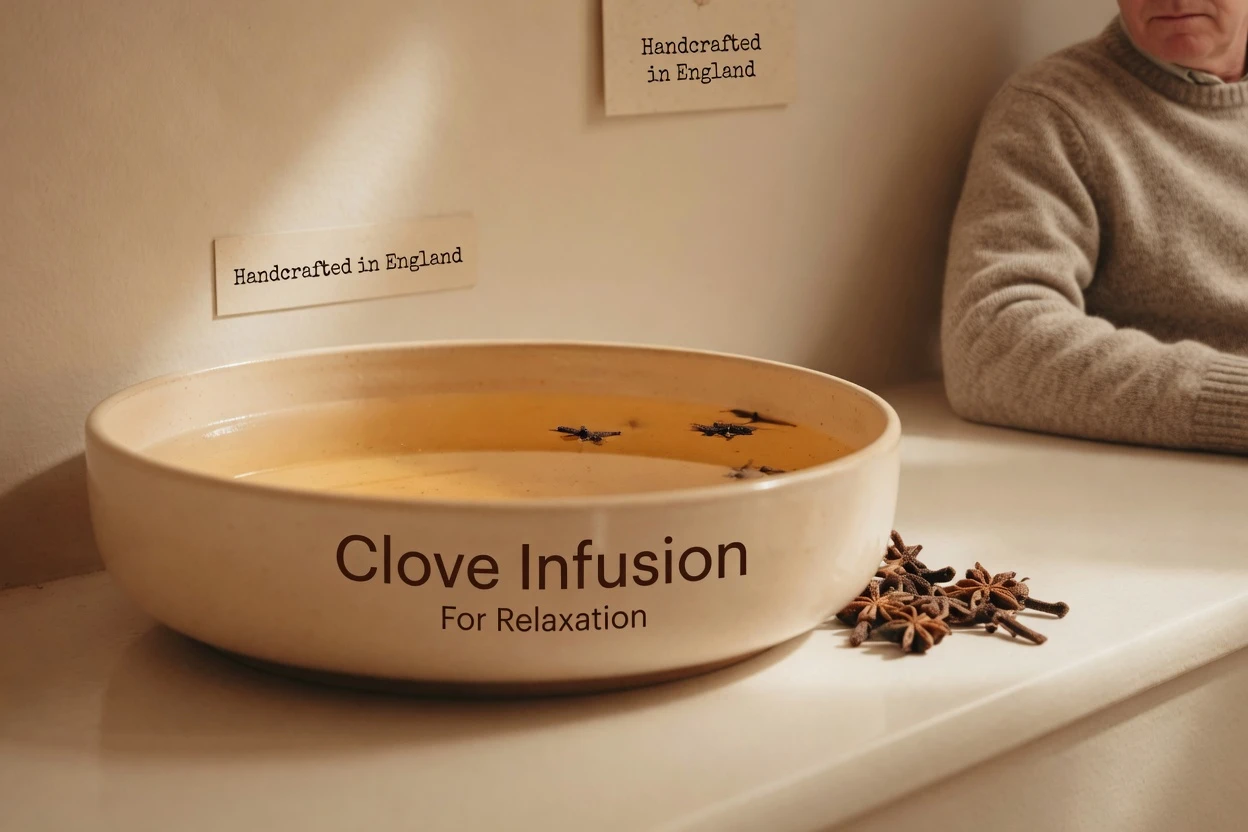
Clove Sitz Bath vs. Common Alternatives
A general comparison many women consider:
- Scented wipes: Convenient but often short-lived (around 2–4 hours); may disrupt balance; about $0.75 per use.
- Boric acid suppositories: Effects may last days for some, but can be irritating; around $1.20 per use.
- Tea tree products: Moderate duration; potential sensitivity reactions; often higher cost.
- Clove water sitz bath: Comfort can begin within minutes; may support 24–72 hours for some; very low cost; generally viewed as gentler on flora when used appropriately.
Practical Tips Many Users Swear By
- Reuse cloves up to 3 times (store the steeped cloves in the refrigerator between uses).
- Add 1 tablespoon of Epsom salt if you’re also seeking comfort for swelling or cramps.
- If your skin is sensitive, rinse with plain water afterward and pat dry gently.
- Postpartum, a peri bottle can help apply warm water gently and precisely.
What You Might Notice After 30 Days
Many women describe feeling more at ease—wearing clothes without overthinking, feeling fresher longer, and approaching intimacy with more confidence. Even when results are subtle, the ritual itself can be a low-cost way to add a few minutes of calm, body-friendly self-care.
Many also find it particularly refreshing during menstruation—using a dark towel can help minimize concerns about staining.
FAQ
How often can I do a clove sitz bath?
Many women begin with 2–3 sessions per week and adjust based on comfort. Stop if you feel burning, increased irritation, or worsening symptoms.
Is clove water safe during pregnancy or postpartum?
Warm sitz baths are commonly used postpartum, but you should consult your healthcare provider first, especially if you have stitches, swelling, signs of infection, or any active symptoms. During pregnancy, it’s also best to check with your provider before starting new remedies.
What if I don’t have a bathtub?
You can use a large, clean basin or a toilet sitz bath attachment designed for targeted soaking.
Disclaimer
This article is for informational purposes only and does not replace professional medical advice. Always consult a qualified healthcare provider before trying new remedies—especially if you are pregnant, postpartum, or experiencing ongoing symptoms. Individual results vary. This content is not intended to diagnose, treat, cure, or prevent any disease.