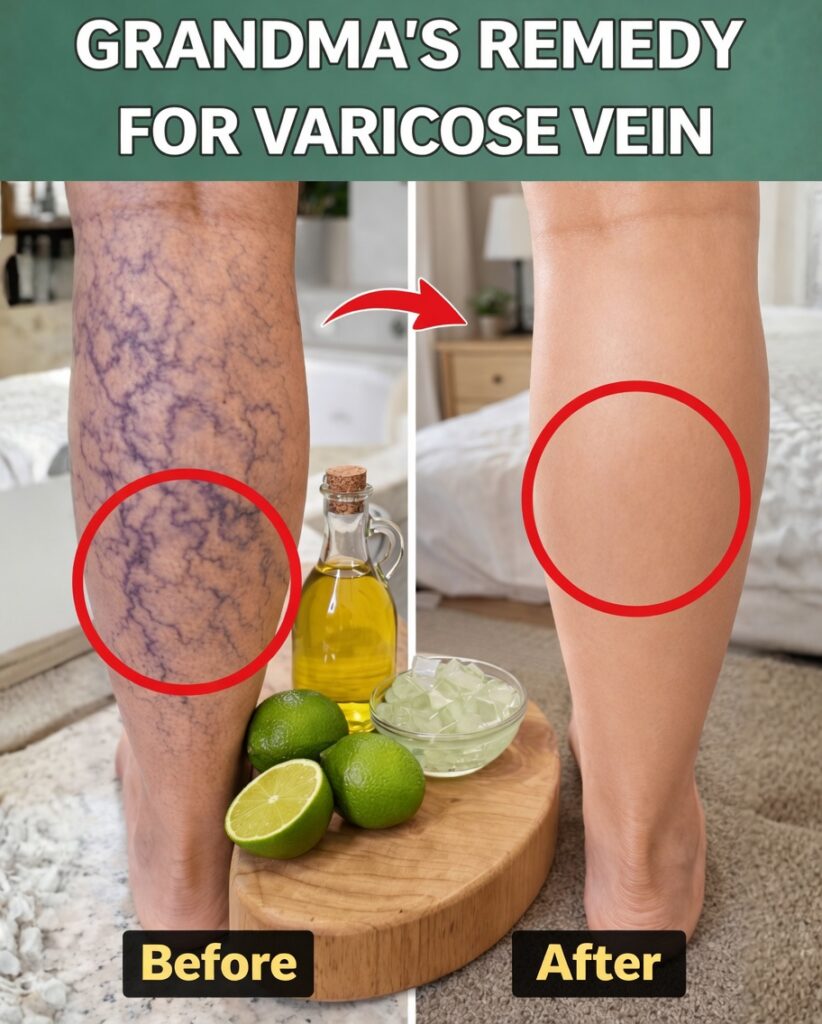
Varicose veins affect millions of people worldwide. Research commonly cited in the U.S. suggests roughly 23% of adults experience varicose veins, often alongside everyday symptoms such as aching, swelling, throbbing, or a heavy feeling in the legs—especially with age or long periods of standing. For many adults over 40, these enlarged, twisted veins are more than a cosmetic concern: they can make routine activities like walking, gardening, or spending time with grandchildren feel tiring and discouraging.
Alongside medical and lifestyle approaches, interest has grown in gentle, at-home routines using familiar ingredients. One popular “kitchen trio” includes aloe vera, apple cider vinegar (ACV), and lemon. Below is why this combination appears in traditional home practices, and what limited evidence suggests about its possible role in supporting comfort (not “curing” veins).
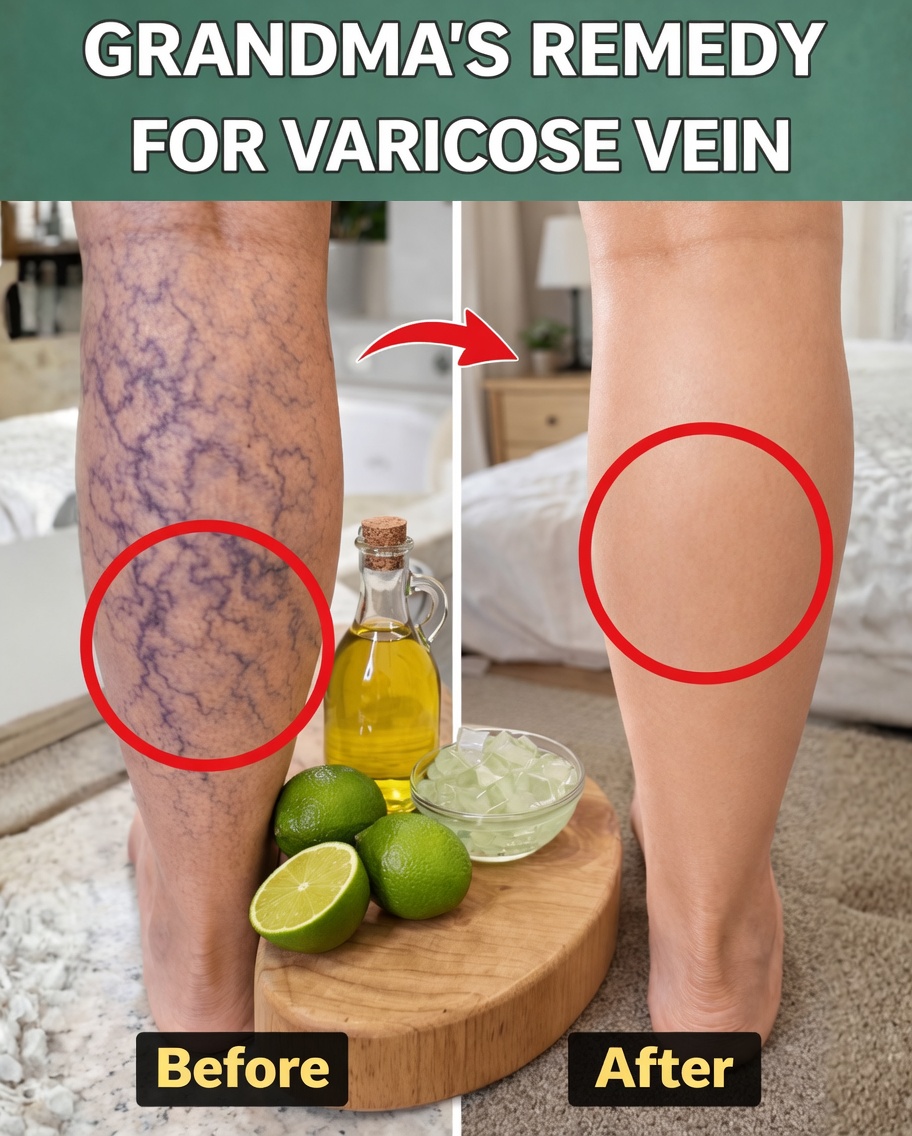
How Varicose Veins Can Affect Daily Life
Varicose veins typically form when vein valves weaken, allowing blood to pool rather than move efficiently back toward the heart. Over time, the veins can stretch and bulge, becoming more visible. Many people also notice:
- End-of-day leg fatigue
- Itching or mild skin irritation
- Swelling around the lower legs or ankles
- A persistent feeling of heaviness after standing or sitting too long
Women report varicose veins more often than men, and rates generally increase with age, with some sources noting higher prevalence in adults over 50.
Common symptom-management strategies include compression stockings, leg elevation, and regular movement. For some people, natural, pantry-based ingredients are used as an additional layer of daily support—most often as a topical blend, sometimes as a diluted drink.
Why Aloe Vera, ACV, and Lemon Get So Much Attention
This trio is popular largely because each ingredient has a reputation—traditional and, in limited cases, research-supported—for supporting skin comfort or wellness routines.
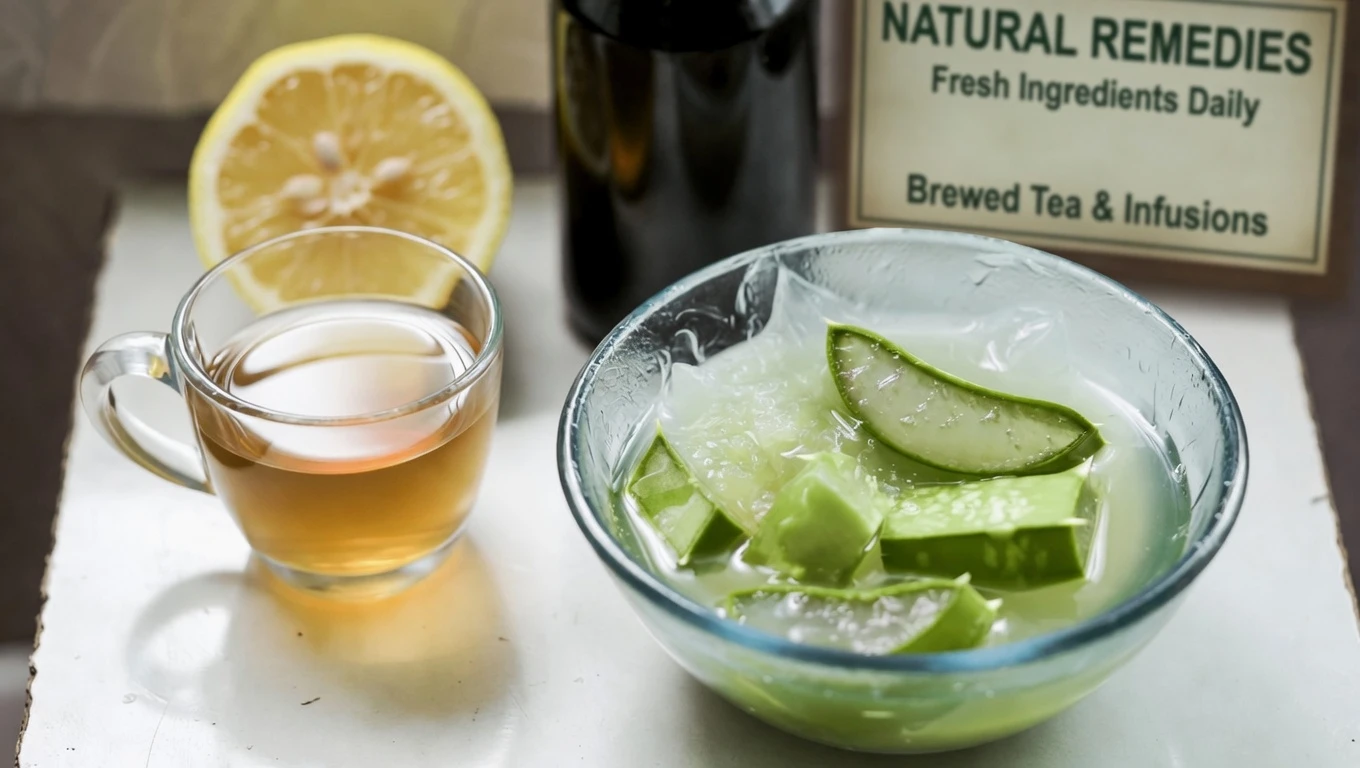
Aloe vera: cooling, soothing skin support
Aloe vera gel contains plant compounds that have been studied for skin-soothing effects. Ethnopharmacology reviews frequently mention aloe’s traditional topical use for calming minor irritation and supporting a more comfortable skin feel.
Apple cider vinegar (ACV): explored for symptom relief in conservative care
ACV contains acetic acid and is often used externally in home routines. Some small studies have explored its role alongside conservative management. In one randomized trial involving people with varicosity symptoms, external application combined with conservative care was associated with greater reductions in complaints such as pain, cramps, and swelling compared with conservative care alone. Evidence is still limited, but it helps explain why ACV remains a common choice.
Lemon: vitamin C for collagen and vessel support
Lemon contributes vitamin C, a nutrient essential for collagen formation. Collagen is important for maintaining the structure of tissues, including components that support blood vessel walls. Nutritional research commonly highlights vitamin C’s role in connective tissue health.
What this blend may (and may not) do
People generally use aloe, ACV, and lemon for comfort and skin feel, not for reversing vein structure. The available evidence and real-world experiences tend to point toward symptom support, such as easing the sensation of heaviness or refreshing tired legs.
Potential Benefits People Commonly Report
Individual experiences vary, but users often describe small, gradual improvements in comfort over time, especially when combined with movement and leg elevation. Commonly mentioned effects include:
- Calming minor dryness or irritation: Aloe’s moisturizing feel may reduce discomfort around the affected area.
- Better end-of-day comfort: In limited research, external ACV use has been associated with less pain, cramping, or swelling when paired with conservative approaches.
- A refreshing routine: Lemon’s antioxidants and the cooling sensation of aloe can feel revitalizing.
- Supportive wellness exposure: All three ingredients contain compounds people associate with overall self-care habits.
Anecdotes often describe changes like “less heaviness in the evening after a few weeks,” but results depend on factors such as severity, daily activity, genetics, and consistency.
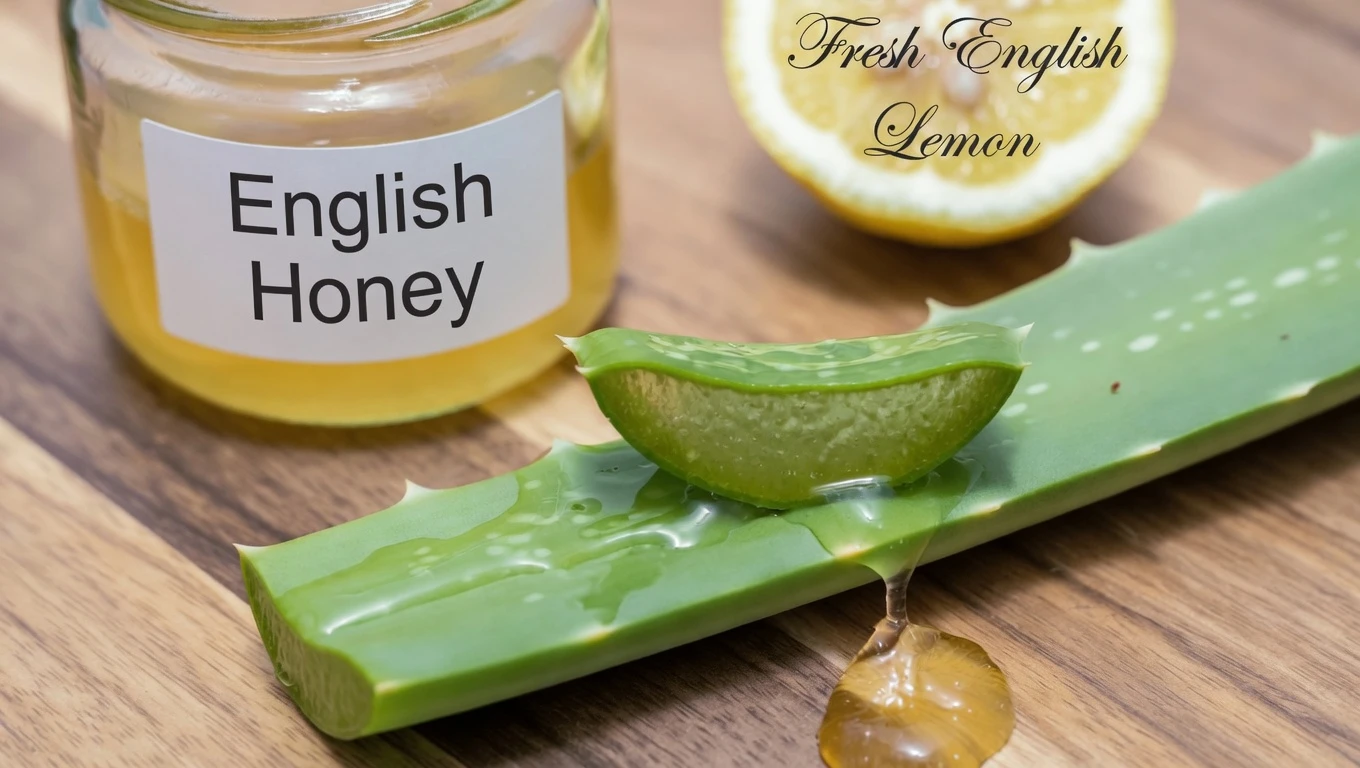
Simple, Safer Ways to Try It at Home
If you’d like to experiment with this routine, start gently and focus on consistency rather than intensity.
1) Topical aloe + ACV + lemon blend
How to use:
- Scoop fresh aloe gel from a leaf (or use a pure, additive-free product).
- Mix with:
- 1 tablespoon ACV
- Juice from 1/2 a lemon
- Apply to clean skin using light upward strokes (toward the heart).
- Leave on for 20–30 minutes, then rinse.
- Use 1–2 times daily if your skin tolerates it.
Optional tip: Chill the mixture for a more cooling sensation.
2) Diluted morning tonic (internal use)
If you choose internal use, dilution is essential.
How to prepare:
- Mix in 8 oz (about 240 ml) water:
- 2 tablespoons aloe vera juice
- 1–2 teaspoons ACV
- Juice from 1/2 a lemon
- Add a small amount of honey if needed for taste.
- Sip slowly.
Important: Always dilute well to reduce the risk of tooth enamel irritation and stomach discomfort.
Safety notes before you begin
- Do a patch test before applying topical blends widely.
- If ACV stings or dries your skin, dilute it further or reduce frequency.
- Stop use if you notice redness, burning, rash, or worsening discomfort.
Extra Habits That Often Help More Than Any Single Remedy
To support leg comfort, many people pair topical routines with practical circulation-friendly habits:
- Elevate legs for 15 minutes daily
- Add gentle movement (walking, calf raises, ankle circles)
- Stay hydrated
- Eat foods rich in plant compounds often associated with vascular wellness (for example, berries and other colorful produce)
Quick Comparison: Popular Symptom-Support Options
| Approach | Ease of Use | Cost | Main Focus |
|---|---|---|---|
| Compression stockings | Medium | Medium | Daily support, swelling management |
| Over-the-counter topical creams | High | Low–Medium | Temporary skin comfort |
| Lifestyle changes (movement, elevation) | High | Free | Long-term circulation support |
| Aloe + ACV + lemon blend | High | Low | Gentle, natural soothing routine |
This shows where “kitchen staples” may fit: as an add-on to proven daily habits rather than a replacement.
When People Often Notice Changes (If Any)
Many users describe a gradual timeline:
- Week 1: Cooling sensation and a lighter feel after topical use
- Weeks 2–4: Possible improvement in end-of-day heaviness with consistent routine
- After 1 month: More stable comfort, especially when combined with walking and elevation
A simple way to stay objective: rate your leg comfort weekly on a 1–10 scale and look for patterns.
Conclusion: A Gentle Addition, Not a Standalone Solution
A blend of aloe vera, apple cider vinegar, and lemon is a low-cost, accessible routine many people try for day-to-day vein comfort. While it is not a medical treatment and is unlikely to change vein structure, the ingredients are associated with skin soothing and general wellness support—making the ritual itself a form of mindful self-care.
If you try it, start small, patch test, and pay attention to how your body responds.
Frequently Asked Questions
Can I use this blend every day?
Many people use it daily when it’s properly diluted and patch-tested. Reduce frequency if you notice dryness or irritation.
Is it suitable for sensitive skin?
Sensitive skin may react to ACV or citrus. Use more dilution, test a small area first, and discontinue if redness or burning occurs.
How does this compare with medical options?
This approach is aimed at comfort and symptom support, while medical procedures address underlying vein problems. A clinician can help you combine strategies safely, especially if symptoms are significant.
Medical disclaimer
This article is for informational purposes only and does not provide medical advice. Consult a qualified healthcare professional before trying new remedies—especially if you have underlying conditions, are pregnant, or take medications.