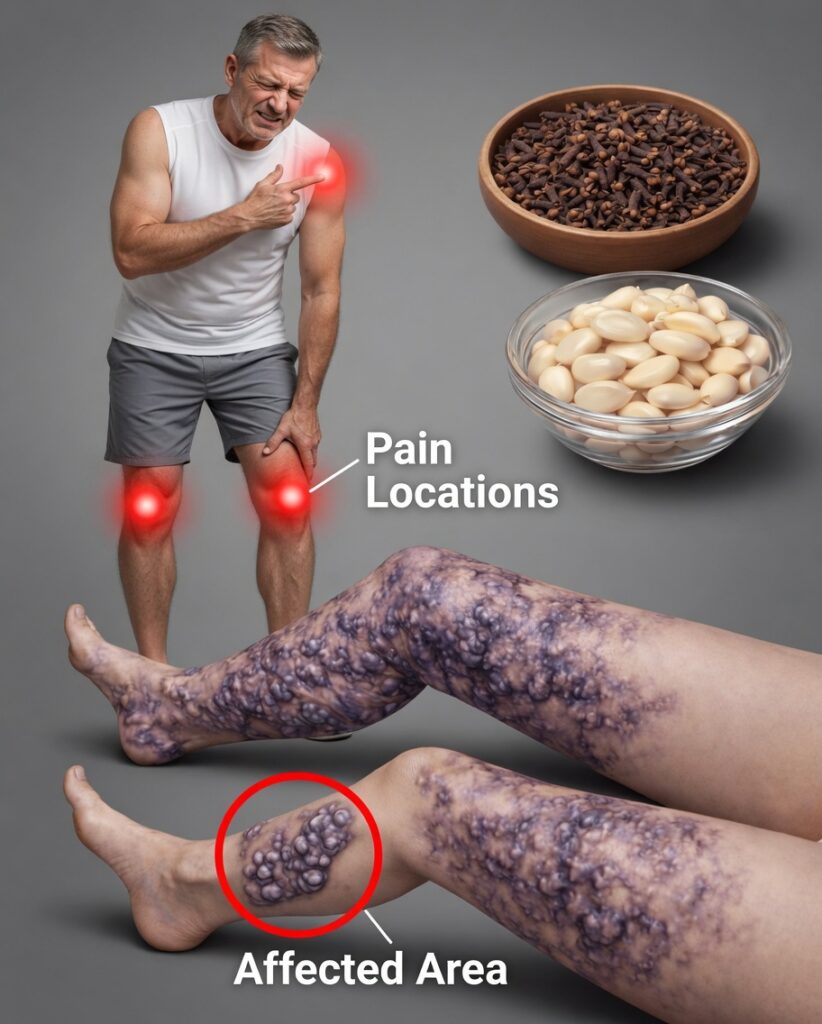
Picture a mom who used to move with ease—now slowing down on stairs because her knees or hips keep acting up. Simple routines like walking to the mailbox or standing up from a chair can turn into stressful, discouraging moments. You may recognize the pattern: stiff mornings, reduced range of motion by evening, and a quiet fear that this is simply “normal” with age. While many over-the-counter products can help temporarily, results often fade quickly, pushing people to look for gentler, everyday options.
One traditional idea gaining renewed interest is a simple homemade infused oil made with garlic and cloves. Used topically, this blend is known for its warming feel and its potential to support localized comfort as part of a broader self-care routine. Below is what makes this pairing stand out, how it’s used, and how to do it safely.

The Everyday Reality of Joint Discomfort After 45
For many adults in midlife and beyond, joint discomfort is tied to common processes such as:
- Gradual wear and tear associated with osteoarthritis
- Ongoing, low-grade inflammation
- Changes in cartilage and joint support structures
These factors often show up as:
- Morning stiffness that makes getting started difficult
- Swelling that worsens throughout the day
- Deep aching that can interfere with sleep
Over time, constant discomfort can contribute to fatigue, mood changes, and worries about independence. It’s no surprise that people explore different remedies—yet some options cause side effects, and others lose effectiveness with repeated use.
That’s where infused oils come in: they’re simple to make, easy to apply, and based on plant compounds that have been studied for their relationship to inflammation and sensitivity pathways.
Why Garlic and Cloves Work Well Together
Garlic and cloves each bring distinct plant chemistry that has made them popular in traditional comfort routines.
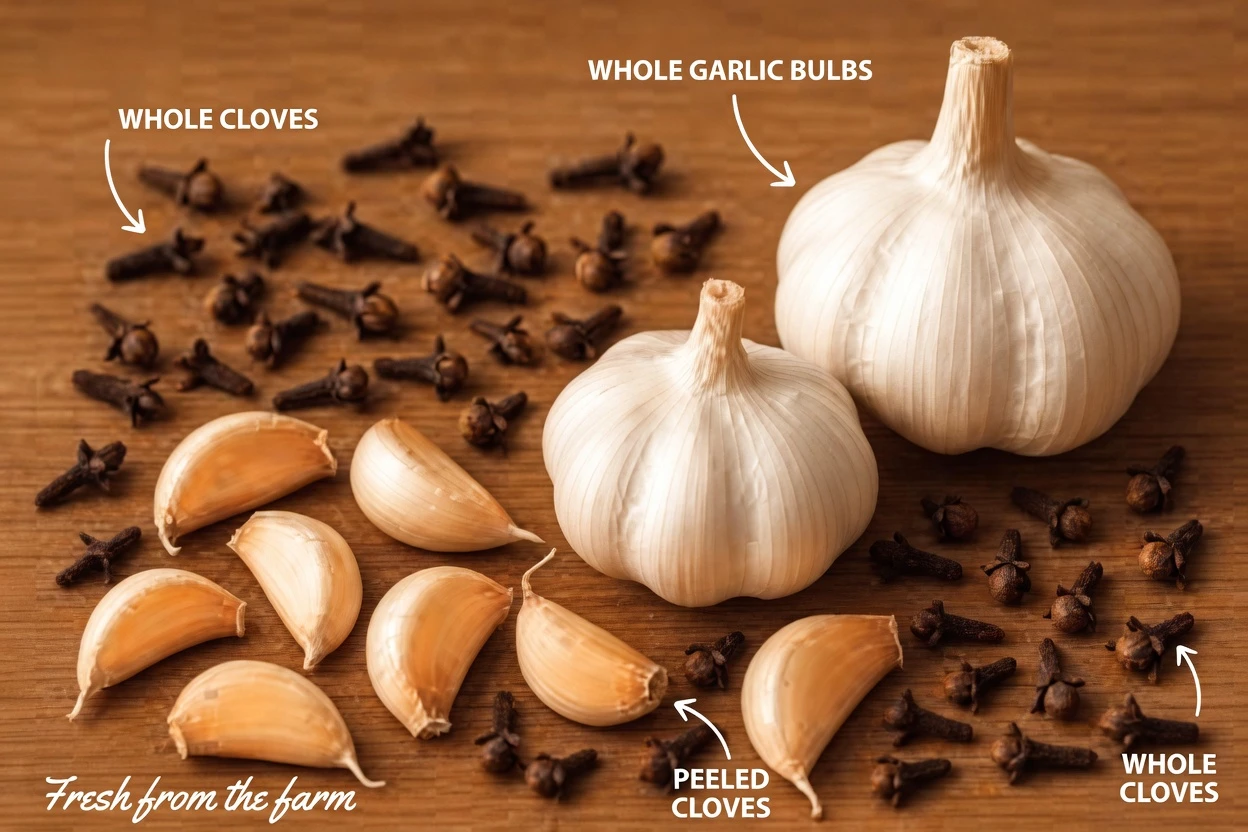
- Garlic releases allicin when crushed. This sulfur-containing compound (formed from alliin) is responsible for garlic’s strong smell and much of its scientific interest.
- Cloves contain eugenol, the compound behind their warm, spicy aroma and their long history of use in soothing applications.
When infused into a carrier oil—such as olive oil or coconut oil—the result is a topical blend that many people describe as gently warming during massage. Research has explored garlic-related compounds for their possible role in moderating inflammatory signaling, while eugenol has been studied for effects linked to discomfort and swelling responses in different models.
Key Compounds and Their Potential Topical Roles
-
Garlic (allicin + sulfur compounds)
Potentially supports the body’s inflammatory response and may encourage circulation-related effects. -
Clove (eugenol)
Commonly associated with analgesic-like, soothing actions and influence on certain inflammation mediators.
This combination is especially interesting because it merges traditional use with emerging research themes—even though more human studies (particularly on topical use) are still needed.
Potential Benefits People Associate With Garlic & Clove Oil
Evidence varies by study design and use method, but these are the main reasons people consider this blend.
1) Garlic’s comfort-supporting reputation
Some research on garlic (often taken orally) in people with knee osteoarthritis has reported improvements in pain-related scores and changes in inflammatory markers (such as TNF-α) after consistent use. Topical garlic preparations are also discussed by organizations and educational sources in the context of traditional anti-inflammatory routines, although topical outcomes are less consistently studied.
2) Clove’s localized soothing effect
Eugenol has been examined for analgesic and anti-inflammatory actions, including interactions with pathways involved in pain signaling and swelling in experimental settings. Topical clove use is widely known for targeted applications, where users often describe a brief tingling sensation followed by calmer, more settled feeling in the area.
3) Warming sensation and circulation support
A gentle massage with warm oil can be helpful for stiffness on its own. Many users feel the garlic-and-clove blend spreads warmth across the joint area, which may support comfort and mobility during daily movement. Both garlic and clove are also discussed in the context of circulation-related effects—another reason the blend is often used with massage.
4) Antioxidant support for long-term tissue resilience
Oxidative stress can affect tissues over time, including structures around joints. Both garlic and cloves contain antioxidant-related compounds studied for their potential protective roles in various models. While this doesn’t guarantee a specific outcome, it’s one reason people view the blend as supportive beyond just “instant relief.”
5) A gentle addition to mobility routines
People who use similar infused oils often report gradual improvement in day-to-day ease—such as less hesitation in the morning or smoother movement after sitting. Results differ widely, but the blend can be an accessible add-on to supportive habits like walking, stretching, heat therapy, and weight management.

Quick Comparison: Garlic vs. Clove in This Blend
-
Garlic
- Key compounds: allicin, sulfur compounds
- Often associated with: inflammation-support pathways, circulation-related effects
- Research notes: some studies show improved pain markers (mostly oral use research)
-
Clove
- Key compound: eugenol
- Often associated with: localized soothing, numbing-like effects, anti-swelling activity
- Research notes: studied for pain-pathway interactions and traditional topical applications
Together, they’re commonly used for a balance of warming + targeted soothing.
How to Make Garlic & Clove Infused Oil (Safe, Simple Method)
This recipe uses typical kitchen ingredients. Keep everything clean and avoid overheating.
Ingredients
- 5–6 fresh garlic cloves, peeled and crushed
- 1–2 teaspoons cloves (whole or ground)
- 1/2 cup olive oil or coconut oil (carrier oil)
Step-by-step instructions
- Combine crushed garlic, cloves, and carrier oil in a small pan.
- Warm gently on low heat for 10–15 minutes.
- Do not let it smoke or simmer aggressively—high heat may reduce beneficial compounds.
- Cool slightly, then strain through a fine mesh strainer or cheesecloth.
- Pour into a clean glass jar with a lid.
- Store properly in a cool, dark place and use within 1–2 weeks for freshness (refrigeration can extend storage).
How to Apply for Best Results
- Warm a small amount by rubbing it between your palms.
- Massage into the affected area gently for 5–10 minutes.
- Many prefer applying after a warm shower or heating pad session.
- Use 1–2 times daily, adjusting based on skin tolerance.
Safety Guidelines You Should Not Skip
- Patch test first: apply a small amount to the inner forearm and wait 24 hours.
- Use only on intact skin; avoid cuts, rashes, and irritated areas.
- Keep away from eyes and mucous membranes.
- Stop use if you develop redness, itching, burning, or swelling.
- Expect a strong scent at first; it usually fades after absorption.
- Use older towels/clothing if needed, as oils may stain.
If you use blood thinners, have a bleeding disorder, are pregnant, or manage chronic conditions, it’s wise to check with a healthcare professional before adding new topical routines—even if the overall risk is typically low.
Reclaim Small Daily Wins—One Gentle Ritual at a Time
A garlic and clove infused oil won’t erase joint conditions overnight, but for many people it can become a comforting, low-cost ritual—supporting easier movement, less stiffness, and calmer evenings over time. The real value is consistency: gentle massage, mindful observation, and pairing it with healthy mobility habits.
Optional variation
Some people add one drop of peppermint essential oil (properly diluted) for a cooling-warming contrast. If you try this, patch test even more carefully—essential oils can irritate sensitive skin.
Frequently Asked Questions
How long does it take to notice results?
Some people report subtle improvements after a few weeks of consistent use, though outcomes depend on the cause of discomfort, lifestyle factors, and individual skin and tissue response.
Is garlic and clove oil safe for all skin types?
It’s often tolerated when properly diluted in a carrier oil, but sensitive skin can react, especially to garlic. A patch test is essential, and discontinuation is recommended if irritation appears.