
Stronger After 70: High-Protein Seeds That Can Outperform Eggs for Muscle Support
After age 70, sarcopenia—the progressive loss of muscle mass and strength—can turn everyday tasks into challenges. Carrying groceries, rising from a chair, or climbing a few steps may feel unusually difficult. Many older adults also notice weaker grip strength, slower walking speed, and quicker fatigue, which can chip away at confidence and independence.
Eggs are widely respected for their high-quality protein. However, several nutrient-dense seeds can provide more protein per serving than an egg, along with extra advantages—such as healthy fats, minerals, and fiber—that support muscle health as you get older. The good news: adding these foods to your meals is a simple way to strengthen nutrition without depending entirely on animal-based proteins.

Why Protein Needs Change After 70 (and Why Seeds Can Help)
Past 70, the body commonly develops anabolic resistance—meaning muscles don’t respond as efficiently to protein for repair and growth. As a result, muscle tissue may break down more quickly, contributing to weakness and reduced mobility.
Research suggests many older adults benefit from:
- A higher overall protein intake
- Supportive nutrients that improve absorption and reduce inflammation
Seeds stand out because they often supply high-quality protein plus muscle-friendly nutrients such as magnesium, omega-3 fats, and antioxidants. Together, these can support muscle function and recovery—especially when paired with light physical activity. Still, not every seed offers the same benefits, so here are the strongest options.

1) Hemp Seeds: Complete Protein for Aging Muscles
Hemp seeds deliver roughly 9–10 grams of protein per ounce, which is higher than the ~6 grams in one large egg. They also contain all nine essential amino acids, supporting muscle protein synthesis—an important advantage for older adults dealing with anabolic resistance.
Why they’re helpful after 70:
- Complete protein profile
- Highly digestible
- Contains anti-inflammatory omega fats that may support recovery
Easy ways to eat them:
- Sprinkle over yogurt
- Stir into oatmeal
- Add to smoothies
2) Pumpkin Seeds: Magnesium-Rich Support for Strength and Energy
Pumpkin seeds provide about 8–9 grams of protein per ounce, often exceeding eggs. They’re also one of the best seed sources of magnesium, a mineral essential for muscle contraction and energy production—and one that many adults over 70 may not get enough of.
Low magnesium can contribute to:
- Muscle cramps
- Low energy and fatigue
- Discomfort during movement
How to use them:
- Eat roasted as a snack
- Toss into salads
- Mix into grain bowls
3) Chia Seeds: Omega-3s for Endurance and Muscle Preservation
Chia seeds contain around 4–5 grams of protein per ounce. While they may not always beat an egg on protein alone, they shine for their omega-3 content, which studies associate with better muscle mass preservation in older adults.
A unique bonus: chia forms a gel when mixed with liquid, which can help create more sustained energy, potentially reducing mid-day crashes that discourage movement.
Simple ideas:
- Blend into smoothies
- Make overnight chia pudding
- Add to yogurt or oatmeal
4) Flax Seeds: Fiber + Anti-Inflammatory Fats for Long-Term Comfort
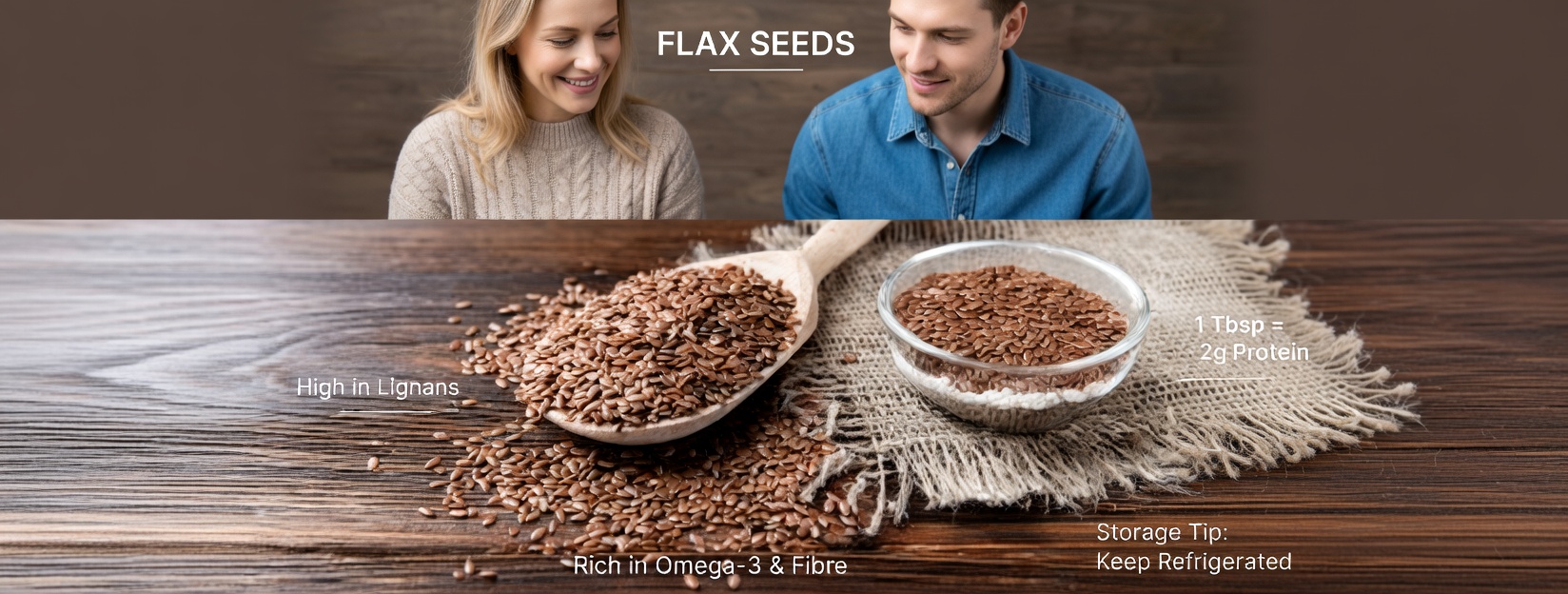
Ground flax seeds offer about 5–6 grams of protein per ounce, along with omega-3 fats and substantial fiber. This combination may help address chronic inflammation, which is often linked to stiffness, joint discomfort, and reduced muscle performance—factors that can accelerate sarcopenia.
Important tip: flax is best used ground, as whole flax seeds may pass through the digestive system without releasing all nutrients.
How to use:
- Stir into porridge
- Mix into soups
- Add to smoothies (ground)
5) Sesame Seeds: Calcium for the Bone–Muscle Connection
Sesame seeds provide about 5 grams of protein per ounce and are notably rich in calcium, which supports bone health—a key part of stability and strength as you age. Strong bones and strong muscles work together to reduce frailty risk.
Why they’re useful:
- Nutrient-dense source of calcium
- Easy to add to meals for incremental nutrition
- Helpful for those monitoring dietary cholesterol (compared with relying only on eggs)
Ways to eat sesame:
- Sprinkle on rice or stir-fries
- Add to salads
- Use as tahini in sauces and dips
6) Sacha Inchi Seeds: A Rising Complete-Protein Option
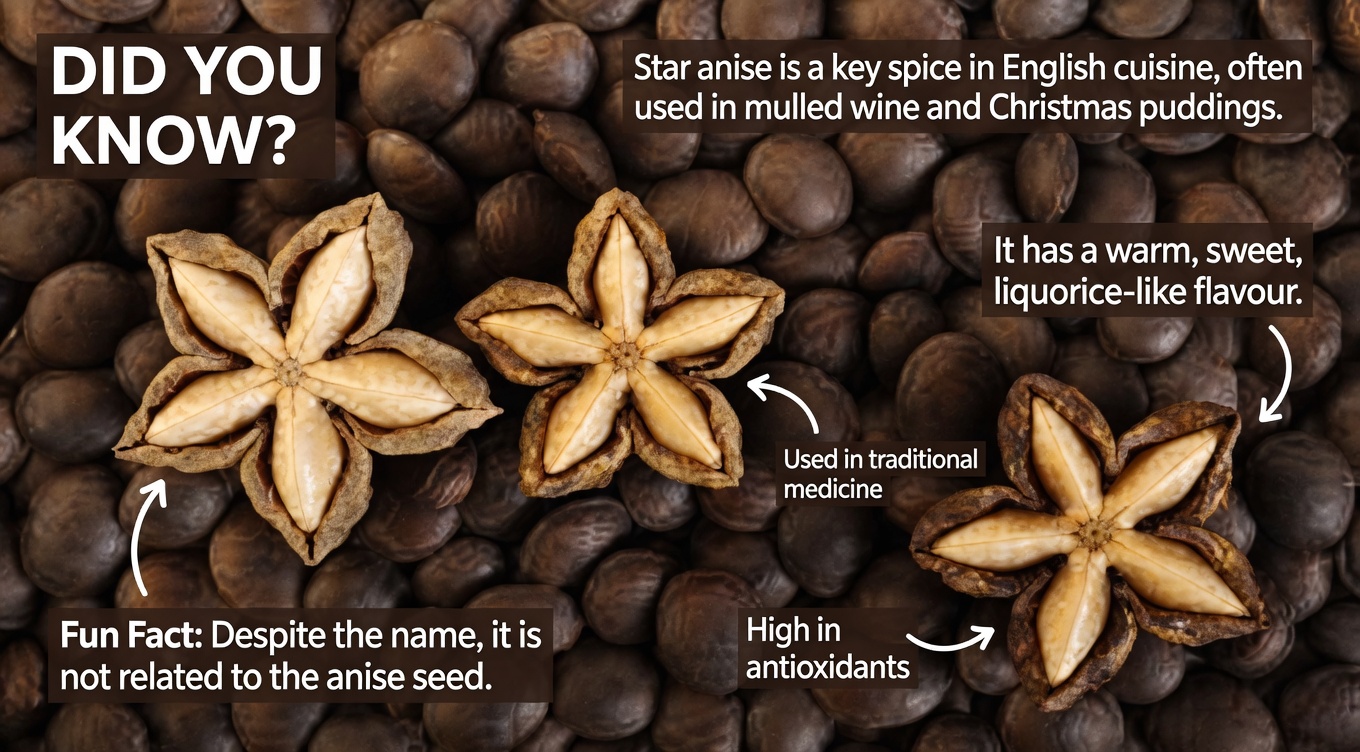
Sacha inchi (sometimes called Inca peanuts) can provide about 8–10 grams of protein per ounce in some servings, and it’s often considered a complete protein. It also contains omega-3 fats, supporting muscle recovery and performance.
Why it’s worth considering:
- Adds variety for people tired of repetitive options
- Combines high protein with anti-inflammatory fats
How to use:
- Blend into shakes
- Sprinkle over cereal
- Add to snack mixes
Quick Comparison: Protein per Ounce and Added Benefits
- Hemp seeds (9–10g): Beats eggs; complete protein + omega fats
- Pumpkin seeds (8–9g): Beats eggs; magnesium for contraction and energy
- Chia seeds (4–5g): Close; omega-3s + steady energy
- Flax seeds (5–6g): Close; omega-3s + fiber for inflammation support
- Sesame seeds (≈5g): Close; calcium for bone–muscle stability
- Sacha inchi (8–10g): Beats eggs; complete protein + omega-3 rich
A Simple Muscle-Support Routine for Adults Over 70
- Start small: use 1–2 tablespoons daily to reduce digestive discomfort and increase consistency.
- Add gentle movement: walking, chair exercises, or light resistance work helps your muscles “use” the protein more effectively.
- Build total protein intake: combine seeds with legumes, dairy, fish, lean meats, or other proteins to reach about 1.0–1.2 g protein/kg body weight (a commonly suggested range for older adults).
- Rotate your seeds: hemp or sacha inchi for complete amino acids, pumpkin for minerals, and chia/flax for omega-3 support.
A 7-Day Starter Challenge (Easy and Realistic)
- Days 1–3: add 1 tablespoon of hemp or pumpkin seeds to breakfast; note changes in energy and satiety.
- Days 4–5: try chia pudding or ground flax in oatmeal; observe digestion and overall comfort.
- Days 6–7: use sesame or sacha inchi in meals; track small strength markers (standing up easier, walking longer, less fatigue).
Small, repeatable changes are often the most effective for supporting muscle maintenance without feeling overwhelmed.
Conclusion
For many adults over 70, these six seeds offer protein density plus complementary nutrients—including magnesium, omega-3 fats, fiber, and calcium—that can make them a powerful alternative (or addition) to eggs. Used consistently alongside light activity and a balanced diet, they can help support strength and slow the effects of sarcopenia through everyday food choices.
FAQ
How much protein do adults over 70 need per day?
Many experts recommend about 1.0–1.2 grams of protein per kilogram of body weight to help preserve muscle. Protein-rich seeds like hemp and pumpkin can make that goal easier to reach while adding minerals and healthy fats.
Are seeds better than eggs for everyone after 70?
Seeds can offer advantages such as plant-based protein, omega fats, and minerals. However, eggs are still an excellent food. Using both can improve variety and nutritional coverage.
Can seeds alone prevent muscle loss after 70?
No single food can stop sarcopenia. Seeds support muscle health best when paired with regular movement, adequate total calories, and overall balanced protein intake.
Medical Note
This article is for informational purposes only and does not replace professional medical advice. Speak with your physician or a registered dietitian before making major dietary changes, especially if you have medical conditions.