Brittle, Peeling, or Splitting Nails: Why It Happens and What You Can Do
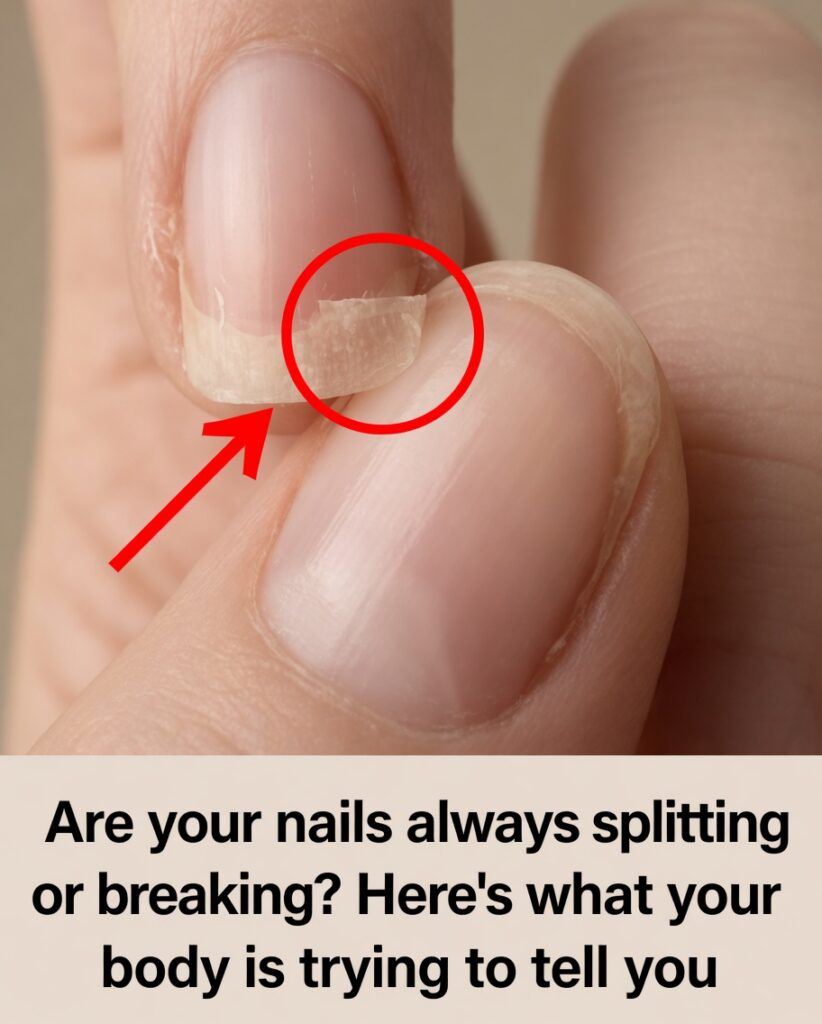
Brittle nails—whether they peel, crack, or split—affect up to 1 in 5 people, and they’re reported more often in women over 50. For some, the pattern looks like onychoshizia (layered splitting). Everyday moments—buttoning a shirt, washing dishes, typing, or opening packaging—can turn into constant annoyances when nails break, snag, or sting.
Many people reach for quick solutions like nail hardeners, only to find the results don’t last. The more helpful approach is usually to look deeper: daily routines, environmental exposure, and nutrition often play a bigger role than most realize. With small, consistent changes, nail strength and comfort can improve over time.
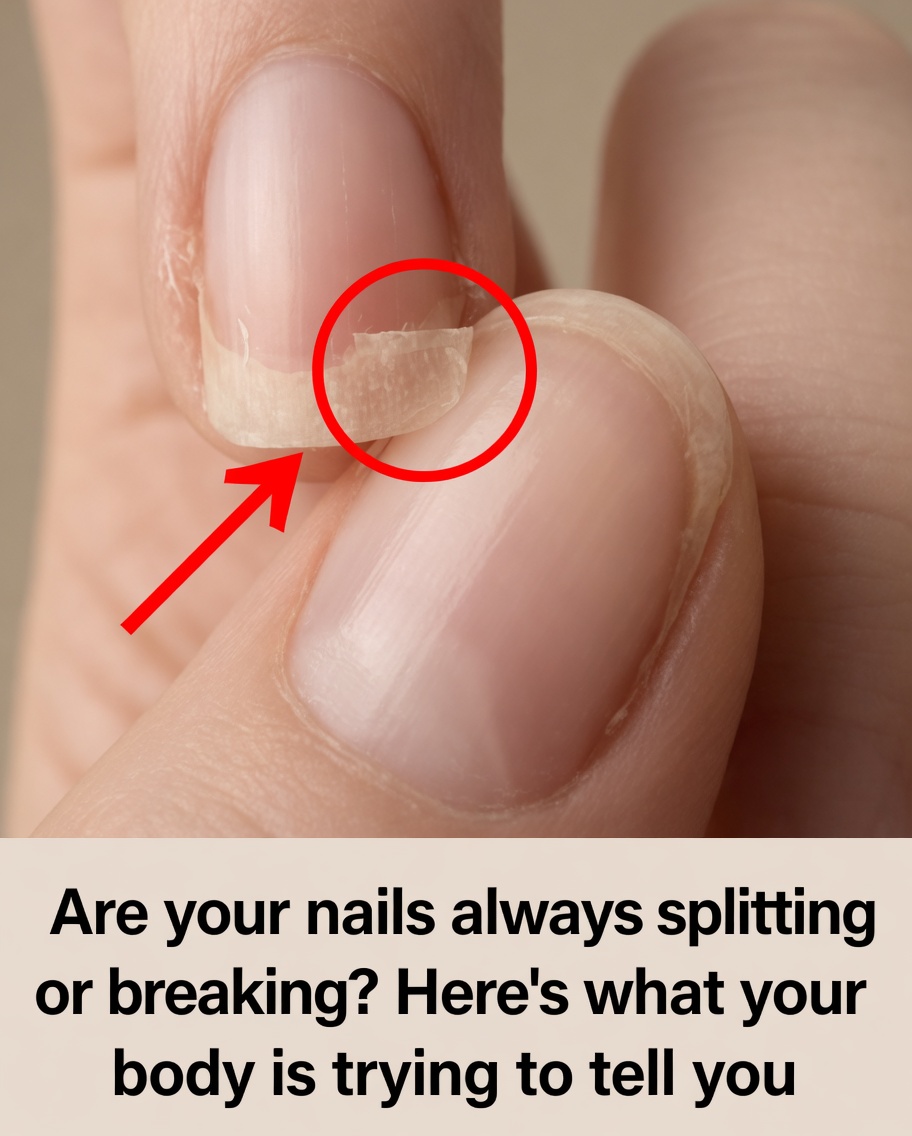
A Different Perspective: Could Your Nails Be Giving You Helpful Clues?
Instead of viewing brittle nails as “just cosmetic,” consider them gentle signals that something might be worth adjusting—whether it’s hydration, diet quality, or repeated exposure to drying chemicals. Below are 10 less-talked-about contributors, supported by medical reviews and research insights, along with practical steps you can start today.
Why Brittle Nails Feel So Disruptive in Daily Life
As adults move past their mid-30s and 40s, nails may gradually shift from flexible and strong to drier and more fragile. Dermatology reviews and surveys frequently cite ~20% prevalence of brittle nails, with increased rates in older adults and women.
The frustration goes beyond appearance: repeated splitting can expose more sensitive layers, causing tenderness, stinging, or small tears that heal slowly. Over-the-counter fixes often treat the surface, but if the underlying contributors remain, the brittleness commonly returns. Knowing the likely causes helps you choose strategies that actually support long-term nail health.
10 Common (but Often Overlooked) Causes of Brittle Nails
1) Low Biotin Intake (Vitamin B7) and Weaker Nail Structure
Biotin supports processes related to keratin, the primary protein that forms the nail plate. Research—including a study often referenced from Switzerland—found that biotin supplementation increased nail thickness by around 25% in some individuals with brittle nails.
A practical approach is to increase biotin-rich foods such as:
- Eggs
- Almonds and other nuts
- Seeds
- Spinach and other leafy greens
Self-check: Do you regularly eat eggs, nuts, seeds, or greens? If not, boosting them may help.
2) Low Iron Levels and Reduced Oxygen Support
Iron is essential for carrying oxygen throughout the body, including to the nail-forming area (the nail matrix). When iron is low, some people notice thin, fragile nails, and in certain cases spoon-shaped nails (koilonychia).
Helpful dietary sources include:
- Lean red meat
- Lentils and beans
- Spinach
For better absorption, pair plant-based iron with vitamin C sources (like citrus or bell peppers).
Look for related signs: fatigue, paler nail beds, or reduced stamina can sometimes occur alongside low iron.
3) Not Enough Protein to Build Keratin
Because nails are largely made of keratin, consistent protein intake helps maintain resilience. Diets that are persistently low in protein may contribute to soft nails that bend, split, or break easily.
Consider adding protein to most meals via:
- Fish
- Lean poultry
- Greek yogurt
- Beans and legumes
Quick assessment: How many meals per day include a clear protein source?
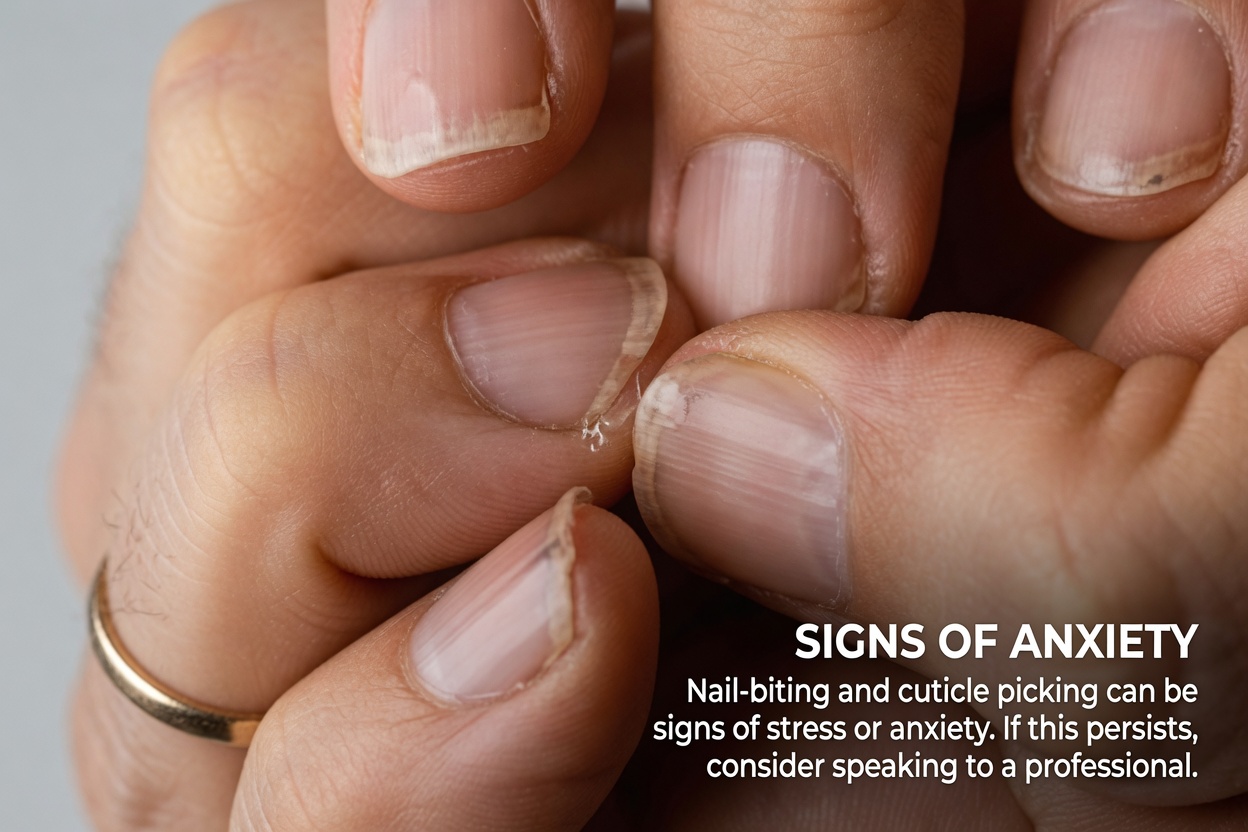
4) Chronic Dehydration and Loss of Nail Flexibility
Nails need moisture for flexibility—similar to skin. When overall fluid intake stays low, nails may become dry, rigid, and prone to cracking.
Simple ways to support hydration:
- Aim for about 8 glasses of water daily (adjust for climate and activity)
- Add hydrating foods like cucumber
- Use herbal tea in the evening if you want a warm option without caffeine
5) Repeated Exposure to Strong Chemicals
Frequent contact with detergents, cleaning products, solvents, or acetone-based nail polish removers can strip the nail’s protective oils. Over time, this can intensify peeling and splitting.
Try these protective habits:
- Wear gloves for dishwashing and cleaning
- Choose gentler, acetone-free removers when possible
- Minimize repeated wet-to-dry cycles (wet hands, then strong soap, then air-drying)
6) Dry Air, Cold Temperatures, and Seasonal Extremes
Winter weather, low humidity, wind, and heated indoor air can pull moisture from nails—often making brittleness noticeably worse.
Supportive steps:
- Apply hand cream and cuticle cream consistently
- Wear gloves outdoors
- Moisturize after handwashing to reduce drying
7) Thyroid Imbalances and Slower, More Fragile Nail Growth
Medical literature notes that thyroid changes—especially hypothyroidism—can be associated with slow-growing, ridged, or brittle nails.
If brittle nails occur alongside symptoms such as:
- fatigue
- sensitivity to cold
- unexplained weight changes
…a healthcare professional may recommend a simple blood test. When an underlying thyroid issue is treated, nail quality often improves over time.
8) Psoriasis and Nail Changes That Mimic “Brittleness”
Psoriasis doesn’t only affect skin—it can also affect nails, causing:
- pitting
- discoloration
- splitting or lifting
When psoriasis is managed appropriately, nail appearance and strength can improve as well.
9) Fungal Nail Infections (Often Misread as “Dryness”)
Nails that become yellow, thick, brittle, or crumbly may point to a fungal infection, especially if feet are often in damp environments (tight shoes, sweaty socks, shared showers).
Because fungus grows out slowly with the nail, treatment—often prescribed—can take months to fully show results.
10) Cumulative Physical Stress + Natural Aging
Using nails as tools (scraping labels, opening cans, prying objects) creates micro-damage that builds up over time. Aging also reduces moisture retention and can slow growth rate, making damage more noticeable.
Helpful habits:
- Keep nails shorter and smoothly filed
- Moisturize hands and cuticles frequently
- Use tools—not nails—for opening or scraping

Quick Reference: Causes, Clues, and Typical Timelines
- Low biotin → peeling/splitting → eggs, nuts, leafy greens (or supplements if advised) → ~4–8 weeks
- Low iron → thinning/spooning (in some cases) → red meat, lentils, spinach + vitamin C → ~2–6 months
- Low protein → soft/breaking nails → fish, poultry, legumes, yogurt → ~6–12 weeks
- Dehydration → dry/brittle texture → more water + hydrating foods → days to weeks
- Chemical exposure → stripped, peeling layers → gloves + gentler products → ongoing prevention
- Extreme weather → seasonal fragility → moisturize + protect → seasonal
- Thyroid-related → ridges/slow growth → medical evaluation → varies
- Psoriasis/fungus → pitting/discoloration/thickening → targeted treatment → ~4–12 weeks+ (often longer for fungus)
Nail Care That Works Better: Addressing Root Factors vs. Surface Fixes
- Nail hardeners/polish: quick cosmetic improvement, but results are often temporary
- Topical oils alone: helpful for surface dryness, but may not solve underlying nutrition or exposure issues
- Diet + hydration adjustments: strong foundation with high sustainability and low cost
- Protective habits (especially gloves): highly effective prevention with minimal effort
- Professional evaluation (when needed): best option when symptoms suggest iron, thyroid, psoriasis, or fungal causes
Start Today: Practical Steps for Stronger Nails
- Track fluids until you consistently reach 8+ glasses per day (phone reminders help).
- Add one biotin-rich food daily (e.g., eggs or almonds).
- Wear gloves for wet work and cleaning—make it automatic.
- Moisturize cuticles morning and night with a basic cream.
- Notice accompanying patterns (fatigue, feeling cold, skin changes) and consider a check-up if symptoms persist.
Small steps repeated daily usually bring the biggest payoff—many people notice improvement within a few weeks as healthier nail grows out.
FAQ
How long does it take to see stronger nails after making changes?
It depends on the cause, but many nutrition and routine improvements show noticeable benefits in 4–12 weeks, as nails grow out (roughly 3–4 mm per month).
Are brittle nails always a sign of something serious?
Most cases are linked to lifestyle and environment. Still, if changes are persistent or paired with other symptoms, it’s worth seeing a clinician to rule out iron deficiency, thyroid issues, psoriasis, or fungal infection.
Can supplements alone solve brittle nails?
Sometimes they help—biotin is a common example for certain people—but the best results typically come from combining supplements (if appropriate) with diet, hydration, and protection from damage.
Medical Disclaimer
This article is for informational purposes only and does not replace professional medical advice. Consult a qualified healthcare provider for personalized guidance—especially before starting supplements or if symptoms continue.
Your nails can act like quiet indicators of overall wellness. Choose one adjustment today and see what changes you notice over the next week.