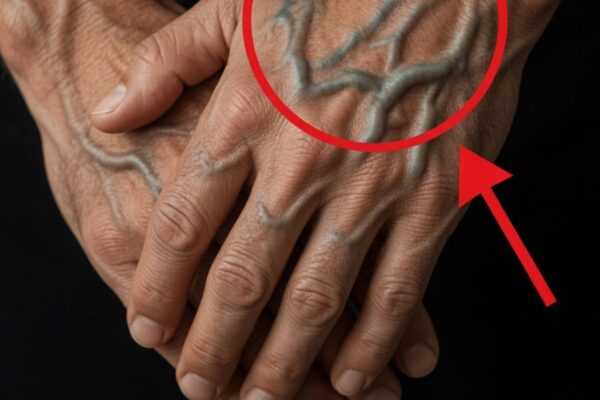
Circulation Changes After 40: Why Your Legs May Feel Heavier
After age 40, many people start noticing small but persistent shifts in how their legs feel—heaviness after sitting, unusual fatigue during short walks, or occasional warmth and tightness in the calves. The CDC estimates that up to 900,000 Americans experience venous thromboembolism (VTE) each year (including deep vein thrombosis, DVT), and risk increases with age. While these sensations may seem minor at first, they can gradually affect comfort, energy, and mobility.
The encouraging part: several kitchen-friendly herbs, supported by traditional use and growing research, may gently promote healthy circulation and vascular wellness when included in an overall healthy routine.
A Simple Question: Could Herbs Help Your Legs Feel Better Day to Day?
What if adding a few specific herbs to your meals or daily habits helped your legs feel lighter and more comfortable? Below are six herbs often highlighted in studies for their potential to support blood flow—plus practical ways to use them safely and consistently.
Why Circulation Often Feels Different After 40
In your 40s and beyond, everyday factors can combine to make circulation feel “off,” including:
- Long hours at a desk or in a car
- Less daily movement
- Natural changes in blood vessel elasticity over time
As VTE rates rise with age, people may also notice that routine activities—standing in a line, walking up stairs, or carrying groceries—can lead to legs that feel achy, swollen, or simply tired.
Circulation issues aren’t only about discomfort. They may also show up as puffiness, cramps, heaviness, or lingering fatigue. Many people try compression garments, walking more, or medical options when necessary. However, supportive strategies from nature—especially those linked to inflammation balance, antioxidant protection, and vessel function—are often overlooked.
Quick self-check: On a scale of 1–10, how often do you feel leg heaviness or discomfort in a typical week? Write it down—you’ll compare it later.
How Herbs May Support Healthy Blood Flow
Blood vessels benefit from plant compounds that help the body handle daily strain, such as:
- Antioxidants, which help counter oxidative stress
- Anti-inflammatory compounds, which may soothe vessel walls
- Gentle support for balanced platelet activity and smooth circulation
Research frequently links diets rich in flavonoids and related phytonutrients to better vascular flexibility and overall circulatory comfort. The herbs below are commonly discussed because they combine long-standing traditional use with emerging lab and clinical findings.
A Real-World Example: Feeling Lighter and More Energetic
John, a 58-year-old retired mechanic in Ohio, had dealt with ongoing leg heaviness and calf tightness for years. “By afternoon, my legs felt heavy—like lead weights—so even basic errands felt draining,” he said. After a day when swelling worried him, he began exploring gentle lifestyle additions.
He started adding cayenne to meals, drinking hawthorn tea daily, and using black seed oil regularly. Within a few weeks, he noticed his legs felt lighter and his energy more stable. After about two months, friends commented that he seemed to move more easily. “It felt like my circulation finally got a wake-up call,” he shared.
Individual results vary, but experiences like John’s match what research suggests: consistent, supportive habits may improve day-to-day comfort.
The 6 Herbs Most Often Linked to Circulatory Support
These herbs may help support healthy function, but they do not replace medical evaluation or treatment—especially if symptoms are persistent or worsening.
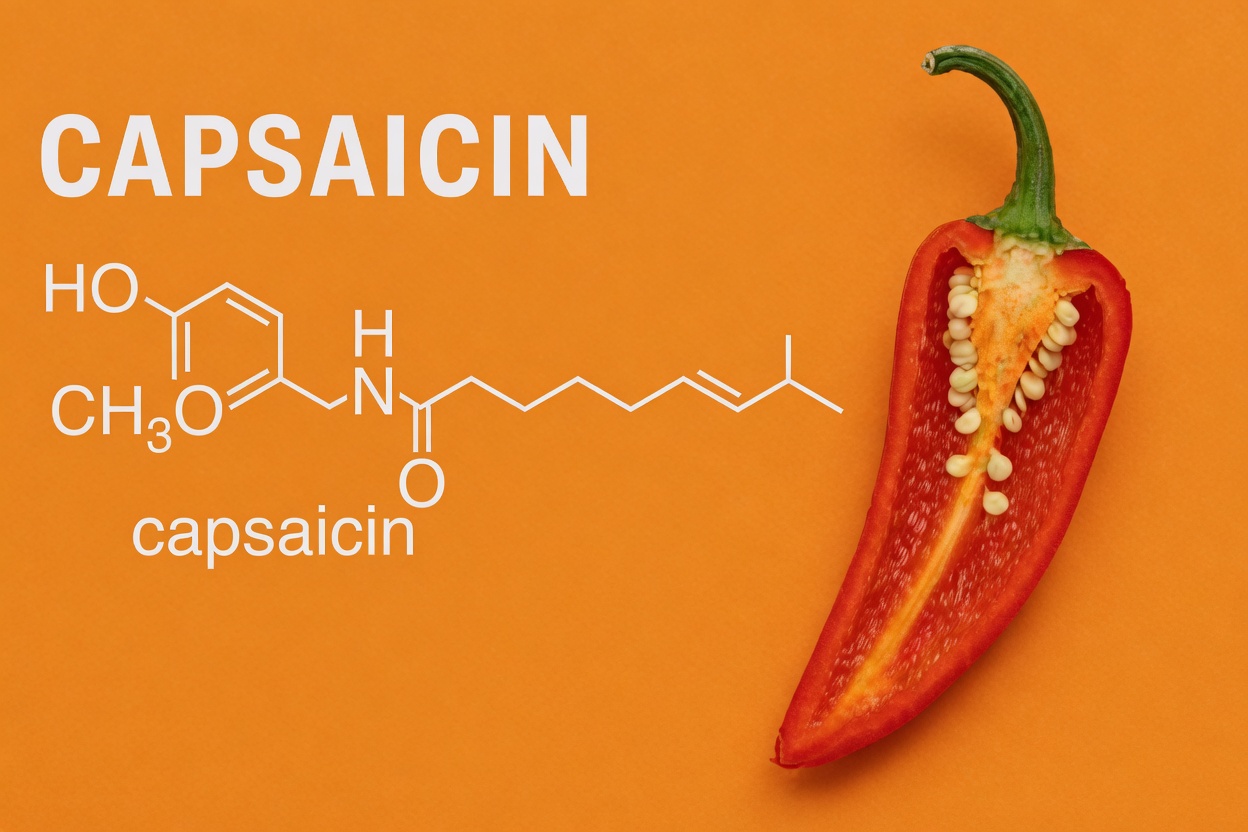
1. Cayenne Pepper (Capsaicin and Warming Circulation Support)
Cayenne contains capsaicin, a compound studied for its potential to promote blood vessel relaxation and smoother blood flow. Some research suggests it may influence nitric oxide pathways and support healthier circulation dynamics, which may translate to warmer extremities and less heaviness after long sitting periods.
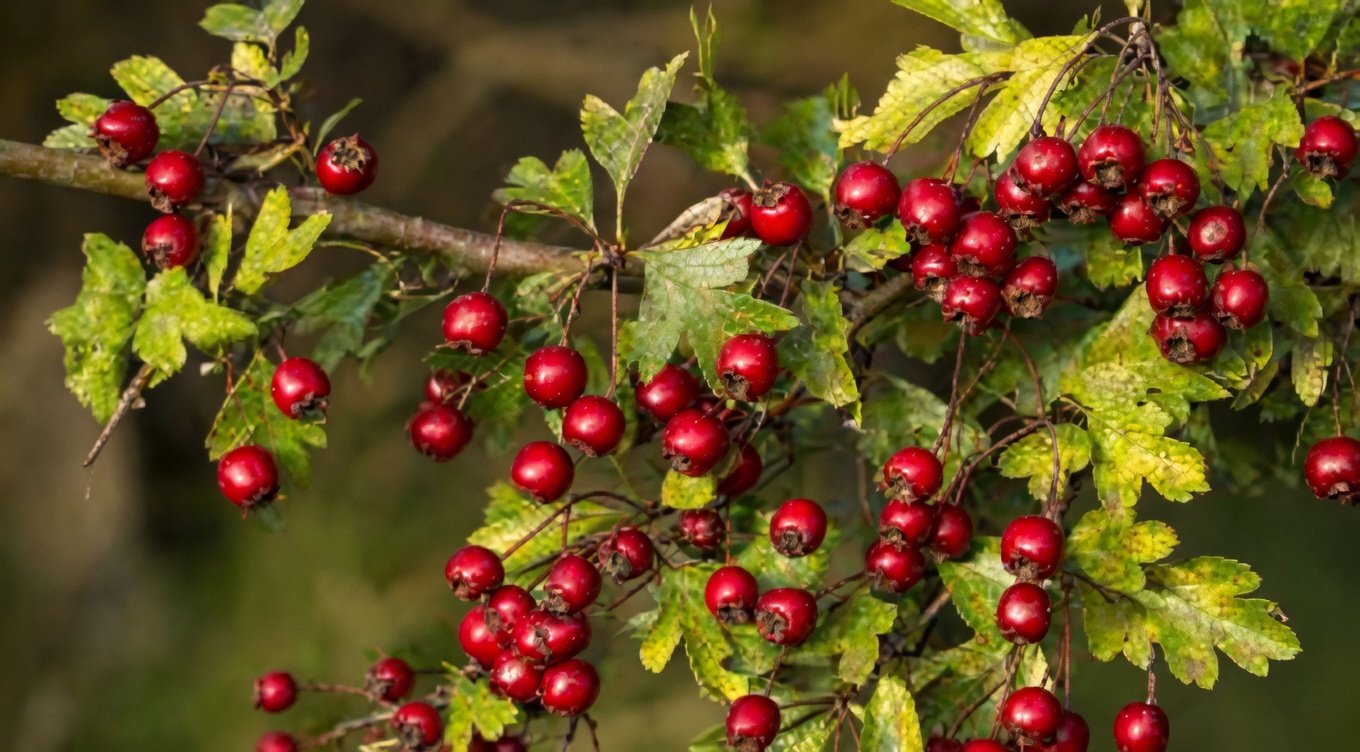
2. Hawthorn Berry (Traditional Heart and Vessel Support)
Hawthorn is rich in flavonoids that may help support vessel relaxation and overall cardiovascular efficiency. Reviews of clinical evidence often associate hawthorn with benefits for mild cardiovascular concerns, including reports of reduced fatigue and improved tolerance for daily activity in some users.
3. Ginkgo Biloba (Microcirculation and Oxygen Delivery)
Standardized ginkgo extracts are widely studied for supporting blood flow in smaller blood vessels, including those in the legs and brain. Evidence suggests it may support oxygen delivery and reduce “stickiness” in circulation—some people report warmer hands and feet and improved mental clarity.
4. Sweet Basil (Everyday, Food-Based Support)
Basil contains compounds such as eugenol, which lab research links to inflammation-calming activity and support for healthy platelet function. As a culinary herb, basil is an easy daily addition that may provide subtle, steady circulatory support over time.
5. Red Clover (Support for Vascular Elasticity)
Red clover contains isoflavones, plant compounds studied for their potential role in helping maintain arterial flexibility. Some trials suggest improved vessel compliance, which may support smoother blood flow without adding unnecessary strain.
6. Black Seed (Nigella sativa and Antioxidant Protection)
Black seed contains thymoquinone, known for strong antioxidant properties. Studies suggest it may help reduce oxidative stress—one factor associated with vascular aging—while also offering mild inflammation-modulating effects that can support resilient circulation.
Mid-Article Check-In
- How many herbs have you covered so far? (6)
- What is your main circulation concern right now?
- Re-rate your leg comfort 1–10 today compared to the number you wrote earlier.
How These Herbs May Work Better Together
While each herb has its own strengths, they are often discussed collectively because they may support circulation in overlapping ways, including:
- Helping reduce everyday oxidative stress on blood vessels
- Promoting calmer inflammation balance, which may reduce puffiness
- Offering gentle support for balanced platelet activity
- Supporting age-resilient vessel flexibility through diet
Bonus absorption tip: Pair herbs with healthy fats (like olive oil, avocado, or nuts) to help the body absorb certain beneficial compounds more effectively.
Problem vs. Support Options (Quick Comparison)
-
Leg heaviness or swelling
- Common approaches: compression, elevation
- Herbal support potential: vessel relaxation + inflammation balance
-
Low flow and fatigue
- Common approaches: exercise, medication when needed
- Herbal support potential: antioxidant support + gentle modulation
-
Stiffness and age-related risk factors
- Common approaches: monitoring and lifestyle changes
- Herbal support potential: elasticity support + oxidative protection
-
Clot-related concerns
- Common approaches: prescribed medical care
- Herbal support potential: support for balanced platelet activity and flow (not a replacement for treatment)
Practical Ways to Start (Simple, Actionable Routine)
-
Weeks 1–2: Start small
- Add a pinch of cayenne to eggs, soups, or roasted vegetables
- Drink hawthorn or red clover tea once daily
- Example: 1 teaspoon dried herb per cup of hot water, steep 10 minutes
-
Weeks 3–4: Build consistency
- Add fresh basil to salads, sauces, and proteins
- Consider standardized ginkgo or black seed capsules if appropriate (follow label directions)
-
Ongoing: Make it automatic
- Keep cayenne and basil in daily rotation
- Continue teas as a steady habit
- Track your comfort rating weekly (1–10); many people notice gradual changes in 2–4 weeks, with stronger shifts over 1–3 months
Important safety note: Speak with a healthcare professional before using these herbs—especially in supplement form—if you take blood thinners, have a medical condition, are pregnant, or are preparing for surgery, as interactions can occur.
Conclusion: A Gentle, Consistent Path to Better Leg Comfort
Supporting circulation doesn’t have to be complicated. These six herbs—cayenne, hawthorn, ginkgo, basil, red clover, and black seed—offer accessible, research-backed options that may support healthier blood flow, vessel function, and everyday comfort when used thoughtfully.
Small daily choices can add up. With consistency, you may notice lighter legs, steadier energy, and more enjoyable movement in the weeks ahead.
FAQ
What herbs are commonly used to support circulation naturally?
Frequently mentioned options include cayenne, hawthorn, ginkgo biloba, sweet basil, red clover, and black seed, each studied for roles related to vessel relaxation, antioxidant activity, and flow support.
How long does it take to notice results?
Many people report subtle improvements within 2–4 weeks of consistent daily use, with more noticeable benefits after 1–3 months. Consistency tends to matter more than intensity.
Are these herbs safe for everyone?
They are often well-tolerated in normal food amounts, but supplements can interact with medications—especially anticoagulants/blood thinners. Always check with a clinician if you have health conditions, are pregnant, or take regular medications.
Disclaimer: This article is for informational purposes only and does not replace professional medical advice. Consult your healthcare provider for personalized guidance.